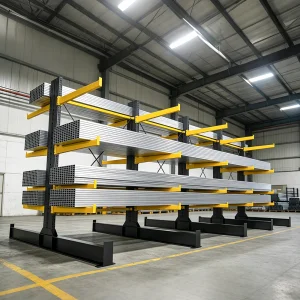
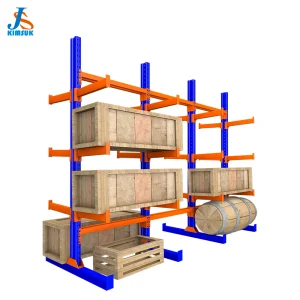
Heavy-duty industrial cantilever structures configured for long-load materials, timber packs, and aerospace extrusions in Washington State.

The Puget Sound industrial market—stretching from Seattle and Kent Valley to Tacoma—is one of the most dynamic logistics hubs in the United States. Driven by the Port of Seattle and Port of Tacoma (The Northwest Seaport Alliance), this corridor serves as a vital gateway for transpacific trade and local heavy industries, including commercial fishing, aerospace engineering (Boeing and its extensive supply chain), and Pacific Northwest timber production.
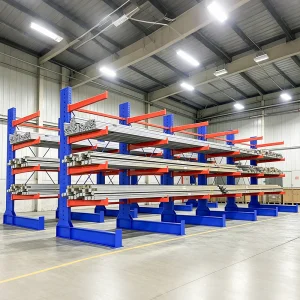
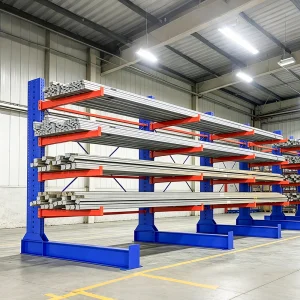
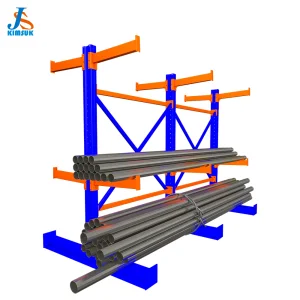
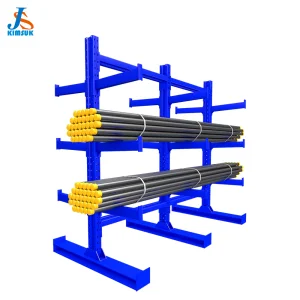
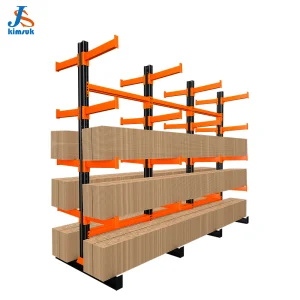
For operations dealing with oversized, bulky, or non-palletized inventory—such as steel piping, aluminum extrusions, raw lumber, and composite structural materials—standard pallet racking is insufficient. These materials require specialized cantilever racking systems designed to handle substantial linear weight without the obstruction of front upright columns, enabling forklift operators to load and unload safely and efficiently.
Additionally, Seattle's premium industrial land values demand space optimization. Facility managers must look upward, leveraging high-density vertical systems that do not sacrifice material accessibility. Maximizing vertical clearance is essential for local distribution hubs striving to reduce operational footprint costs.
Designing racking systems for Seattle requires engineering for high seismic activity. Under the International Building Code (IBC) and Washington State Building Code, the Puget Sound region falls into Seismic Design Category D. Racking systems installed in this area must satisfy strict structural criteria established by the Rack Manufacturers Institute (RMI).
Aligning overseas manufacturing capabilities with the local logistics demands of Pacific Northwest distributors and enterprise clients.
For US-based buyers, procurement of industrial racking systems involves balancing cost-efficiency with engineering quality. Partnering directly with a high-capacity structural steel manufacturer like Shenzhen Kimsuk Storage Equipment Manufacturing Co., Ltd. allows Seattle firms to procure customized, industrial-grade storage configurations at highly competitive prices, without compromising structural safety.
Key global procurement considerations for industrial racking include:
Shipping large, heavy steel structures across ocean freight networks requires careful load plan optimization to minimize container waste. Kimsuk's logistics team designs custom packaging configurations, ensuring steel components are bundled, cushioned, and secured with steel strapping to prevent shifting during maritime transit. Our direct-to-port logistics support simplifies clearing customs and local drayage delivery straight to your job site in King or Pierce counties.
By bypassing middle-tier distributors, PNW warehouse operators can achieve substantial cost savings on large-scale logistics hub development projects.
Global leader in industrial storage system design, engineering, and high-precision manufacturing.
Established in 2015, Shenzhen Kimsuk Storage Equipment Manufacturing Co., Ltd. is a leading industrial warehouse storage systems manufacturer headquartered in Shenzhen, China. Operating from a modern 38,000 m² production facility, we specialize in high-density pallet racking, mezzanine systems, and customized logistics storage solutions for global enterprises. With over 11 years of deep industry expertise and 8 years of direct international trade experience, Kimsuk generates over $22 million in annual export sales, serving distributors, logistics hubs, e-commerce centers, and heavy industrial plants worldwide.
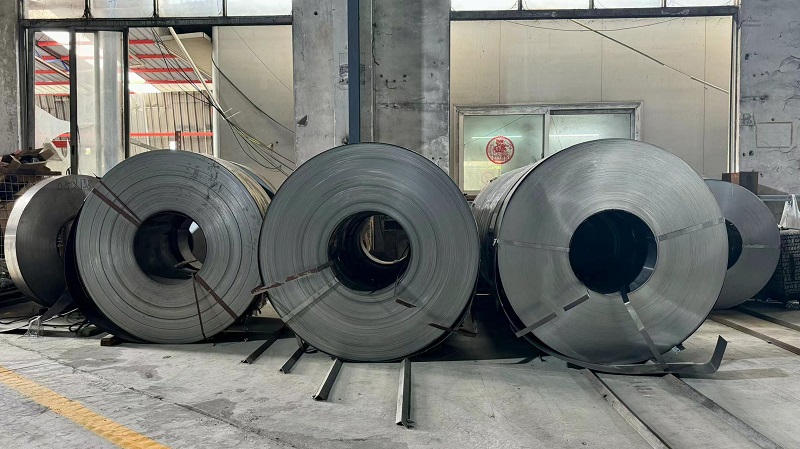
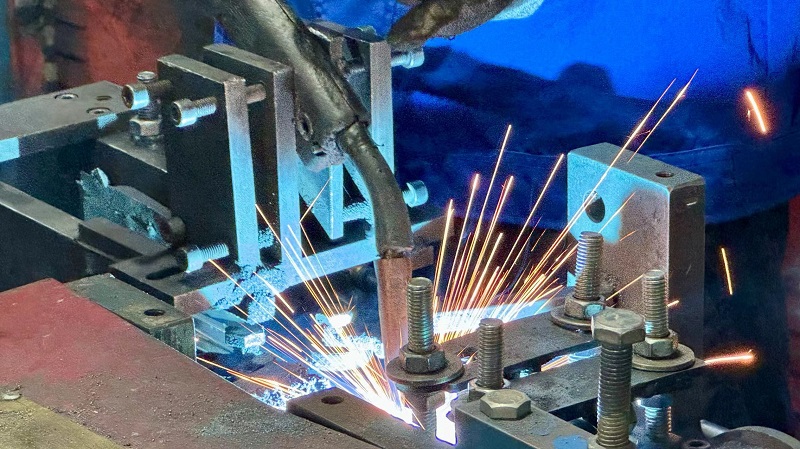
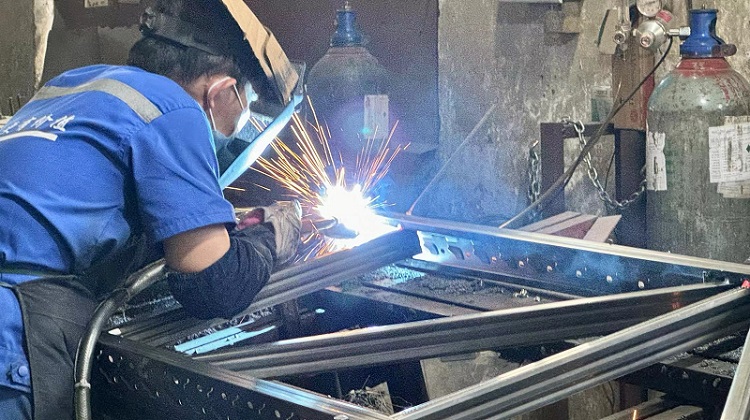
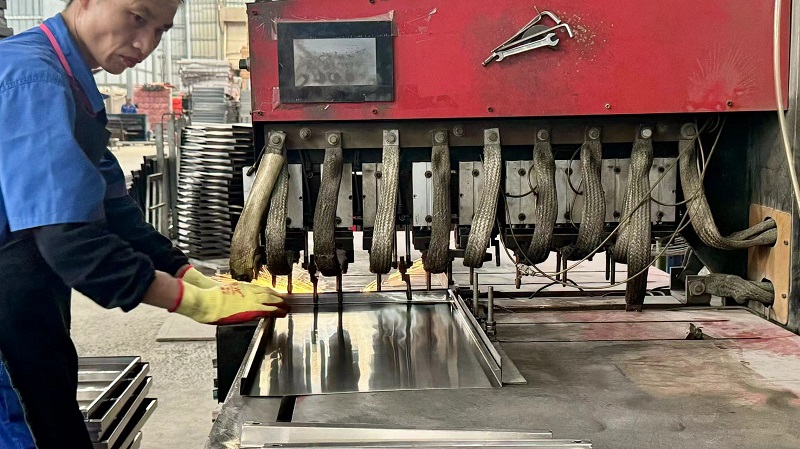
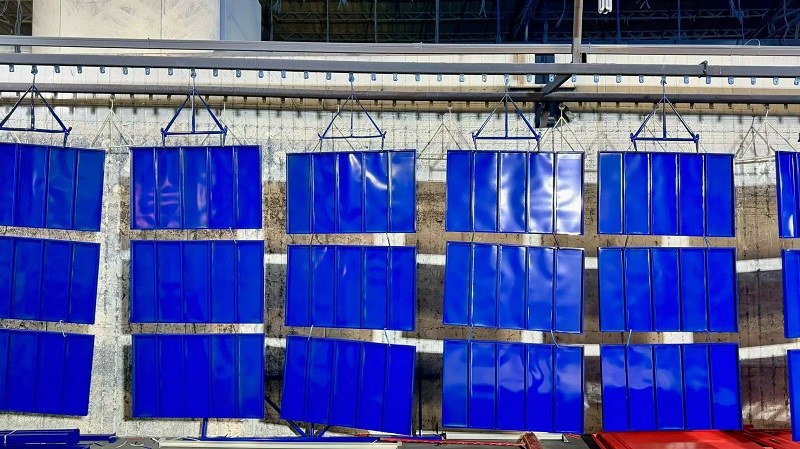
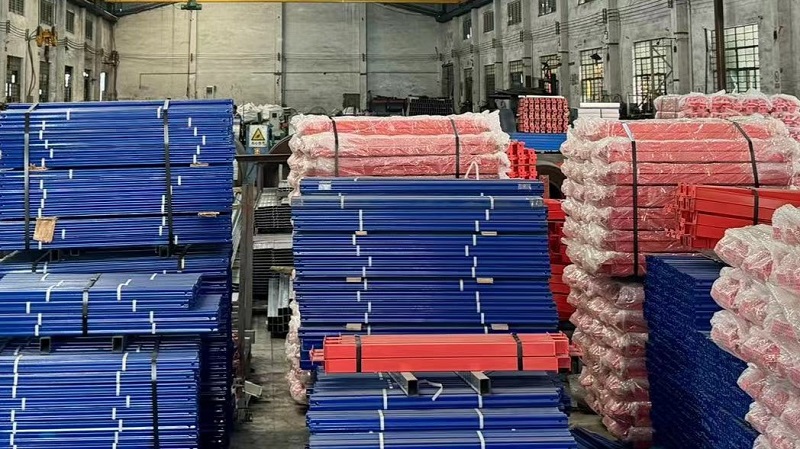
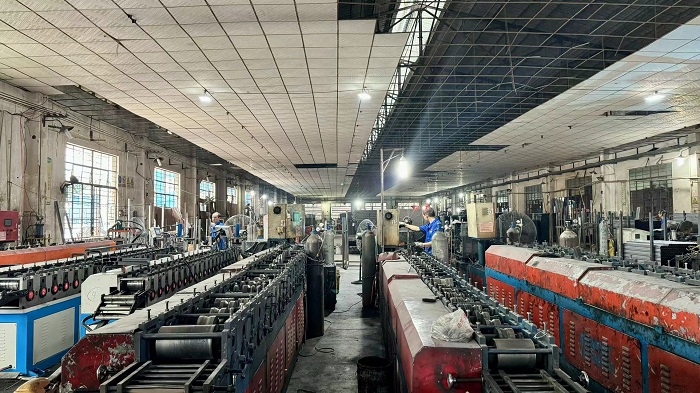
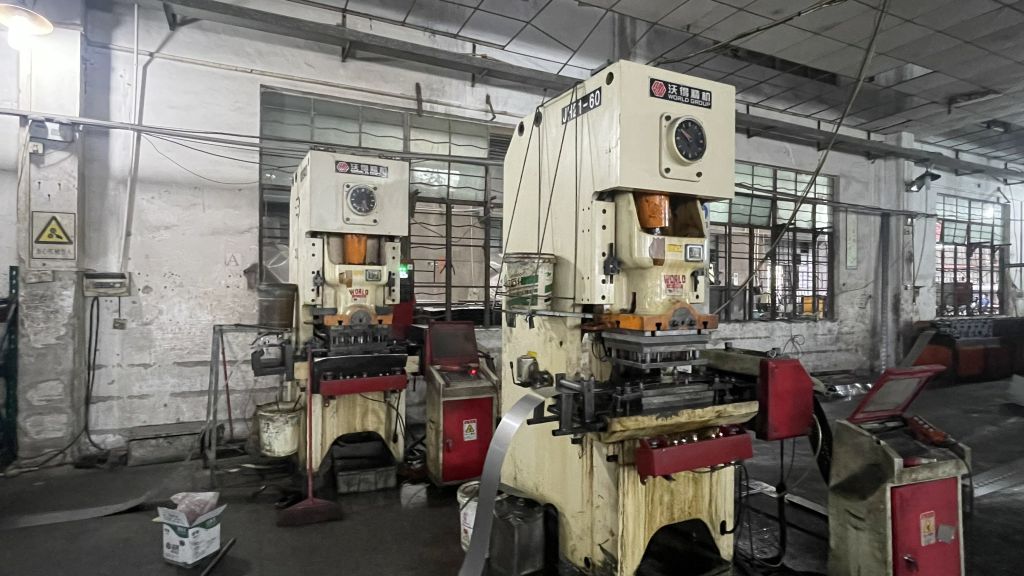
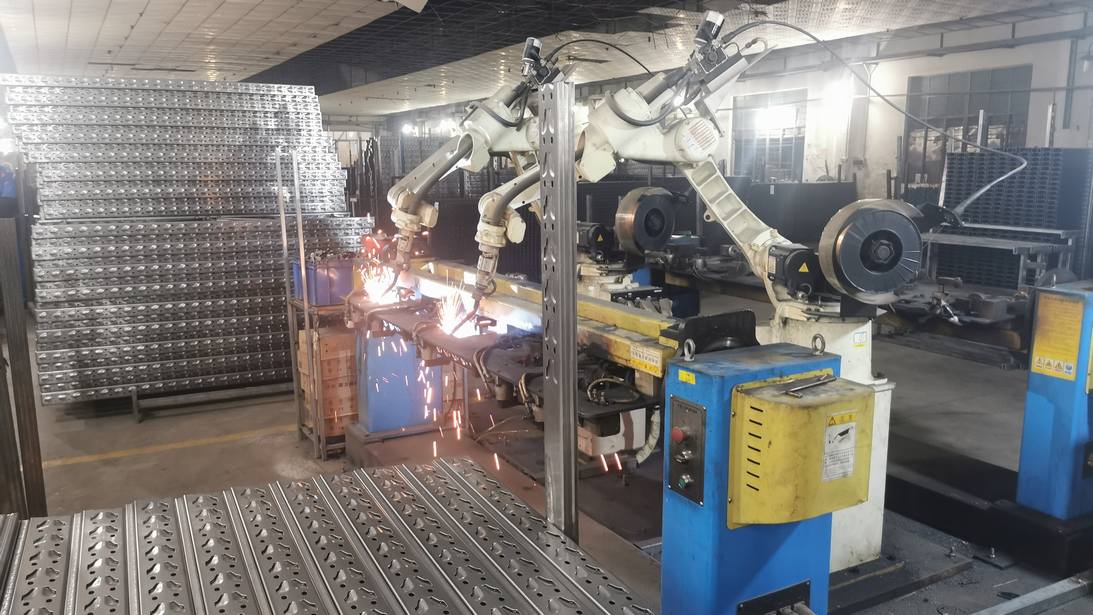
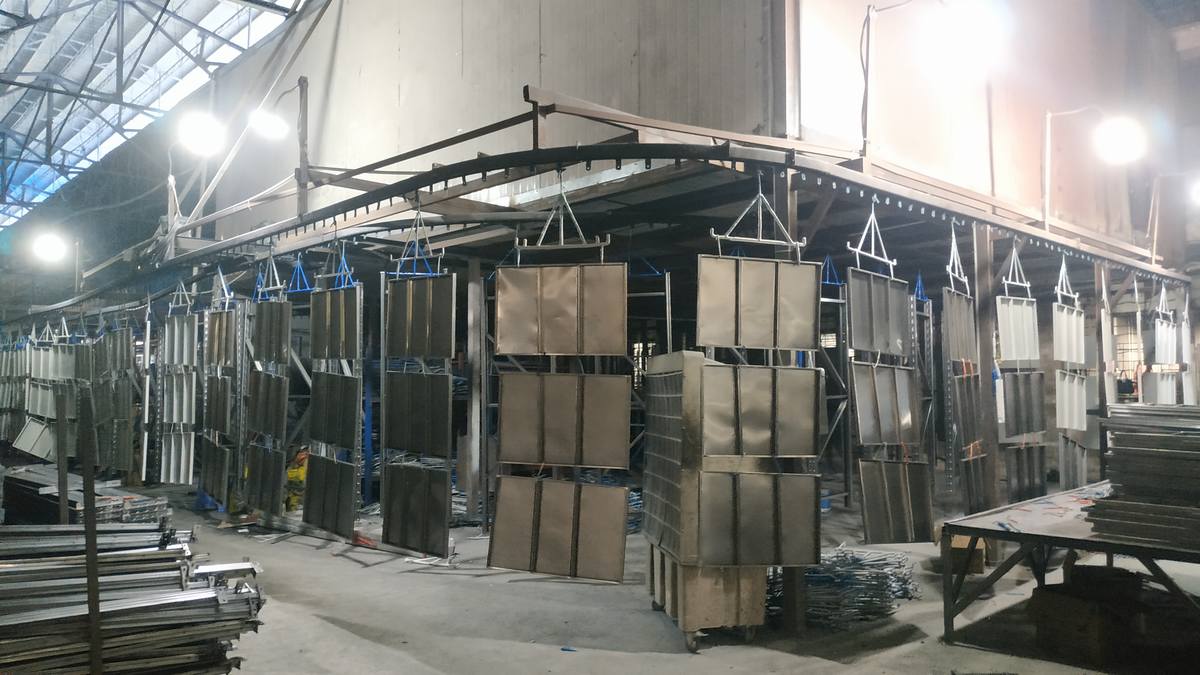
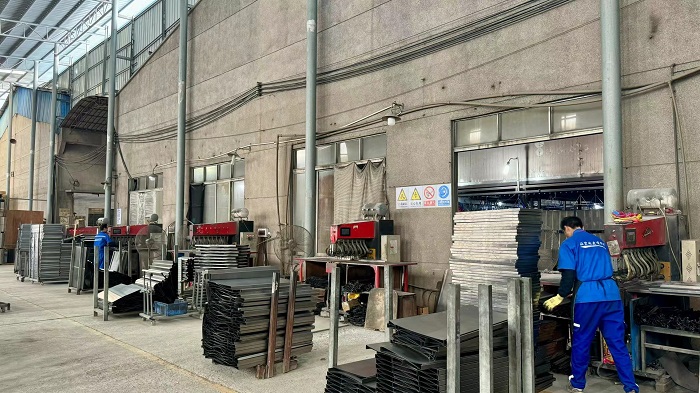
At Kimsuk, quality and safety are at the core of our manufacturing philosophy. Backed by 35 dedicated full-time QC specialists, we execute rigorous quality control protocols across all production phases—including spectral raw material testing, ultrasonic weld inspection, dynamic load capacity testing, and automated powder-coating durability checks.
Driven by strong innovation, our internal R&D team consists of 18 experienced structural engineers. Last year alone, we successfully launched 45 new optimized racking designs. We offer extensive OEM/ODM customization options, including tailored load capacities, specific column profiles, seismic-resistant structures, and custom anti-corrosion surface treatments. Supported by an integrated network of over 850 reliable supply chain partners, Shenzhen Kimsuk delivers high-performance, cost-effective warehouse storage systems engineered to maximize your space utilization.
Engineering cantilever systems requires understanding physical stress distribution. Unlike standard pallet racks supported by front and rear beams, cantilever columns absorb significant bending moments generated by projecting arms.
Get professional structural insights on installing heavy-duty storage racks in commercial facilities.
In King County and Seattle, any racking system over 8 feet in height requires a building permit from the Seattle Department of Construction & Inspections (SDCI). The application requires certified seismic calculations from a registered Washington State Professional Engineer (PE). We provide structural engineering data sheets and calculations to assist in this permitting process.
Roll-formed cantilever racks are shaped from cold-rolled steel sheet metal and are suitable for light-to-medium loads. Structural steel racks are fabricated from heavy-duty hot-rolled structural shapes, offering significantly higher load capacities and resistance to impact damage—critical for harsh industrial yards or high-traffic shipping ports.
Divide the total weight per level by the number of support arms. For example, if you store bundles of timber weighing 6,000 lbs across three arms, each arm must support at least 2,000 lbs. Additionally, ensuring a Uniformly Distributed Load (UDL) is critical to prevent twisting forces on individual uprights.
For coastal warehouses and outdoor storage yards close to Puget Sound, Hot-Dip Galvanizing (HDG) provides optimal corrosion protection. HDG creates a metallurgical bond that shields the steel from salty, humid marine environments, outlasting standard powder-coat treatments in exposed outdoor conditions.
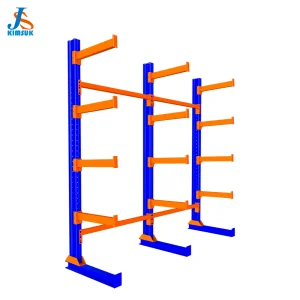
Examine our full engineering lineup of adjustable arm units, single-sided frames, and specialized logistics configurations.



 Kimsuk Rack