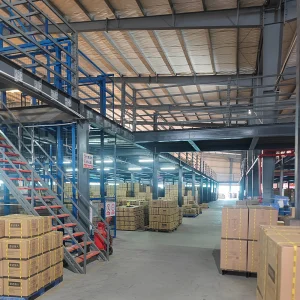
Industrial Mezzanine Floor Factories & Exporter

High-density custom-engineered steel structures maximizing spatial footprint optimization for industrial logistics, 3PL hubs, and manufacturing facilities worldwide.

Architecting Vertical Volume: Macro Trends in Modern Industrial Warehousing

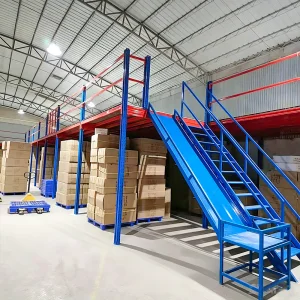
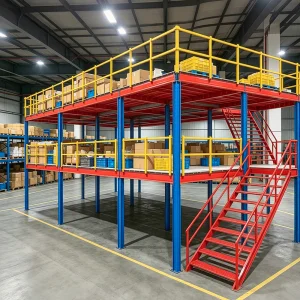
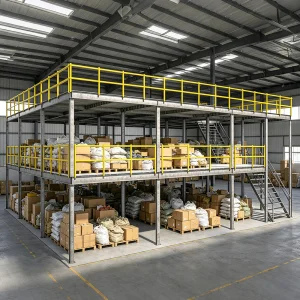
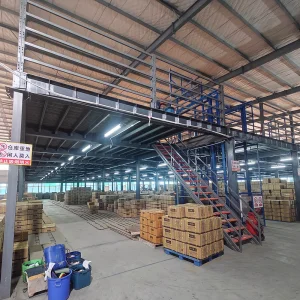
In the contemporary global logistics infrastructure, real estate scarcity and soaring land values have turned floor space optimization into a vital KPI. Traditional horizontal expansion is no longer economically viable in major commercial corridors. Multi-tier industrial mezzanine systems present structural solutions that effectively double or triple operational capacities without modifying the external structural envelope of the building. By utilizing previously wasted vertical workspace, organizations can scale their high-capacity inventory, assemble manufacturing zones, or set up dynamic e-commerce order-fulfillment lines with optimized capital expenditures.

A mezzanine floor is not merely a shelving extension; it is a highly calculated structural engineering asset. Depending on whether the system is structural steel-supported (free-standing columns) or rack-supported (multi-tier racking configurations), structural considerations vary significantly. Factors such as dynamic load distribution (live loads of pallet jacks, conveyors, and staff), dead load calculations (the self-weight of the platform itself), wind loads in seismic areas, and fire safety systems integration must be mathematically validated by specialized structural engineers before fabrication begins.

Information Gain Concept: Unlike basic residential mezzanine levels, industrial platforms must comply with regional civil regulations (such as IBC in the United States, AS4084 in Australia, and EN 15512 in Europe). Structural load tolerances typically range from 300 kg/m² for basic e-commerce picking zones up to 2,000 kg/m² for heavy industrial raw materials manufacturing and automated sorting hubs.

Engineering Design Philosophy & Technical Load Calculations

The development of a high-capacity mezzanine involves several key components:

  • Primary Support Columns: Made from heavy-wall structural square tube (SHS) or H-beam structural steel to guarantee rigid axial loading capability.
  • Primary and Secondary Joists: Roll-formed SIGMA or C-sections, optimized via structural modeling to achieve maximum clear span limits while keeping deflection rates below L/300 (or L/400 for precision automated robotics lines).
  • Decking Mediums: Configured based on chemical, fire safety, and transport requirements. Options include perforated galvanized open-steel grating, heavy-duty anti-slip checker plate, and industrial-grade high-density composite board layered over profile steel sheeting.
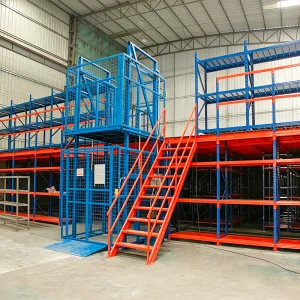
  • Edge Safety Accessories: Engineered kick-plates, dual-rail heavy duty guardrail systems, self-closing safety access swing gates, and sliding-pallet gates designed to protect logistics staff working on high-level platforms.

Macro-Industry Application Profiles

Globally, different business models dictate specific mezzanine structural designs:

  • 3PL & Distribution Centers: Usually require wide spans to allow forklift operations on the ground level, opting for heavy structural steel designs with minimal support columns.
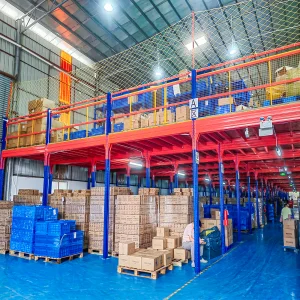
  • E-commerce Order Fulfillment: Focuses on multi-level shelf-supported mezzanines with integrated light conveyor systems, chute slides, and picking zones.
  • Manufacturing Workshop Workspaces: Platforms designed to separate manufacturing machinery (ground level) from assembly, QA laboratories, or administrative floor spaces (upper levels), demanding high noise-vibration isolation designs.

Enterprise Manufacturing Core Specs

  • Production Facility: 38,000 m² modern manufacturing plant.
  • Annual Export Value: Over $22 Million USD in global sales.
  • Engineering Strength: 18 full-time structural engineers.
  • Strict Quality Control: 35 dedicated QC professionals overseeing raw materials & welds.
  • Custom OEM/ODM Capabilities: Custom anti-seismic certifications, custom electrostatic powder coating line.
  • Key Markets Served: North America, EU, Middle East, Southeast Asia.

Shenzhen Kimsuk Storage Equipment Manufacturing Co., Ltd.

Established in 2015, Shenzhen Kimsuk is a leading industrial warehouse storage systems manufacturer headquartered in Shenzhen, China. Supported by 11 years of deep industry expertise and 8 years of direct international trade experience, we specialize in high-density pallet racking, heavy-duty mezzanine platforms, and intelligent logistics integration.
38,000 m²
Production Facility
35 Specialists
Quality Control Team
18 Engineers
R&D Design Department
$22M+
Annual Export Sales

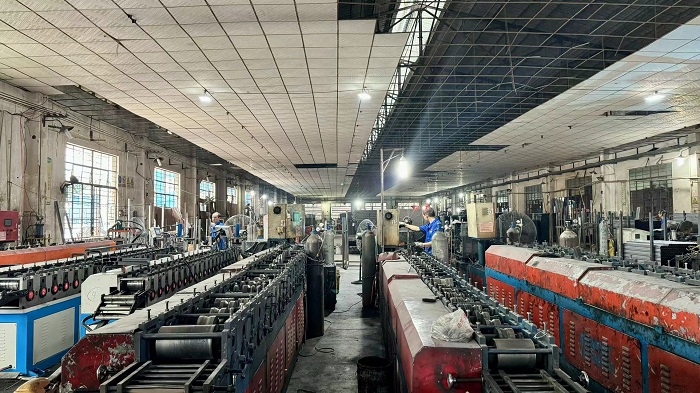
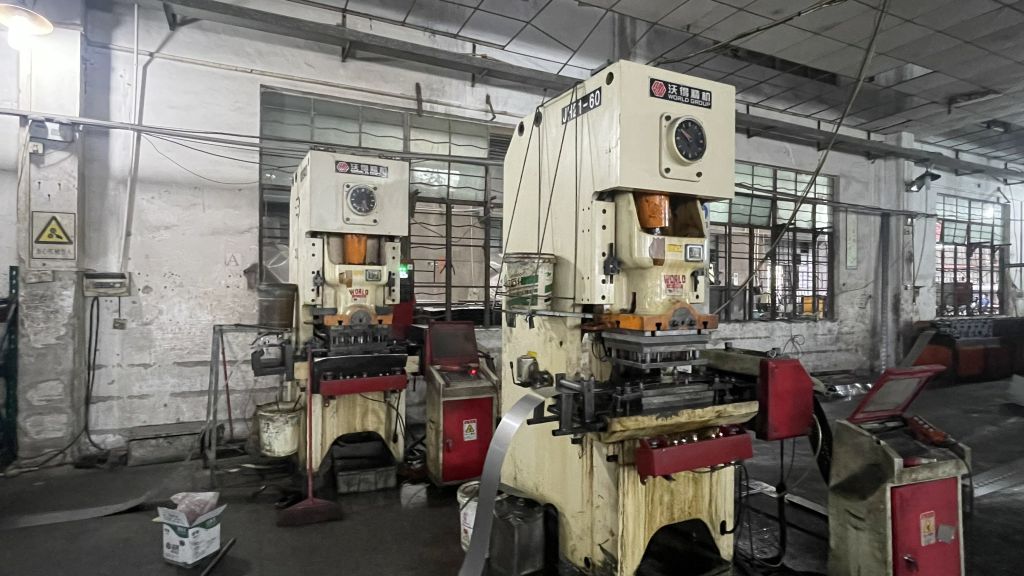
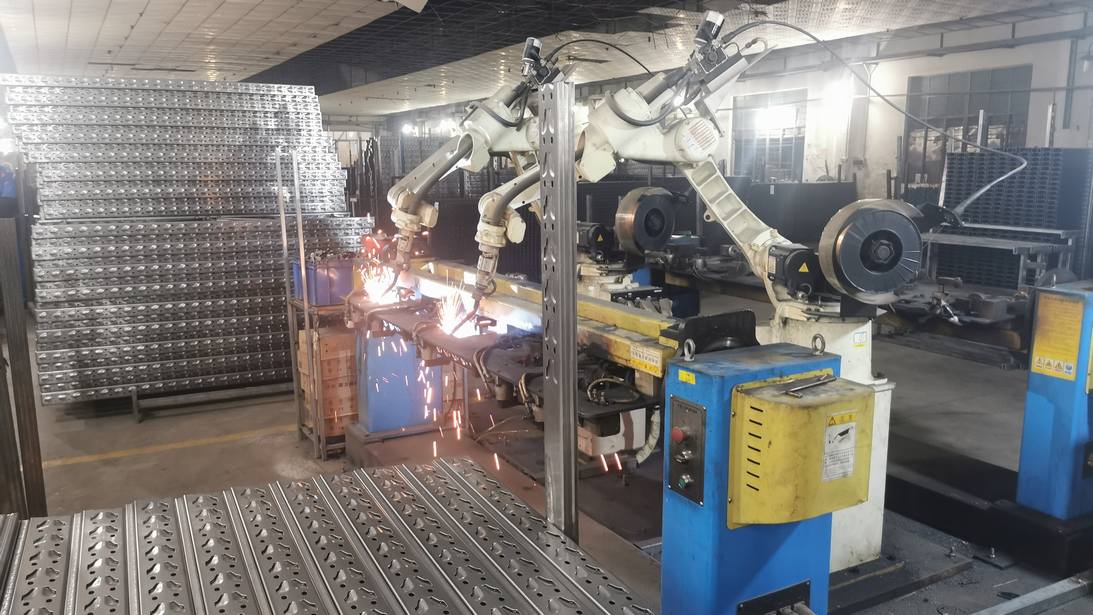
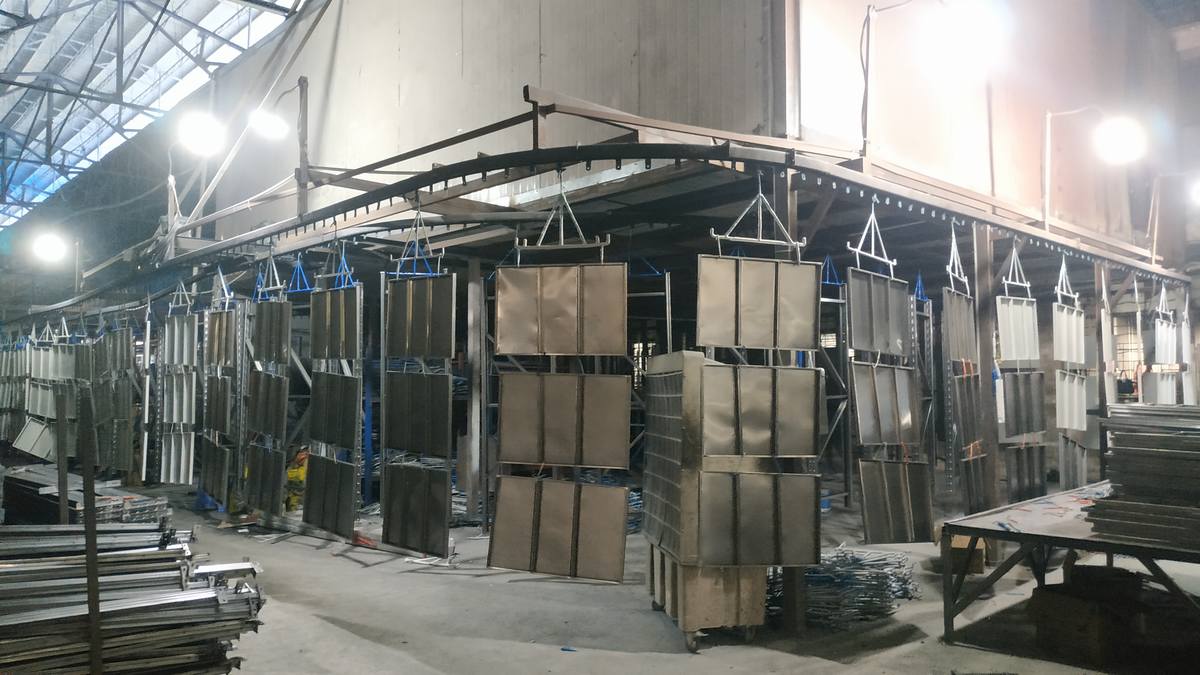
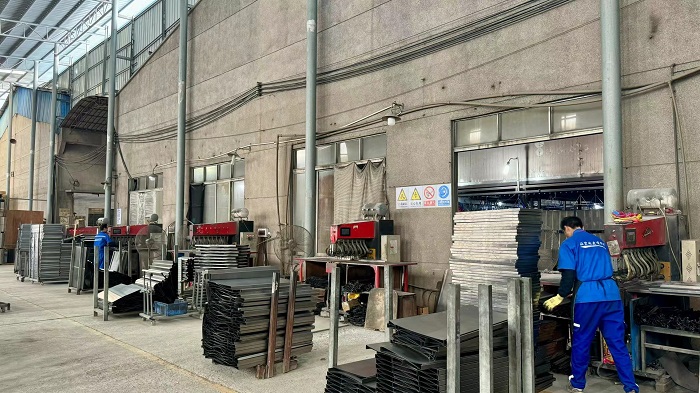
State-Of-The-Art Manufacturing Process & Precision Equipment

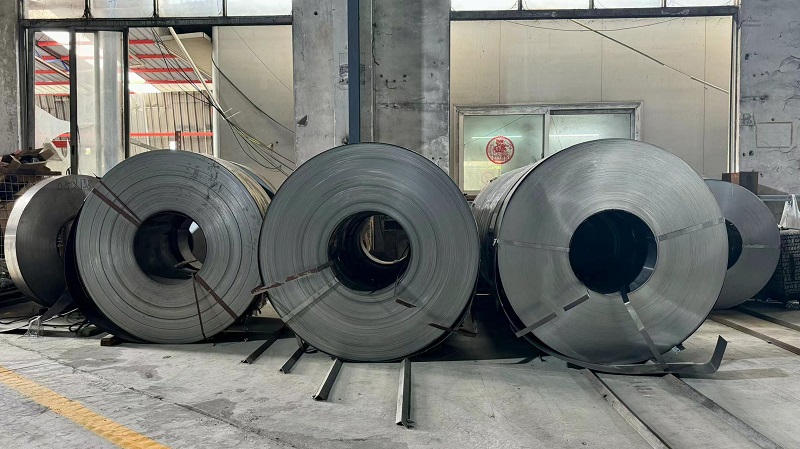
Raw Materials
Raw Materials
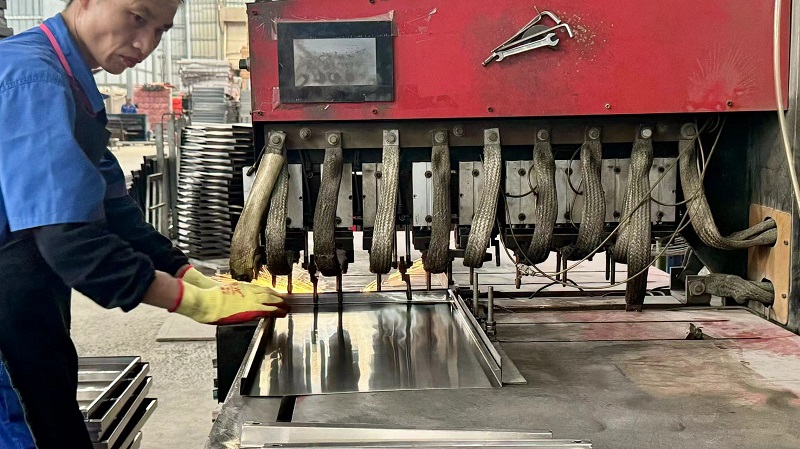
Stamping Molding
Stamping Molding
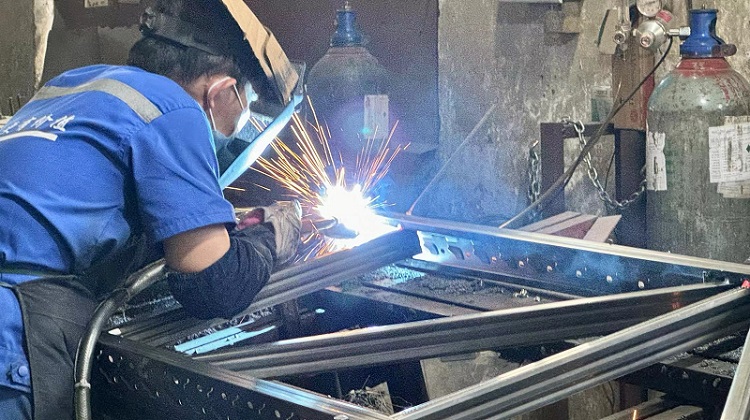
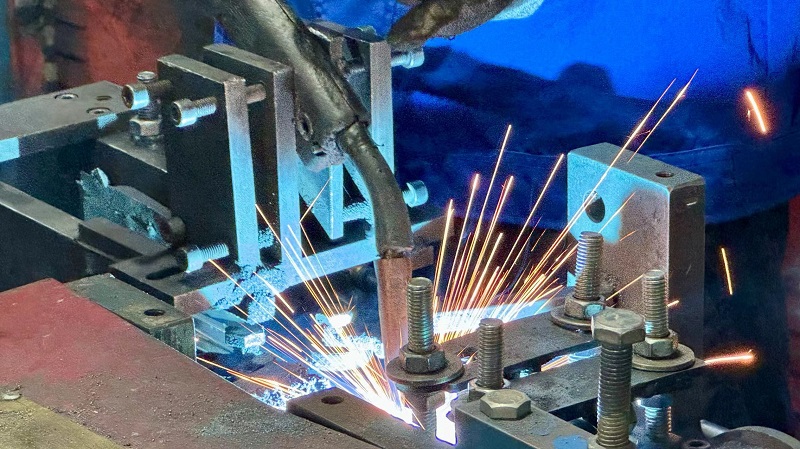
Welding
Welding
Punching
Punching
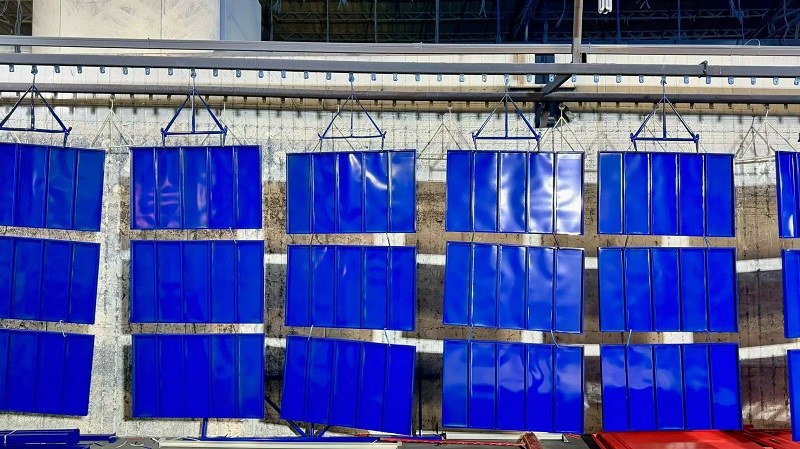
Painting
Painting
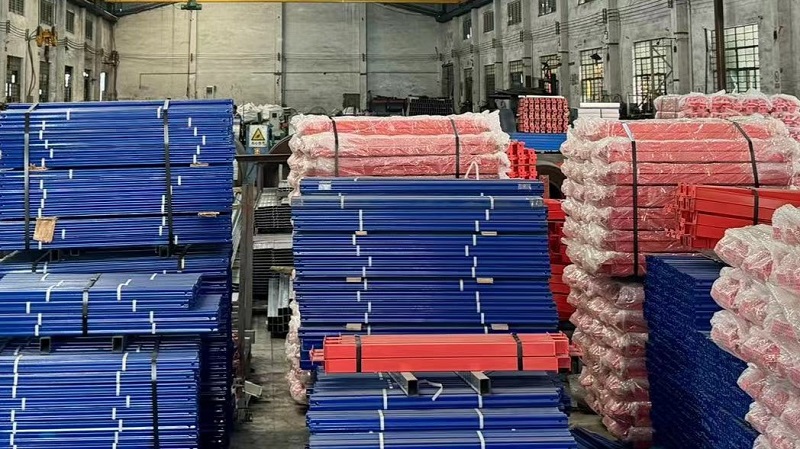
Packaging
Packaging
Stamping Molding Machine
Piercer Machine
Piercer Machine
Welding Machine
Welding Machine
Painting Line
Painting Line
Punching Machine
Punching Machine

Deep-Dive: Global Compliance, Structural Engineering & QC Protocols

Material Integrity & Structural Standards

Industrial structural steel selection forms the foundation of our engineering standards. Shenzhen Kimsuk uses premium-grade Q235B and Q355B structural carbon steel to ensure high tensile strength and yield performance. Before fabrication, our quality control team carries out spectral analysis and mechanical load validation checks on every batch of structural coil steel received from tier-1 Chinese mills. Ultrasonic weld inspections are also performed regularly to check the structural integrity of every column base plate and structural connection sleeve.

Advanced Seismic Engineering for High-Risk Zones

In high-risk earthquake zones (such as western North America, South America, and regions of Southeast Asia), standard mezzanine structures risk structural collapse if seismic forces are not properly accounted for. Shenzhen Kimsuk's R&D department uses FEM (Finite Element Method) software to simulate local seismic events. This allows us to calculate dynamic horizontal loading responses, integrate cross-bracing profiles, and engineer heavy-duty anchor bolt footprints to securely anchor columns to the warehouse foundation.

Corrosion Control and Environmental Adaptation

Industrial installations in coastal distribution hubs or high-humidity manufacturing workshops face rapid corrosion hazards. To address this risk, all Kimsuk steel components undergo an advanced multi-stage cleaning and pretreatment process prior to finishing. This includes automated shot-blasting to remove mill scale, followed by the application of electrostatically charged powder coating baked at 200°C. This creates a hard, anti-abrasive barrier that protects structural steel from physical impacts and chemical corrosion. We also offer hot-dip galvanized finishes for cold-chain storage and high-salinity marine warehouse applications.

Industrial Mezzanine Floor Procurement Q&A

1. What is the typical load capacity of an industrial steel mezzanine floor?
Industrial mezzanines are engineered to support a wide range of load weights. Medium-duty mezzanines typically support 300 to 500 kg/m² for manual picking or order-fulfillment zones. Heavy-duty platforms are designed for loads between 1,000 and 2,500 kg/m² to support heavy machinery, heavy pallet racking, and forklift traffic.
2. How are compliance certifications handled for international shipments (e.g., North America, EU)?
All our designs are engineered to comply with regional building standards, such as RMI and AISC in the United States, EN standards in Europe, and AS4084 in Australia. During the engineering design phase, we can provide structural calculation certificates signed by a registered engineer to streamline local building permit approvals.
3. What flooring material options are available and how do I choose?
We offer three main decking materials: 1) Anti-slip Steel Checker Plate: Extremely durable, ideal for heavy loads and high-wear areas. 2) Perforated Open Steel Grating: Best for airflow and fire protection, allowing sprinkler water to flow through. 3) Heavy-duty Industrial Plywood over Profiled Steel Sheeting: Cost-effective and quiet, ideal for pedestrian walkways and manual picking systems.
4. Can mezzanine systems be disassembled and reconfigured in the future?
Yes, our modular systems feature bolt-together connections that allow for easy disassembly, expansion, and relocation. Unlike permanent concrete structures, modular steel mezzanines can be modified to adapt to changing warehouse needs.
5. How does Shenzhen Kimsuk handle global shipping and logistics?
We package all long structural beams and upright columns using heavy-duty protective steel strapping and multi-layer bubble wrap to prevent transport damage. We export worldwide via major ports in Shenzhen, offering FOB, CIF, or DDP delivery options depending on your location.
6. What details are required to get a custom engineering design and quote?
To design your system, we need: 1) The dimensions (length, width, height) of the proposed installation space. 2) The target load capacity (kg/m²). 3) Desired column span layouts. 4) Site conditions (seismic zone details, floor concrete thickness, and building obstacle measurements).
All mezzanine floor Products