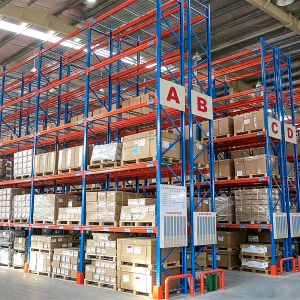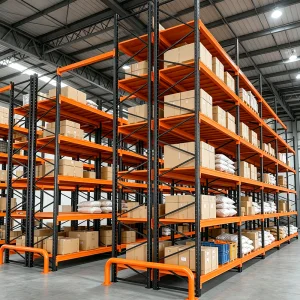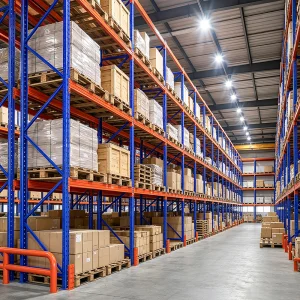
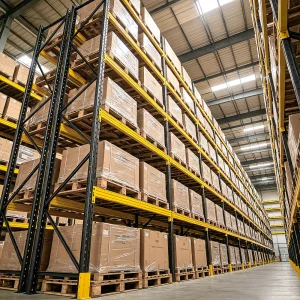
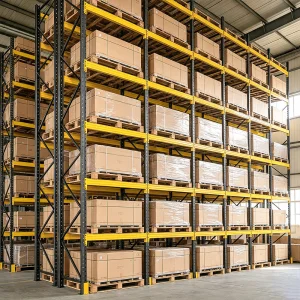
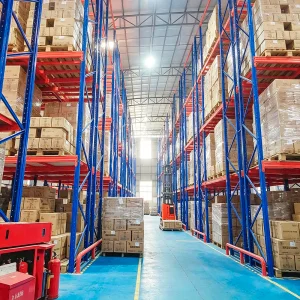
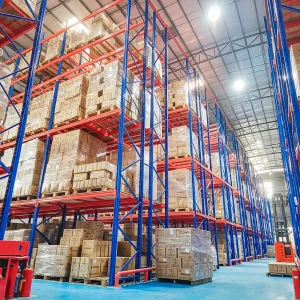
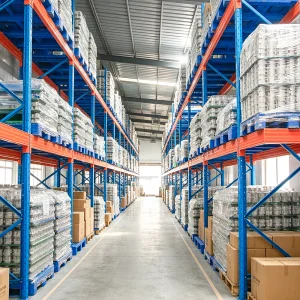
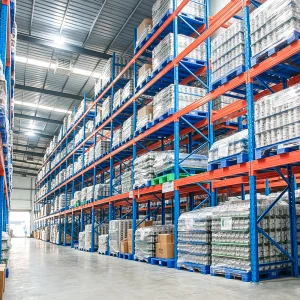
Analyzing key structural shifts, mechanical updates, and architectural changes in smart high-capacity logistics.
Modern heavy-duty racks are no longer standalone structures. Designing steel rack structures that flawlessly integrate with Automated Storage and Retrieval Systems (ASRS), shuttle systems, and AGVs represents the baseline of future-ready warehousing. Tight tolerances of ±1.5mm are required to keep automated systems moving seamlessly.
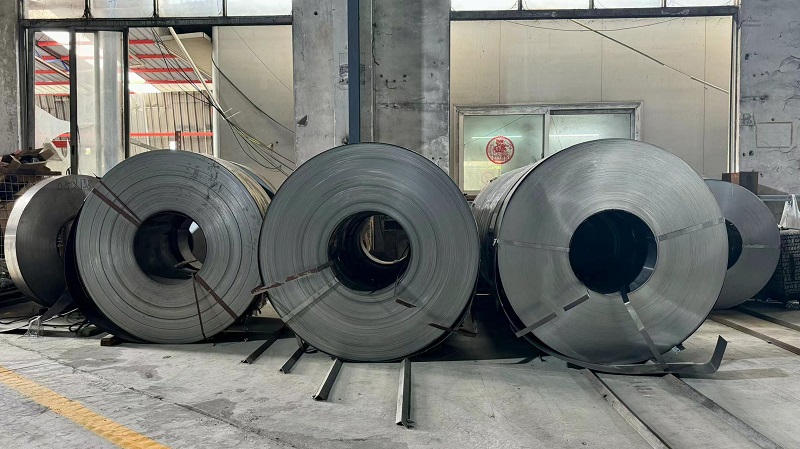
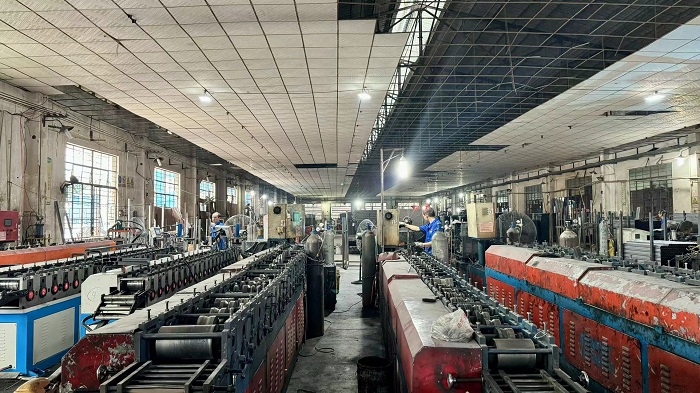
Global logistics hubs are upgrading from conventional carbon steels to premium high-strength alloys (such as Q355B and high-grade cold-rolled steel). By optimizing structural geometry (such as roll-formed profiles with 9 to 13 bend channels), engineers maximize structural stiffness and dynamic load tolerances while minimizing total steel weight.
Seismic structural compliance has transitioned from localized codes to a globally enforced necessity. Modern heavy-duty rack installations integrate FEA (Finite Element Analysis) simulating site-specific seismic accelerations, utilizing specialized footplates and heavy-duty concrete anchors to safeguard industrial personnel.
Global supply chain executives, warehouse developers, and procurement directors look far beyond basic cost-per-pallet metrics when validating industrial racking manufacturers. Ensuring product safety, load structural integrity, and regulatory compliance is paramount.
Key procurement metrics evaluated by tier-1 logistics operators include:
Standard Load Ratings:
1,000 kg to 4,500 kg per level (depending on profile selection and dynamic design requirements).
Primary Certifications Required:
ISO 9001:2015, CE Certification, RMI Compliant Engineering Calculations, AS 4084 Quality Protocols.
Deflection Limit Standards:
Span ratio limited to L/200 (1/200th of the span length) under nominal safe working load.
A Case Study in Manufacturing Excellence, Dynamic Engineering, and Premium Storage Operations.
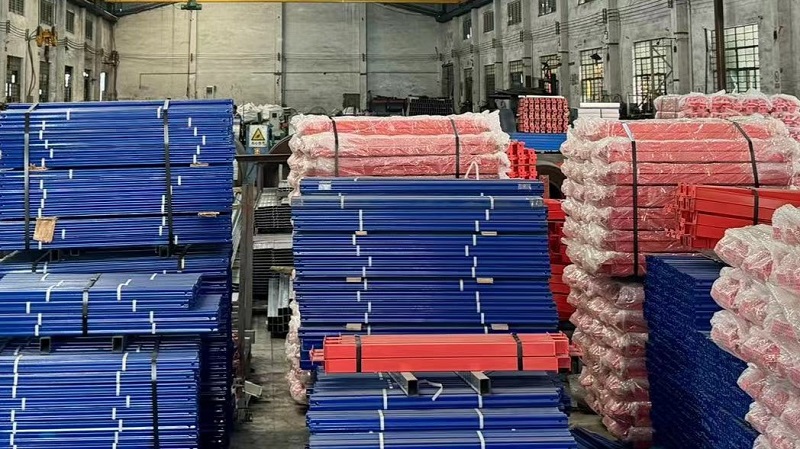
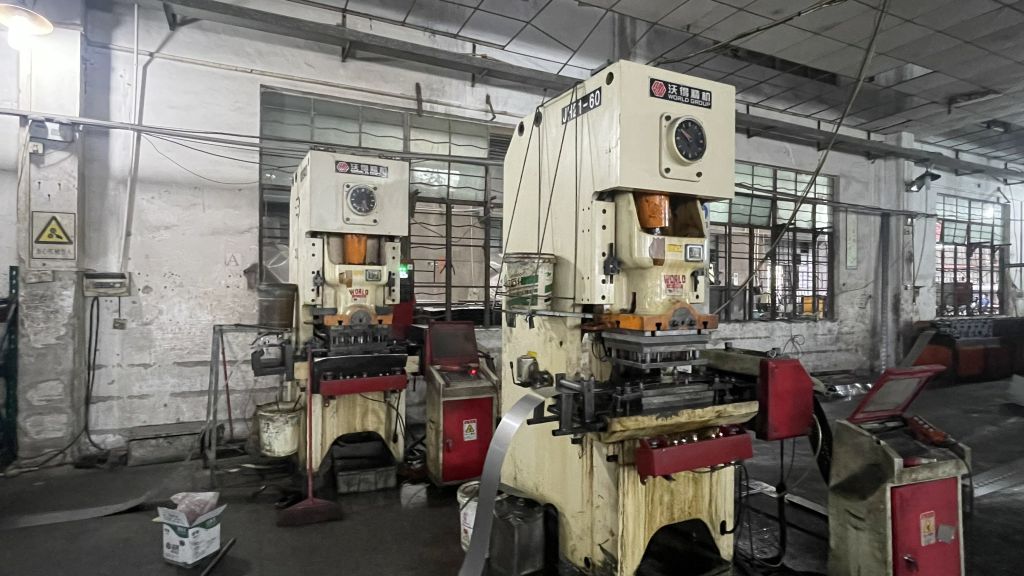
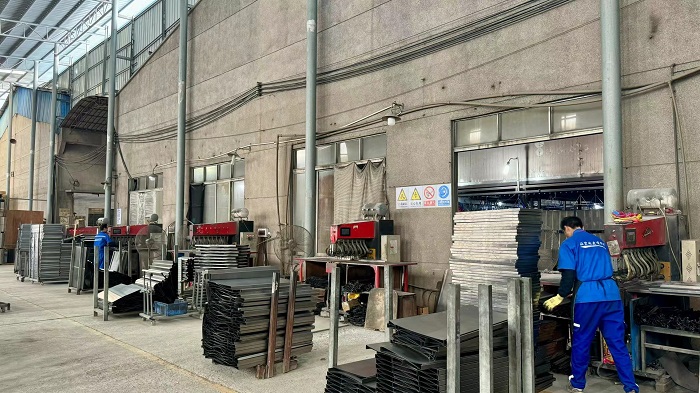
Established in 2015, Shenzhen Kimsuk Storage Equipment Manufacturing Co., Ltd. is a leading industrial warehouse storage systems manufacturer headquartered in Shenzhen, China. Operating from a modern 38,000 m² production facility, we specialize in high-density pallet racking, mezzanine systems, and customized logistics storage solutions for global enterprises.
With over 11 years of deep industry expertise and 8 years of direct international trade experience, Kimsuk generates over $22 million in annual export sales. Our primary overseas markets cover North America, Western Europe, Southeast Asia, and the Middle East, serving heavy-duty distributors, logistics hubs, e-commerce fulfillment centers, and industrial manufacturing plants.
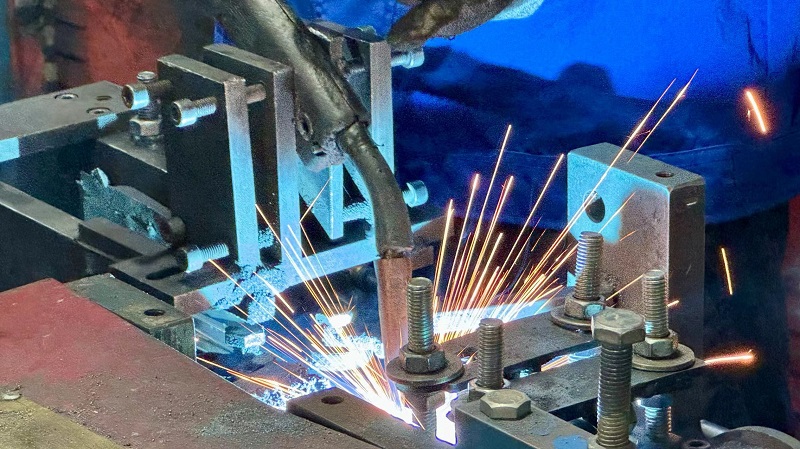
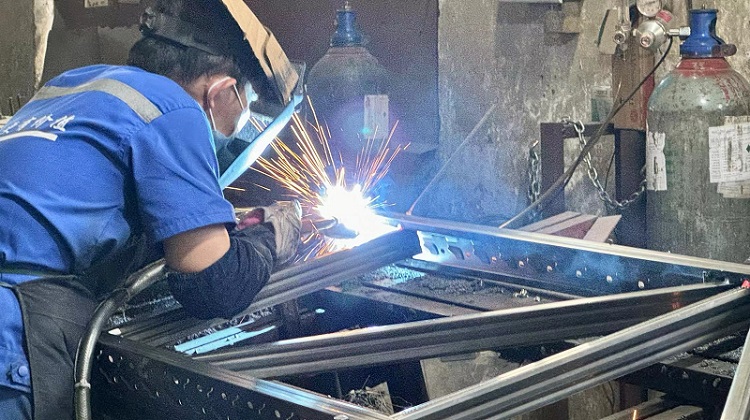
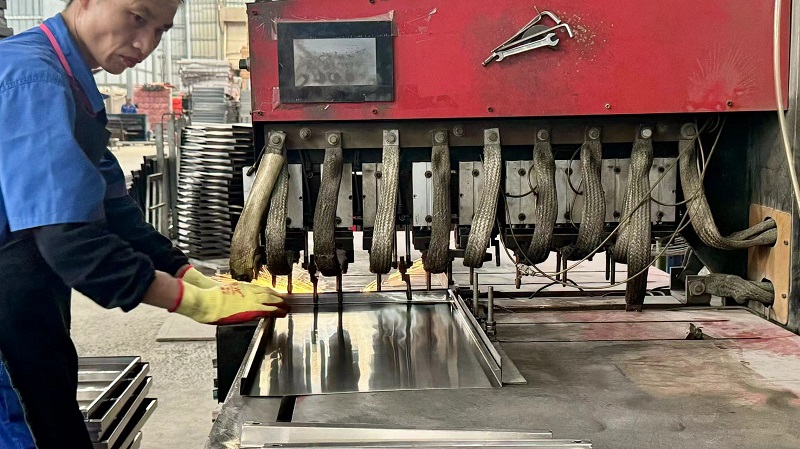
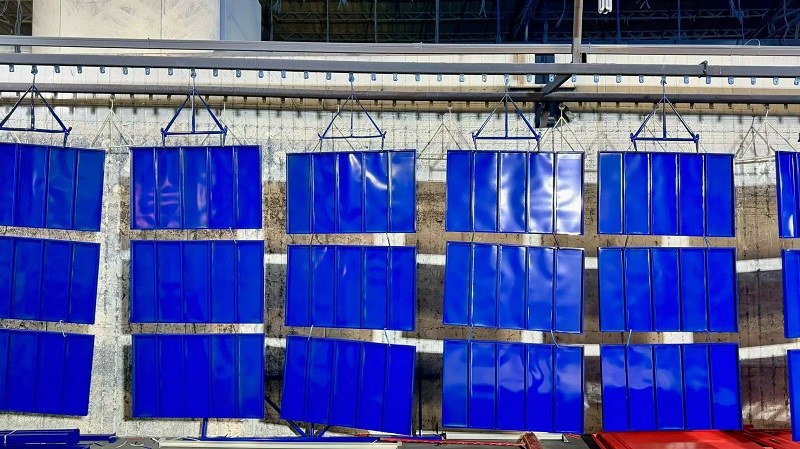
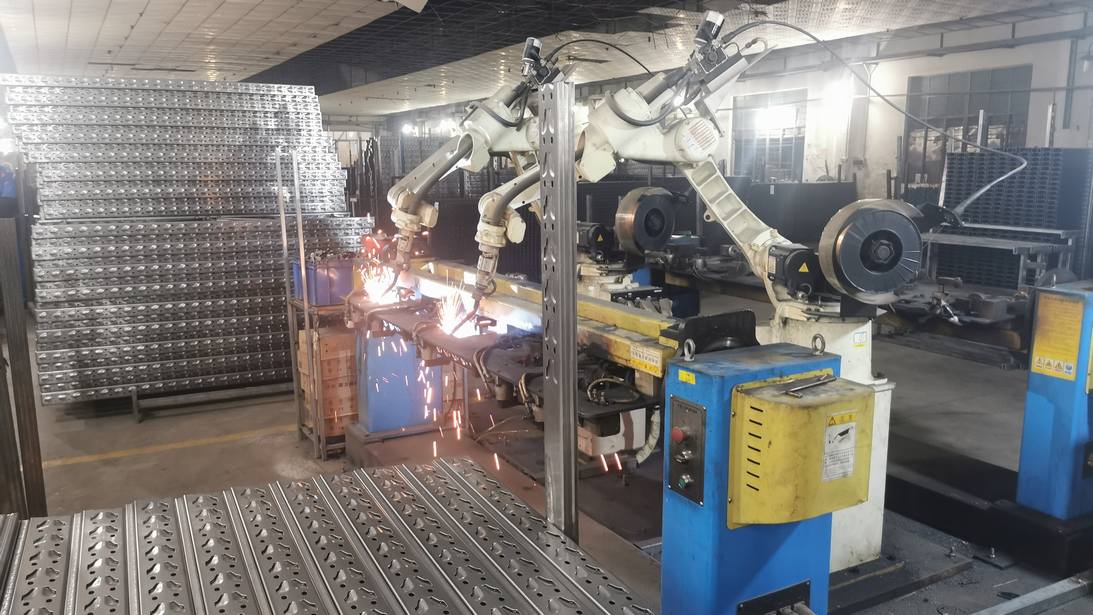
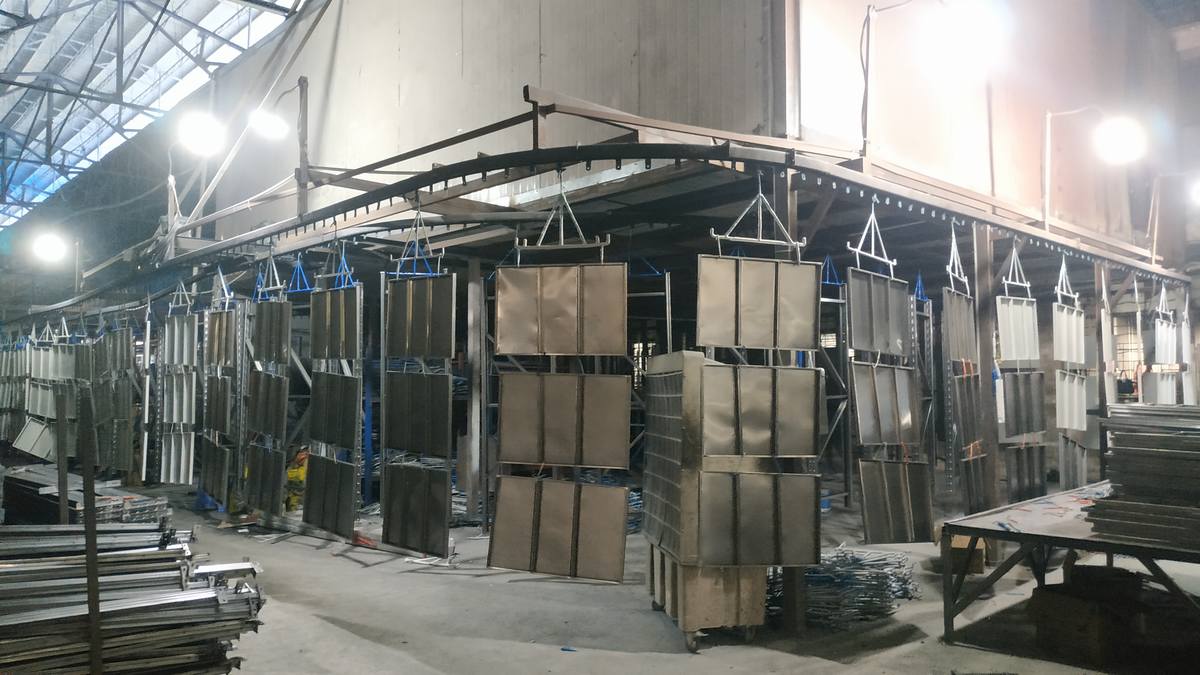
Quality and safety are at the core of our manufacturing philosophy. Backed by 35 dedicated full-time QC specialists, we execute rigorous quality control protocols across all production phases—including spectral raw material testing, ultrasonic weld inspection, dynamic load capacity testing, and automated powder-coating durability checks.
Driven by strong innovation, our internal R&D team consists of 18 experienced structural engineers. Last year alone, we successfully launched 45 new optimized racking designs. We offer extensive OEM/ODM customization options, including tailored load capacities, specific column profiles, seismic-resistant structures, and custom anti-corrosion surface treatments. Supported by an integrated network of over 850 reliable supply chain partners, Shenzhen Kimsuk delivers high-performance, cost-effective warehouse storage systems engineered to maximize your space utilization.
How top-tier racking systems are engineered for regional climates, distinct compliance frameworks, and diverse verticals.
Operating a warehouse system across different jurisdictions requires deep compliance capability. In the United States, rack manufacturers must comply with the Rack Manufacturers Institute (RMI) standards (specifically MH16.1), while in Europe, the EN 15512 standard governs cold-formed steel racking systems. In Australia, the AS4084 standard mandates rigorous testing for upright and beam design. High-quality manufacturers validate their profiles via static and dynamic structural loading simulation software (e.g., ANSYS, SAP2000) to match these complex structural demands.
Different industrial configurations require specialized structural solutions:
A crucial factor in global procurement is the local geotechnical analysis. Racks are calculated as independent buildings under various building codes. Professional manufacturers supply complete seismic design calculation packages including: base plate anchor force limits, concrete slab load calculations, and response spectrum analysis under high seismic activities.
Where the heavy-duty warehouse racking and storage system engineering is heading over the next decade.
Integrating strain gauges and laser distance sensors inside the upright profiles to monitor deflection, overload, and structural fatigue in real-time, feeding safety warnings directly to warehouse management software (WMS).
The rise of automated radio shuttles operating in deep lane tunnels is shifting conventional static racking designs. Manufacturers are building integrated shuttle rails with precise flatness tolerances to ensure rapid, error-free shuttle operation.
Developing dynamic baseplate isolation modules that act like shock absorbers during seismic shocks, reducing the lateral forces exerted on the racking frame and preventing pallet dislodgement.
In-depth technical answers addressing core queries of logistics managers and procurement directors.
 Kimsuk Rack