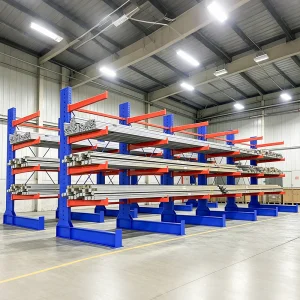
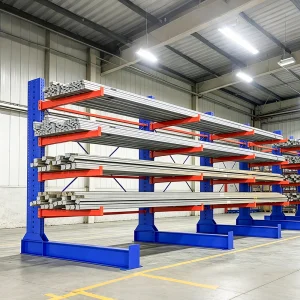
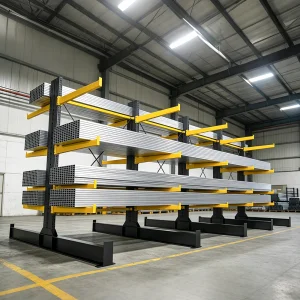
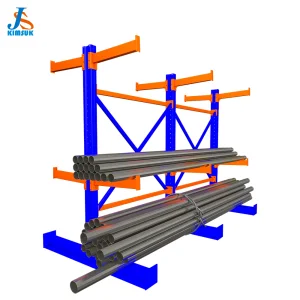
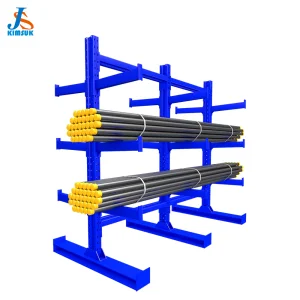
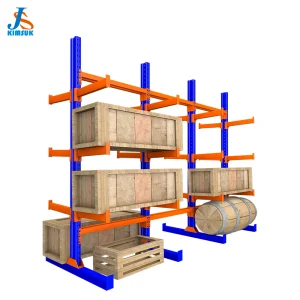
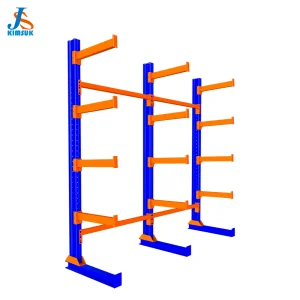
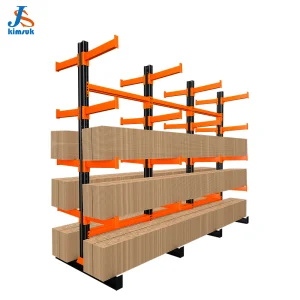
Optimized storage components built with Q355B high-tensile steel, offering modular adjustments and structural durability.
Modern supply chains require fast execution, optimal space utilization, and strict adherence to structural safety standards. In Japan's industrial landscape, space is highly valuable and geographic constraints pose seismic challenges. As a result, typical storage systems are not sufficient. To safely manage long materials, heavy steel sheets, pipes, tubing, and industrial components, operations need heavy-duty cantilever racks designed for high-density applications.
This document details the engineering specifications, localization policies, quality control processes, and market requirements for heavy-duty structural cantilever racks customized for Japanese distributors and logistics managers.
Japan is divided into seismic zones that require specific structural considerations. Standard racking configurations must be adapted to withstand base shear and transient lateral movements. We conduct Finite Element Analysis (FEA) to verify that each structural member—from base plate connections to arm-to-column locking systems—can handle dynamic shifts during seismic events without structural failure.
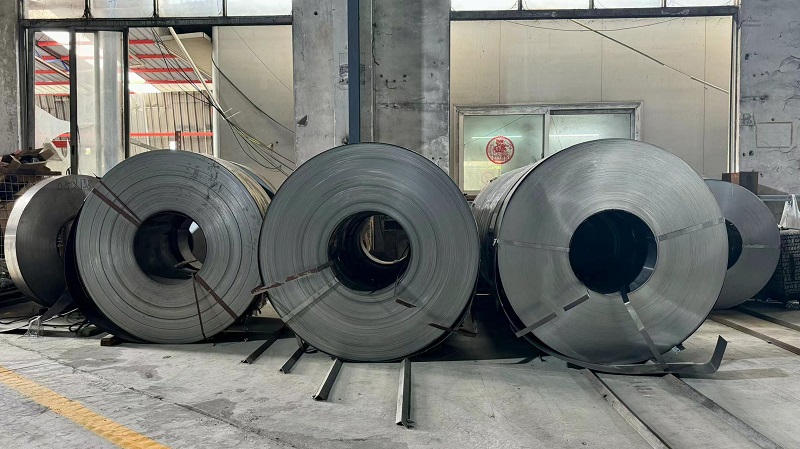
Our structures are manufactured using Q355B and Q235B structural grade steel. These materials are chosen for their high yield strength, elongation properties, and welding compatibility. By maintaining chemical consistency in our raw materials, we prevent micro-cracking and brittle failure under cold temperatures and heavy loading cycles.
Procurement in Japan requires compliance with localized standards. For warehouse racking systems, this means alignment with the Japan Industrial Standards (JIS) (specifically JIS G3101 for structural steel) and safety regulations from the Ministry of Land, Infrastructure, Transport, and Tourism (MLIT). Our cantilever rack profiles, base fixtures, and anchor connections are engineered to meet these performance benchmarks, allowing smooth approvals for facility designs.
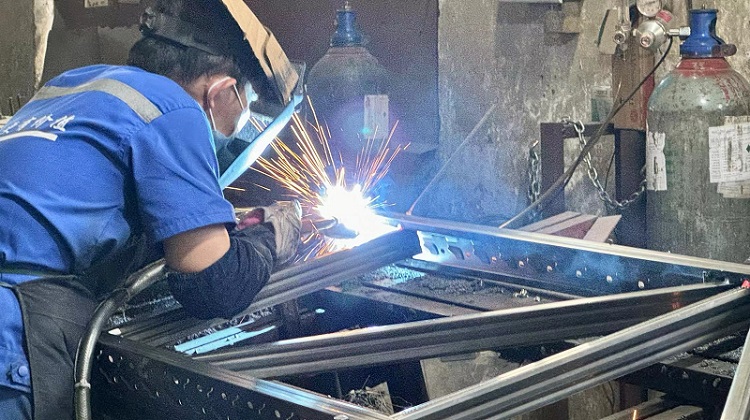
A look inside our modern 38,000 m² factory showing Kimsuk’s quality management processes.
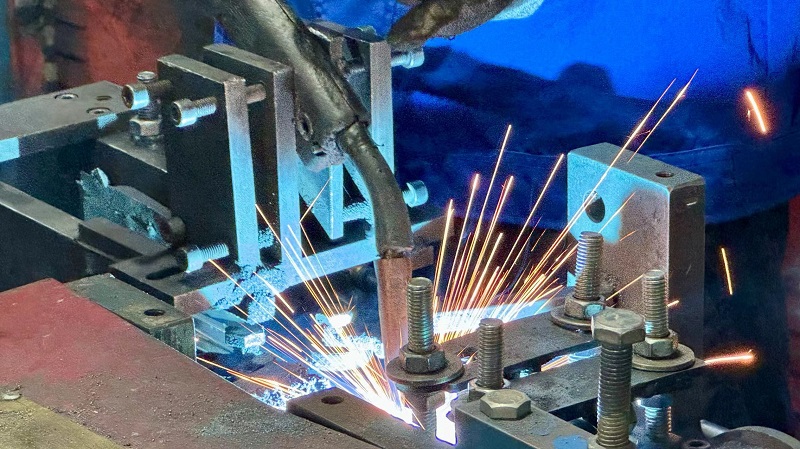
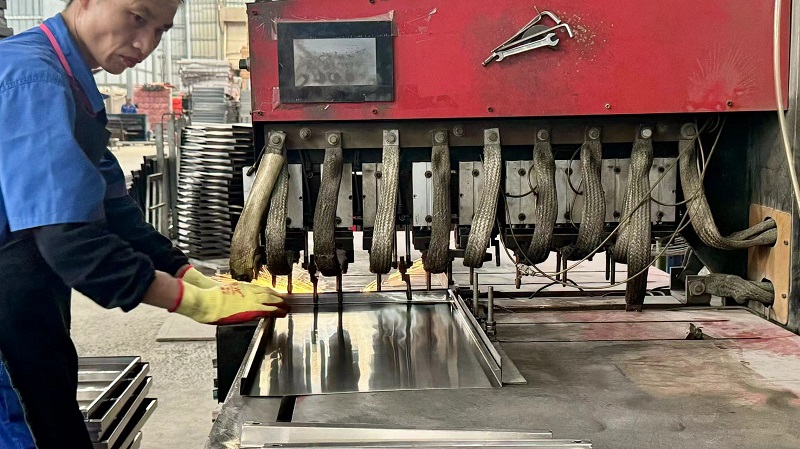
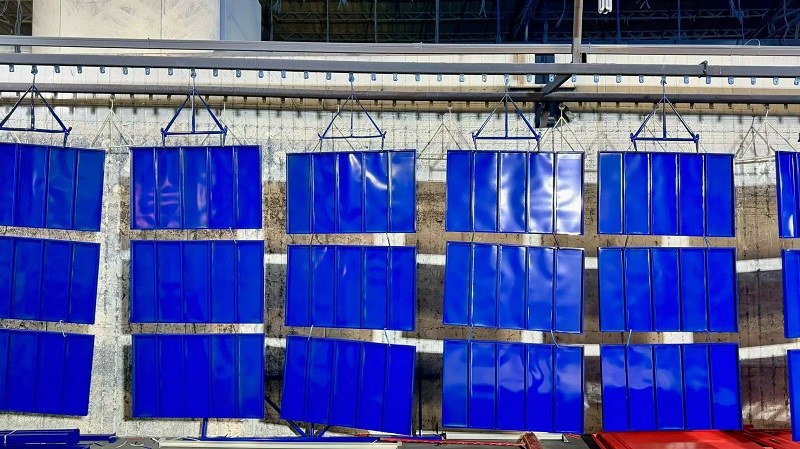
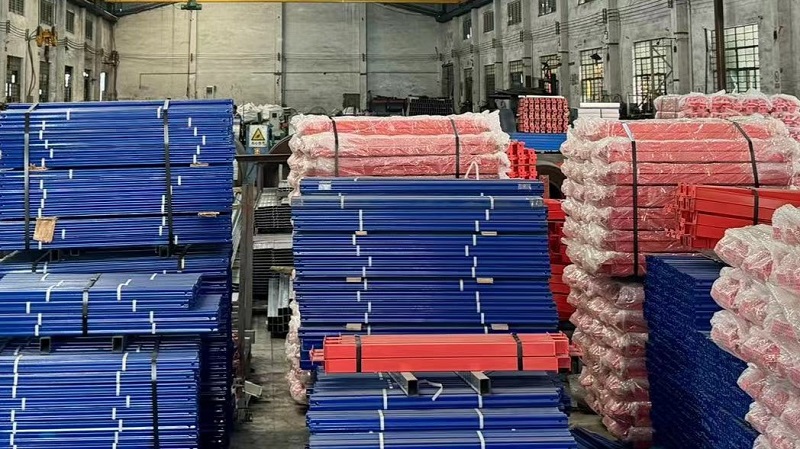
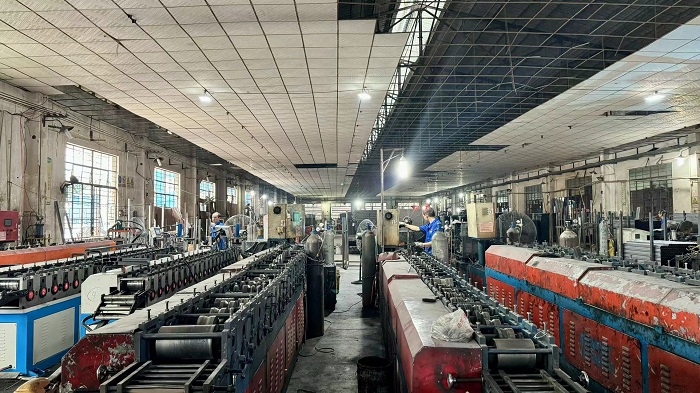
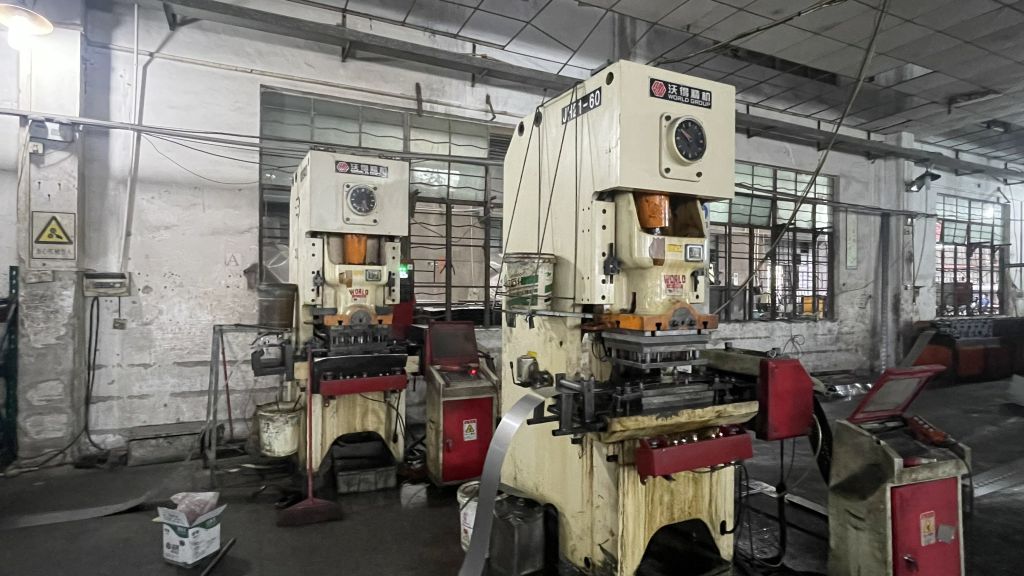
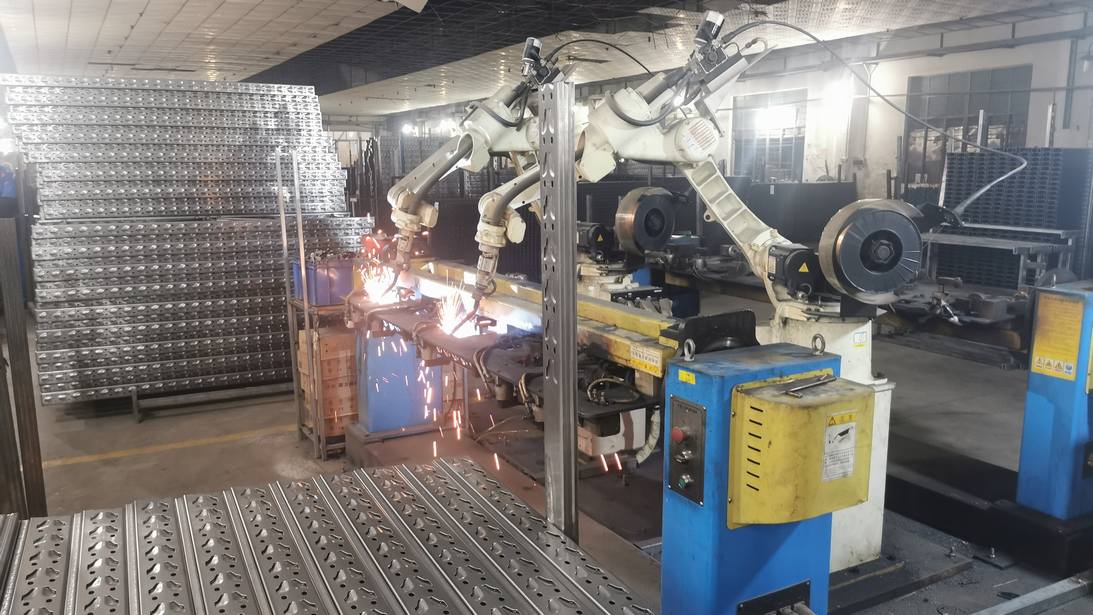
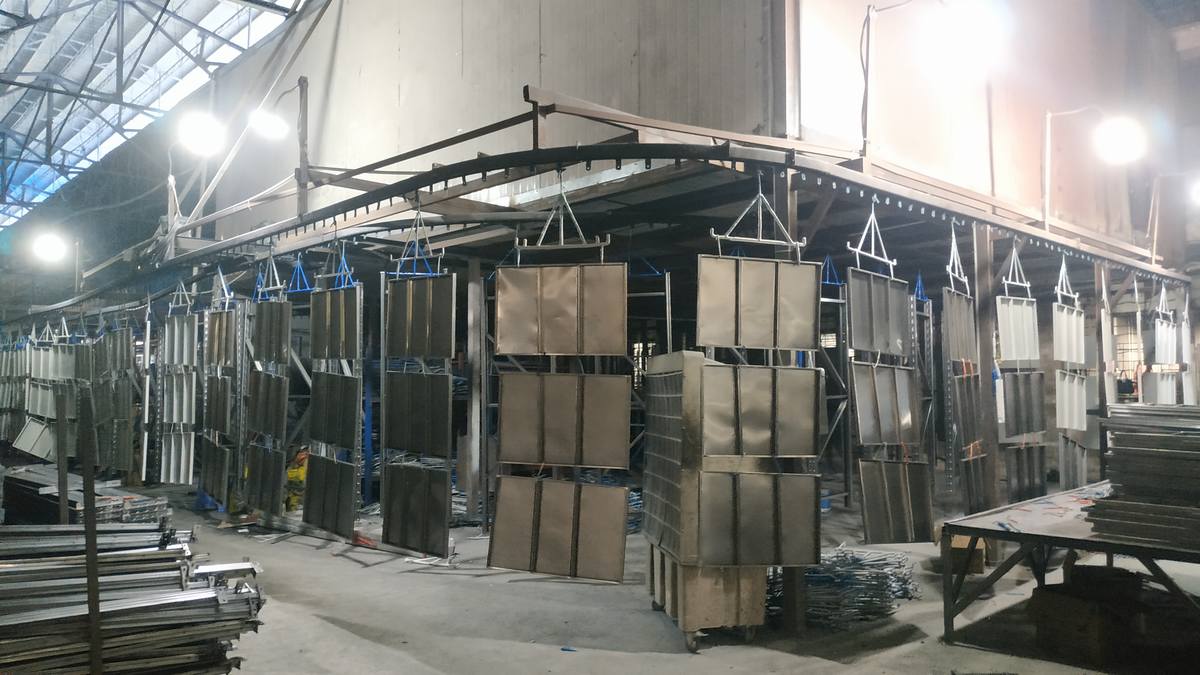
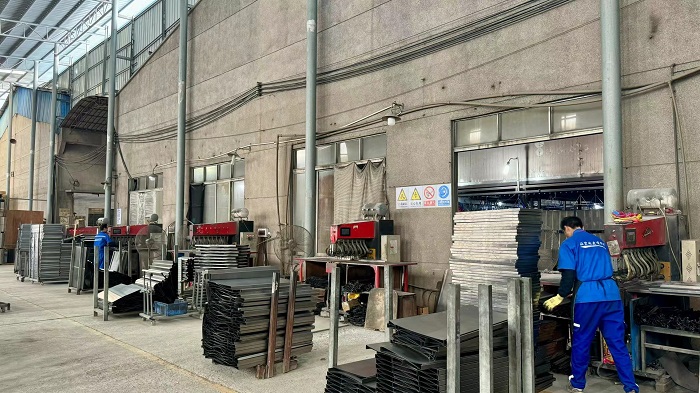
Multi-axis punching units for exact hole patterns along vertical upright posts.
Designed for harsh environments, manufacturing yards, and high-density material handling setups.
Cantilever racking requires detailed mechanical planning. Unlike standard pallet racks with front-to-back load supports, cantilever structures rely on single-point anchors for load stability. The arm connections must resist vertical shear stresses and rotational forces (bending moments) created by long, heavy items.
| Profile Specification | Material Grade | Yield Strength (MPa) | Typical Arm Capacity (kg) | Primary Industrial Use Case |
|---|---|---|---|---|
| Roll-Formed Light | Q235B Steel | 235 | 300 - 800 | Plastics, conduit piping, copper tubes |
| Roll-Formed Medium | Q355B Steel | 355 | 800 - 1,500 | Softwood lumber, metal tubes, auto frames |
| Structural H-Beam | Q355B Heavy Steel | 355 | 1,500 - 4,500+ | Heavy steel plates, coils, raw structural beams |
High-capacity configurations designed for heavy materials, raw steel inventory, and specialized warehouse requirements.
Managing the procurement of heavy warehouse equipment from mainland China factories to installations in Osaka, Yokohama, or Tokyo requires close logistics oversight. Shenzhen Kimsuk Storage Equipment Manufacturing Co., Ltd. coordinates this process from our 38,000 m² facility located near major shipping hubs.
We use our local proximity to Shenzhen ports to arrange direct transport, shipping cargo to Japan's primary commercial harbors (Tokyo, Osaka, Nagoya) in 5 to 7 days.
All components are wrapped in heavy polyethylene and secured to steel-reinforced timber skids to prevent abrasions or warping during sea transit.
Our international trade office prepares import documentation, chemical steel mill certificates, and packing declarations to help prevent delays at Japanese customs.
Quality and structural integrity are central to our production. Our inspection process includes detailed checks at multiple stages:
The warehousing industry is shifting toward automated storage systems. Our engineers are updating our cantilever rack designs to support integration with automated material handling technologies:
Our heavy-duty frames are manufactured with tighter tolerance controls, allowing integration with automated crane systems and laser-guided vehicles (AGVs) designed to handle long loads.
Our multi-tier structures are designed to optimize vertical warehouse space. These systems allow configuration changes to match shifting inventory profiles.
Answers to common technical, logistics, and compliance questions about cantilever racking installations in Japan.
Contact our engineering team to receive a tailored layout proposal, seismic structural calculations, and a competitive quotation for your warehousing facilities.
 Kimsuk Rack