Engineered for high-density warehouse environments, structural longevity, and maximum load capacity configurations.

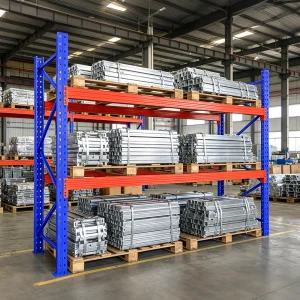
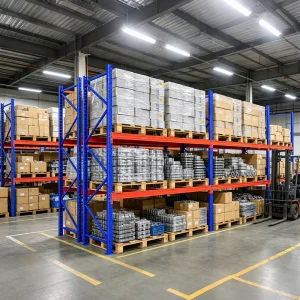


In modern industrial facilities, warehousing networks, and automated distribution systems, material handling logistics represent more than simple physical movement. They constitute a critical operational lever directly influencing cycle times, inventory management efficiency, and workspace ergonomics. High-performance industrial storage trolleys and customized mobile racking structures serve as the structural backbone of this framework. They bridge the gap between fixed-asset pallet storage systems and highly dynamic assembly zones.
For procurement officers, logistics engineers, and operations managers worldwide, purchasing structural storage equipment involves navigating strict quality, durability, and cost metrics. Achieving optimal space utilization while maintaining maximum workspace safety requires high levels of manufacturing expertise. This whitepaper analyzes the technical standards, fabrication parameters, material configurations, and engineering methodologies defining industrial-grade storage trolleys. It evaluates how Chinese manufacturing expertise enables high levels of OEM/ODM customization and structural reliability for global distribution.
"The integration of structural integrity and ergonomic configuration in mobile storage platforms directly impacts distribution efficiency. Modern industrial trolleys are no longer simple mechanical structures; they are dynamic material handling modules built to survive challenging warehouse duty cycles."
Proven reliability, advanced technological integration, and structural validation in high-density material handling systems.
Established in 2015, Shenzhen Kimsuk Storage Equipment Manufacturing Co., Ltd. is a leading industrial warehouse storage systems manufacturer headquartered in Shenzhen, China. Operating from a modern 38,000 m² production facility, we specialize in high-density pallet racking, mezzanine systems, and customized logistics storage solutions for global enterprises.
With over 11 years of deep industry expertise and 8 years of direct international trade experience, Kimsuk generates over $22 million in annual export sales. Our primary overseas markets cover North America, Western Europe, Southeast Asia, and the Middle East, serving heavy-duty distributors, logistics hubs, e-commerce fulfillment centers, and industrial manufacturing plants.
Quality and safety are at the core of our manufacturing philosophy. Backed by 35 dedicated full-time QC specialists, we execute rigorous quality control protocols across all production phases—including spectral raw material testing, ultrasonic weld inspection, dynamic load capacity testing, and automated powder-coating durability checks.
Driven by strong innovation, our internal R&D team consists of 18 experienced structural engineers. Last year alone, we successfully launched 45 new optimized racking designs. We offer extensive OEM/ODM customization options, including tailored load capacities, specific column profiles, seismic-resistant structures, and custom anti-corrosion surface treatments. Supported by an integrated network of over 850 reliable supply chain partners, Shenzhen Kimsuk delivers high-performance, cost-effective warehouse storage systems engineered to maximize your space utilization.
Examining supply chain integration, raw material availability, and manufacturing scalability.
China's industrial manufacturing network provides direct access to high-grade steel mills, automated hardware stamping components, and precision polyurethane caster producers, reducing supply-chain bottlenecks and component assembly delays.
Modern factories utilize multi-axis robotic welding cells, continuous CNC roll-forming machinery, and dynamic laser-cutting systems to maintain structural tolerances within +/- 0.5mm across high-volume production orders.
Leading Chinese exporters align design and structural calculations with strict international directives, including EN 15512, FEM standards, and regional seismic configuration requirements.
The global materials handling sector is undergoing a rapid transition toward automated, safe, and flexible systems. Key trends shaping procurement requirements include:
Comprehensive visual tracking of our internal production workflows, manufacturing machinery, and structural verification steps.
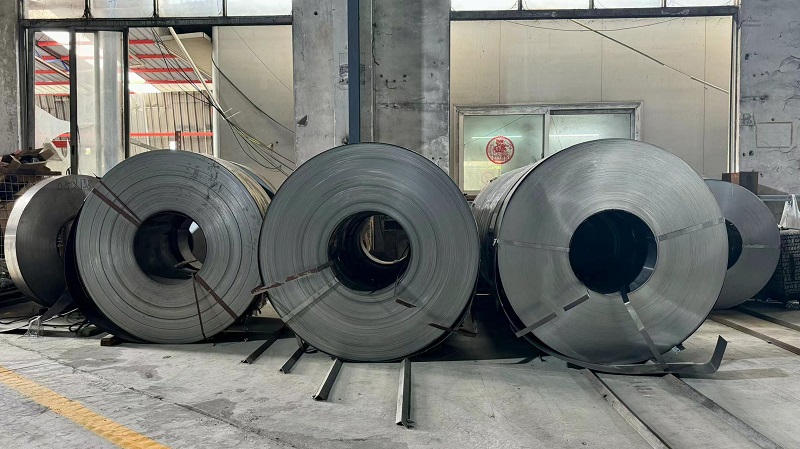
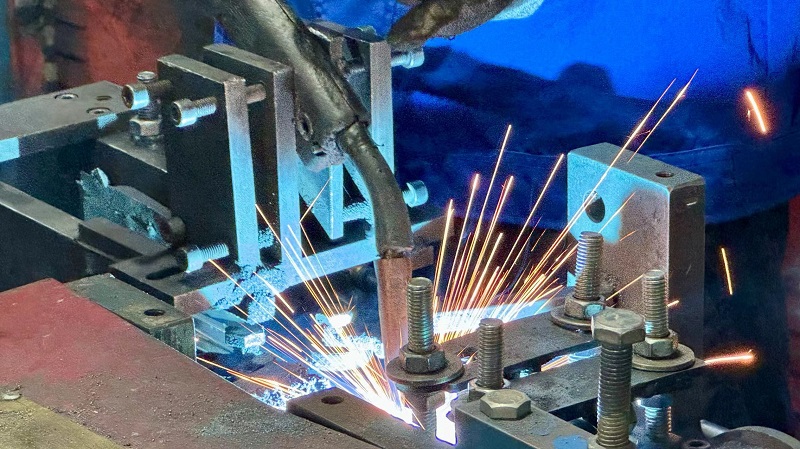
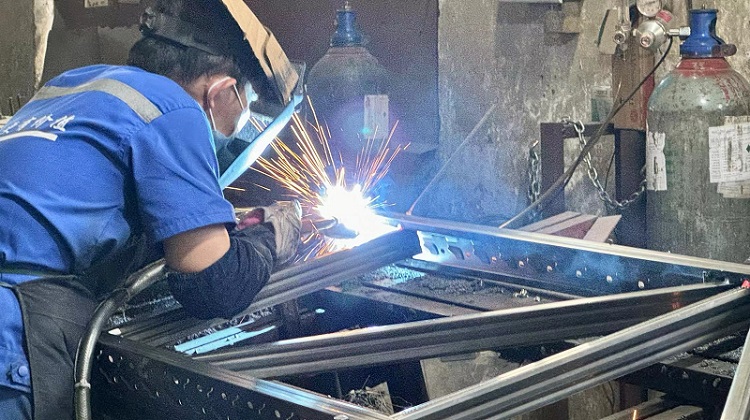
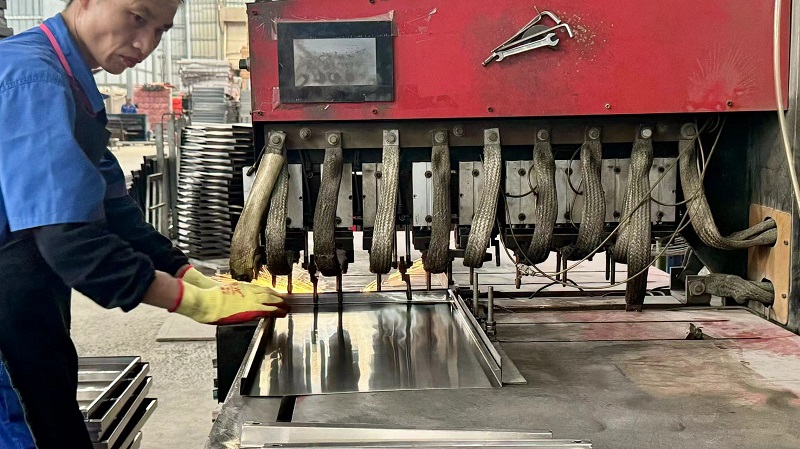
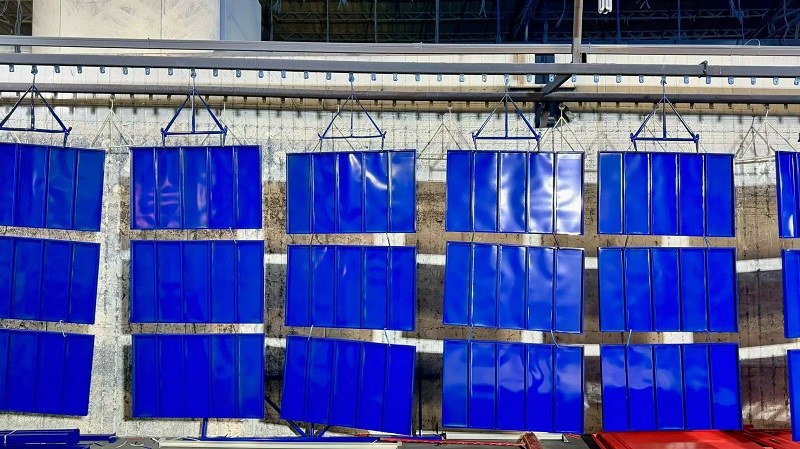
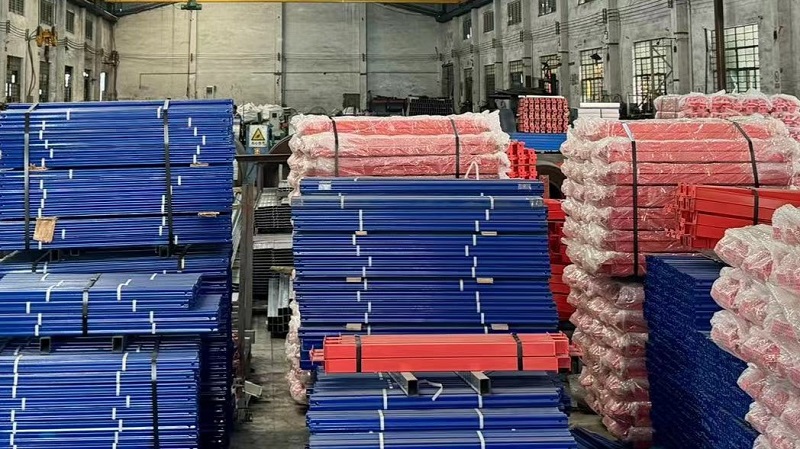
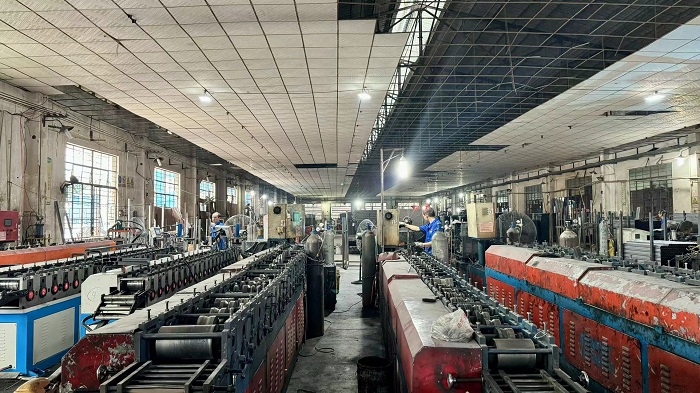
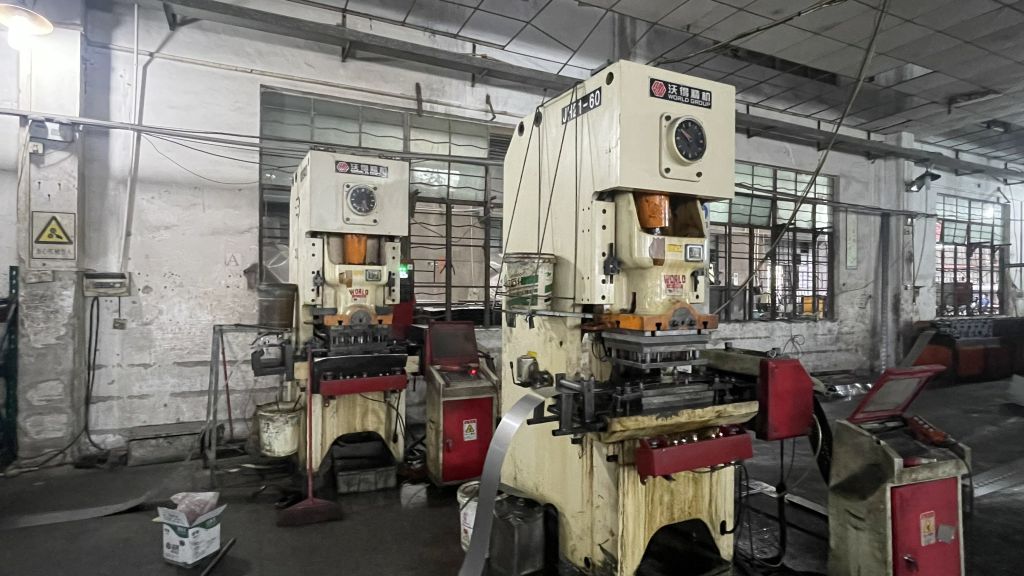
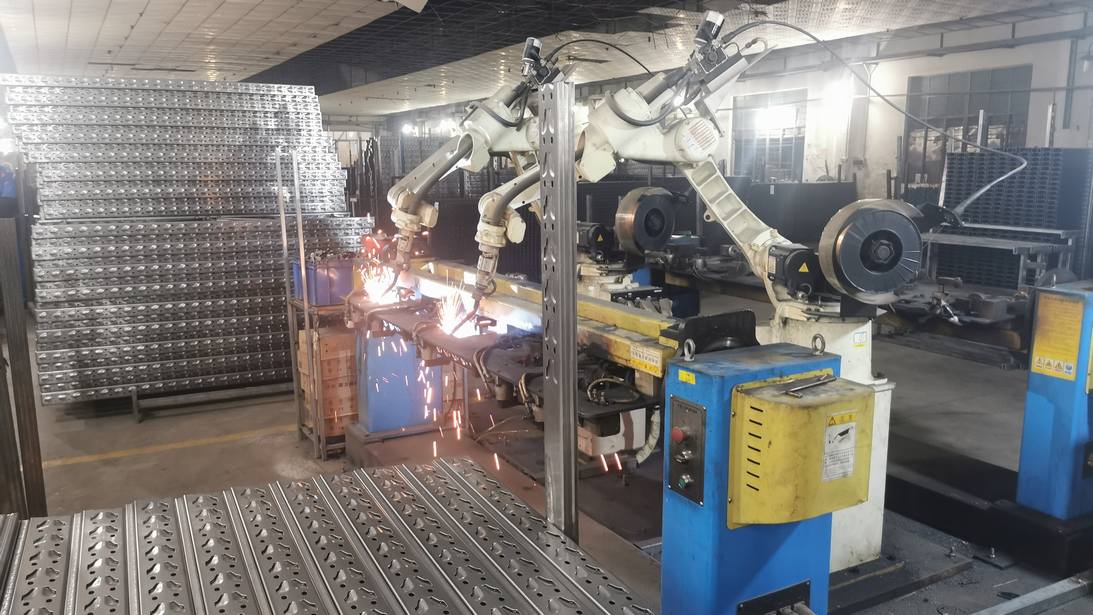
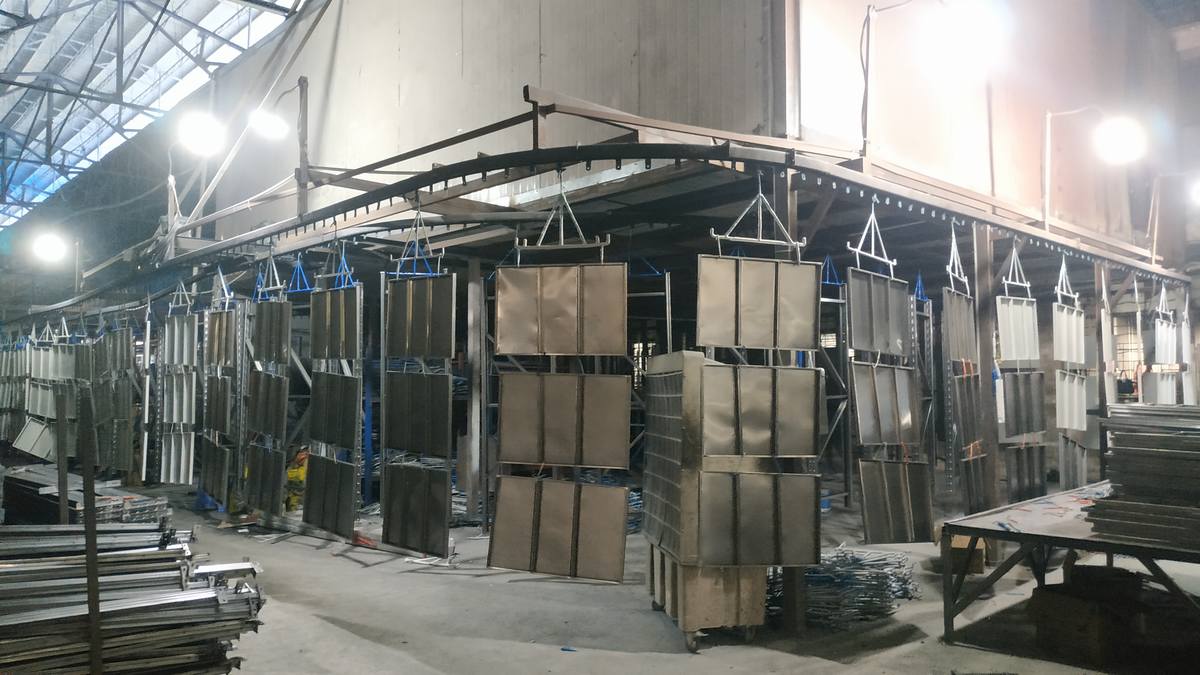
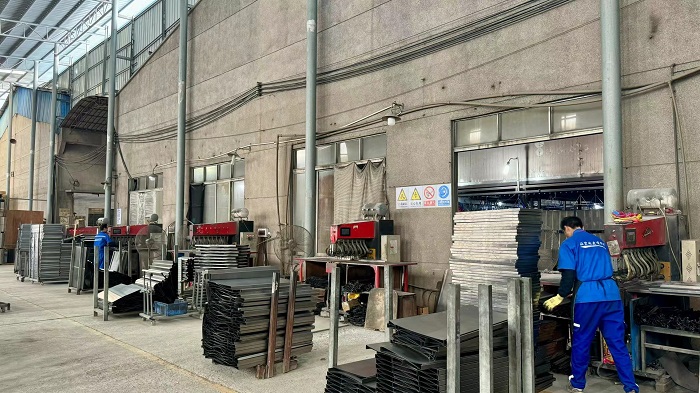
To assist procurement engineers in verifying manufacturing quality, our structural design division recommends evaluating the following parameters:
| Verification Criteria | Technical Requirement | Quality Inspection Standard |
|---|---|---|
| Steel Grade & Chemistry | Certified Q235B or Q355B carbon steel for structural components. | Material Mill Certificate & chemical analysis validation. |
| Weld Quality | Continuous shield gas welding (CO2/Argon mix) with uniform penetration. | Ultrasonic inspection and structural load testing. |
| Caster Configuration | Industrial ball-bearing casters with dynamic locks and polyurethane tread. | Roll-testing under 1.25x load capacity. |
| Finish Adhesion | Electrostatic thermoset powder coating with thickness of 60-80 microns. | ASTM D3359 Cross-cut tape adhesion testing. |
Detailed engineering explanations to clarify logistics system selection, customization, and factory operations.
Explore our structural storage inventory, engineered for logistics centers and heavy-duty manufacturing environments.

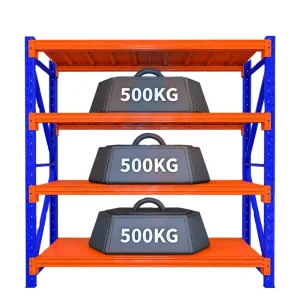

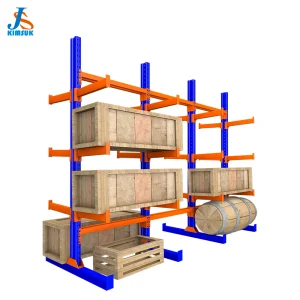


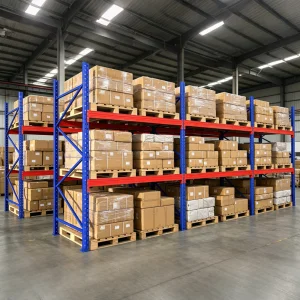
 Kimsuk Rack