Explore our structural steel warehouse shelving engineered for high dynamic load tolerances and optimized materials handling operations.



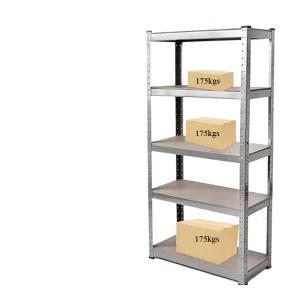
Established in 2015, Shenzhen Kimsuk Storage Equipment Manufacturing Co., Ltd. is a leading industrial warehouse storage systems manufacturer headquartered in Shenzhen, China. Operating from a modern 38,000 m² production facility, we specialize in high-density pallet racking, mezzanine systems, and customized logistics storage solutions for global enterprises.
With over 11 years of deep industry expertise and 8 years of direct international trade experience, Kimsuk generates over $22 million in annual export sales. Our primary overseas markets cover North America, Western Europe, Southeast Asia, and the Middle East, serving heavy-duty distributors, logistics hubs, e-commerce fulfillment centers, and industrial manufacturing plants.
Quality and safety are at the core of our manufacturing philosophy. Backed by 35 dedicated full-time QC specialists, we execute rigorous quality control protocols across all production phases—including spectral raw material testing, ultrasonic weld inspection, dynamic load capacity testing, and automated powder-coating durability checks.
Driven by strong innovation, our internal R&D team consists of 18 experienced structural engineers. Last year alone, we successfully launched 45 new optimized racking designs. We offer extensive OEM/ODM customization options, including tailored load capacities, specific column profiles, seismic-resistant structures, and custom anti-corrosion surface treatments. Supported by an integrated network of over 850 reliable supply chain partners, Shenzhen Kimsuk delivers high-performance, cost-effective warehouse storage systems engineered to maximize your space utilization.
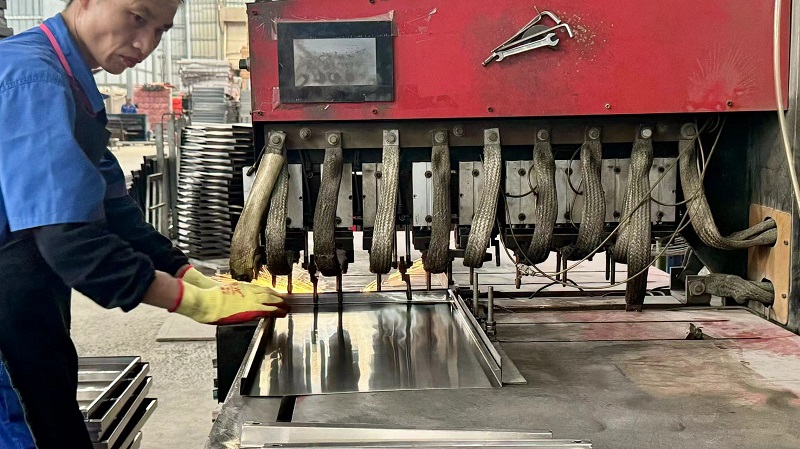
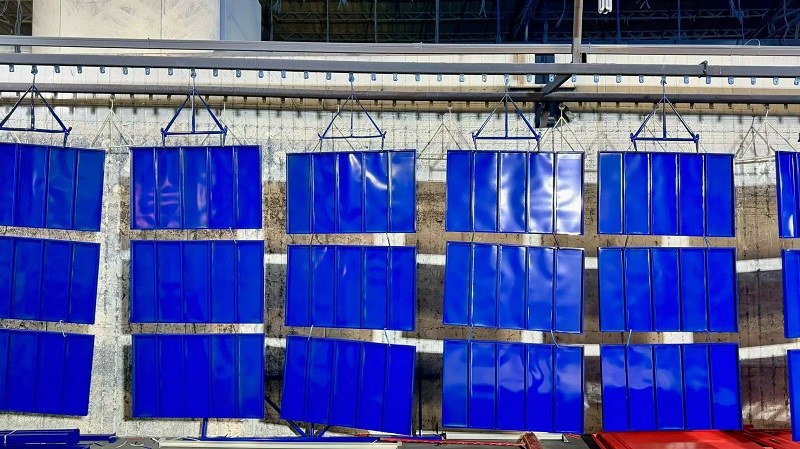
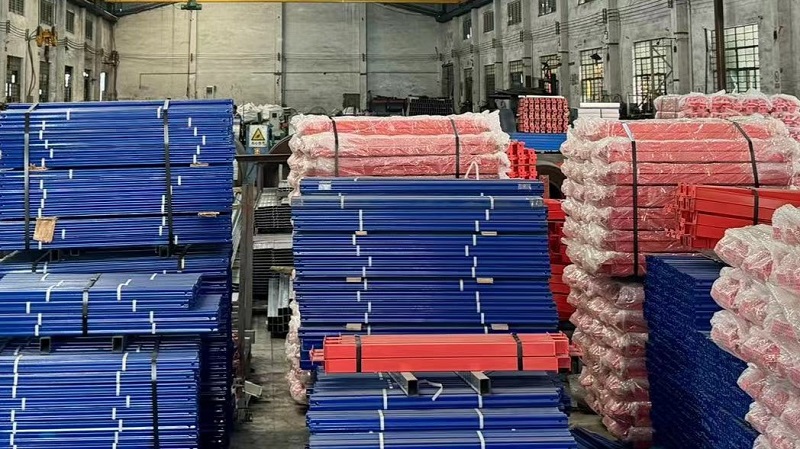
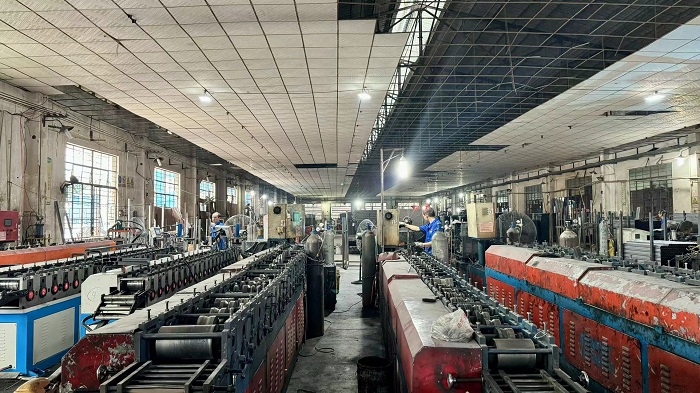
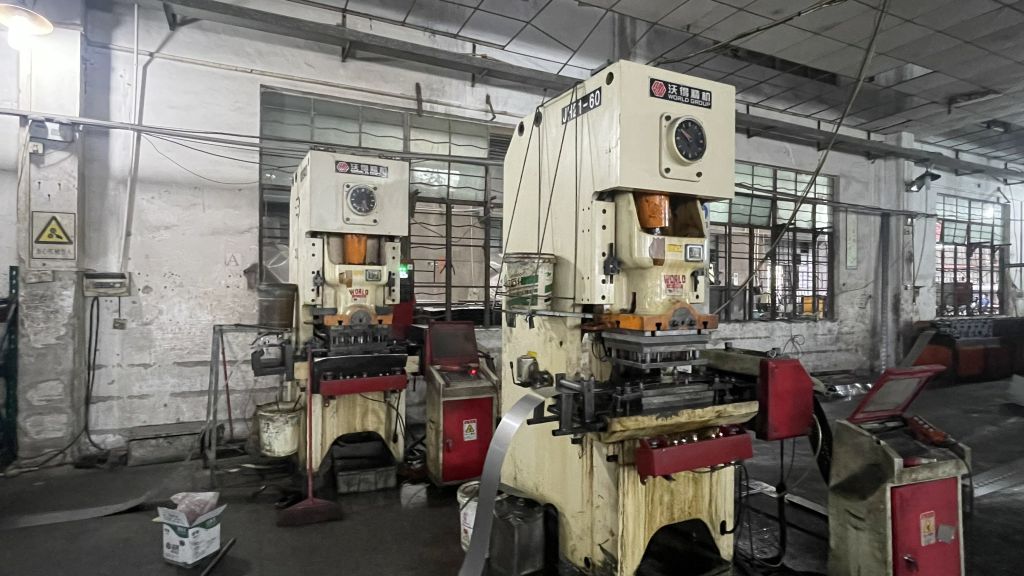
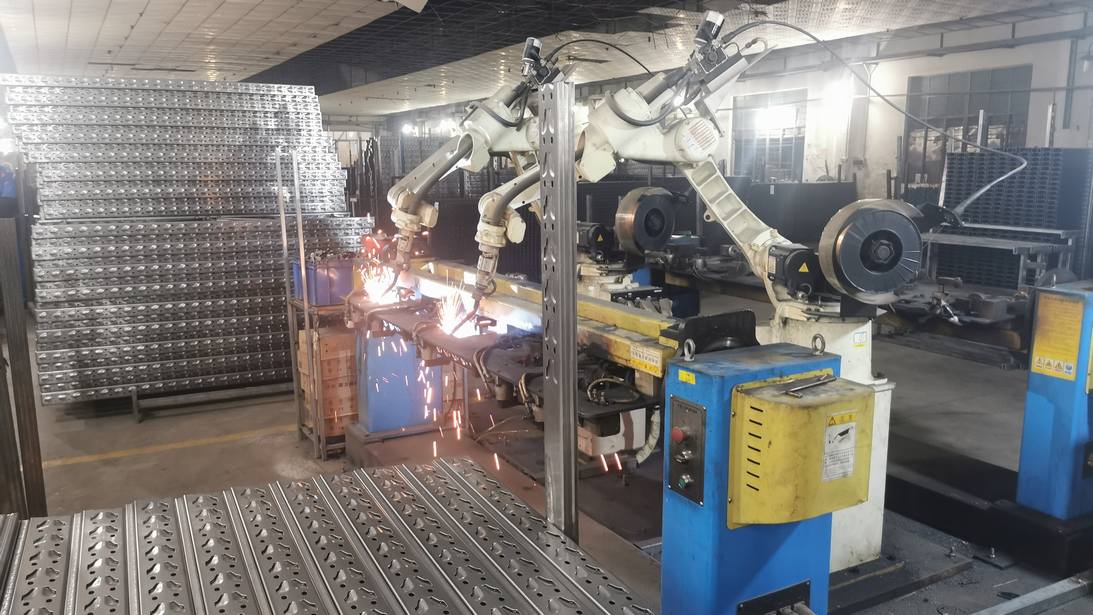
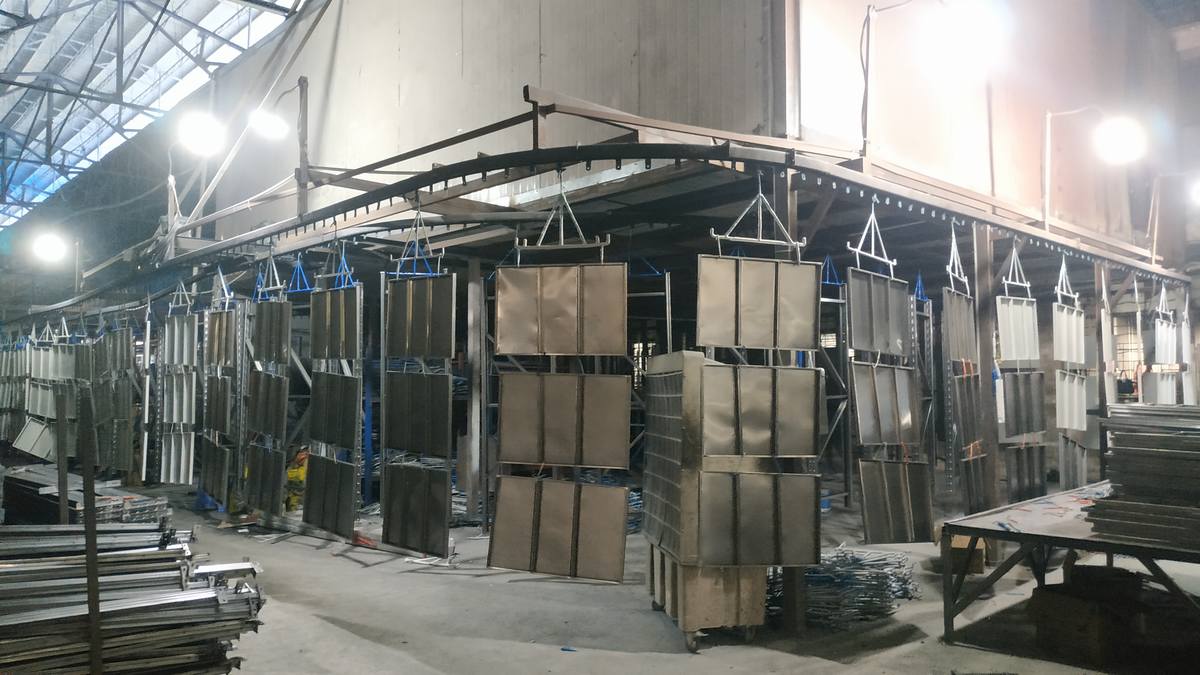
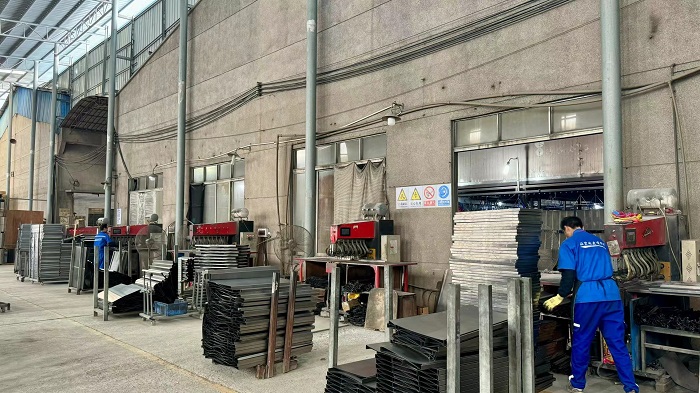
From raw material selection to automated finishing, explore our production steps and machinery that define manufacturing precision.
Analyzing the architectural shifts from lateral footprint expansion to vertical spatial optimization across modern distribution corridors.
Industrial real estate prices have climbed 45% globally since 2020. Logistics hubs are forced to densify existing facilities rather than acquire more land footprint. Vertical Lift Storage Modules (VLMs) and advanced vertical structural racking solutions allow operators to recover up to 85% of standard footprint areas by maximizing high-overhead clearance configurations.
Modern distribution facilities deal with fluctuating SKU configurations. Rigorous engineering systems require adaptive static and dynamic load capacity controls. Deploying structural racking capable of holding up to 5,000kg per layer safely guarantees system longevity, preventing beam deflection even under maximum load profiles over decades of constant operations.
Integration with Warehouse Management Systems (WMS) and automated material handling equipment (such as stacker cranes and AGVs) turns static shelves into high-throughput storage networks. The transition ensures swift order picking, eliminates human errors, and creates a seamless interface for modern intelligent distribution networks.
How localized configurations drive throughput and regulatory compliance across diverse vertical markets.
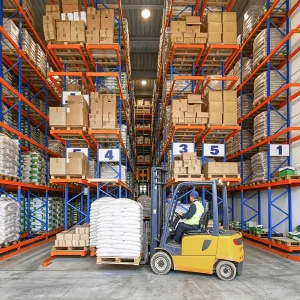
High turnover rates and massive SKU counts require highly dynamic, error-free sorting. Selective pallet racking systems and multi-tier mezzanines maximize localized storage cells. This allows ground crews and picking bots to fulfill high-frequency multi-item orders efficiently while slashing transit distances within the facility.
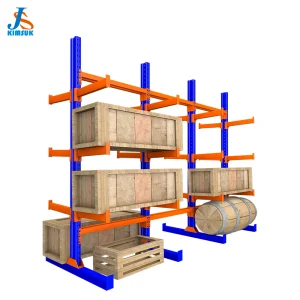
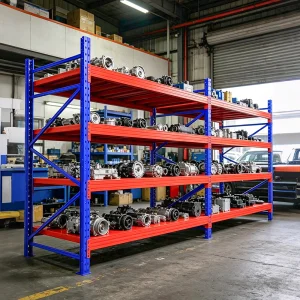
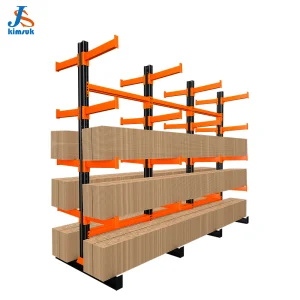
Handling heavy metal castings, structural components, and miniature fasteners requires diverse weight configurations. Heavy-duty cantilevered systems and customized battery racks support uneven distribution. They maintain structural balance under high point loads and permit easy forklift access for specialized components.
Temperature-controlled zones incur extreme operational costs per cubic meter. High-density racking systems, such as double-deep configurations, minimize unused airspace. Specialized anti-corrosive powder finishes survive condensation cycles and extreme cold down to -30°C without paint peeling, ensuring sanitary safety standards.
The storage industry is transitioning from passive steel components to active sensor-enabled structures. Our current research initiatives outline key technologies that will shape future inventory hubs:
Sensors integrated within primary structural support beams measure deformation profiles. This continuously feeds diagnostic safety data to supervisors before safety thresholds are exceeded.
By analyzing historical throughput patterns, integrated platforms dynamically recommend shelf locations based on weight profiles and picking frequency, minimizing mechanical energy wear.
Adapting to global seismic zones requires dynamic mechanical dampening bases, isolated footing options, and structural cross-bracing optimized through localized finite element analysis (FEA).
By utilizing VOC-free (volatile organic compound) electrostatic thermosetting powder formulations, our structural profiles release zero toxins into the environment. They maintain maximum scratch resistance and offer structural resilience of over 10 years in volatile industrial environments.
Analyzing the industrial cluster benefits, raw material access, and global shipping access that make China's supply chains resilient.
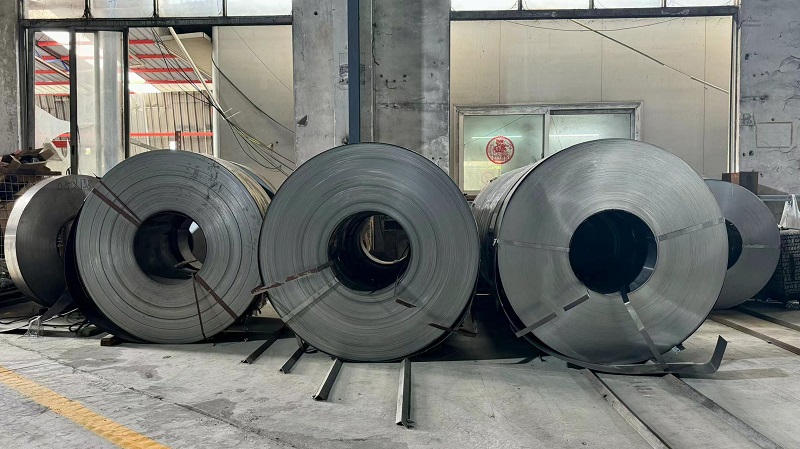
With direct pipeline agreements with state-owned steel mills, we secure premium grade Q235B and Q355B structural steel at stable pricing. This immunizes global buyers against local commodity spikes and ensures consistent chemical structural integrity batch after batch.
Based in Shenzhen, our manufacturing facility enjoys direct routes to Shenzhen Port and Guangzhou Port. This localized highway infrastructure cuts container trucking times to less than three hours, allowing fast custom clearance and reliable ocean transit windows.
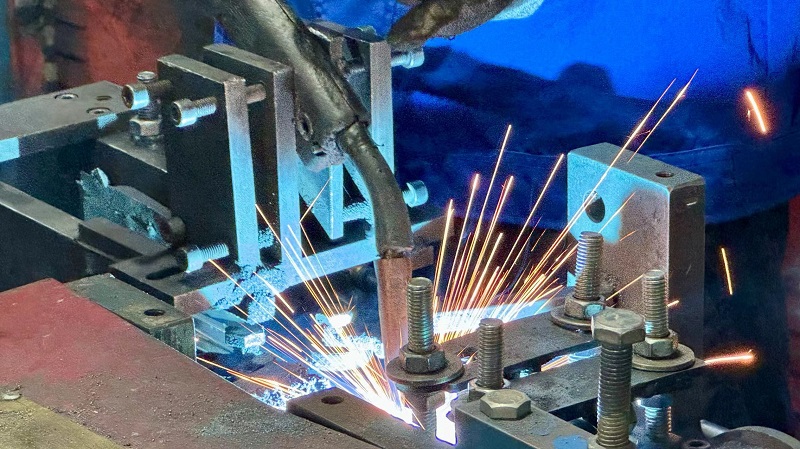
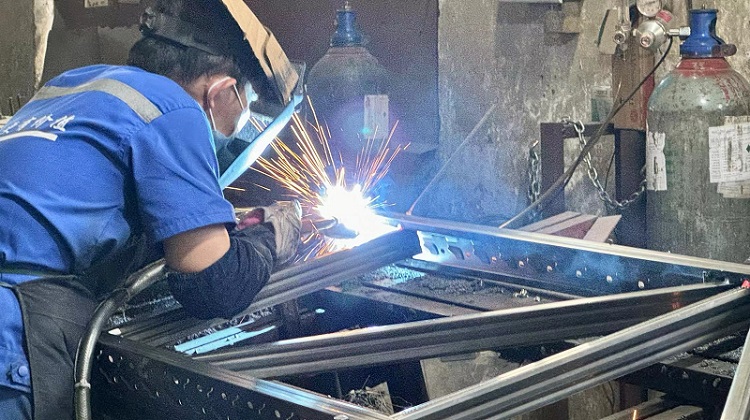
From raw steel coil slitting, roll forming, and stamping, to manual welding and automated surface coating—every step is completed in-house. Removing intermediate suppliers maintains direct oversight and saves significant lead-time.
Ensuring mechanical systems strictly satisfy local building codes and design parameters across international jurisdictions.
Engineered structures explicitly tested against Australia's steel storage standards, ensuring frame integrity under dynamic horizontal load conditions.
Configured to American Rack Manufacturers Institute specifications, ensuring stability and safety across heavy-duty US logistics networks.
Conforming with European Federation of Materials Handling directives. This covers design parameters for commercial and industrial shelving systems.
Certified quality management systems govern the entire manufacturing process, from auditing materials to documenting shipment batches.
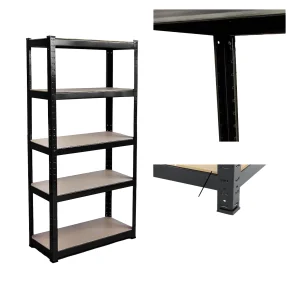
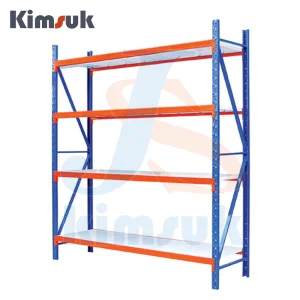
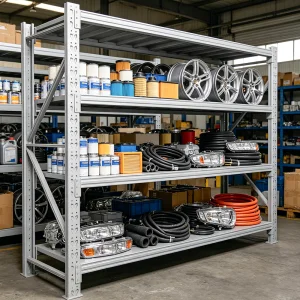
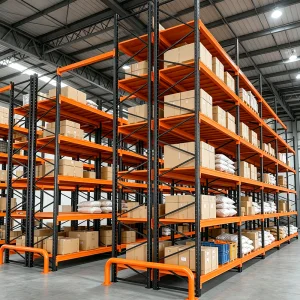
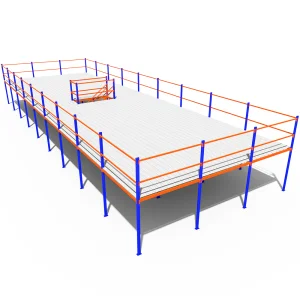
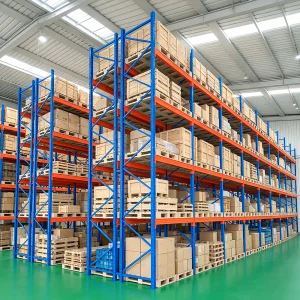
Explore our full line of selective structural racks, space-saving mezzanine solutions, and light-to-heavy shelving designs.


Get authoritative answers on engineering specifications, delivery cycles, and customization options directly from our technical team.
 Kimsuk Rack