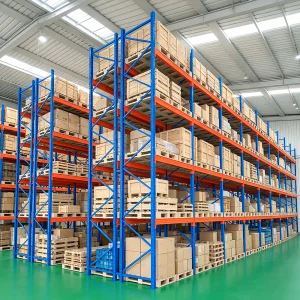
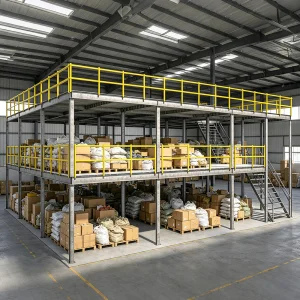
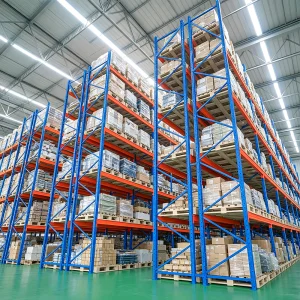
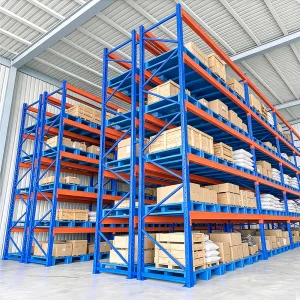
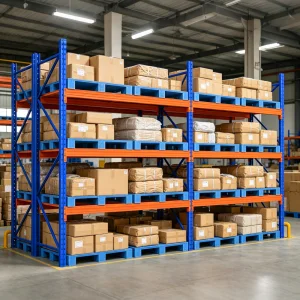
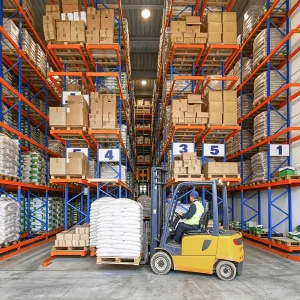
Select, high-performance pallet racking and vertical space utilization platforms designed to meet localized warehousing regulations in Korea.
An analytical breakdown of storage demand drivers in Seoul, Incheon, Busan, and major industrial hubs.
The South Korean logistics market is undergoing a structural paradigm shift. Driven by the dense consolidation of urban populations in the Seoul Capital Area (SCA) and the meteoric rise of hyper-speed e-commerce systems, warehouse operators are running out of horizontal footprint. Consequently, the demand for vertical storage structures, specifically high-density selective pallet racking, multi-tier mezzanine floors, and automated storage/retrieval system (AS/RS) interfaces, has grown exponentially.
Furthermore, South Korea's geography requires strict adherence to localized engineering guidelines. Manufacturers importing storage racks to South Korea must address seismic compliance, strict fire protection regulations (including in-rack sprinkler compatibility), and high structural steel quality grades. In coastal hubs like Incheon and Busan, anti-corrosion finishes (such as hot-dip galvanization and advanced epoxy powder coating) are mandatory due to high humidity and salt exposure.
Racking systems deployed in South Korea must withstand regional seismic forces. Shenzhen Kimsuk utilizes structural analysis software to optimize heavy-duty racking frames, integrating thick baseplates and high-tensile anchor bolts that meet Korean Building Code (KBC) standards.
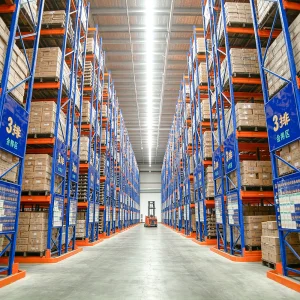
With sub-24-hour delivery expectations across Gyeonggi-do, warehouse configurations are shifting from bulk storage to fast-turnover, multi-level selective and carton flow systems to facilitate rapid item retrieval.
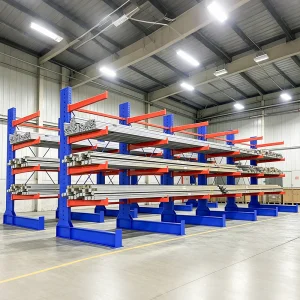
From automotive parts in Ulsan to shipyard equipment storage in Busan, heavy-duty cantilever racks and structural steel shelving units are engineered to hold loads exceeding 3,000 kg per level safely.
Procuring industrial racking directly from high-capacity manufacturers in China offers global enterprises and Korean operators a competitive edge. Shenzhen Kimsuk Storage Equipment Manufacturing Co., Ltd. operates a 38,000 m² modern manufacturing plant that leverages China's industrial automation and raw steel procurement advantages to control costs without sacrificing material integrity.
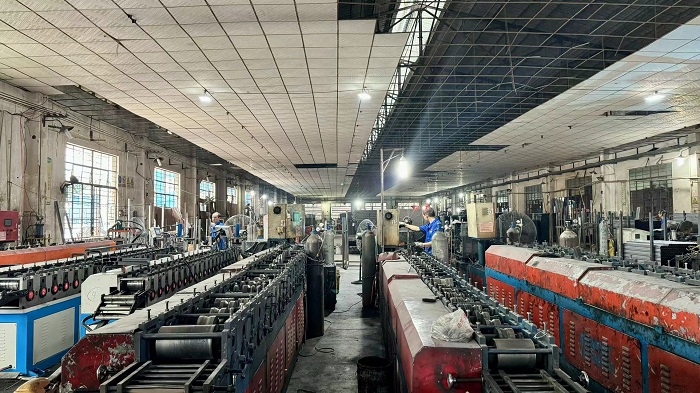
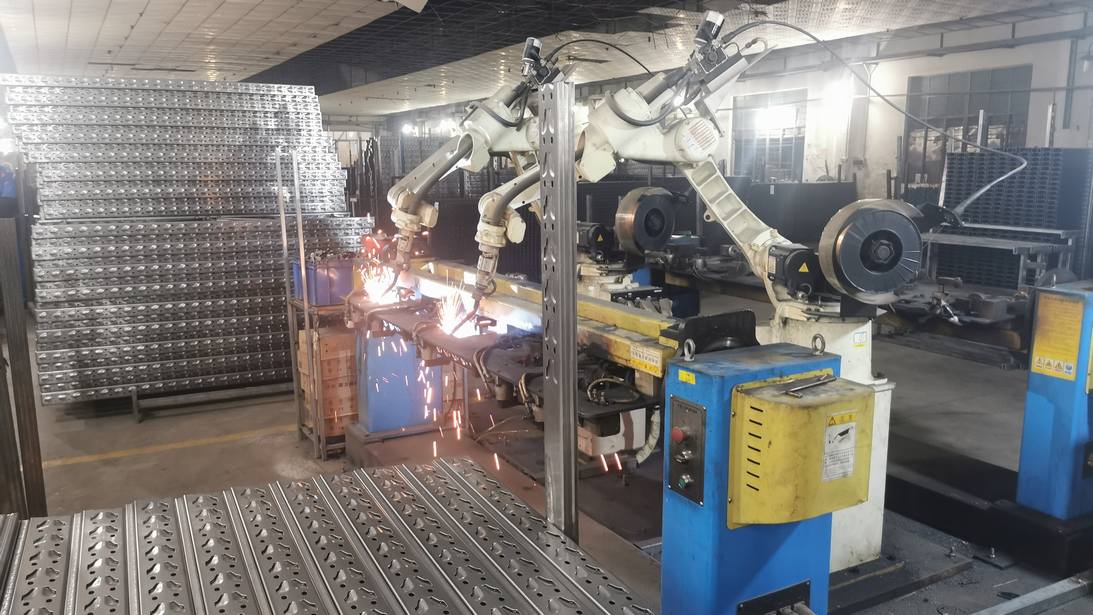
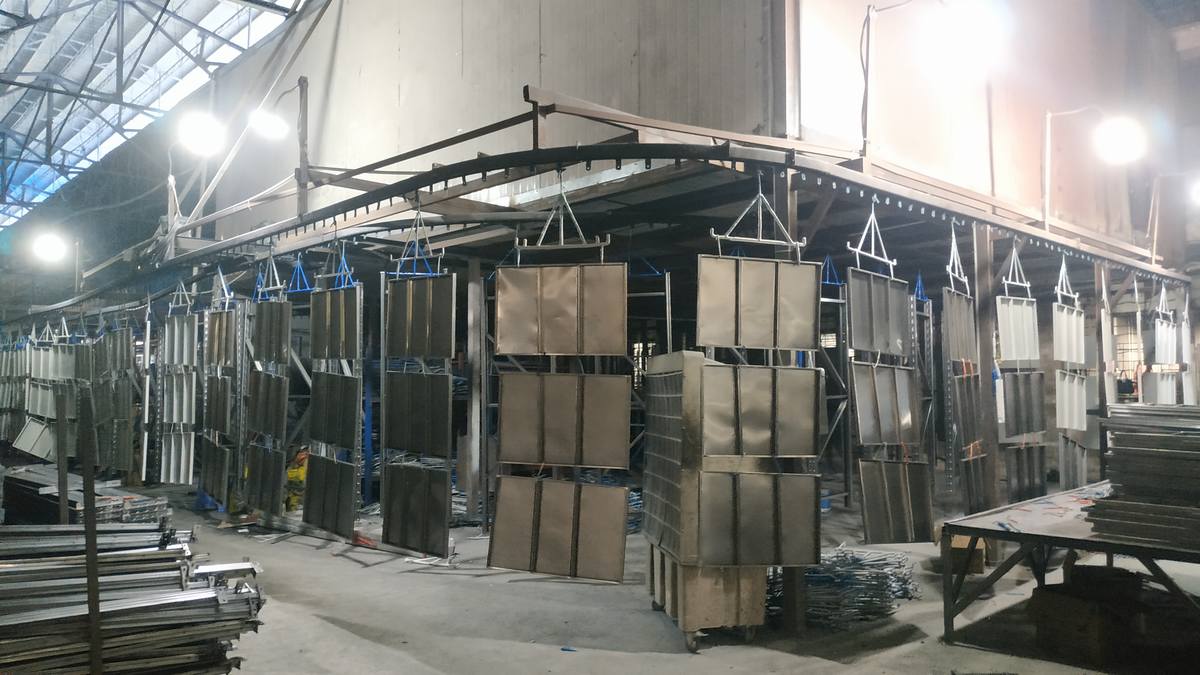
By implementing advanced Industry 4.0 manufacturing processes, such as continuous automatic roll-forming, robotic welding stations, and automated electrostatic powder coating lines, Kimsuk maintains absolute consistency in structural tolerance. This is especially critical for racking systems intended to interface with Automated Guided Vehicles (AGVs) and stacker cranes, where even a 2mm structural deviation can disrupt automated sensors.
| Storage Racking Parameter | Kimsuk Standard (Export Grade) | Typical Market Standards | Relevance to South Korean Buyers |
|---|---|---|---|
| Raw Steel Grade | High-tensile Q235B & Q355B Steel | Standard Low-carbon Steel | Ensures high dynamic and static load bearing limits under seismic stress. |
| Coating Thickness | 60-80 microns epoxy powder coating | 40-50 microns standard coating | Prevents moisture damage in coastal ports like Busan and Incheon. |
| Structural Safety Factor | 1.5 to 1.65 (FEM / RMI compliant) | 1.3 to 1.4 basic structural safety | Exceeds standard occupational safety requirements for major distribution sites. |
| Seismic Footing | Custom heavy-duty baseplates & expansion bolts | Standard thin-gauge base plates | Meets domestic building stability criteria under seismological conditions. |
Established in 2015, Shenzhen Kimsuk Storage Equipment Manufacturing Co., Ltd. is a leading industrial warehouse storage systems manufacturer headquartered in Shenzhen, China. Operating from a modern 38,000 m² production facility, we specialize in high-density pallet racking, mezzanine systems, and customized logistics storage solutions for global enterprises.
With over 11 years of deep industry expertise and 8 years of direct international trade experience, Kimsuk generates over $22 million in annual export sales. Our primary overseas markets cover North America, Western Europe, Southeast Asia, and the Middle East, serving heavy-duty distributors, logistics hubs, e-commerce fulfillment centers, and industrial manufacturing plants.
Quality and safety are at the core of our manufacturing philosophy. Backed by 35 dedicated full-time QC specialists, we execute rigorous quality control protocols across all production phases—including spectral raw material testing, ultrasonic weld inspection, dynamic load capacity testing, and automated powder-coating durability checks.
Driven by strong innovation, our internal R&D team consists of 18 experienced structural engineers. Last year alone, we successfully launched 45 new optimized racking designs. We offer extensive OEM/ODM customization options, including tailored load capacities, specific column profiles, seismic-resistant structures, and custom anti-corrosion surface treatments. Supported by an integrated network of over 850 reliable supply chain partners, Shenzhen Kimsuk delivers high-performance, cost-effective warehouse storage systems engineered to maximize your space utilization.
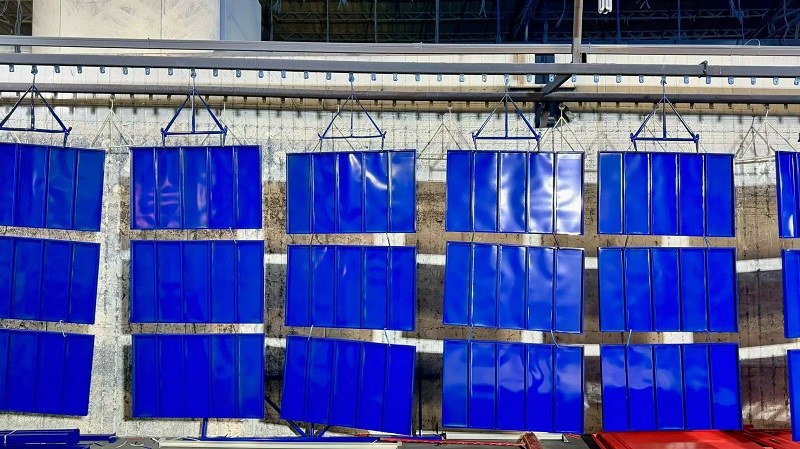
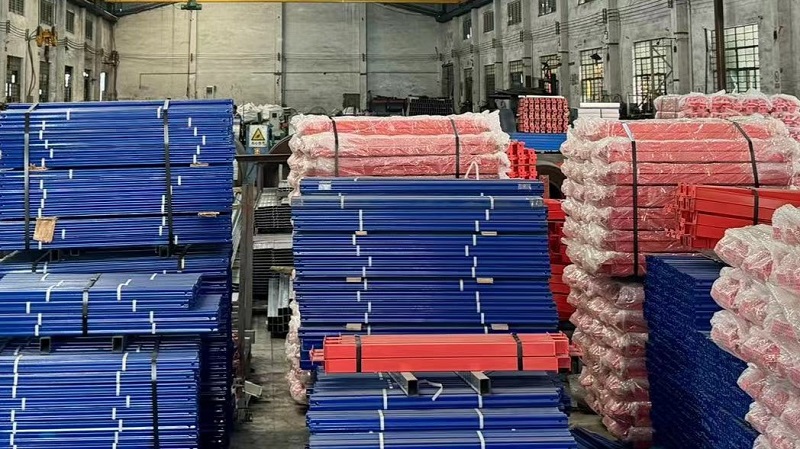
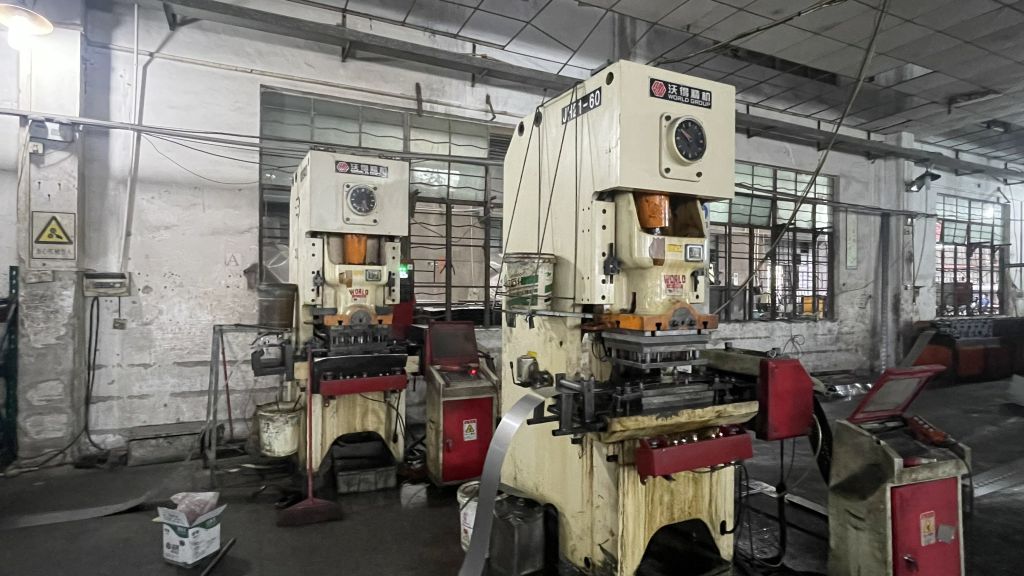
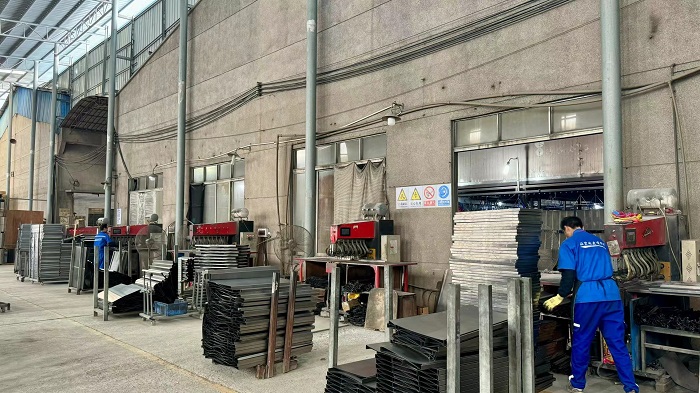
From raw steel coils to the finished powder-coated component, explore Kimsuk’s end-to-end quality-controlled production workflow.
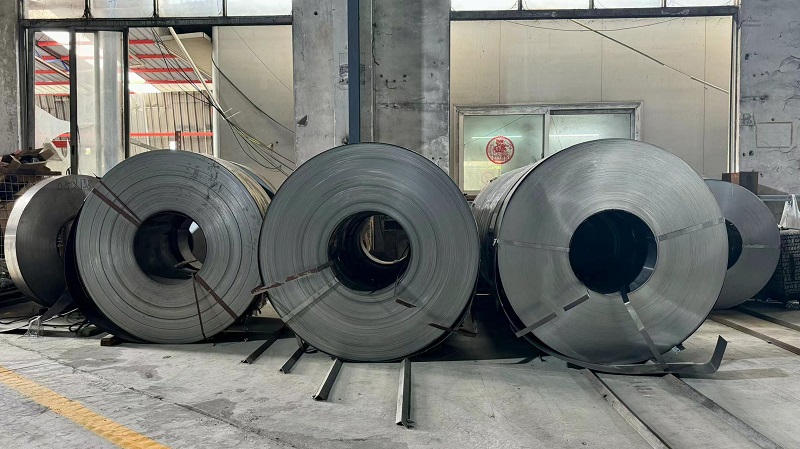
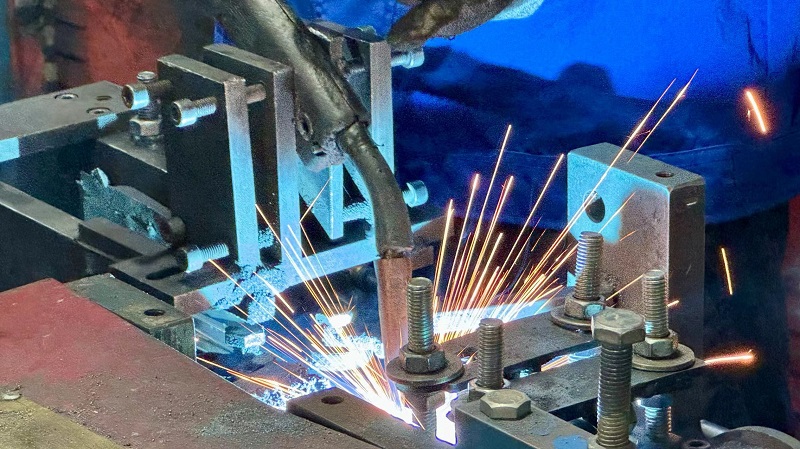
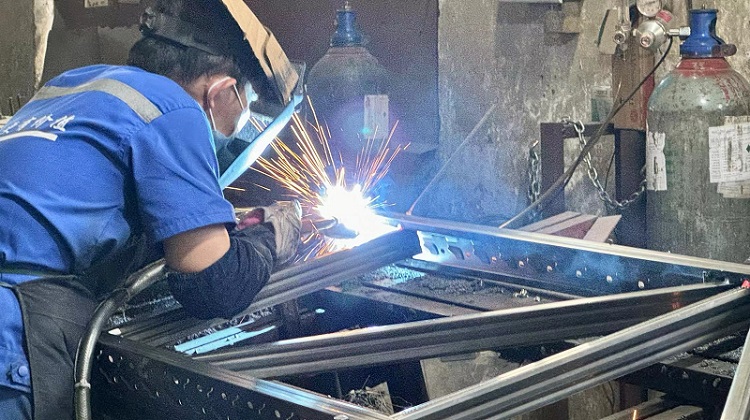
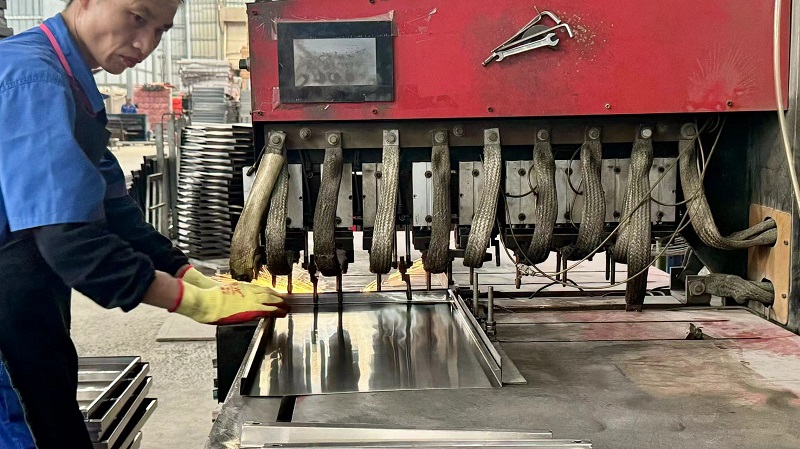
Alternative racking designs built to accommodate specific high-density manufacturing configurations and heavy structural materials.
A technical blueprint illustrating where and how Kimsuk structural racking systems are deployed in real-world Korean industrial sectors.
Every commercial development has dynamic structural parameters. We analyze three major application environments in South Korea where customized structural configurations are essential:
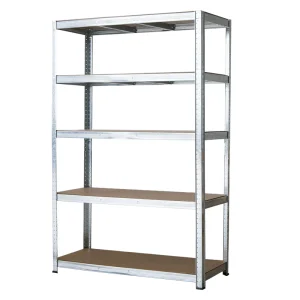
The Gyeonggi-do metropolitan ring constitutes the center of global memory chip fabrication and electronic assembly. Warehouses in this region support semi-cleanroom spaces where airborne particle contamination, static electricity, and dust accumulation must be minimized. For these applications, Shenzhen Kimsuk offers zinc-plated, static-dissipative boltless steel shelving units and custom-designed metal tool racks finished with scratch-resistant, anti-static powder coatings.
Cold-chain imports of fresh foods and pharmaceuticals represent a high-growth vertical in Korea. Cold storage facilities feature extreme operating environments (often down to -30°C), making structural steel brittle if not properly alloyed. Kimsuk designs specialized cold-chain selective racking utilizing low-temperature carbon steel (optimized with high manganese elements to prevent brittle fracturing). The frame coatings are engineered to withstand frost formation and frequent condensation cycles without flaking.
Ulsan's industrial plants require storage space for heavy metal coils, automotive components, stamping molds, and raw steel bars. Here, space efficiency must be coupled with extreme point-load thresholds. We construct customized heavy-duty single and double-sided cantilever systems, capable of accommodating uneven industrial weights while maintaining deflection rates well below the L/240 structural limit required by European and domestic engineering models.
Addressing technical, structural, regulatory, and logistics queries for project managers and procurement officers.
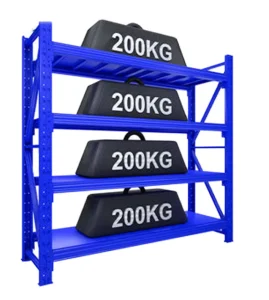
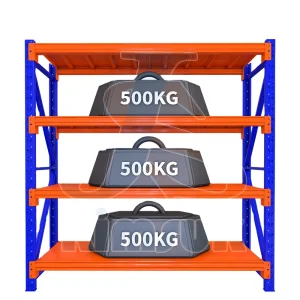
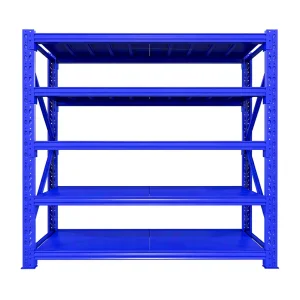
A complete lineup of light, medium, and heavy-duty steel racking products engineered for versatile operational environments.
 Kimsuk Rack