Engineered for the Chukyo Industrial Zone's automotive, aerospace, and high-density logistics sectors. Explore our featured warehouse and lift platforms.

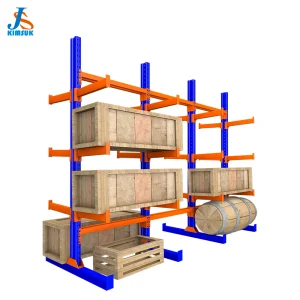

Analyzing the epicenter of Japanese manufacturing and the critical demand for specialized equipment accessories.
Nagoya, located in Aichi Prefecture, stands as the crowning jewel of Japanese industrial output. As the nucleus of the Chukyo Industrial Zone, it accounts for a substantial percentage of Japan's automotive, aerospace, and heavy machinery production. With global giants like Toyota Motor Corporation and Mitsubishi Heavy Industries operating deep supply networks here, local sub-assembly lines, component factories, and tier-1/tier-2 logistics hubs require unprecedented material handling efficiency.
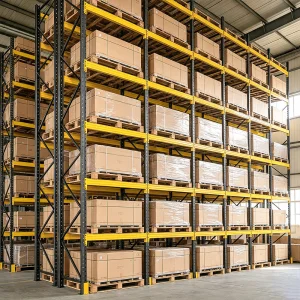
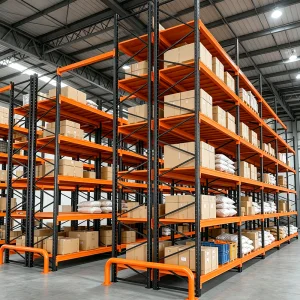
Operating in this footprint demands storage infrastructure that maximizes space cube utilization. Real estate in Nagoya’s main port areas and inland industrial zones carries high premiums. Consequently, factory managers are transitioning from flat storage configurations to high-density, multi-tier steel mezzanine platforms, heavy-duty cantilever racks, and automated warehouse racking systems.
Japan is located in one of the most active tectonic zones on earth. Industrial racking systems in Nagoya must comply strictly with JIS (Japanese Industrial Standards) and municipal building codes governing seismic design coefficients. Racks are not merely shelves; they are structural building assets that must withstand dynamic shear forces.
Equipment accessories manufacturer processes must incorporate heavy-duty base plates (foot plates), high-tensile anchor bolts, and specialized bracing configurations to disperse kinetic energy during seismic occurrences. A failure to comply with these rules poses catastrophic risks to employee safety and material security.
Industry Trend Insight: Current procurement trends show a shift toward integration-ready warehouse racks designed for Autonomous Mobile Robots (AMRs) and Automated Storage and Retrieval Systems (AS/RS). Modern Nagoya warehouses are combining heavy-duty racking with precise sensors, demanding precise manufacturing tolerances (within ±0.5mm deviation).
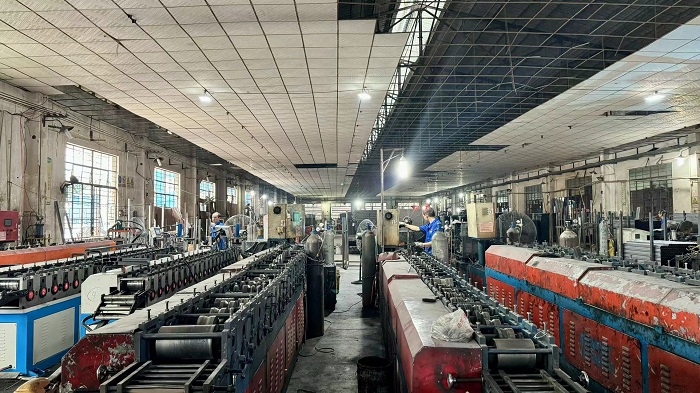
Established in 2015, Shenzhen Kimsuk Storage Equipment Manufacturing Co., Ltd. is a leading industrial warehouse storage systems manufacturer headquartered in Shenzhen, China. Operating from a modern 38,000 m² production facility, we specialize in high-density pallet racking, mezzanine systems, and customized logistics storage solutions for global enterprises.
With over 11 years of deep industry expertise and 8 years of direct international trade experience, Kimsuk generates over $22 million in annual export sales. Our primary overseas markets cover North America, Western Europe, Southeast Asia, and the Middle East, serving heavy-duty distributors, logistics hubs, e-commerce fulfillment centers, and industrial manufacturing plants.
Quality and safety are at the core of our manufacturing philosophy. Backed by 35 dedicated full-time QC specialists, we execute rigorous quality control protocols across all production phases—including spectral raw material testing, ultrasonic weld inspection, dynamic load capacity testing, and automated powder-coating durability checks.
Driven by strong innovation, our internal R&D team consists of 18 experienced structural engineers. Last year alone, we successfully launched 45 new optimized racking designs. We offer extensive OEM/ODM customization options, including tailored load capacities, specific column profiles, seismic-resistant structures, and custom anti-corrosion surface treatments. Supported by an integrated network of over 850 reliable supply chain partners, Shenzhen Kimsuk delivers high-performance, cost-effective warehouse storage systems engineered to maximize your space utilization.
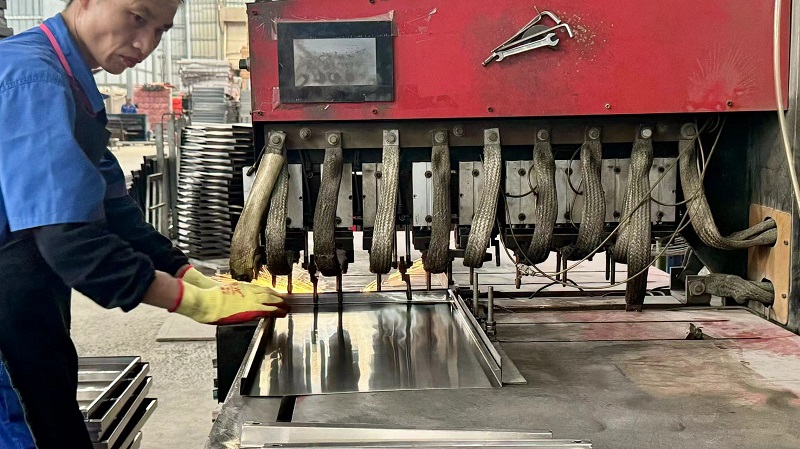
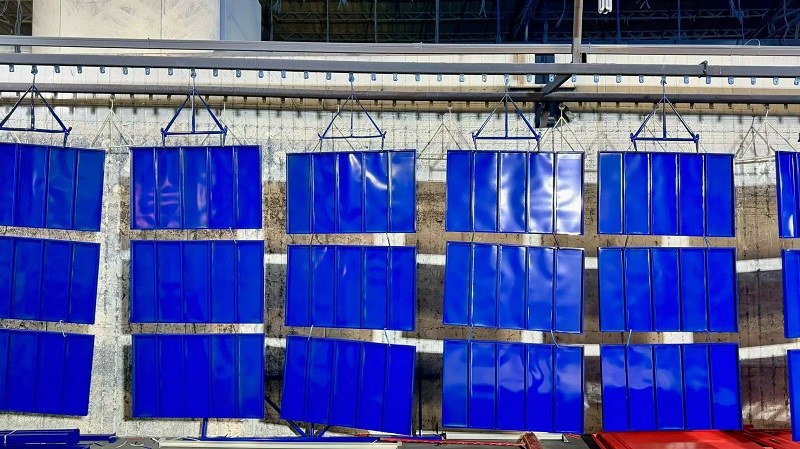
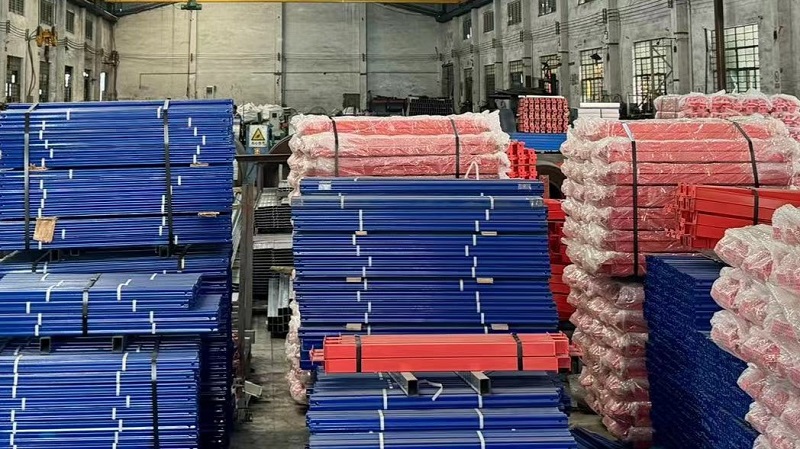
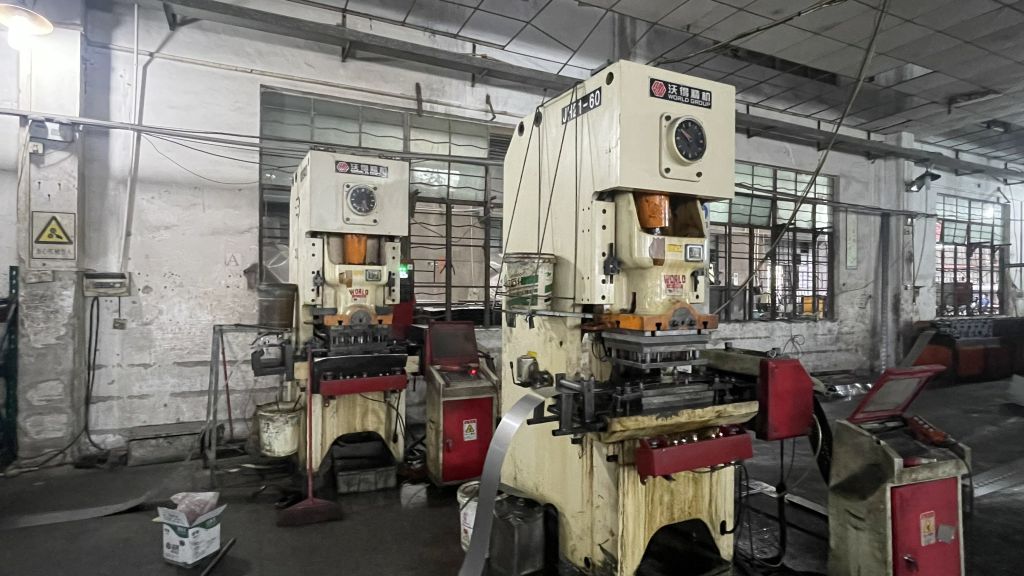
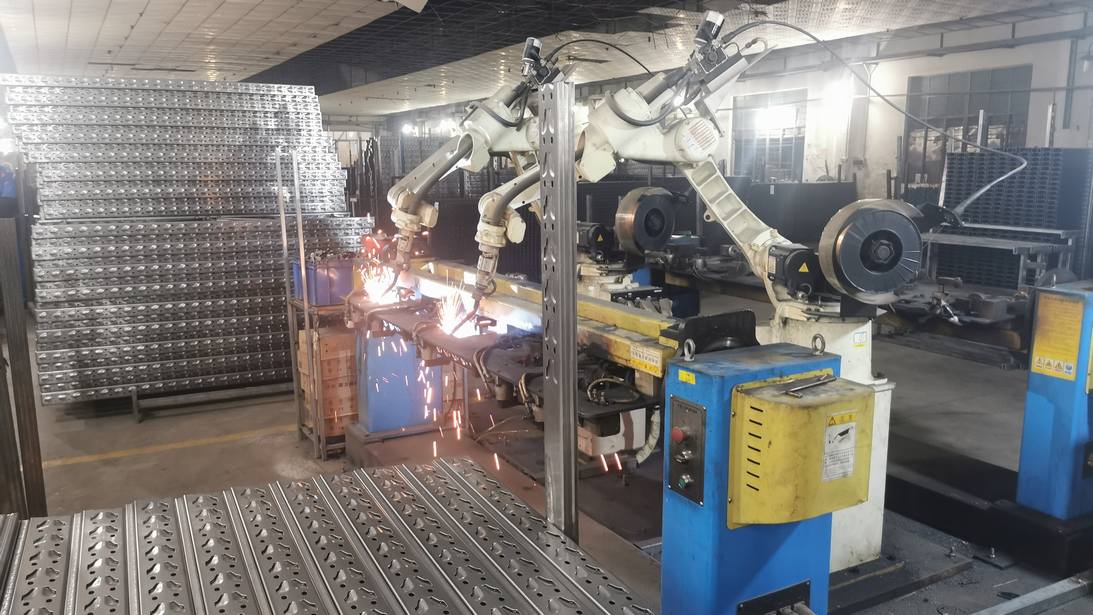
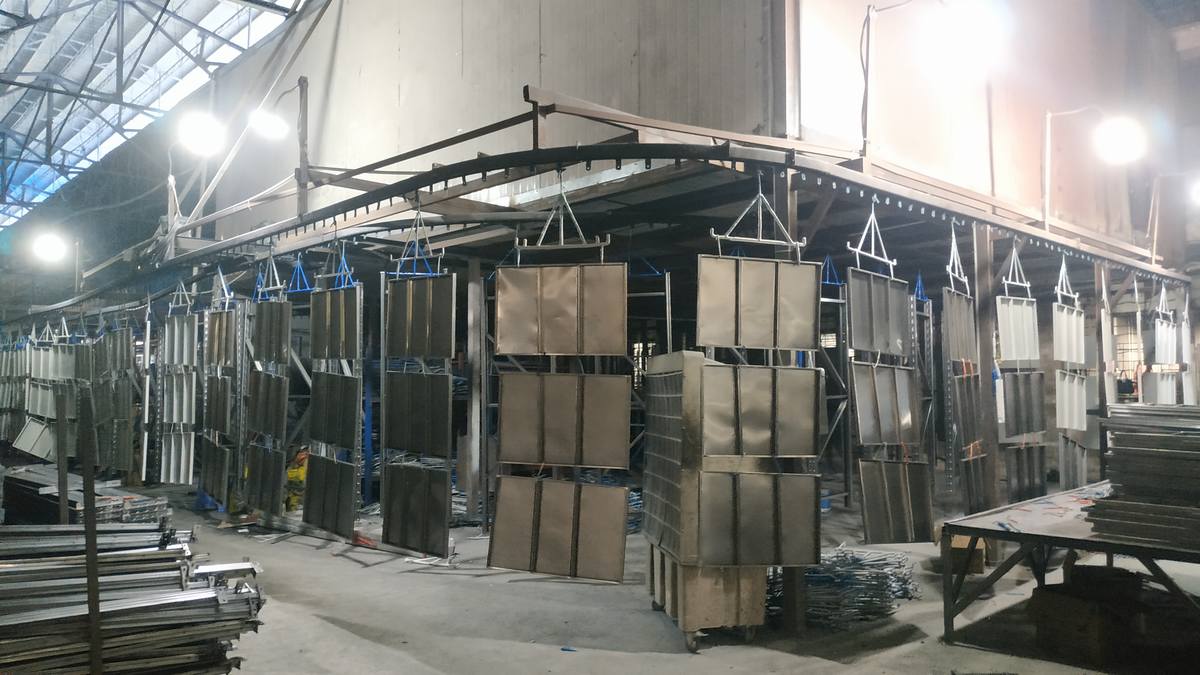
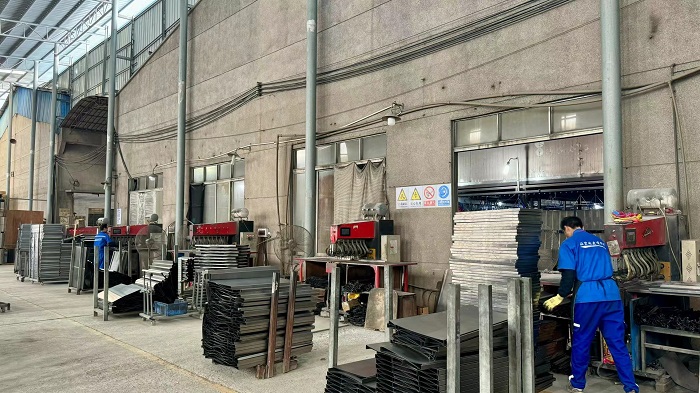
Explore our vertical production cycle. We maintain control over every step, from raw steel selection to automated electrostatic powder coating.
How modern warehouse architecture addresses global cost constraints, cargo tracking, and dynamic supply chain threats.
Multinational companies operating hubs in Nagoya, Shanghai, Frankfurt, and Houston need consistent racking geometries to simplify international safety compliance and ease procurement. Global standards like the RMI (Rack Manufacturers Institute) specs in North America and EN 15512 in Europe require modular equipment designs.
Kimsuk manufactures custom uprights and beam profiles with multi-standard compliance. This enables procurement directors to source parts internationally and deploy them inside Nagoya ports with minimal structural adjustments.
Nagoya Port is subject to marine environments with high ambient salinity and humidity. Raw carbon steel racks can rapidly corrode under these conditions, causing structural degradation.
We apply an advanced electrostatic thermosetting powder coating layer (thickness range 60 to 90 microns) preceded by an 8-stage pre-treatment wash. This finish is tested to exceed 500 hours of salt spray exposure, protecting your investment from rust.
Industrial supply chains require rack systems that accommodate changing weights—from automotive engines (typically 500kg to 1500kg per pallet) to electronic parts.
Kimsuk's custom upright columns utilize a multi-bend cold-roll profile to increase load distribution and structural load capacity without unnecessary steel weight, lowering logistics costs.
Kimsuk's ongoing research and development timeline for next-generation automated material handling systems.
As logistics networks evolve toward total automation, racking systems must adapt from static structures into integrated technology platforms. Our 2025-2028 technical roadmap prioritizes high compatibility with automated storage and retrieval systems (AS/RS).
We are investing in precise tolerances to support high-speed crane operations. Our engineers design racks with vertical deflections that remain within L/1000 limits—significantly stricter than traditional commercial standards.
Furthermore, we are partnering with sensor manufacturers to test smart-beam designs. These units utilize integrated strain gauges to monitor weight loads in real-time, sending alerts to warehouse management software (WMS) before overload conditions occur.
We are transitioning our manufacturing plants to rely on renewable energy sources, minimizing the carbon footprint of our steel conversion processes. Our paint lines use lead-free, volatile organic compound (VOC) free powders to comply with modern eco-logistics initiatives.
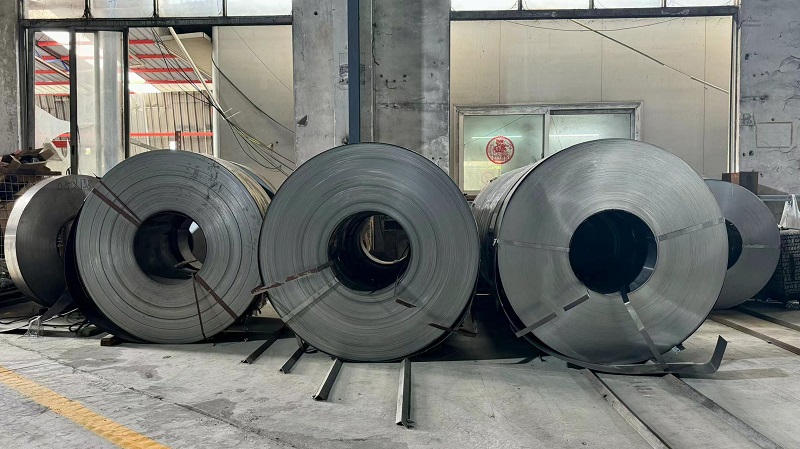
At Shenzhen Kimsuk, our quality control process starts at the raw material stage. We source high-grade steel coils from certified domestic mills. Each batch undergoes spectral analysis to verify its chemical composition before entering the production line.
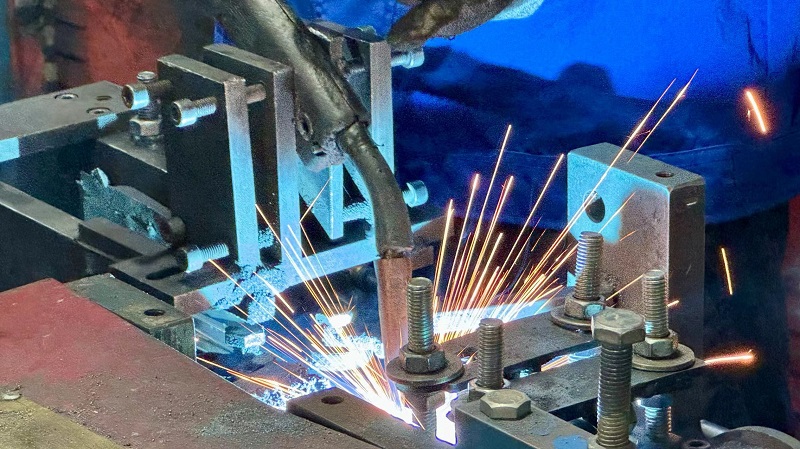
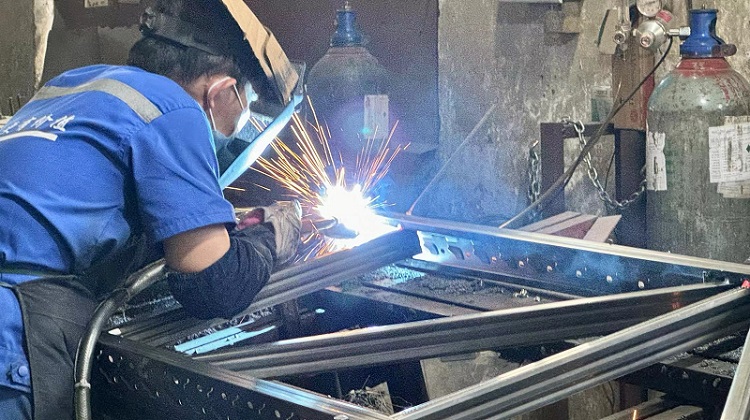
Our welding lines use robotic welding systems that ensure consistent weld quality and bead profiles. Every welding joint undergoes regular visual inspections, with key load-bearing sections subjected to ultrasonic testing to identify internal defects.
Completed racking parts are subjected to destructive and non-destructive load tests. This testing verifies that our racking systems maintain a safety factor of 1.5 to 2.0 times the rated load capacity, meeting global storage standards.
Answers to common inquiries regarding global shipping, seismic compliance, and custom design specs.
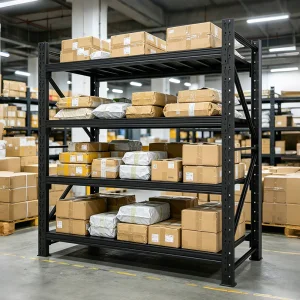
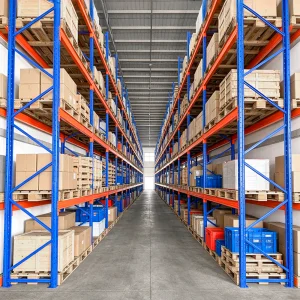
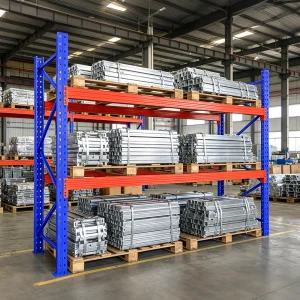
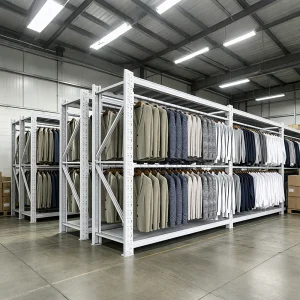
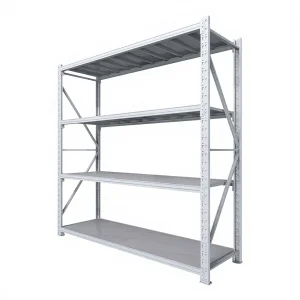
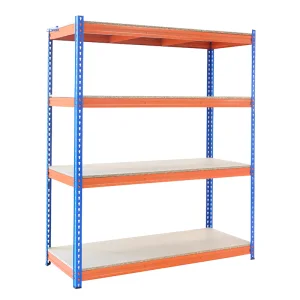
Browse our complete catalog of industrial shelving, heavy-duty pallet racks, and garage organization equipment.



Get in touch with Kimsuk's industrial storage experts. We offer free CAD layout designs, structural strength calculations, and competitive pricing for your Nagoya operations.
Send Inquiry Now Kimsuk Rack

