Kimsuk Rack


Morocco's Industrial Awakening: Demand for Precision Material Handling
Morocco is rapidly positioning itself as the primary logistics and manufacturing bridge between Europe and Sub-Saharan Africa. The massive infrastructure investments in the Tanger Med Port, combined with dedicated Free Zones like the Tangier Automotive City (TAC) and the Kenitra Industrial Zone, have accelerated the establishment of advanced automotive, aerospace, and electronics manufacturing facilities. This structural industrial shift demands a proportional upgrade in warehouse optimization and supply chain safety metrics.
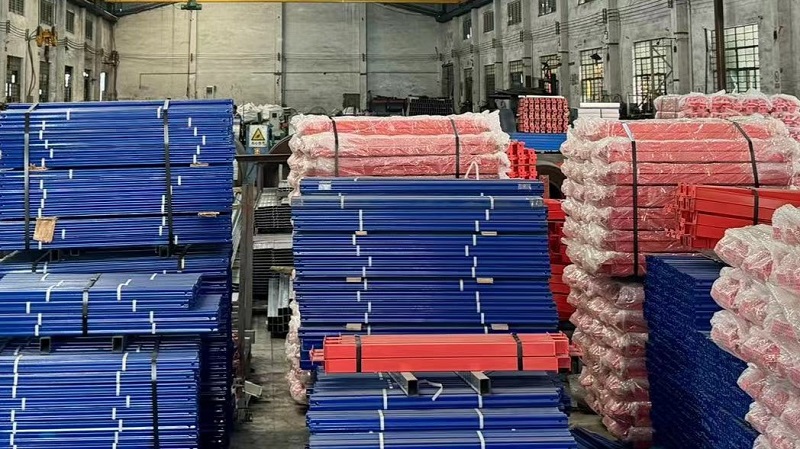
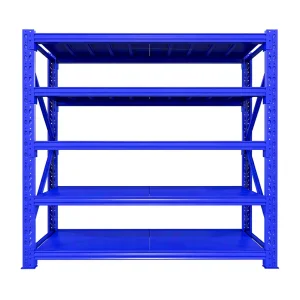
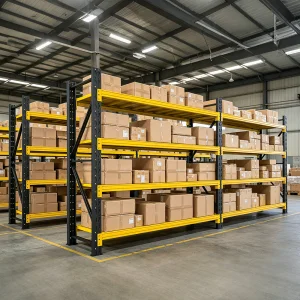
In these modern facilities, floor space optimization is paramount. Standard floor layouts without vertical structures limit operational scaling and drastically increase real estate overheads. Heavy-duty and medium-duty racking systems, specifically rated at 300KG to 500KG capacity per loading shelf level, serve as the foundational backbone for storing intermediate components, retail consumer packages, spare parts, and raw agricultural materials awaiting export processing.
Why the "300KG - 500KG per shelf" metric is critical for Moroccan Enterprises
It represents the exact inflection point where standard commercial boltless shelving ends and industrial structural steel racking begins. At this capacity, racks must be designed to withstand dynamic structural stress, forklifting impacts, and ambient microclimates without structural buckling or joint failure.
Local Application Scenarios in Morocco
Moroccan industries require customized engineering to address specific sector challenges:
- Automotive Hub Supply Chains (Tangier & Kenitra): Just-In-Time (JIT) parts storage requires robust butterfly-hole multi-level storage racking systems. Heavy stampings, transmissions, and mechanical parts require stable, heavy-duty racking designed to prevent scratching and mechanical deformations.
- Agricultural Cold Chain Storage (Agadir & Souss-Massa): Cold-storage warehouses for citrus and agricultural export goods require storage structures that can withstand temperatures as low as -30°C. Raw materials must be treated with food-grade, high-durability epoxy-polyester anti-corrosive powder coatings to prevent oxidation in high-humidity environments.
- E-Commerce & Retail Fulfillment (Casablanca): Large distribution centers require multi-tier mezzanine storage systems to maximize vertical clearances. With high turnover rates, the racking layout must prioritize accessibility, safety rails, and clear aisleways for picking personnel.
E-E-A-T Framework: Strict Material Standards & Engineering Integrity
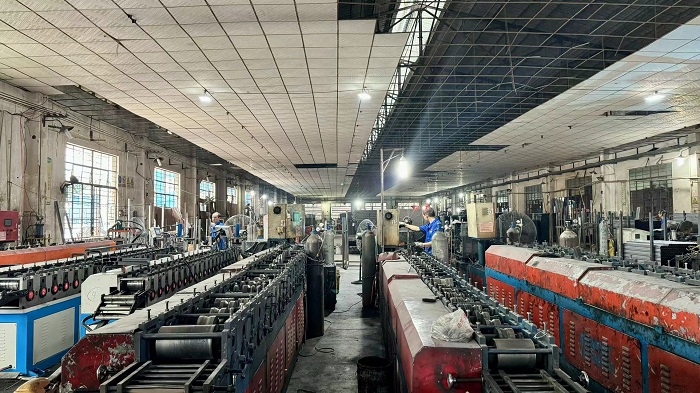
As a leading supplier with over 11 years of structural steel experience, Shenzhen Kimsuk ensures all load-bearing racking systems exported to Morocco comply with international standards including FEM 10.2.02 (European Federation of Materials Handling) and the standard structural steel codes of EN 15512.
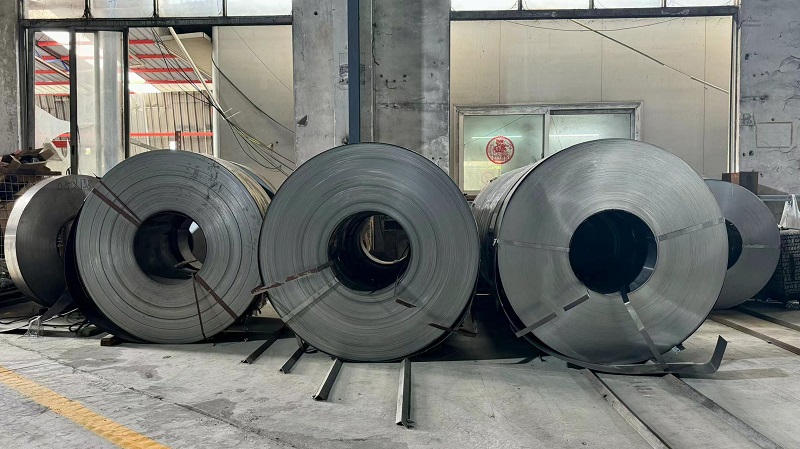
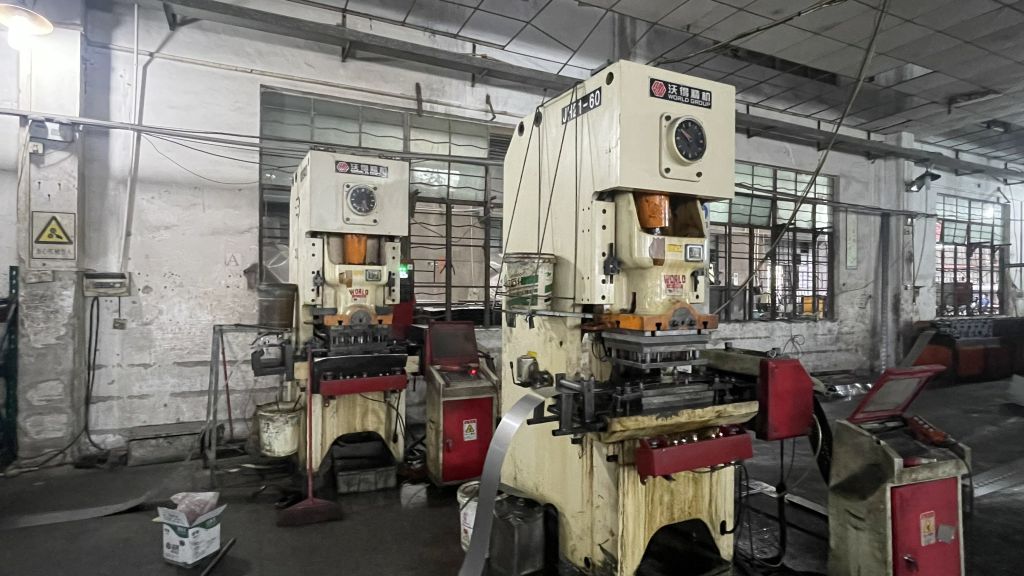
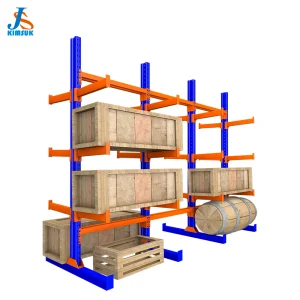
Our raw material supply chain relies exclusively on premium certified mill-run steel coils (predominantly Q235B and Q355B structural carbon steel). Q235B possesses a yield strength of 235 MPa, providing the ideal elasticity-to-strength ratio required to prevent permanent deformation under load. For heavier dynamic configurations, Q355B steel is deployed, offering superior tensile limits that support heavy-duty pallets up to 1000KG and beyond.
Advanced Anti-Corrosion Technologies for Coastal Regions
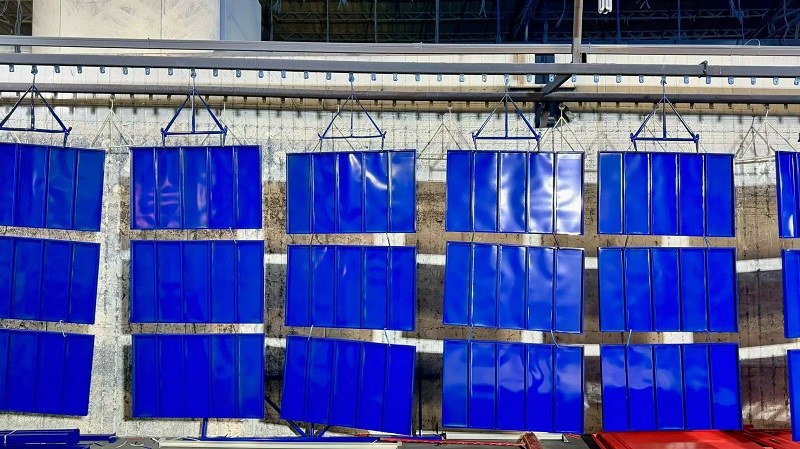
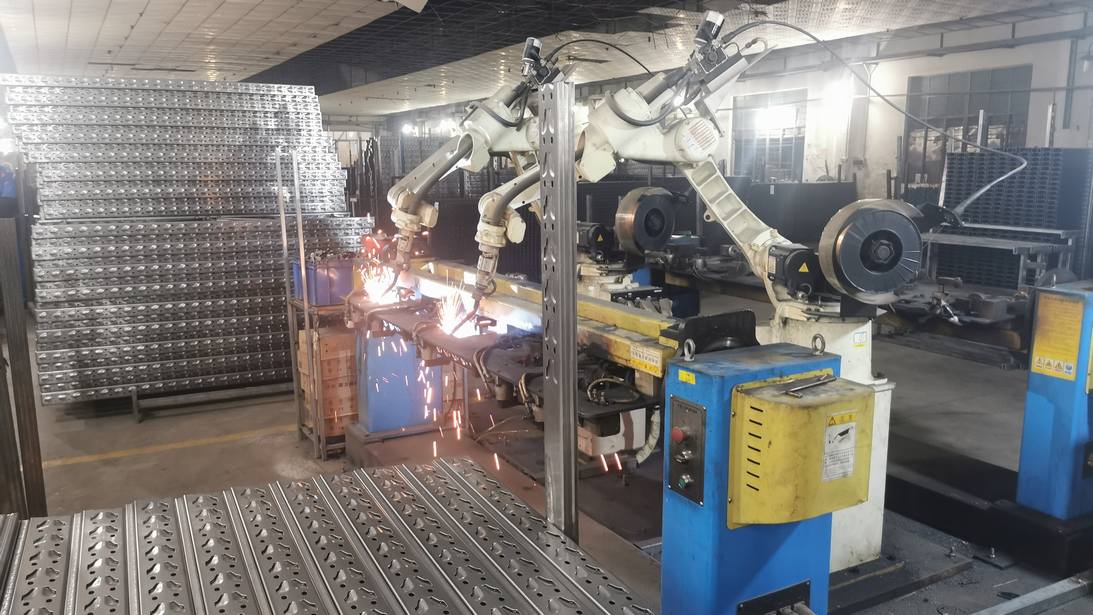
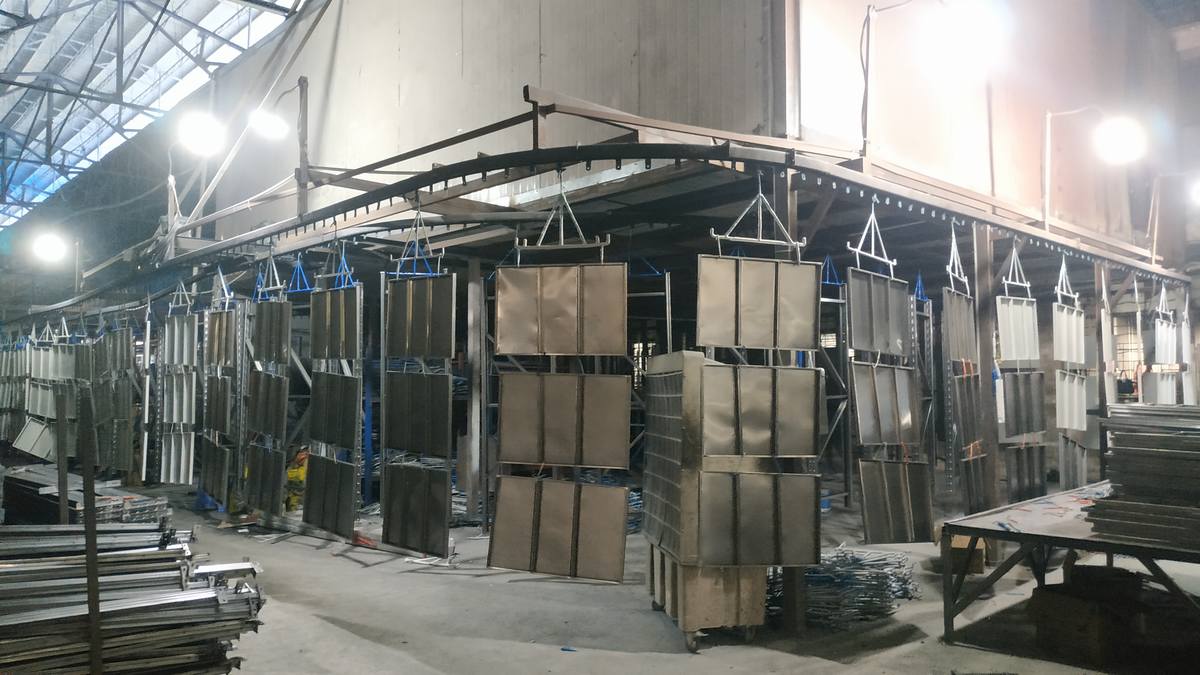
Given Morocco’s extensive coastline, particularly Casablanca’s highly corrosive marine atmosphere, standard paint finishes degrade rapidly, leading to structural rust and catastrophic failure. At Kimsuk, all structural members undergo a multi-stage automated pre-treatment cleaning (alkali wash, acid pickling rust removal, and zinc-phosphate coating) followed by an electrostatic thermosetting powder coating cured at 200°C. This ensures a consistent finish thickness (>60-80μm) that comfortably passes standard 500-hour salt spray testing protocols.
Seismic Design Considerations in North Africa
Parts of northern Morocco (Rif region) are prone to moderate-to-high seismic activity. Implementing unengineered racking in these regions poses severe risks. Kimsuk's R&D department, featuring 18 structural engineers, utilizes FEA (Finite Element Analysis) software to simulate seismic movements under full load conditions. By widening footplates, integrating high-tensile anchor bolts, and adding diagonal cross-bracing structures, our racks maintain structural equilibrium even under high-magnitude vibrations.