The global warehousing and supply chain matrix is experiencing an unprecedented structural transformation. Driven by the explosive growth of e-commerce, real estate spatial constraints, and high land costs, industrial operators are pivoting away from legacy static storage configurations. Instead, they are adopting high-density automated dynamic solutions. At the forefront of this industrial revolution is the Motorized Mobile Storage System—a system engineered to maximize volume and storage capacity without expanding the physical footprint of the warehouse.
Motorized mobile storage systems mount conventional pallet racking onto heavy-duty structural steel carriages driven by electrical gearmotors. The carriages roll along precision-laid steel tracks embedded directly into the concrete floor slab. By utilizing a single dynamic access aisle rather than multiple static aisles, motorized mobile storage systems eliminate redundant space. This design path increases storage capacity by up to 85% compared to selective pallet racking, while simultaneously cutting the facility footprint requirement by up to 45%.
"Modern logistics calls for high-density configurations. Modern warehouse optimization aims to transition static dead space into productive inventory hubs. Motorized mobile storage bridges this gap, providing high density alongside direct access to every single pallet."
The integration of the Internet of Things (IoT), industrial automation, and smart warehouse management software (WMS) has moved motorized mobile racking from a niche configuration to a mainstream standard. The primary macro drivers steering this evolution include:
Global procurement teams demand compliance with structural testing parameters, including regional seismic standards (such as EN 15512, FEM 10.2.07, and RMI guidelines) to withstand seismic activity and extreme static loads.
Seamless connectivity with Warehouse Management Systems (WMS) via open PLC interfaces. This facilitates optimized aisle-opening sequences, diagnostic feedback, and automated inventory tracking.
Industrial operations require structural layouts that minimize maintenance downtime. This is achieved through lifetime-lubricated motor drives, self-cleaning floor tracks, and easily accessible safety controls.
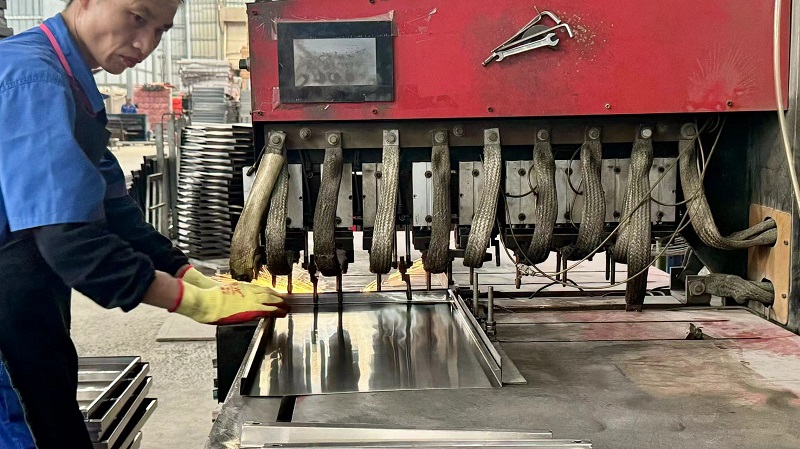
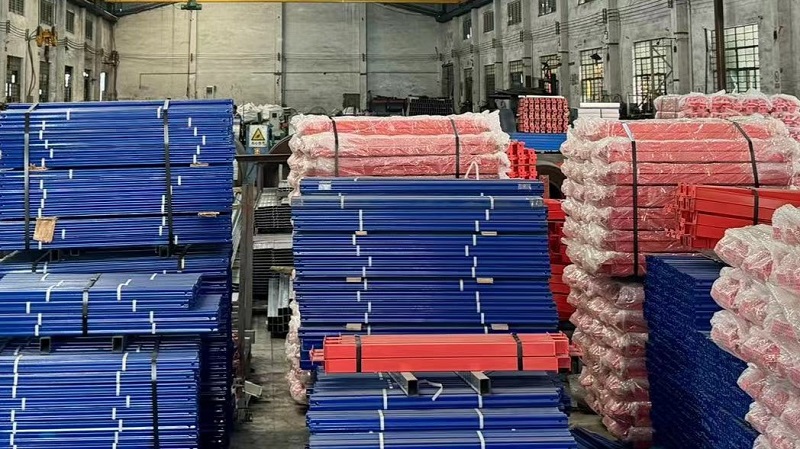
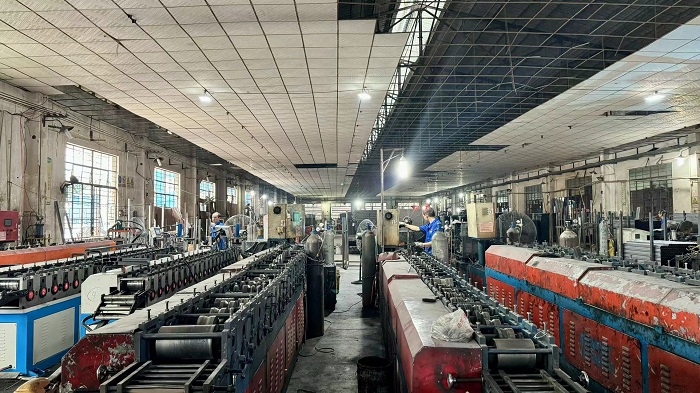
Optimizing warehouse performance requires strong supply chain integration. Shenzhen Kimsuk Storage Equipment Manufacturing Co., Ltd. exemplifies the modern China Factory 4.0 manufacturing paradigm. Established in 2015, Kimsuk is a leading industrial warehouse storage systems manufacturer headquartered in Shenzhen, China. Operating from a modern 38,000 m² production facility, we specialize in high-density pallet racking, mezzanine systems, and customized logistics storage solutions for global enterprises.
With over 11 years of deep industry expertise and 8 years of direct international trade experience, Kimsuk generates over $22 million in annual export sales. Our primary overseas markets cover North America, Western Europe, Southeast Asia, and the Middle East. We serve heavy-duty distributors, logistics hubs, e-commerce fulfillment centers, and industrial manufacturing plants. Our structural resilience is driven by a network of over 850 reliable supply chain partners. This network allows us to source raw materials and premium mechanical components with minimal turnaround times, keeping projects on schedule.
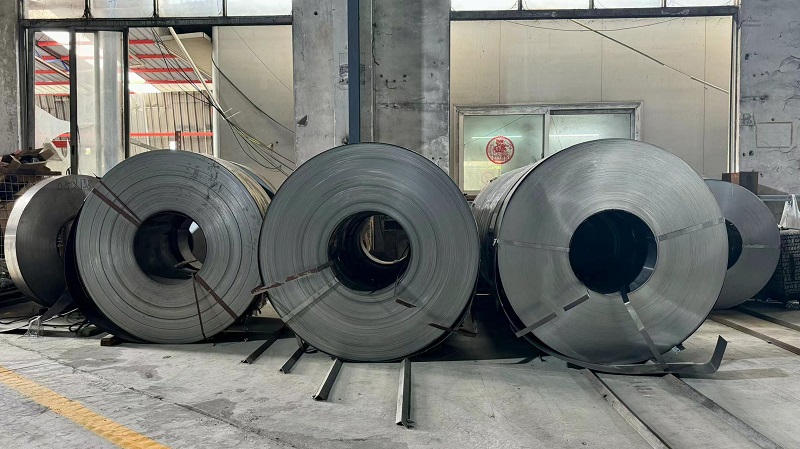
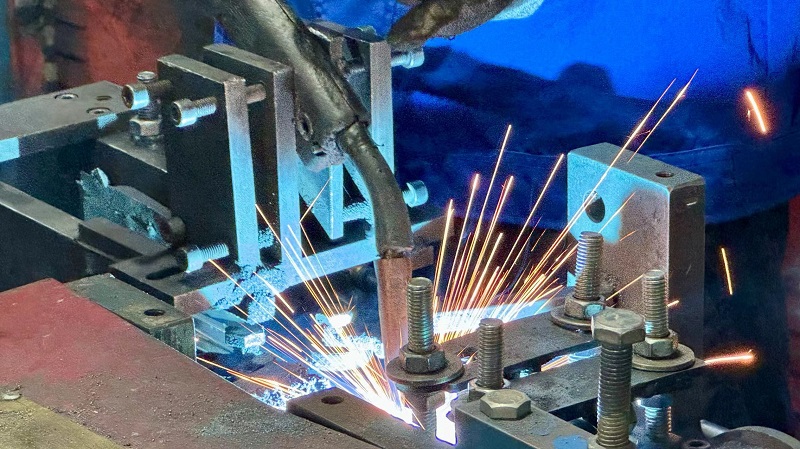
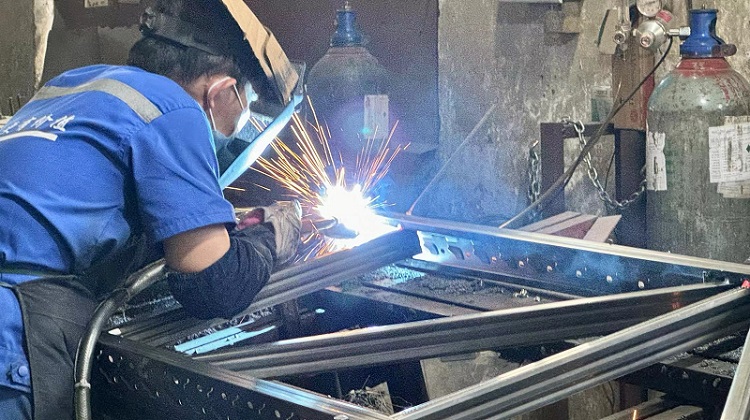
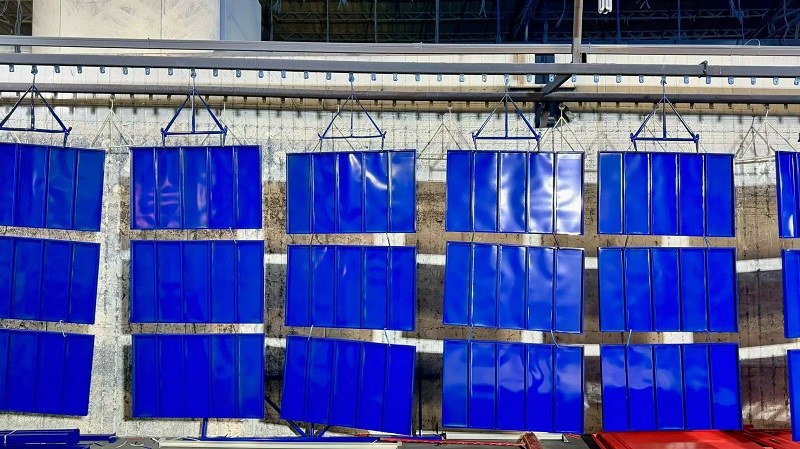
Quality and safety are at the core of our manufacturing philosophy. Backed by 35 dedicated full-time QC specialists, we execute rigorous quality control protocols across all production phases—including spectral raw material testing, ultrasonic weld inspection, dynamic load capacity testing, and automated powder-coating durability checks. This rigorous tracking ensures every structural frame meets international tolerances, minimizing alignment deviations on mobile bases.
Driven by strong innovation, our internal R&D team consists of 18 experienced structural engineers. Last year alone, we successfully launched 45 new optimized racking designs. We offer extensive OEM/ODM customization options, including tailored load capacities, specific column profiles, seismic-resistant structures, and custom anti-corrosion surface treatments. This structural engineering expertise allows Kimsuk to design motorized mobile storage solutions tailored to each client's specific floor conditions, building clearances, and handling profiles.
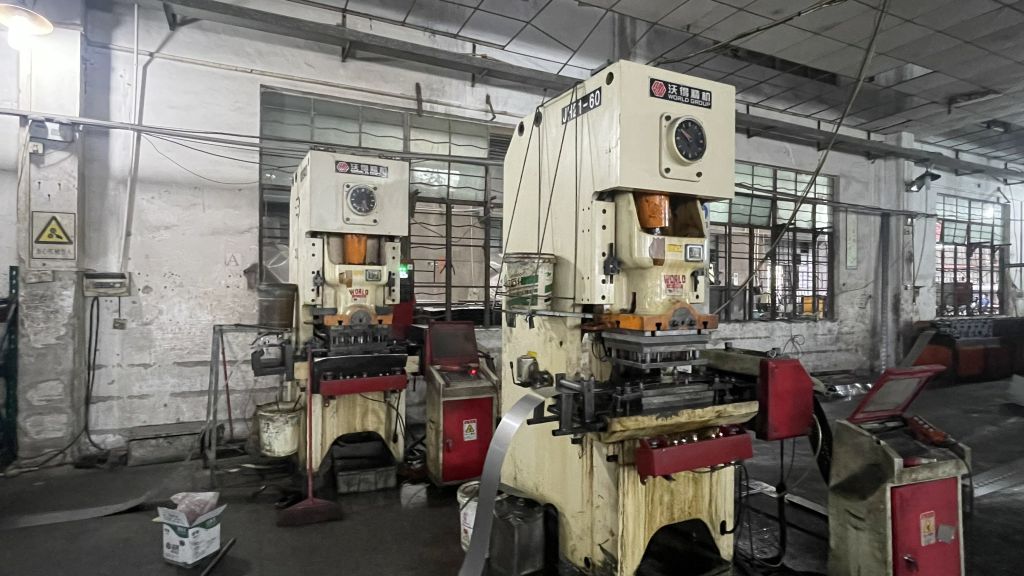
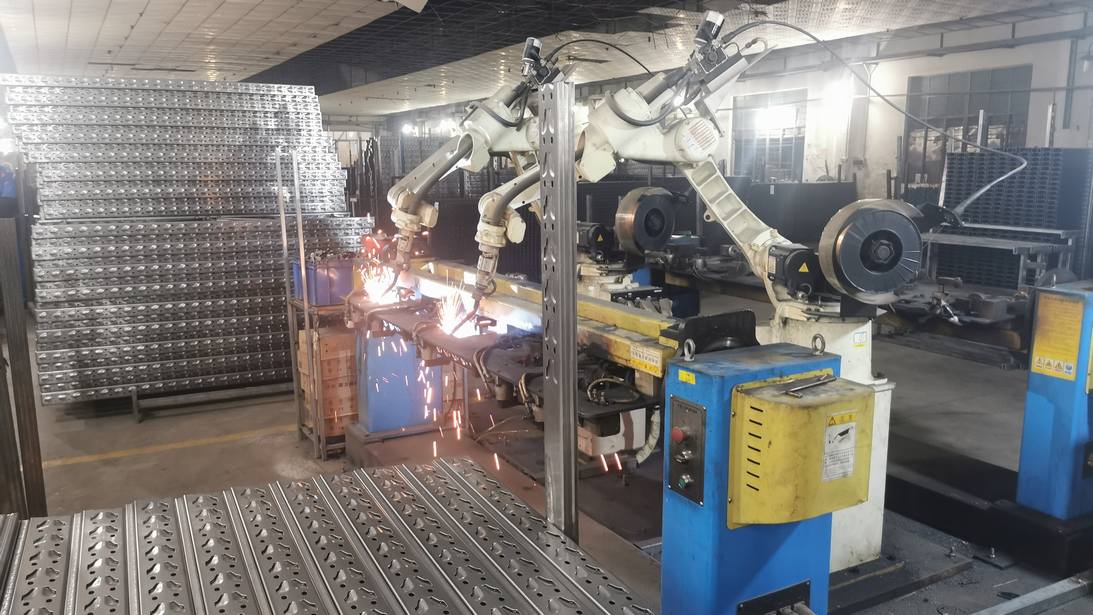
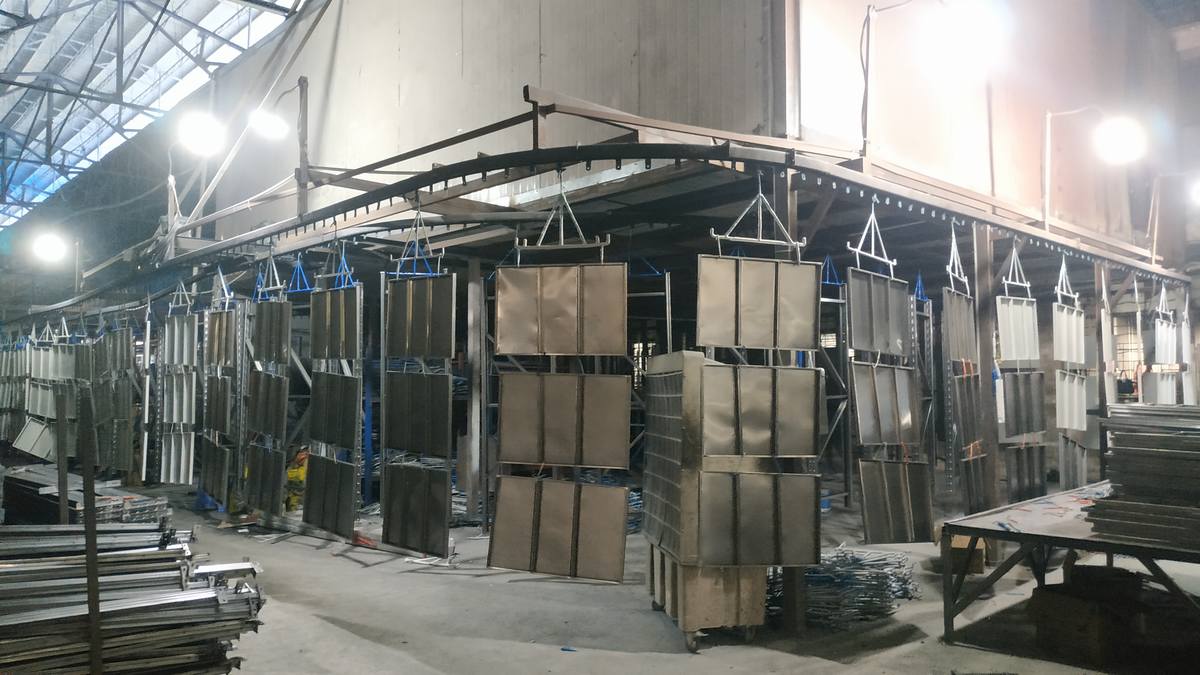
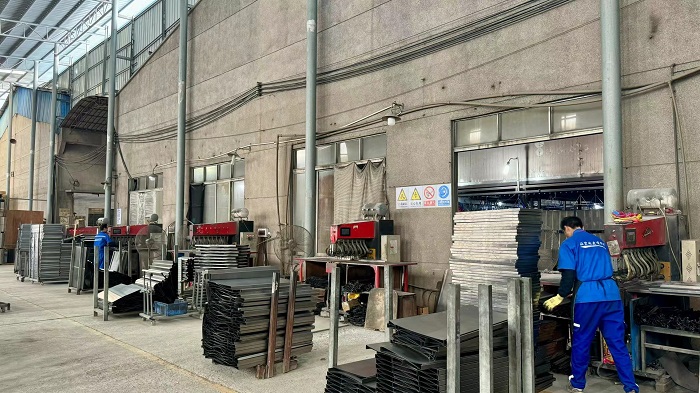
The flexibility of motorized mobile storage allows it to handle various industrial application profiles. Operating environments worldwide present unique physical constraints, highlighting the advantages of adapting design architectures to localized storage dynamics.
In temperature-controlled storage, operating costs are tied directly to volume. Traditional wide-aisle configurations waste significant cooling capacity on empty air space. By consolidating racking corridors into a single moving aisle, motorized storage installations reduce energy use. The high-density layout cuts thermal loss while maintaining 100% SKU selectivity, which is critical for food safety and shelf-life tracking.
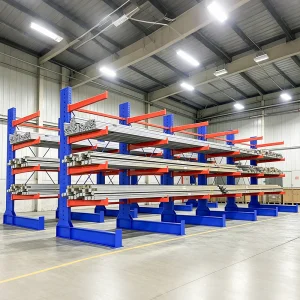
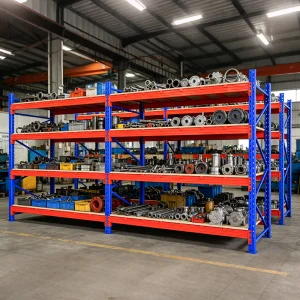
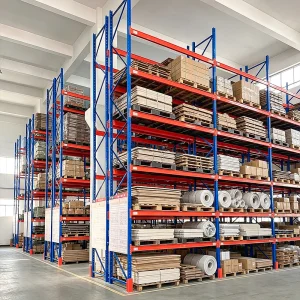
Automotive parts distribution and heavy manufacturing facilities manage a diverse mix of components, including heavy metal dies and lightweight assemblies. Motorized cantilever and heavy-duty pallet racks handle high weight capacities and adjust to varying heights. Industrial gearmotors ensure smooth start-stop movements to prevent dynamic loads from shifting during carriage travel.
Pharmaceutical storage requires precise climate control, clean conditions, and accurate inventory tracking. Motorized mobile systems can interface with clean-room airflow controls to prevent dust build-up. Integration with ERP platforms ensures automated stock rotation (such as FEFO - First Expired, First Out) for high-value products.
Safety systems are critical. Industrial motorized mobile racks use light-barrier safety sensors at ground level and knee height to stop movement if an obstruction is detected. Modern systems also include photoelectric sensors, emergency stop buttons, structural warning horns, flashing indicator beacons, and overload detection to prevent movement under excessive load conditions.
Floor flatness tolerances are crucial for proper installation. The floor slab must meet high flatness standards (such as DIN 18202 or equivalent ISO standards) to prevent rail deflection. Standard concrete must be grooved, rails leveled with high-precision steel shims, and anchored using non-shrink epoxy grout to ensure the motorized bases run smoothly and load distribution remains balanced.
Yes. Mobile racking designed for seismic areas uses upgraded upright profiles, wider base plates, and heavy-duty seismic ties. The control software is integrated with seismic sensors that automatically shut down the drive systems and secure the carriage bases in a safe state if a tremor is detected, minimizing structural resonance risks.
The average payback period for motorized mobile storage is typically between 18 and 36 months. This depends on factors like local land costs, space rental savings, and, for cold storage, lower energy consumption. The reduction in forklift travel time and increased inventory accuracy also contribute to long-term operational savings.
 Kimsuk Rack