Explore our elite lineup of structural steel racks, heavy-duty mezzanine platforms, and adjustable storage modules designed to maximize volumetric efficiency.
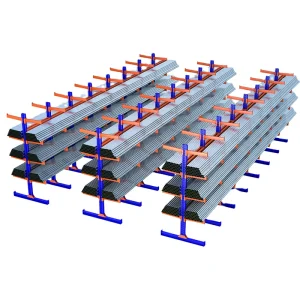
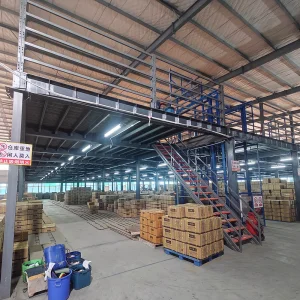


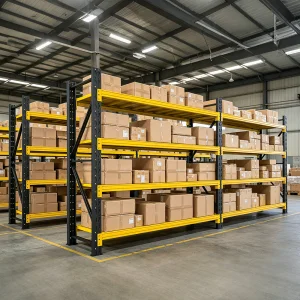
The distinction between front-of-house retail displaying and back-of-house warehouse logistics is rapidly dissolving. Modern B2B fulfillment strategies demand dynamic, high-load configurations capable of transitioning from high-volume SKU storage to rapid manual picking setups. This integration—often called the Hybrid Retail-Storage Concept—requires engineering expertise to ensure space optimization does not compromise workplace safety or structural integrity.
Integrating structural steel mezzanines inside local urban centers to create micro-fulfillment hubs. High load-bearing configurations allow operations to double stock densities near high-demand metropolitan centers.
Transitioning from standard longspan racking systems to heavy-duty selective pallet racks reduces the footprint requirements of heavy industrial storage by up to 40% while preserving selective accessibility.
Engineered steel profiles must adhere to strict structural regulations. Designing racks with specific column profiles, dynamic seismic-resistant bases, and anti-corrosion chemical barriers ensures lifetime structural safety.
Across Europe, North America, and the Asia-Pacific region, rising real estate costs are forcing industrial distributors to build vertically. Supply chain systems demand racking configurations that conform to standardized load test certifications (such as the Rack Manufacturers Institute (RMI) standards in the US or FEM guidelines in Europe). Selecting a certified manufacturer with integrated control over raw material sourcing is crucial for modern distribution managers.
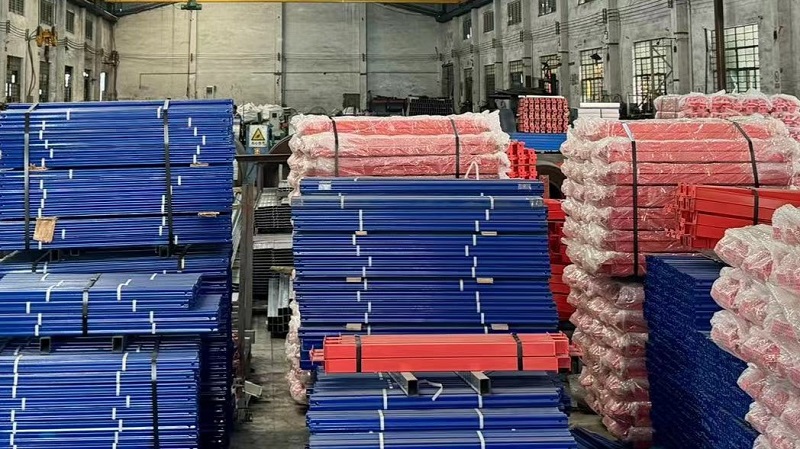
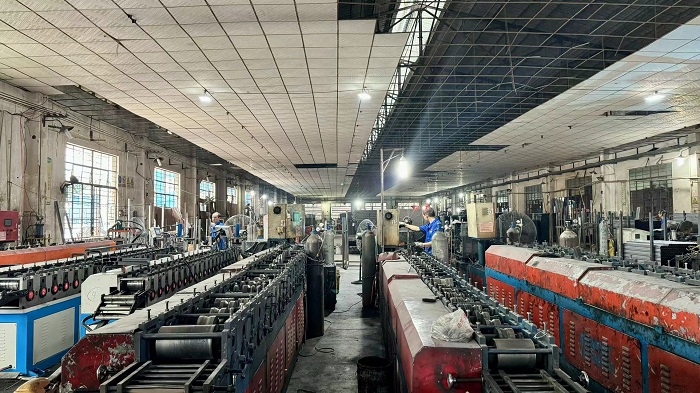
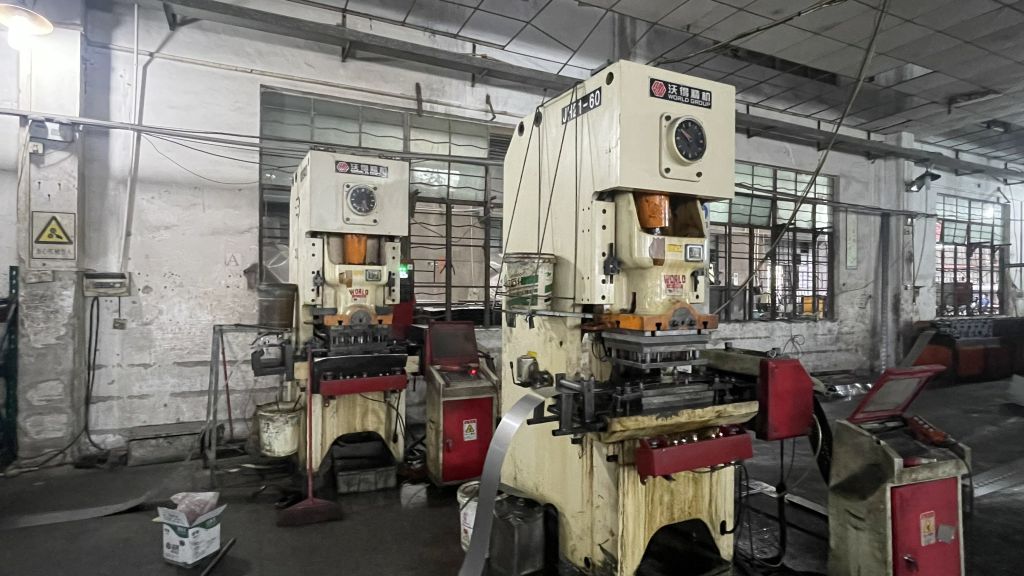
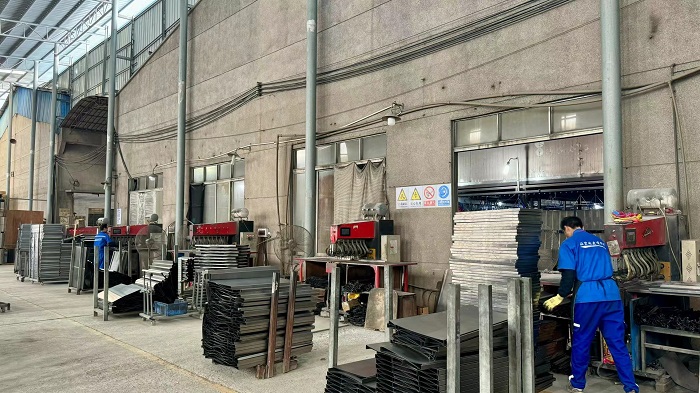
Established in 2015, Shenzhen Kimsuk Storage Equipment Manufacturing Co., Ltd. is a leading industrial warehouse storage systems manufacturer headquartered in Shenzhen, China. Operating from a modern 38,000 m² production facility, we specialize in high-density pallet racking, mezzanine systems, and customized logistics storage solutions for global enterprises.
With over 11 years of deep industry expertise and 8 years of direct international trade experience, Kimsuk generates over $22 million in annual export sales. Our primary overseas markets cover North America, Western Europe, Southeast Asia, and the Middle East, serving heavy-duty distributors, logistics hubs, e-commerce fulfillment centers, and industrial manufacturing plants.
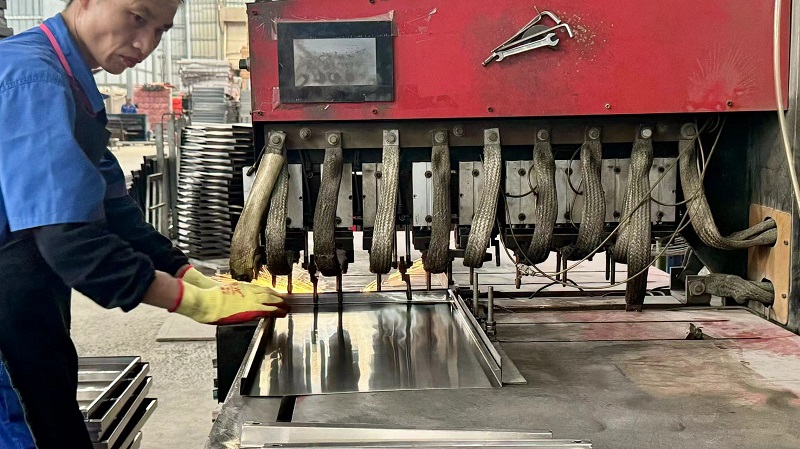
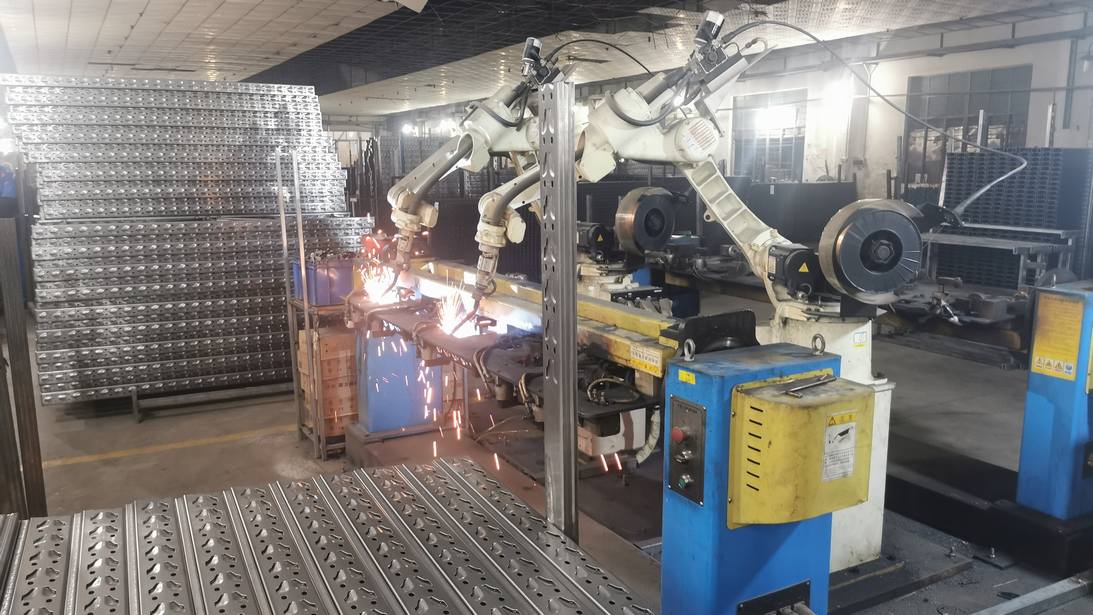
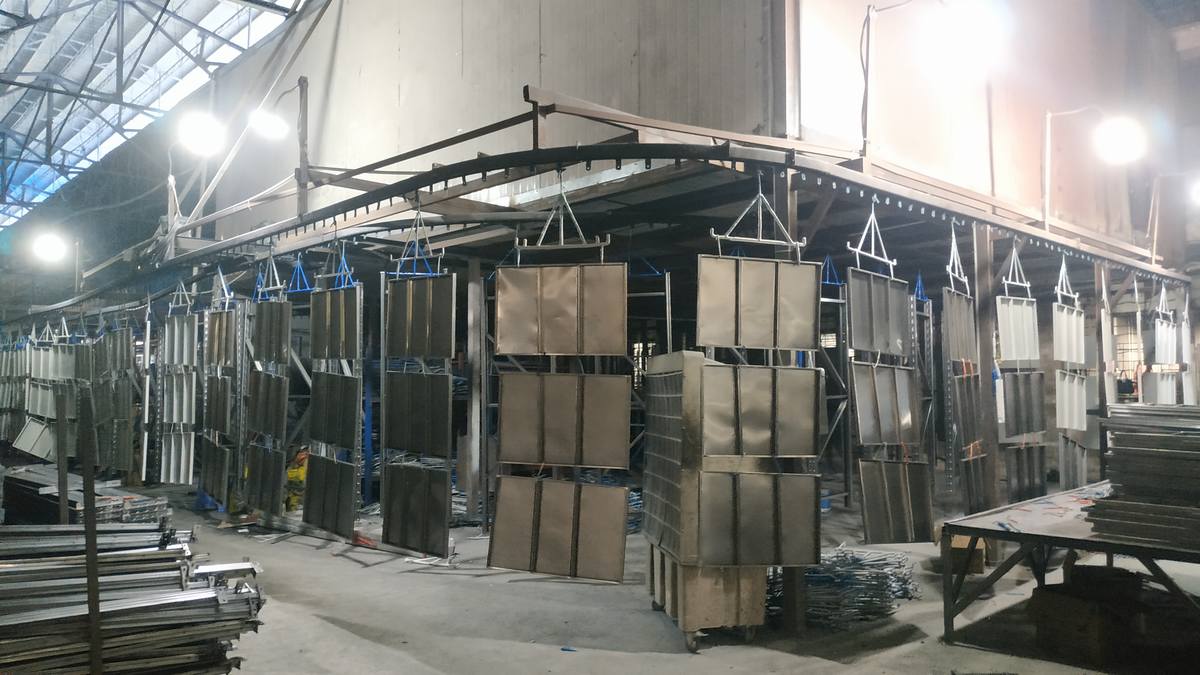
Quality and safety are at the core of our manufacturing philosophy. Backed by 35 dedicated full-time QC specialists, we execute rigorous quality control protocols across all production phases—including spectral raw material testing, ultrasonic weld inspection, dynamic load capacity testing, and automated powder-coating durability checks.
Driven by innovation, our internal R&D team consists of 18 experienced structural engineers. Last year alone, we successfully launched 45 new optimized racking designs. We offer extensive OEM/ODM customization options, including tailored load capacities, specific column profiles, seismic-resistant structures, and custom anti-corrosion surface treatments. Supported by an integrated network of over 850 reliable supply chain partners, Shenzhen Kimsuk delivers high-performance, cost-effective warehouse storage systems engineered to maximize your space utilization.
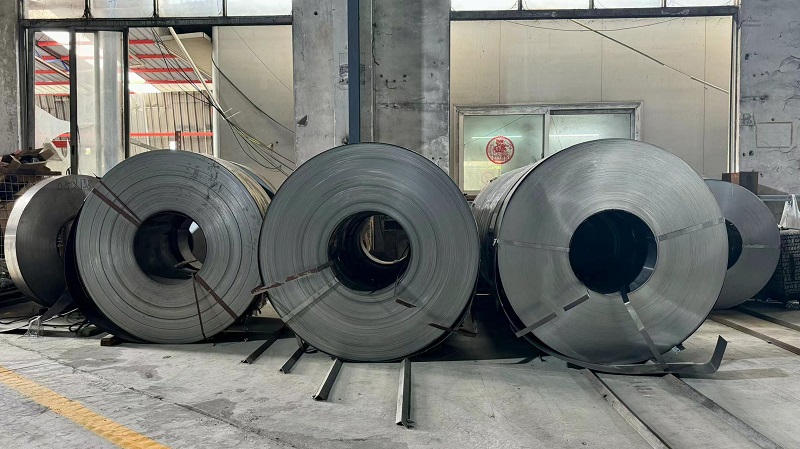
As warehouse operations transition toward automation, the demands on racking systems have evolved. Modern designs must support automated storage and retrieval systems (AS/RS) alongside traditional forklifts. Shenzhen Kimsuk’s engineering roadmap focuses on three main architectural innovations:
Shifting standard profiles to Q235B and Q355 structural steel grades. These alloys optimize raw material mass while achieving superior load-bearing capabilities and structural safety margins.
Engineered footplates designed to flex under specific frequency ranges. This reduces the risk of structural collapse in high-risk zones, protecting personnel and stock.
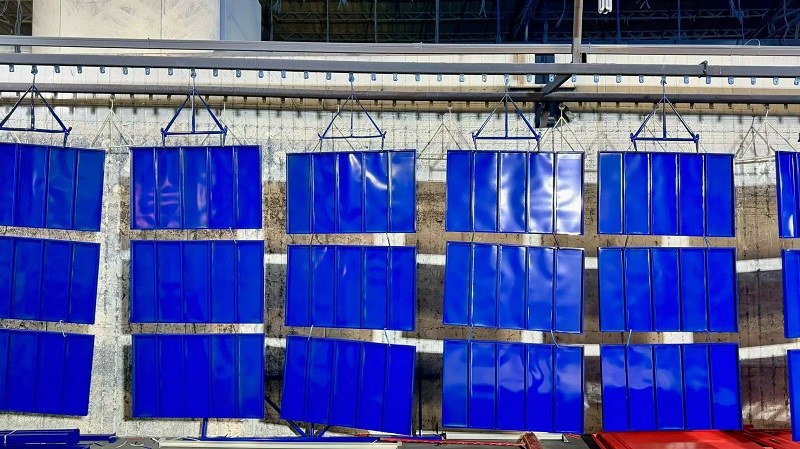
Using zero-VOC electrostatic powder coatings that resist abrasion, dynamic impacts, and exposure to corrosive industrial environments.
Industrial storage solutions must adapt to local real estate dynamics. For example, in North America and Western Europe, where high-bay warehouse ceilings are standard, multi-tier mezzanine configurations and high-density pallet racks are used to optimize vertical space. In Southeast Asia, humid conditions require enhanced anti-corrosion treatments, such as hot-dip galvanizing or dual-layer powder coating, to extend structural lifetimes.
Designed for heavy load distributions, high-velocity storage zones, and robust safety compliance across global distribution networks.

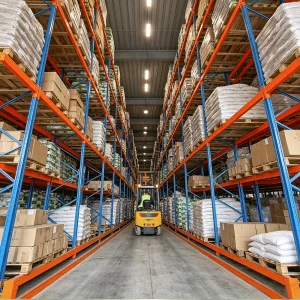

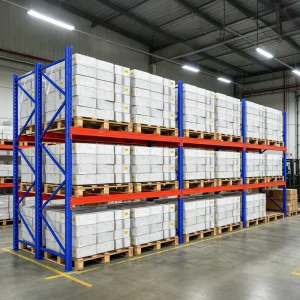
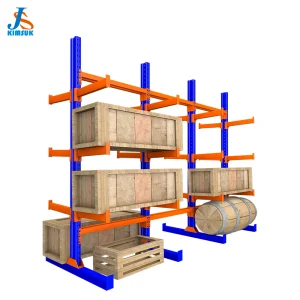

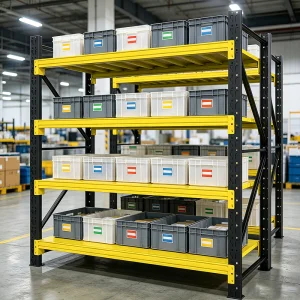
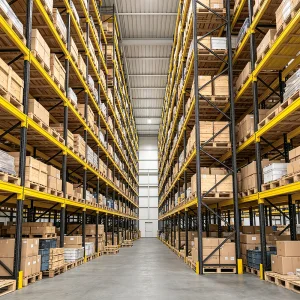
When evaluating high-capacity racking and industrial retail shelving suppliers, procurement teams must verify and document core structural and raw material parameters. Relying solely on cost-per-pallet position can lead to safety risks and compliance failures. Let's outline the essential engineering checks required for heavy-duty industrial warehouse procurement:
Ensure the manufacturer uses premium structural carbon steel (such as Q235B or Q355). Using low-quality scrap steel can lead to unpredictable deformation under extreme loads. Leading manufacturers provide certified mill test certificates (MTC) tracking each batch to its origin plant.
Verify calculations using Finite Element Analysis (FEA) alongside dynamic load capacity tests. This confirms that beams, uprights, and connectors can safely support their maximum load ratings, including dynamic forces during forklift loading and unloading.
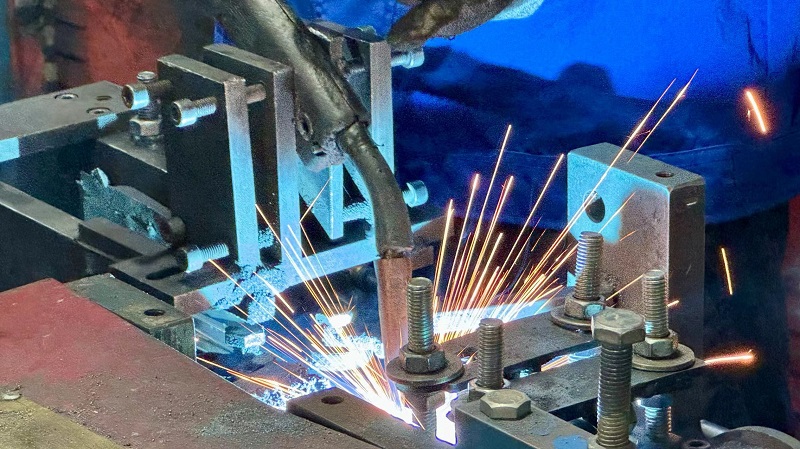
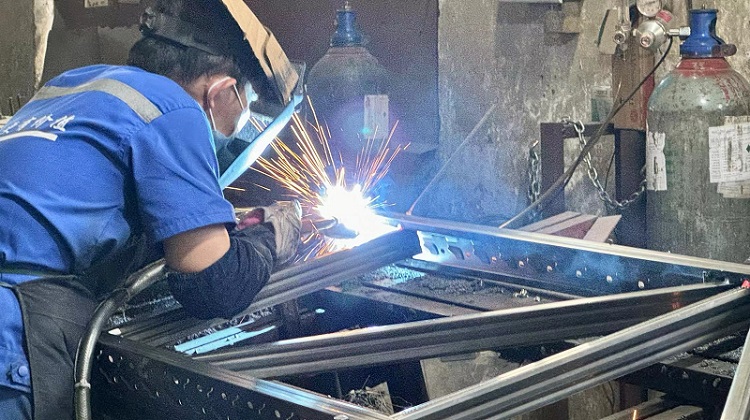
Welding quality determines the overall safety of cantilever arms and heavy-duty connectors. Supplier audits should verify the use of multi-pass carbon dioxide gas shielded arc welding and ultrasonic testing to identify internal defects or microscopic cracks.
A quality finish protects steel from corrosion and wear. Look for automated electrostatic powder coating lines with pre-treatment steps like sandblasting or phosphating to ensure excellent paint adhesion and long-term durability.
Key considerations for engineers, plant operators, and warehouse managers sourcing high-load capacity racking systems.
 Kimsuk Rack