In modern logistics, Cold Storage Racks represent one of the most demanding sub-sectors of structural warehouse engineering. Running refrigeration systems generates massive utility expenses, making spatial optimization paramount. Unlike standard temperature-controlled warehouses, cold storage systems must sustain continuous sub-zero environments (down to -30°C or colder) without compromising mechanical safety or material durability.
Choosing a premier manufacturing partner guarantees the engineering expertise required for cold room resilience. This technical guide outlines the commercial dynamics of high-density cold storage systems, highlights key regulatory compliance checkpoints, and profiles state-of-the-art product variations tailored for international exporters and distributors.
Select commercial-grade heavy duty storage products optimized for cold chain operations.
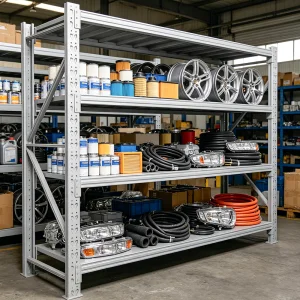
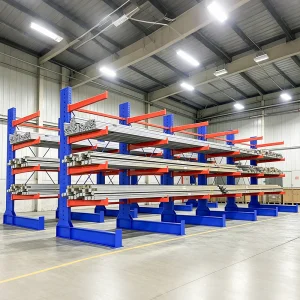
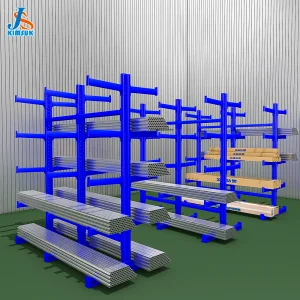


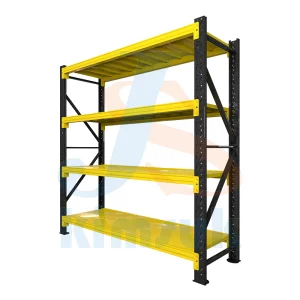
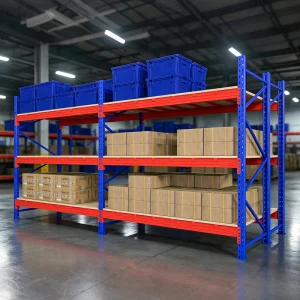
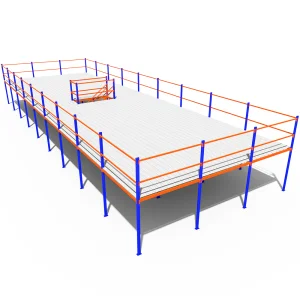
Deploying cold warehouse operations requires an analytical approach to raw materials, structural design, and storage optimization mechanisms.
Every cubic meter of cooled airspace represents a recurring operational expense. High-density structures like Drive-In, Radio Shuttle, and Automated Mezzanines minimize aisle space, allowing operators to scale up pallet volumes while maintaining a compact physical footprint to lower HVAC workloads.
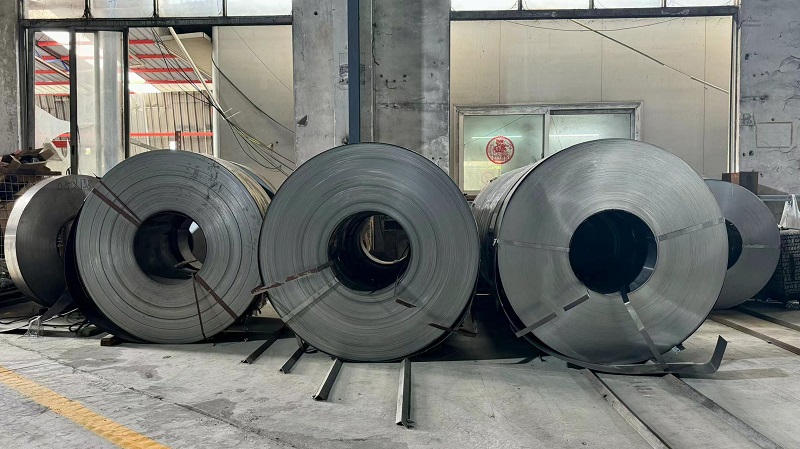
Standard carbon steel becomes brittle under sub-zero conditions, increasing the risk of structural failure. Our cold storage racking systems leverage low-temperature certified steel alloys (such as Q355D grades), engineered to withstand impact loads without cracking or structural failure at -30°C.
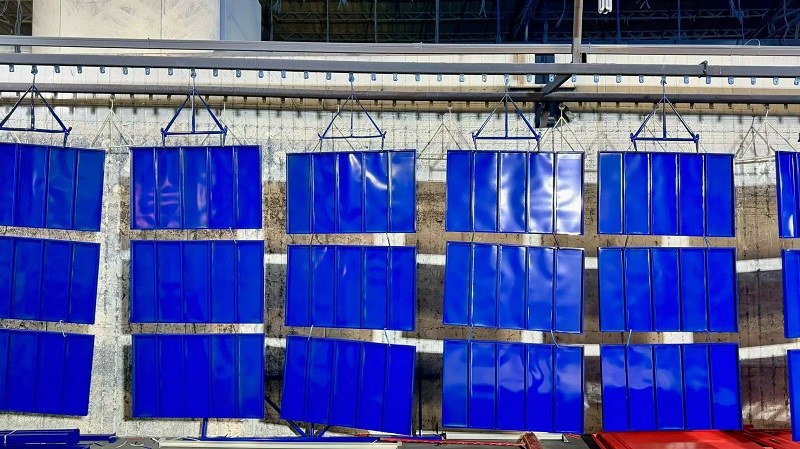
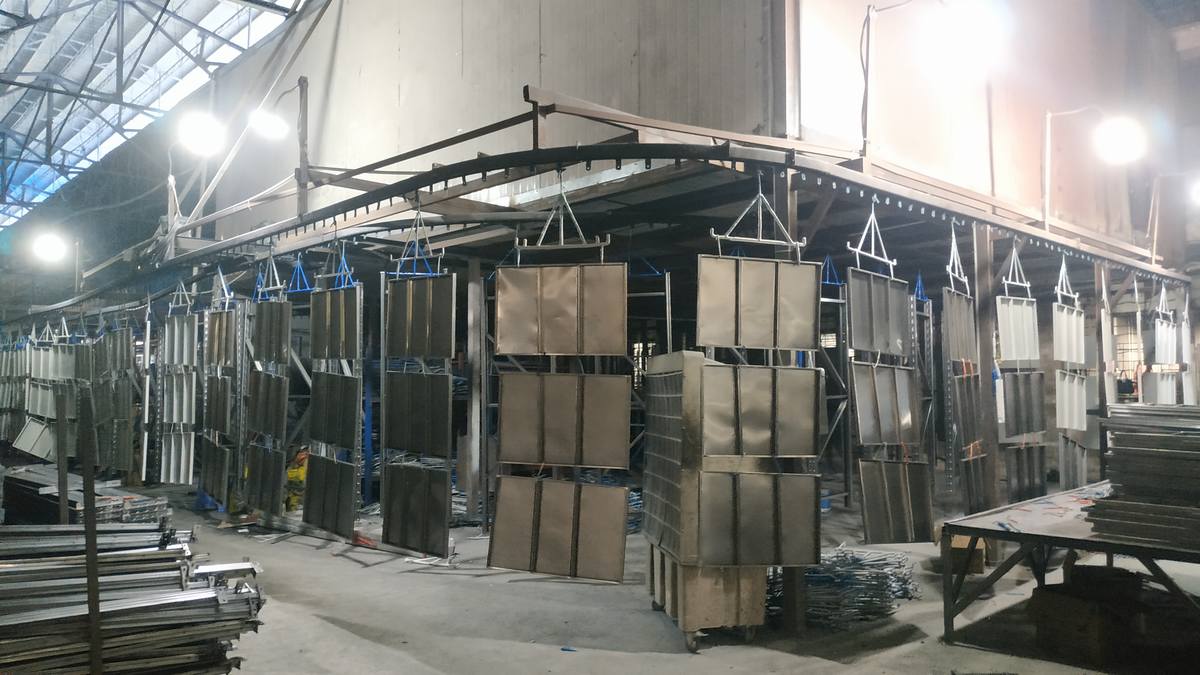
High moisture and condensation from temperature cycles cause rapid corrosion on carbon steel. Heavy galvanization (HDG) and specialized anti-corrosive powder coatings act as vital physical barriers against moisture, preventing oxidation and maximizing system life cycles.
Operating a cold storage supply chain demands precise engineering. Structural steel must comply with globally recognized testing procedures to secure certifications such as EN 15512 or RMI standards. Our design methodology utilizes Finite Element Analysis (FEA) to simulate localized seismic events, extreme concentrated floor loads, and forklift impact forces in temperature-controlled spaces.
Furthermore, customized column profiles with double-fold configurations and reinforced bases maximize structural stiffness. Baseplates are secured with chemical anchor bolts resistant to sub-zero temperature movement, minimizing maintenance overheads and protecting personnel.
1. Site Feasibility: Thermal modeling, floor slab flatness evaluations (FF/FL numbers), and clearance checks.
2. Structural Simulation: Software analysis for structural load paths under extreme conditions.
3. Anti-Corrosive Shielding: Selecting between Hot-Dip Galvanizing (80-120μm thick) or dual-layer electrostatic powder coating.
4. Precision Installation: Assembly by certified rack technicians using specialized cold-room compliant torque parameters.
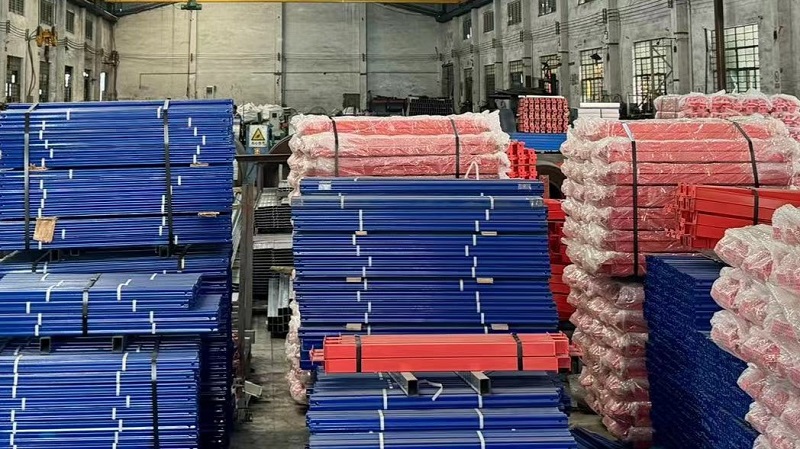
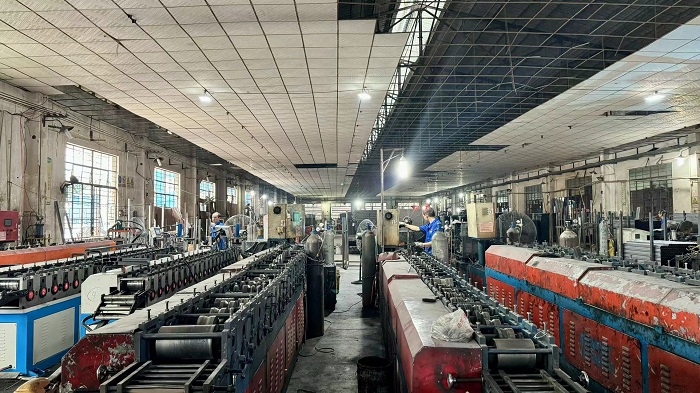
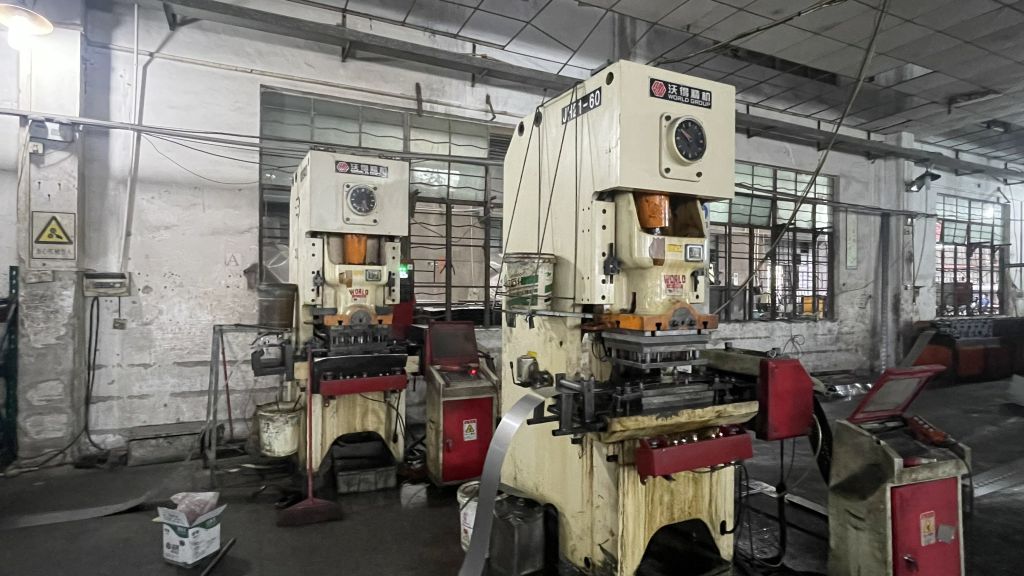
Established in 2015, Shenzhen Kimsuk Storage Equipment Manufacturing Co., Ltd. is a leading industrial warehouse storage systems manufacturer headquartered in Shenzhen, China. Operating from a modern 38,000 m² production facility, we specialize in high-density pallet racking, mezzanine systems, and customized logistics storage solutions for global enterprises.
With over 11 years of deep industry expertise and 8 years of direct international trade experience, Kimsuk generates over $22 million in annual export sales. Our primary overseas markets cover North America, Western Europe, Southeast Asia, and the Middle East, serving heavy-duty distributors, logistics hubs, e-commerce fulfillment centers, and industrial manufacturing plants.
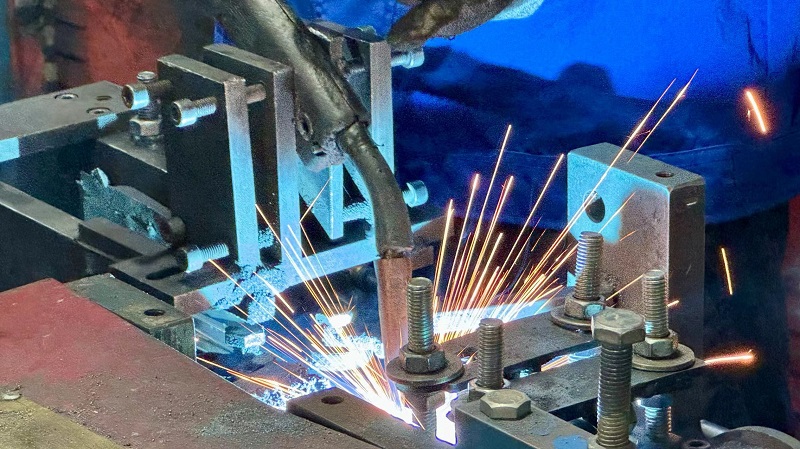
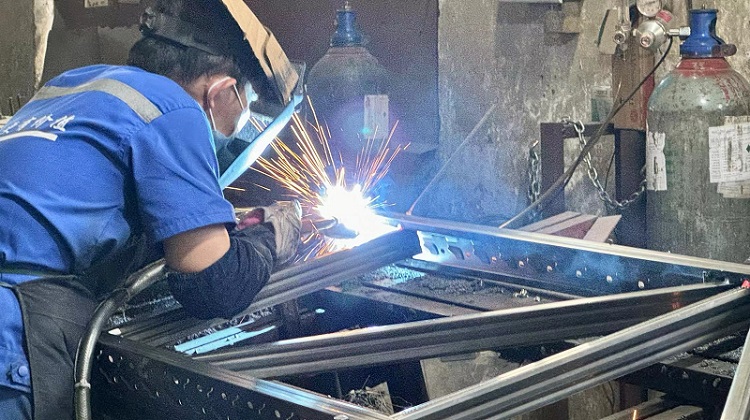
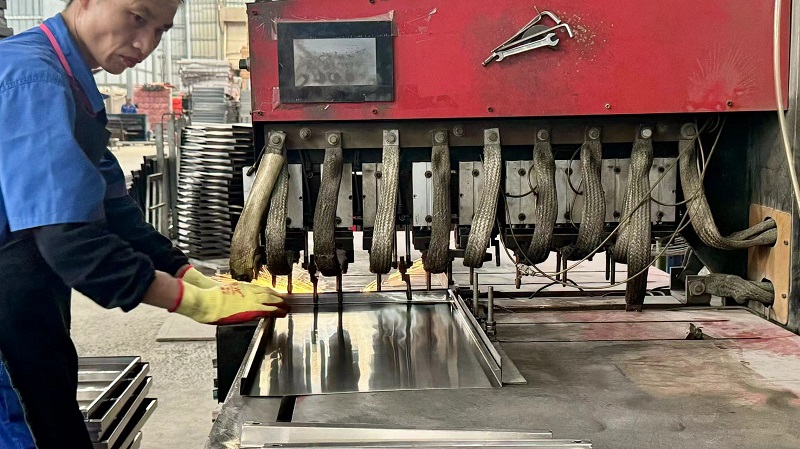
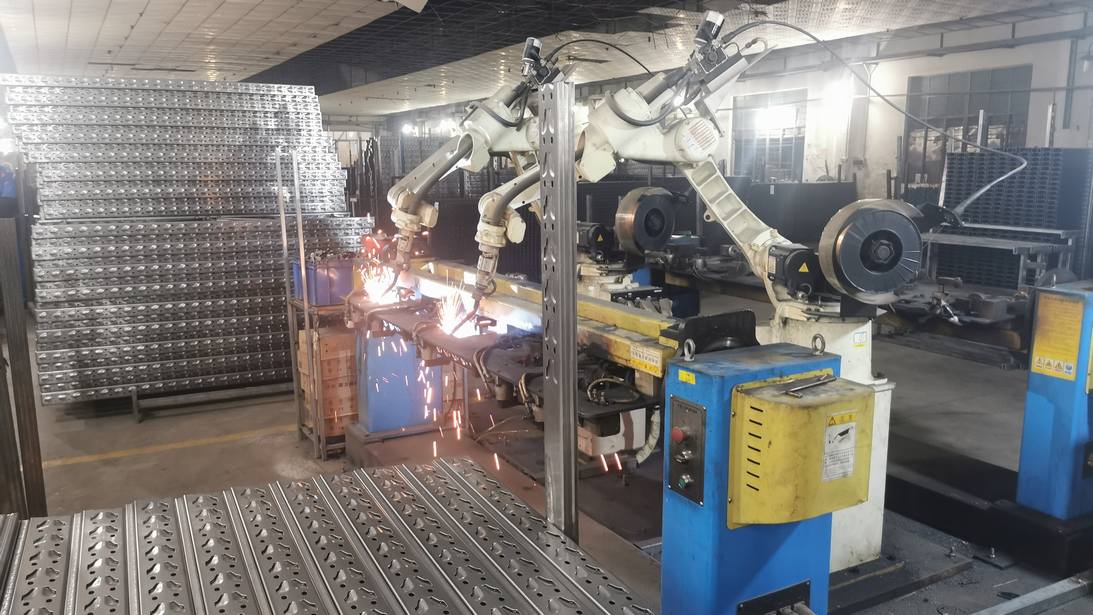
Quality and safety are at the core of our manufacturing philosophy. Backed by 35 dedicated full-time QC specialists, we execute rigorous quality control protocols across all production phases—including spectral raw material testing, ultrasonic weld inspection, dynamic load capacity testing, and automated powder-coating durability checks.
Driven by strong innovation, our internal R&D team consists of 18 experienced structural engineers. Last year alone, we successfully launched 45 new optimized racking designs. We offer extensive OEM/ODM customization options, including tailored load capacities, specific column profiles, seismic-resistant structures, and custom anti-corrosion surface treatments. Supported by an integrated network of over 850 reliable supply chain partners, Shenzhen Kimsuk delivers high-performance, cost-effective warehouse storage systems engineered to maximize your space utilization.
Answers to technical, regulatory, and mechanical questions about cold room racking systems.
Low-temperature environments require carbon steels with high impact strength, such as Q355D or European equivalent S355JR. These grades undergo impact tests at sub-zero temperatures (Charpy V-Notch test) to confirm they won't undergo a ductile-to-brittle transition, preventing potential structural failures.
Hot-Dip Galvanizing (HDG) deposits a thick zinc-iron alloy coating (typically 80-120 microns) that covers both the interior and exterior of hollow structural steel sections. This provides superior corrosion resistance in high-moisture environments. Electrostatic powder coatings are clean, cost-effective, and suitable for low-moisture zones, but require multi-layer applications for harsh areas.
Adequate airflow is critical for temperature consistency. Cold storage racks must be designed with specific clearances (back-to-back rack spacing and shelf gaps) to allow cold air to distribute evenly. Obstructing airflow leads to warmer pockets that jeopardize perishable goods.
Global logistics projects require compliance with either the European EN 15512 standards or the Rack Manufacturers Institute (RMI) guidelines in the USA. These standards define calculations for seismic loads, load capacities, deflections, and testing procedures for upright columns and load-bearing beams.
Yes, standard cold-conditioned reach trucks can access drive-in lanes. However, automated radio shuttles improve safety by handling deep pallet transport. This keeps forklifts out of the racking bays, reducing structural collision risks.
Heavy duty warehouse and retail racking solutions designed for international logistics networks.



 Kimsuk Rack