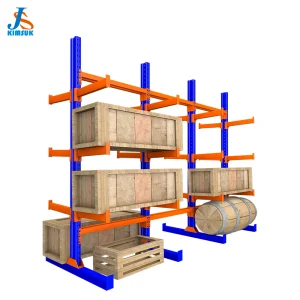
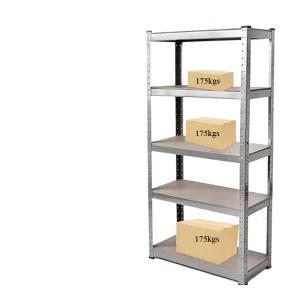
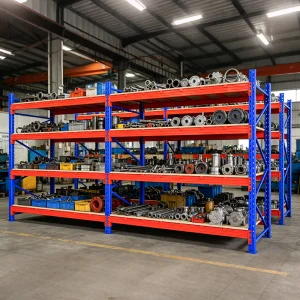
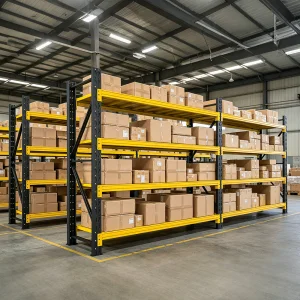
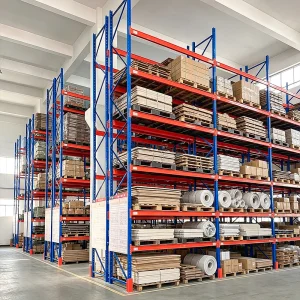
Explore our primary structural configurations engineered to optimize vertical footprint, structural integrity, and material handling workflows.

In the modern era of logistics optimization, space is no longer just a physical dimension; it is a critical driver of balance-sheet efficiency. Worldwide supply chain pressures dictate that distribution hubs, fulfillment platforms, and manufacturing units operate with micro-metric precision. High-density racking, structural steel mezzanines, and custom-tailored stacking systems form the engineering backbone of this paradigm.
As a premier heavy-duty structural steel system specialist, Shenzhen Kimsuk Storage Equipment Manufacturing Co., Ltd. stands at the nexus of high-precision roll-forming engineering and global trade compliance. Established in 2015, we operate a state-of-the-art 38,000 m² manufacturing complex based in Shenzhen, China. Our facilities utilize advanced, automated structural engineering platforms designed to execute custom OEM/ODM solutions conforming to international regulatory standards, including ANSI/RMI MH16.1, EN 15512, and AS4084.
With more than 11 years of structural storage field tenure and 8 years of direct global logistics export experience, Kimsuk generates exceeding $22 million in annual export sales. We supply high-performance solutions to tier-1 supply-chain networks, regional distributors, and heavy machinery plants across North America, Western Europe, Southeast Asia, and the Middle East.
Our corporate model relies heavily on comprehensive dynamic-load testing, structural finite element analysis (FEA), and strict raw material traceability. We deliver physical security to warehousing operations worldwide, backed by:
The global warehousing market is undergoing rapid spatial compaction. Due to skyrocketing industrial land valuations and the global expansion of e-commerce channels, companies are forced to extend operations vertically rather than laterally.
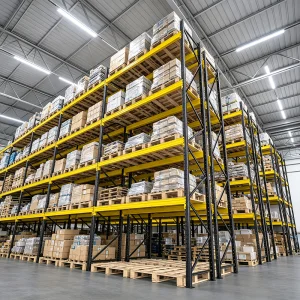
Modern distribution facilities require systems that maximize spatial volumetric metrics. Automated and semi-automated racking configurations allow systems to extend past 15 meters in height safely, expanding storage density by up to 85% compared to conventional floor stacking layout arrays.
Just-In-Time (JIT) processes have integrated with safety stock methodologies, creating high demands on retrieval speeds. Modular structural layouts allow material handlers to rearrange configurations rapidly, minimizing downtime and adjusting to changing business cycles.
Industrial installations demand rigorous compliance parameters. Municipal planning committees and global insurers mandate verification files illustrating elastic structural behavior under load, seismic movement calculations, and fatigue tests of welded connections.
This structural environment requires suppliers to move beyond raw commodity fabrication and act as full structural design partners. Shenzhen Kimsuk answers this demand by offering tailored design calculations and dynamic physical tests for all bespoke OEM racking installations, ensuring peace of mind under the most demanding logistics schedules.
As high-density warehousing evolves, three key technological trends are reshaping the engineering, procurement, and deployment of heavy-duty industrial storage racks:
Traditional static racking is merging with dynamic shuttle and crane systems. Structural racks must now handle the dynamic payloads, deceleration forces, and strict structural tolerances of automated shuttle cars. Kimsuk designs systems with minimized tolerance deviations (+/-1mm across column centers) to ensure crane alignments function smoothly without sensor interruptions.
Environmental regulations across Europe and North America have limited the use of heavy-metal pickling treatments. The industry is moving to eco-friendly zinc-phosphate and dry electrostatic powder-coating systems. Our zero-VOC powder-coating lines produce tough coatings that resist corrosion, acids, and chemical exposure without harming the environment.
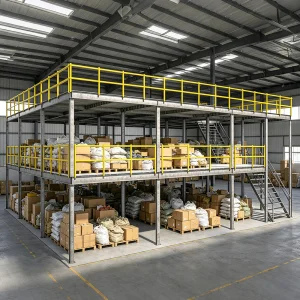
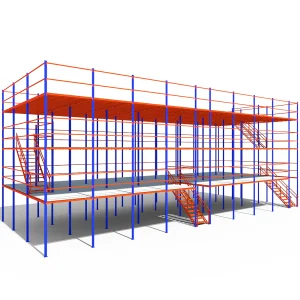
Static flooring is being replaced by prefabricated, modular mezzanine systems that can expand as businesses grow. These platforms are designed with bolt-together connections that allow columns and joists to be relocated easily. This adaptability helps logistics hubs reconfigure sorting decks, conveyor paths, and fulfillment stations with minimal downtime.
Future storage frameworks will include stress-gauge sensors and load-cell networks built into upright columns. These sensors provide real-time weight data, warn operators of structural overloading, and detect forklift impacts, helping maintain structural integrity across the warehouse.
From structural steel coil sourcing to shipping, our ISO 9001-certified production facility ensures dimensional consistency and high load capacities.
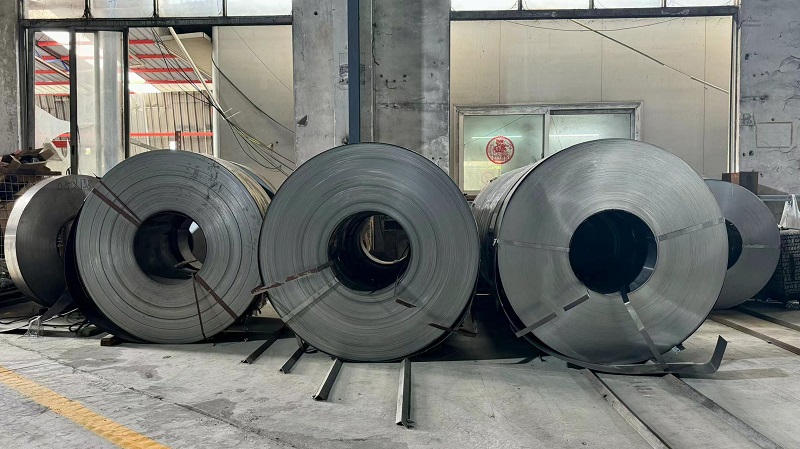
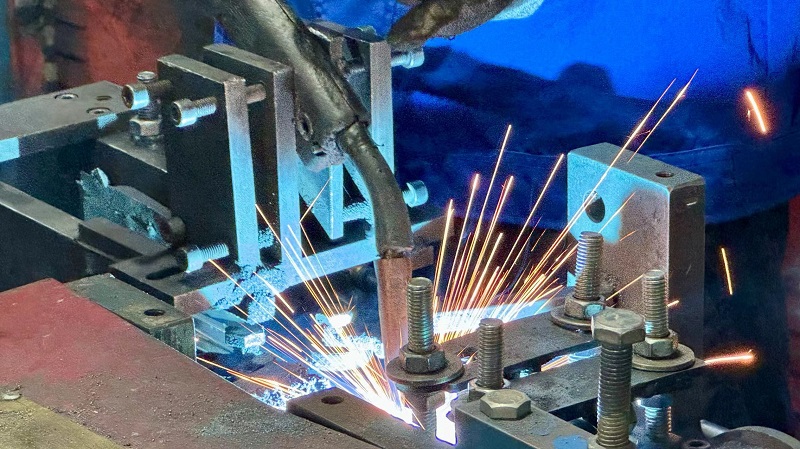
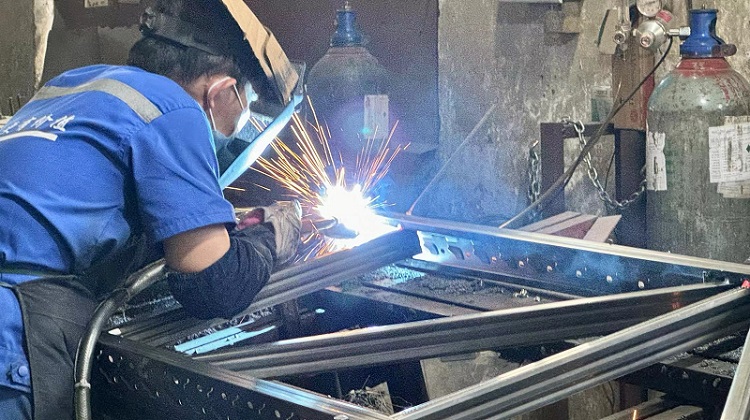
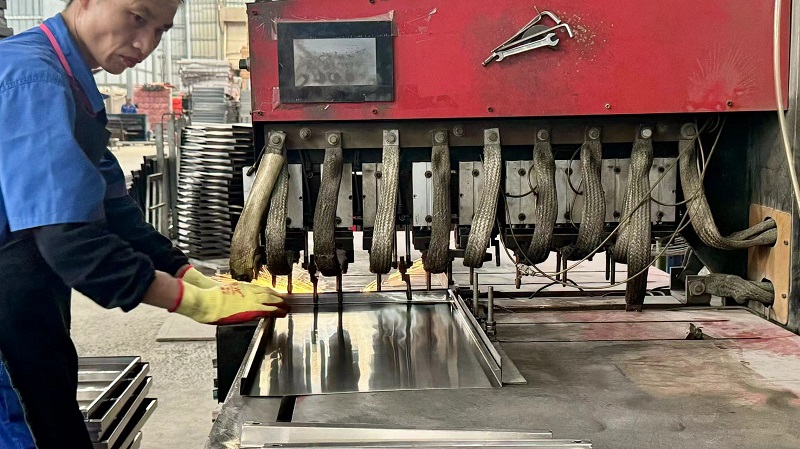
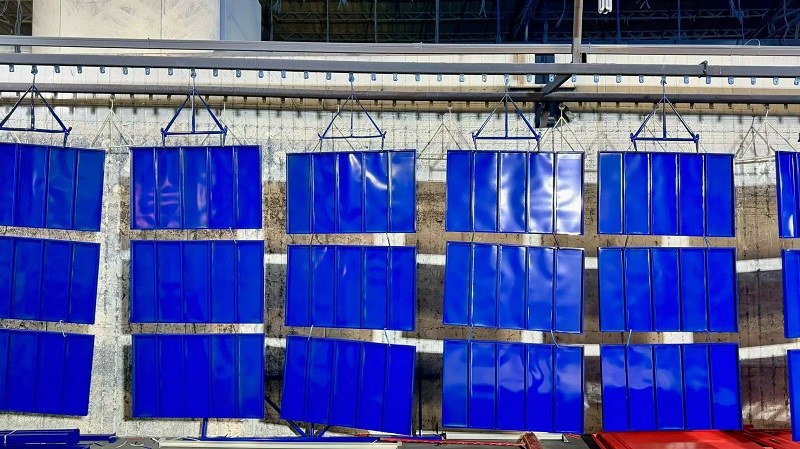
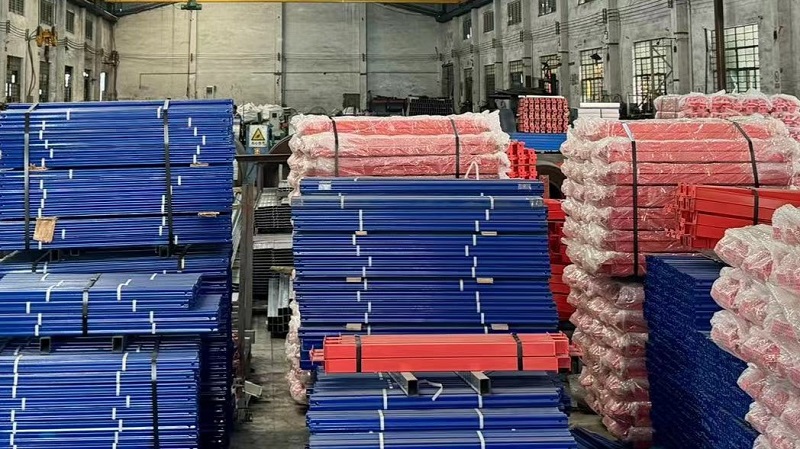
To maintain dynamic load capacity and structural safety, Kimsuk invests in heavy-duty machinery. Our production plant features heavy-tonnage presses, automated roll-forming lines, multi-angle punches, and robotic welders that keep structural components aligned within tight tolerances.
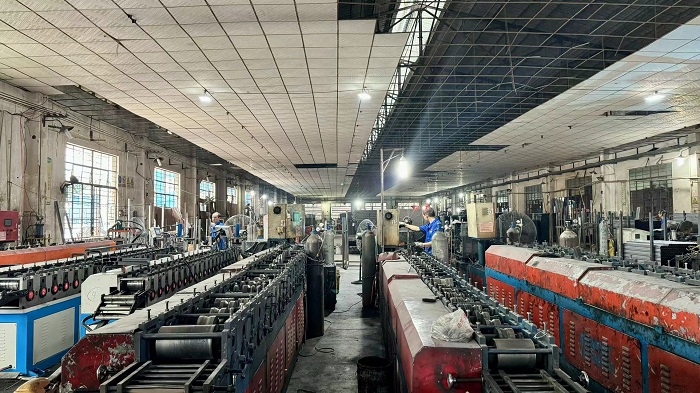
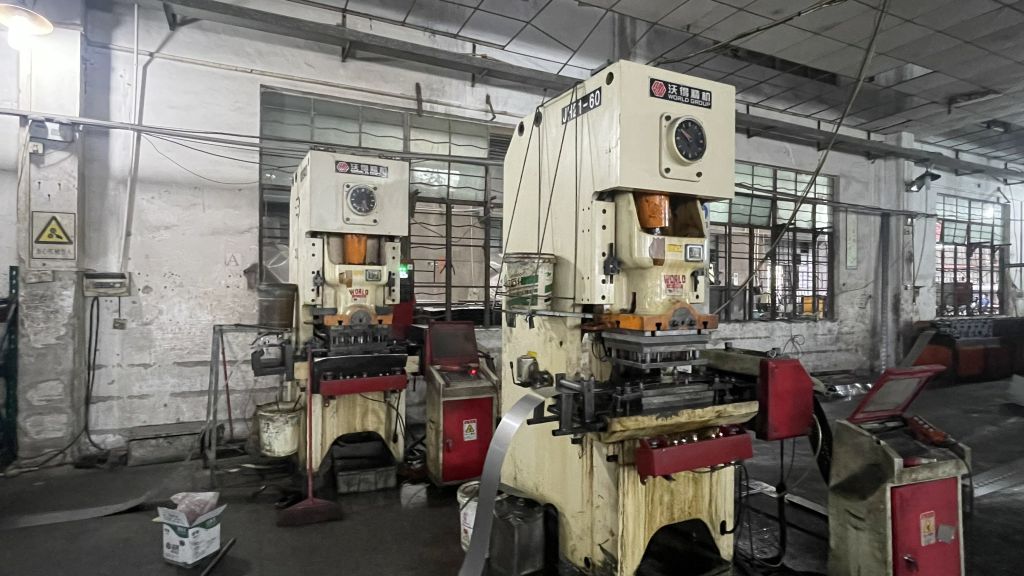
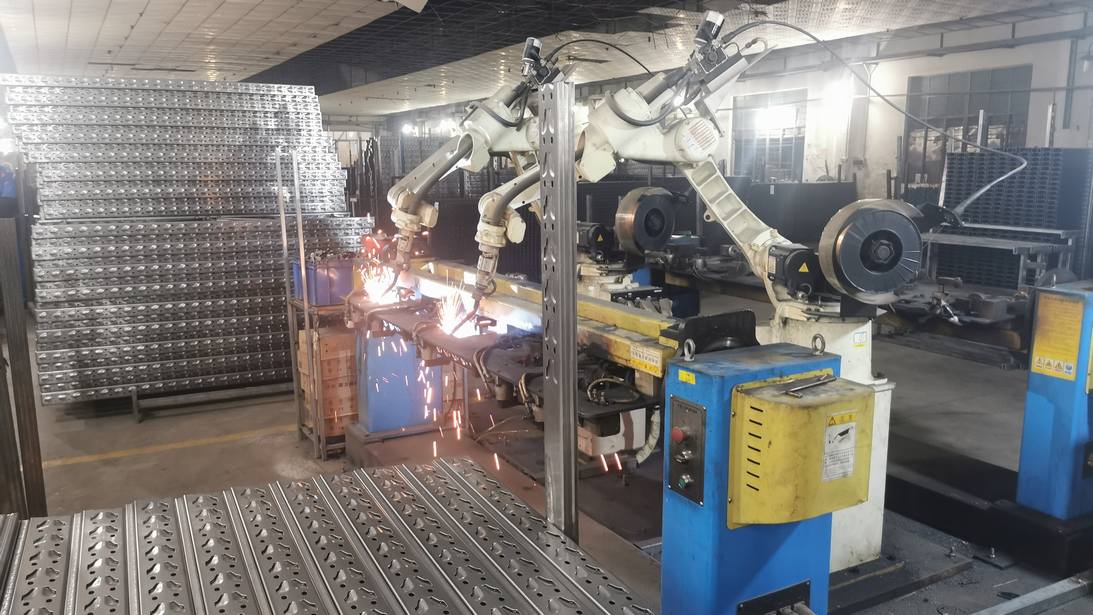
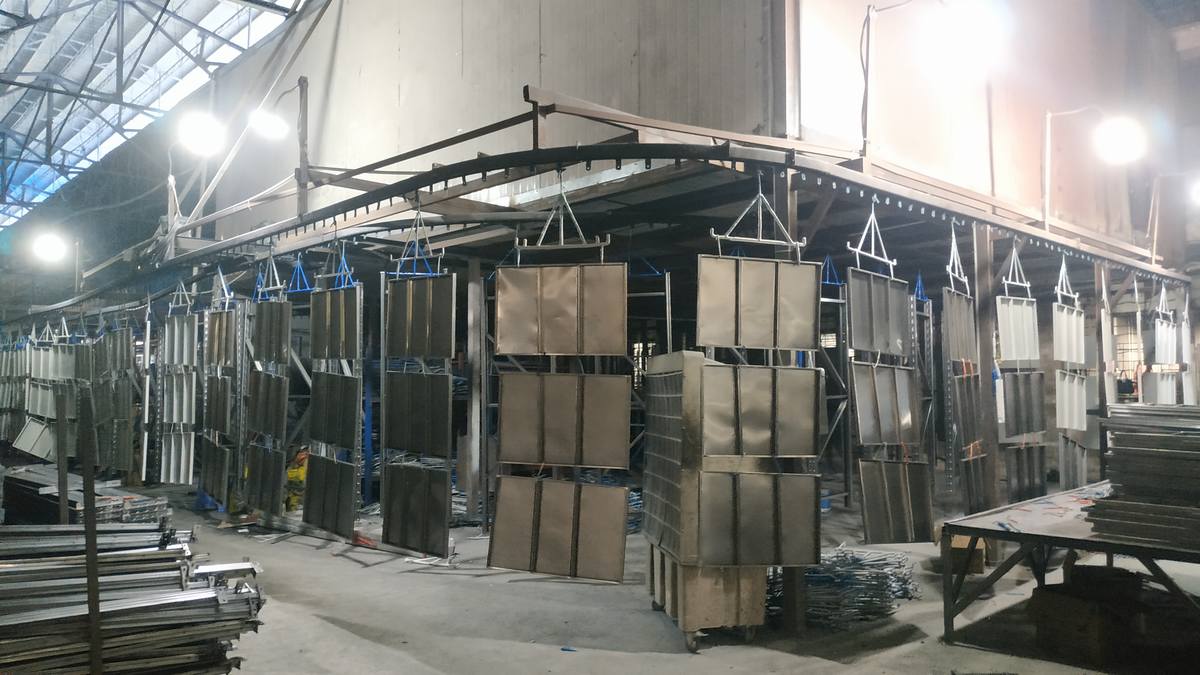
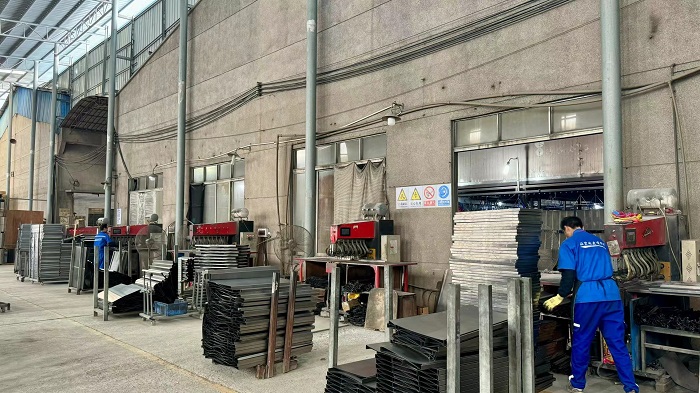
Different industries face unique structural storage challenges. We customize our racking profiles to match the environmental conditions and regulations of our target markets.
Cold storage facilities require high energy efficiency and space utilization. Working in temperatures down to -30°C demands structural steel with excellent low-temperature impact resistance. We use custom steel grades (such as Q355D) and specific powder formulas to prevent structural cracking under cold thermal stresses.
E-commerce distribution centers require quick access to many different SKUs. Our multi-level mezzanine platforms and selective racking systems organize inventory pathways clearly, accommodating conveyor systems, automated sorting lines, and picking teams safely.
For warehouses located in active seismic zones (like the US West Coast or Japan), we calculate dynamic seismic loads to engineer larger, heavy-duty footplates, high-ductility frames, and high-tensile connection bolts. These details help protect workers and inventory during ground movements.
Our 18 engineering specialists use finite element analysis (FEA) software to simulate load distributions, wind loads, and seismic forces before manufacturing begins. This modeling ensures that every customized upright, beam, and connector is built to perform safely in the field.
Get technical answers on compliance, load calculations, custom options, and global shipping processes.
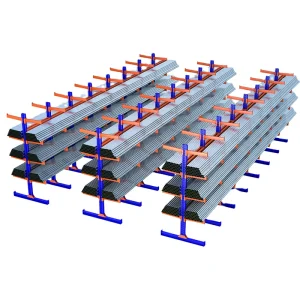
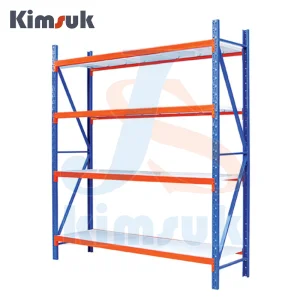
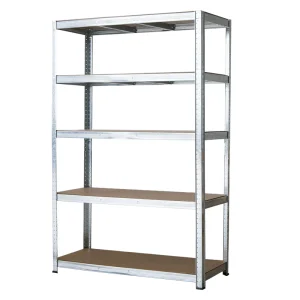
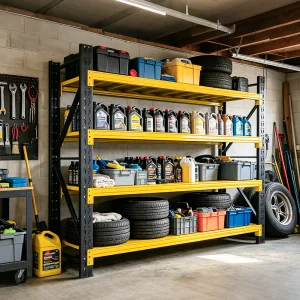
Browse our light-to-heavy-duty shelving, cantilever options, and custom industrial storage solutions.
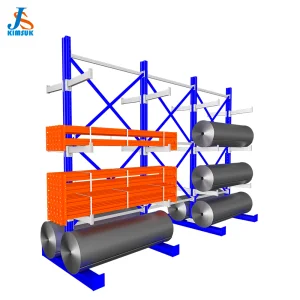
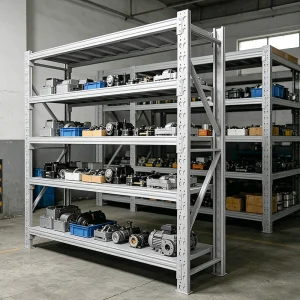

 Kimsuk Rack