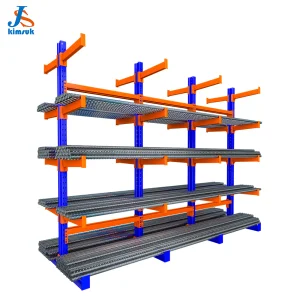
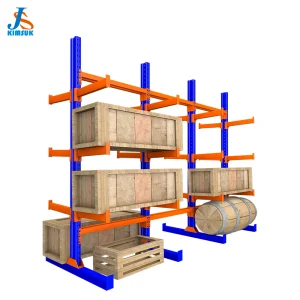
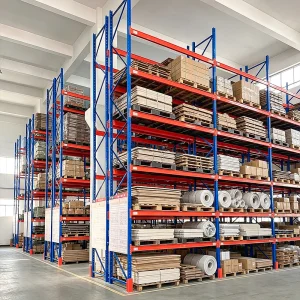
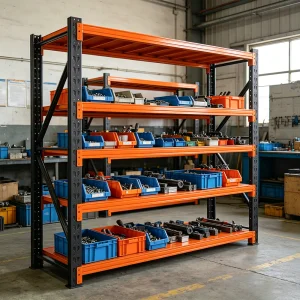
Modern supply chain logistics are undergoing a radical shift toward automation. Industry 4.0 paradigms demand that high-density storage systems do not merely function as passive weight-bearing assets, but act as highly integrated nodes in automated recovery systems (AS/RS). As a premier global logistics node, China has surfaced as the focal point for high-performance, cost-effective automated shelving engineering.
By leveraging advanced structural engineering, smart inventory routing, and premium cold-rolled steel profiles, our automated shelving systems address critical storage problems. We target massive reductions in cycle-time latency, optimal utilization of vertical building volume, and near-zero error tolerances in high-throughput fulfillment environments.
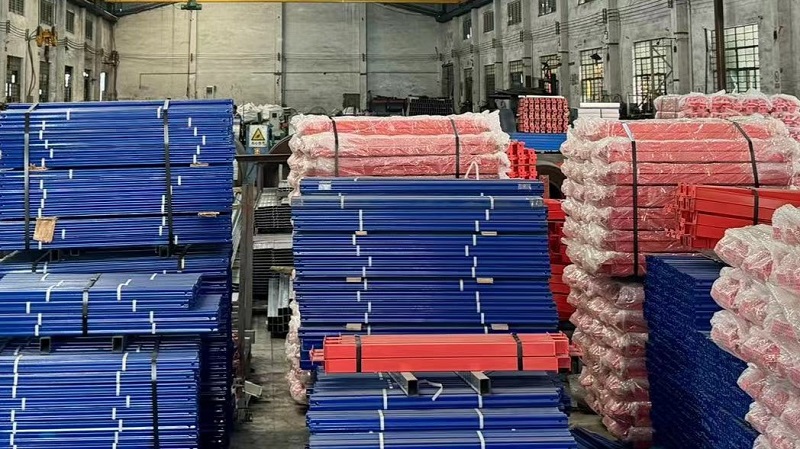
Shenzhen Kimsuk Storage Equipment Manufacturing Co., Ltd., established in 2015, stands at the frontier of this space. Serving from our state-of-the-art 38,000 m² plant, we build complex storage structures for global enterprises requiring structural longevity under intensive continuous workloads.
Sourcing industrial-grade automated shelving from China offers distinctive structural, financial, and logistical advantages that cannot be replicated easily in Western markets. The key lies in the unparalleled vertical integration of industrial metal processing clusters, combined with state-subsidized technological innovation in smart logistics machinery.
Direct integration with premium tier-one domestic steel mills ensures steady access to structural Q235B and Q355B steel. Constant metallurgy consistency is verified through on-site spectral testing to guarantee rated load profiles.
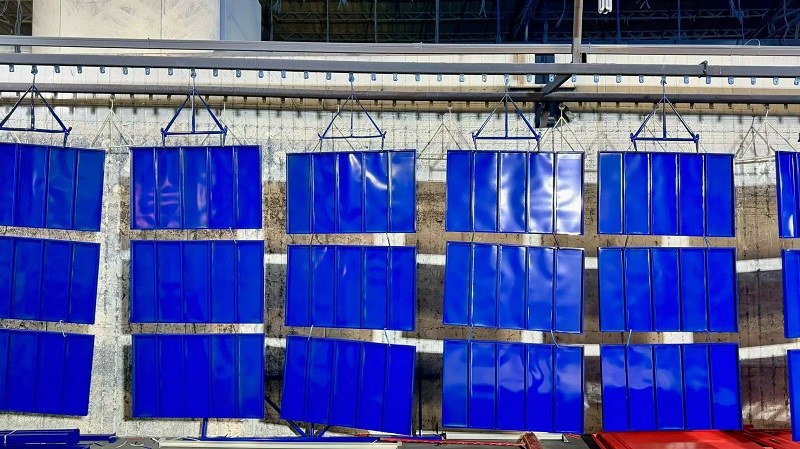
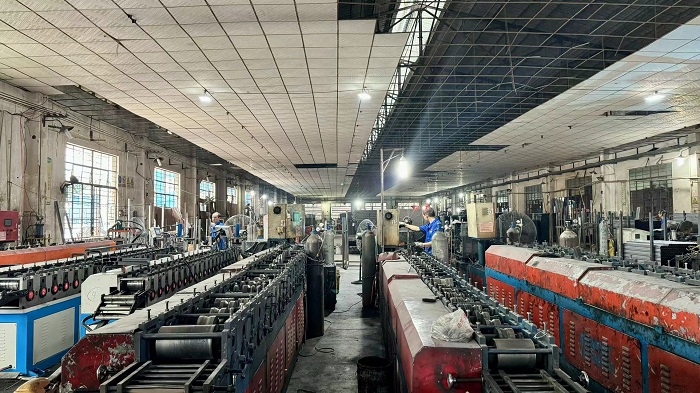
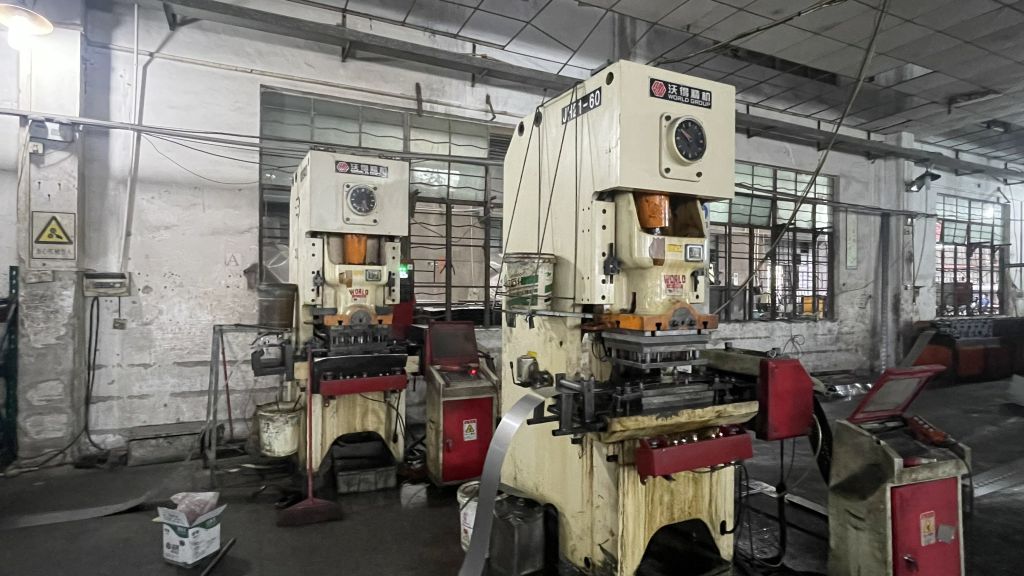
Our production floor leverages high-speed automated punch presses, precision roll-forming lines, multi-axis robotic welding cells, and automated electrostatic powder coating lines that process components with sub-millimeter precision.
Collaborative synergy with over 850 reliable downstream and upstream supply chain partners ensures we acquire custom-dimension components, electronics, motors, and structural steel accessories without long lead times.
Precision execution at every step defines our quality. Operating under ISO-compliant process flows, Shenzhen Kimsuk ensures structural performance and surface finish integrity through standard, repeatable manufacturing operations.
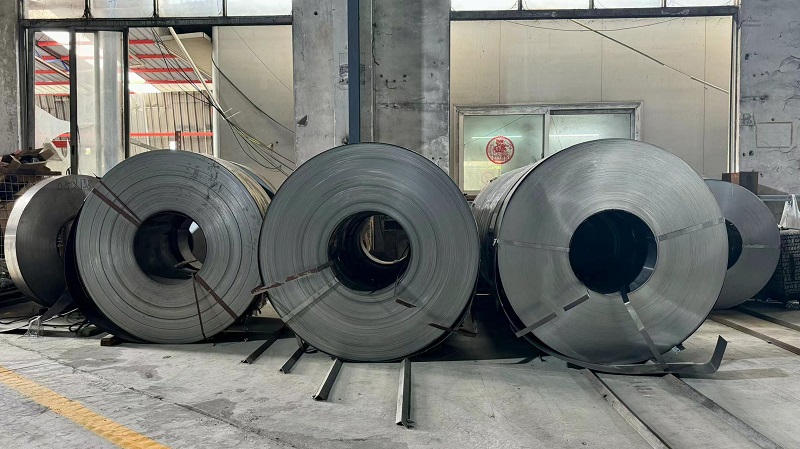
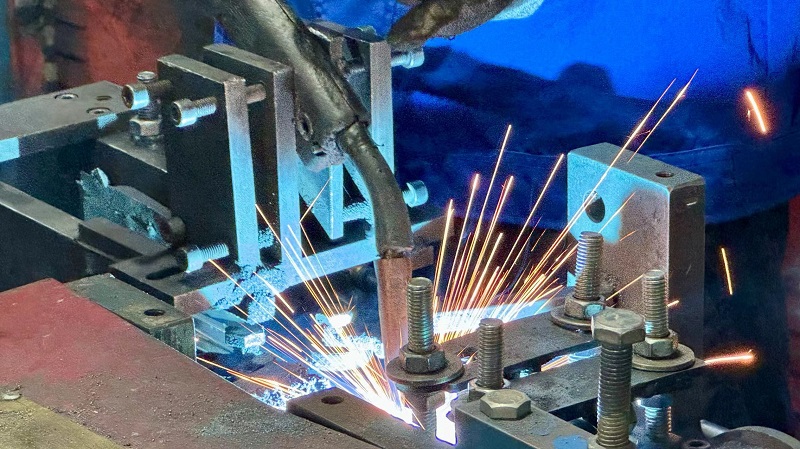
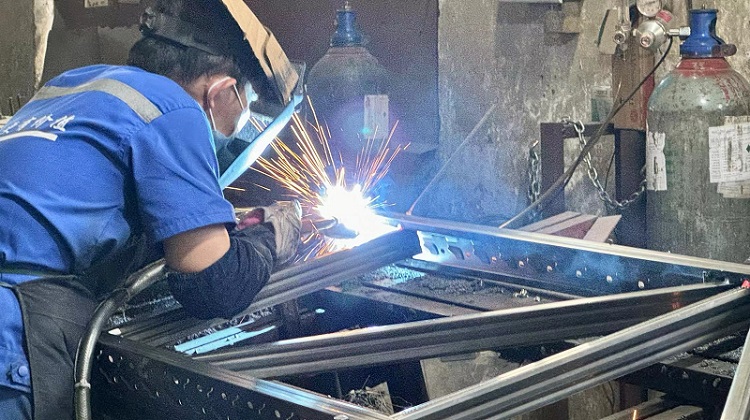
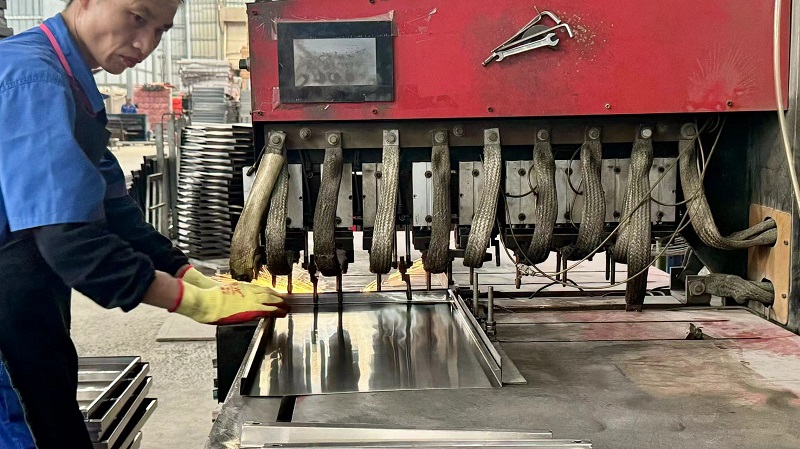
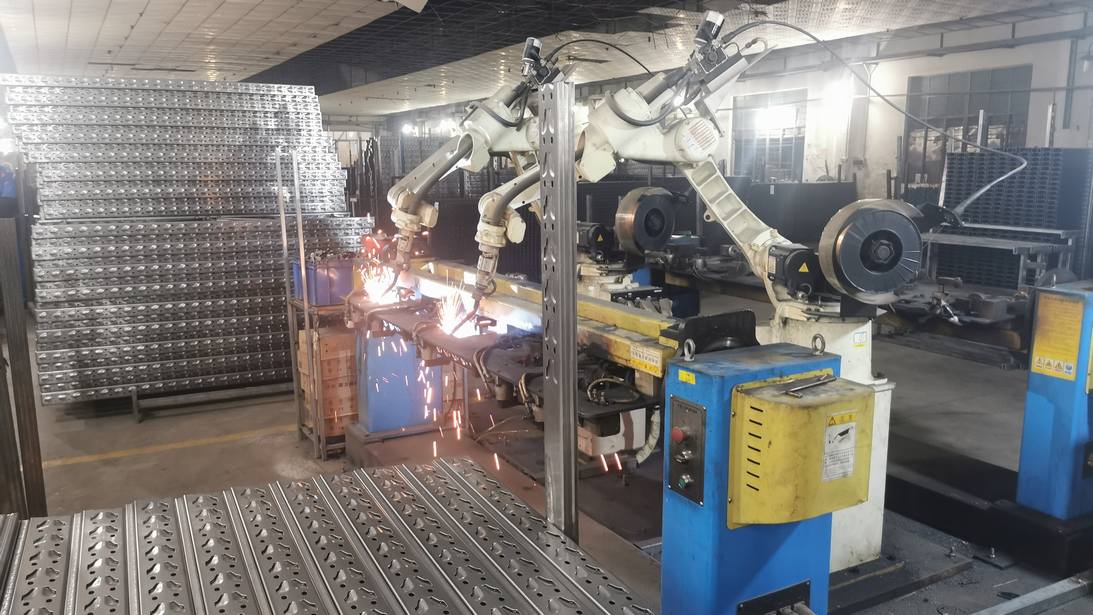
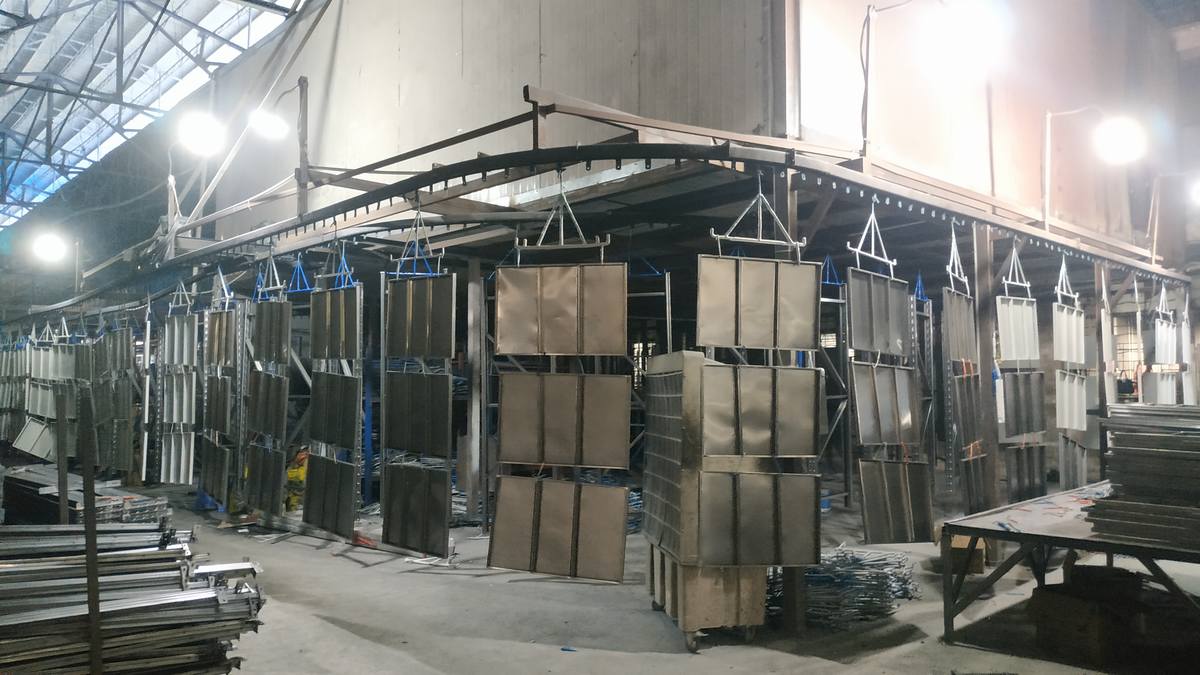
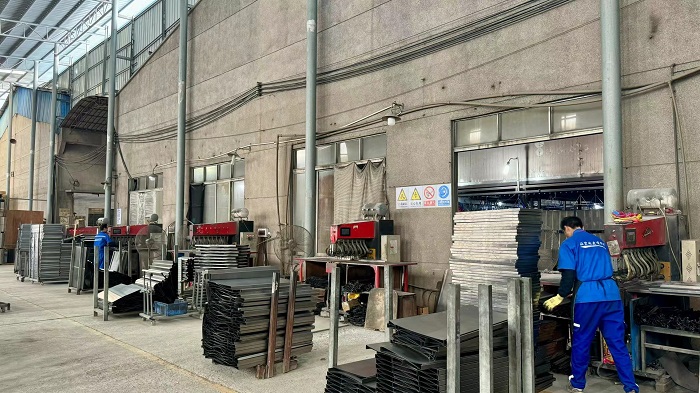
Large-scale supply chain managers and systems integrators do not purchase racking systems merely based on list prices. The overarching objective is calculating the optimal Total Cost of Ownership (TCO) and mitigating long-term operational liabilities. We address these critical global procurement challenges through dedicated engineering processes:
Every beam, column, and cross-brace profile is analyzed via Finite Element Method (FEM) software. Designs feature a built-in safety multiplier of 1.5 to 2.0 to guard against structural failure from unexpected overload conditions.
System components are designed with standardized modular pitches (typically 50mm or 75mm). This allows rapid expansion, easy repositioning of beam heights, and future integration with Automated Guided Vehicles (AGVs).
Standard industrial storage environments are prone to wear and moisture. Our automated powder-coating process provides uniform coating depth, passing stringent 500-hour salt spray testing for corrosion resistance.
For international buyers, buying machinery from overseas factories can present compliance hurdles. Our systems are built to meet rigorous regional structural standards, ensuring clean approvals by local safety commissions.
We work in strict compliance with FEM 10.2.02 (European Code of Practice), ANSI/RMI MH16.1 (Specification for Industrial Steel Storage Racks), and local seismic parameters. Whether designing for earthquake zones in North America or standard logistics hubs in Western Europe, Kimsuk engineers calculate precise structural tolerances for baseplates, column anchor patterns, and diagonal bracings.
To reduce implementation barriers, we partner with regional contracting networks across key markets to offer on-site supervision, installation, and compliance certification support. We provide complete installation schematics, detailing torque requirements for floor anchor bolts, shimming tolerances, and structural loading plates.
Structural steel configurations optimized for North American warehouse codes.
Meets rigorous European standards for automated rack systems and high deflection limits.
Custom baseplate engineering based on local seismic hazard calculations (Zone 1 through Zone 4).
Automated shelving applications are highly context-specific. A system configured for a pharmaceutical cold-chain vault operates under significantly different criteria than high-throughput e-commerce fulfillment hubs.
Operating in environments down to -30°C demands structural steel that remains ductile, preventing low-temperature embrittlement. Powder coatings must also be rated to resist temperature shifts and frost accumulation.
E-commerce fulfillment hinges on maximum picks-per-hour. Racking configurations must support robotic system components like mini-loads and multi-shuttles to handle thousands of light-weight package SKUs seamlessly.
Heavy machinery manufacturing requires storage systems that handle massive loading profiles. Pallet structures are engineered to securely hold individual loads from 1,000kg up to 5,000kg per beam level without deflection risks.
As logistics operations adapt to rising labor rates and real estate costs, several technological trends are shaping the future of automated shelving:
We primarily use Chinese standard Q235B and Q355B high-strength structural carbon steels. Q235B corresponds closely to ASTM A36 (US) and S235JR (EN 10025). Q355B acts as the counterpart to ASTM A572 Grade 50 and S355JR. These grades provide optimal yield strength and ductility, allowing components to support heavy loads without brittleness.
Our team of 35 dedicated full-time QC specialists executes a four-tiered inspection routine: raw material spectral testing, dimensional inspection during stamping and roll-forming, ultrasonic weld scans to verify weld penetration, and coating thickness verification using digital gauges. Load testing is performed periodically on dynamic hydraulic presses to verify calculated deflection limits.
Yes. Backed by 18 structural engineers, we develop tailored designs to meet specific logistics requirements. Last year, we launched 45 new optimized racking configurations. Custom options include specific column styles, custom upright spacing, seismic-resistant designs, and specialized corrosion coatings.
Our automated racking utilizes heavy-gauge steel upright protectors and guide rails to absorb structural impacts. In AS/RS environments, automated guide systems isolate vehicles from structural columns. We also offer bolt-on post protectors to simplify component replacement without replacing entire upright units.
Standard manufacturing timelines span 25 to 35 days from layout approval to container packing. Shipments leave from Shenzhen ports (such as Yantian or Shekou), offering direct ocean lanes to major ports worldwide.
 Kimsuk Rack