Engineered to integrate seamlessly with Autonomous Mobile Robots (AMRs), Automated Guided Vehicles (AGVs), and high-density warehouse storage schemes.

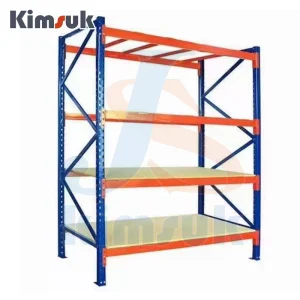


The industrial landscape in Iraq is undergoing a major technological transformation. As economic hubs like Baghdad, Basra, and Erbil rebuild and expand their supply chains, the demand for sophisticated logistics management has reached an all-time high. Modern supply chain operations can no longer rely solely on manual, low-density storage models. High-density racking systems, integrated with modern automated guided vehicles (AGVs) and autonomous mobile robots (AMRs), are rapidly replacing traditional configurations to satisfy growing local consumption and international trade requirements.
In this comprehensive white paper, we explore the convergence of precision Chinese manufacturing engineering with the dynamic localized warehousing needs of Iraq. From mitigating high-temperature structural challenges to optimizing robot navigation pathways in high-density storage zones, our systems are specifically engineered to provide continuous performance under demanding operating conditions.
Historically, the logistics infrastructure in Iraq relied heavily on wide-aisle selective racking. While simple, this approach results in substantial wasted overhead space and low efficiency. Modern dynamics, including the rise of regional e-commerce, food supply cold chains in the Basra ports, and reconstruction manufacturing hubs in central Iraq, have created a critical need for efficient space utilization. Industrial real estate costs are rising, and operating environments require robust systems capable of handling rapid throughput.
Additionally, the geographic climate of Iraq presents distinct challenges. Warehouse structures must withstand extreme summer temperatures exceeding 50°C and protect mechanical and structural integrity against fine sand and airborne dust. Standard racking systems frequently fail under these conditions due to paint degradation, structural thermal expansion, or substandard weld quality. Shenzhen Kimsuk addresses these issues through specialized material selections and advanced powder coating systems.
Tailored racking tolerances optimized for high-speed robotic shuttles, reducing downtime and system collisions caused by structural deflection.
Designed with customized structural steel profiles (Q235B/Q355B) that absorb and distribute mechanical stress under severe Middle Eastern temperature fluctuations.
Fully compliant with FEM 10.2.02 and EN 15512 safety protocols. Rated to survive localized seismic activity in mountainous northern Iraq.
How Shenzhen Kimsuk bridges the gap between advanced Chinese factory output and localization requirements in Iraq.
Modern distribution centers worldwide are transitioning from traditional layouts to flexible, automated setups. In these systems, heavy-duty racking acts as the physical foundation while autonomous robots (AGVs, AMRs, and 4-way shuttle systems) perform retrieval and transport tasks. This layout demands tight fabrication tolerances, as even a minor deviation in rack leveling or beam deflection can disrupt robot sensors, trigger safety stops, or cause alignment failures.
Our engineering team designs structural racking systems with precision tolerances matching international robotic systems. This guarantees that whether you deploy automated guided vehicles or manual forklifts, the racking network remains structurally stable, level, and safe under all loading cycles.
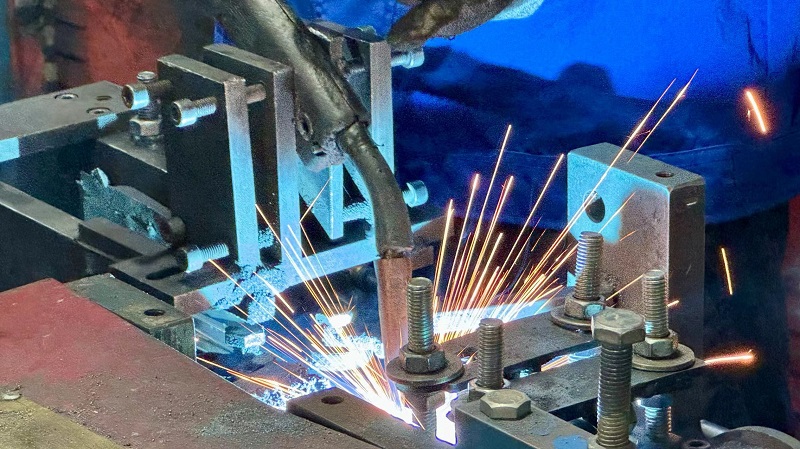
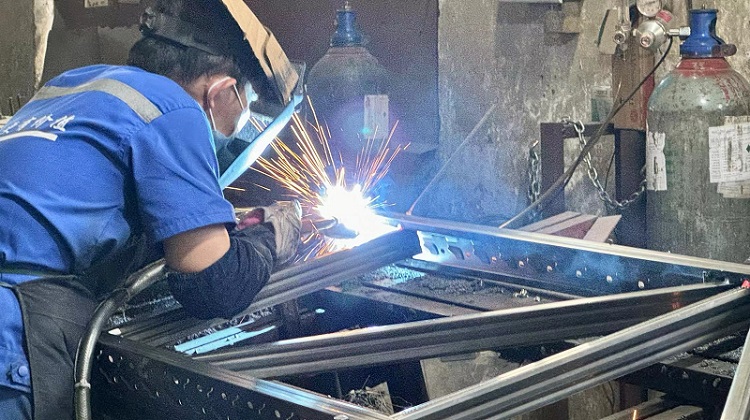
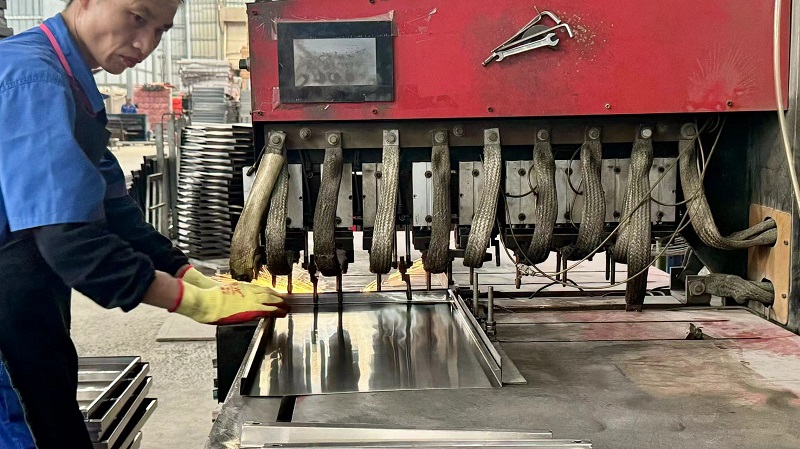
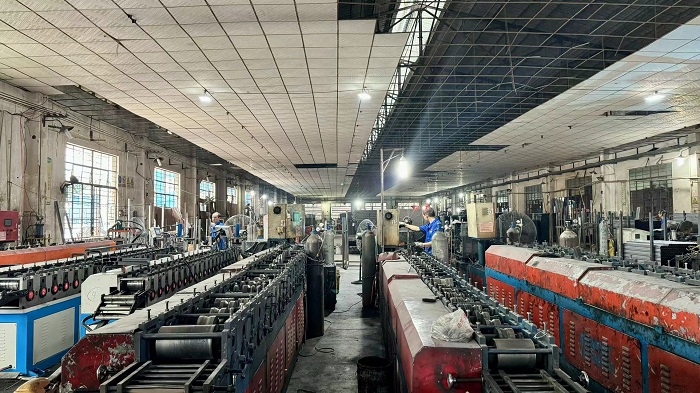
Shenzhen Kimsuk manufactures heavy-duty systems from a modern 38,000 m² facility. Our optimized supply chains and advanced machinery allow us to offer competitive pricing without compromising quality. With 18 dedicated structural engineers and 35 QC specialists, we execute strict testing protocols on raw materials, weld integrity, and load capacities. This ensures that every racking component shipped to Iraq delivers reliable performance for decades.
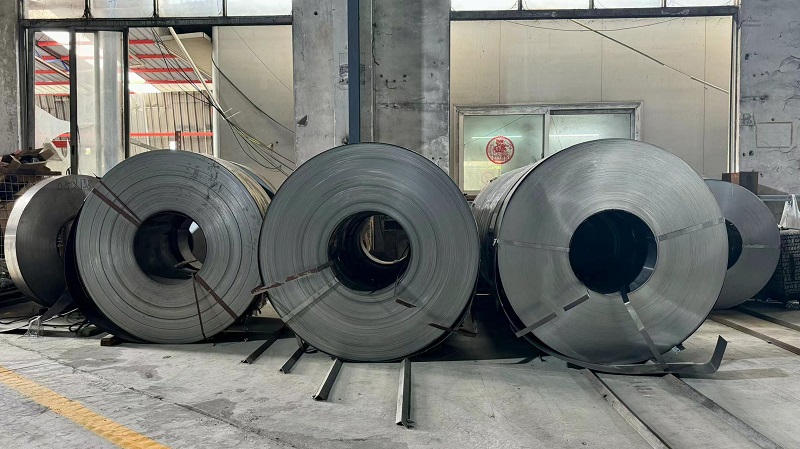
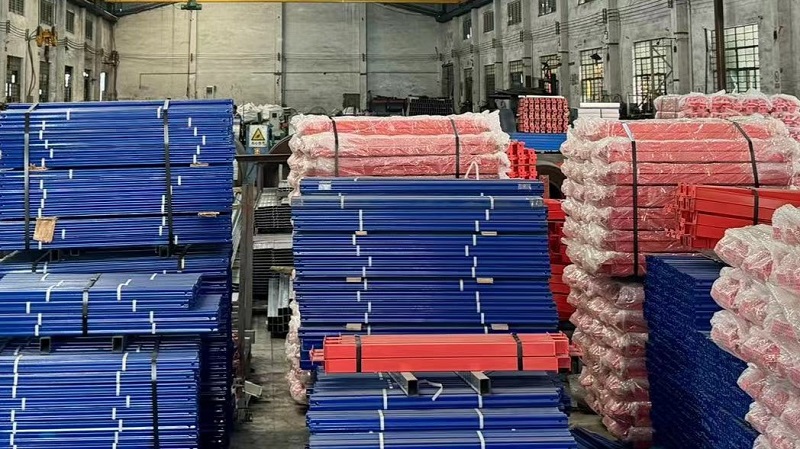
Our quality control extends from raw material verification to final export packing. Take a look at our state-of-the-art facility and specialized machinery.
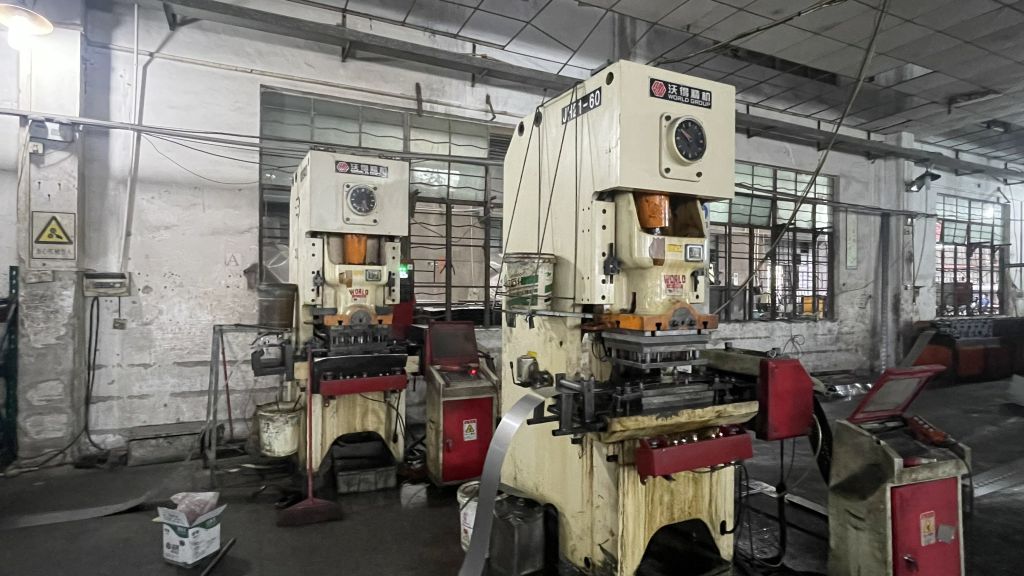
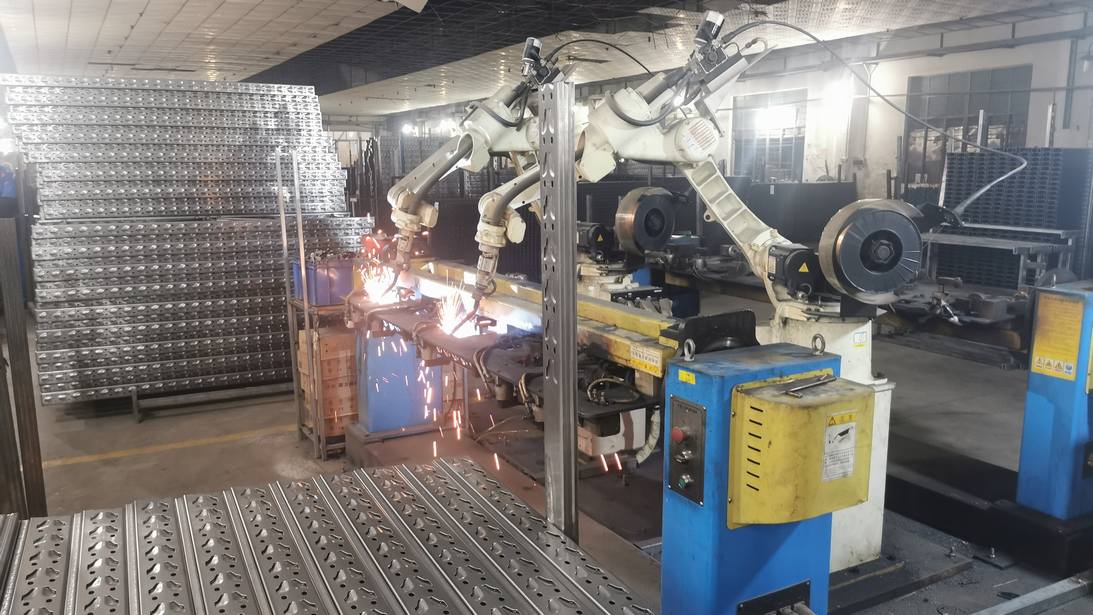
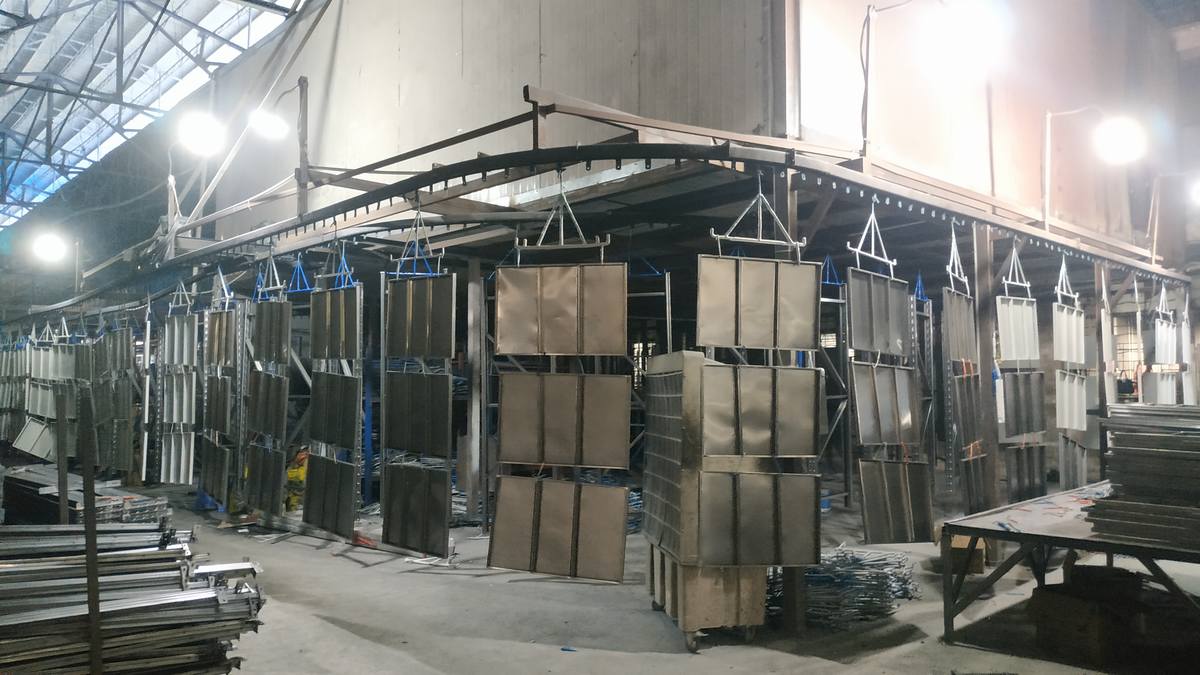
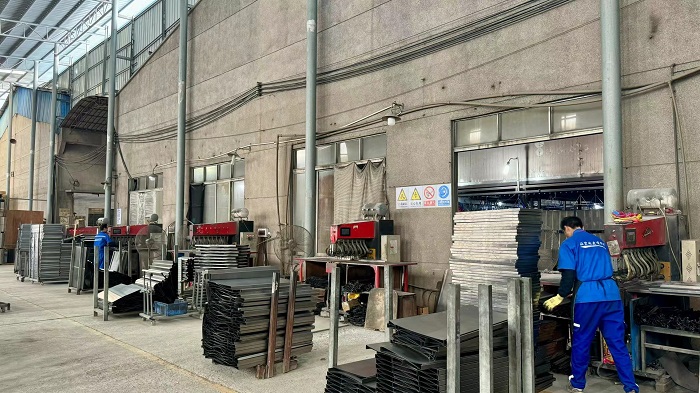
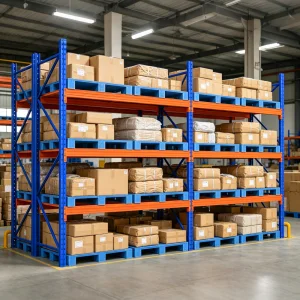
Engineered for high-volume storage, selective inventory management, and heavy industrial payloads in the Iraqi market.



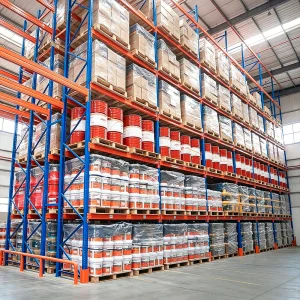

Deploying warehousing infrastructure in Iraq requires specialized engineering adaptations. Ambient temperatures inside non-climate-controlled storage facilities in regions like Basra can fluctuate between 0°C in winter and over 55°C during the summer. Standard structural steels and basic coatings are susceptible to premature failure, peeling, and corrosion under these conditions.
"To guarantee long-term safety, Shenzhen Kimsuk uses structural steel certified for high yield strength and resilience. Every load-bearing upright and beam undergoes multi-stage surface treatments to prevent oxidation and paint degradation in harsh, dusty environments."
We source certified structural steel coils (specifically Q235B and Q355B grades) from premier domestic mills. These grades provide the necessary yield strength, tensile properties, and ductility to absorb mechanical shocks, especially in dynamic seismic zones in northern Iraq (such as Erbil and Sulaymaniyah). Upright profiles are roll-formed using computer-controlled lines, ensuring consistent wall thickness and precise spacing for beam connector pins.
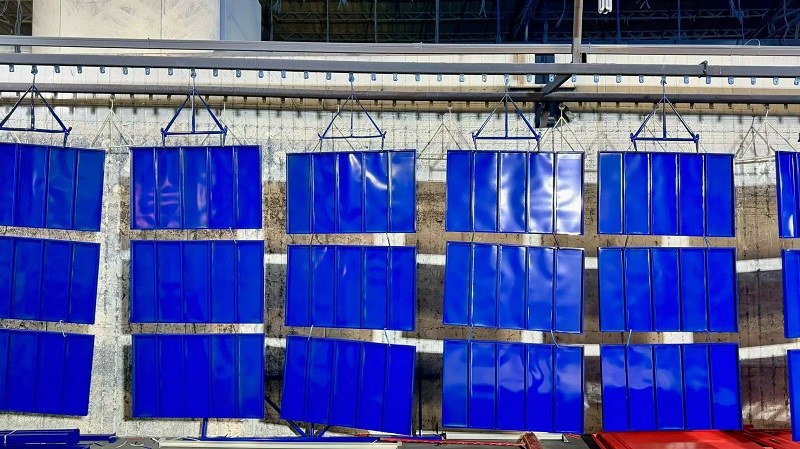
A critical stage in our manufacturing process is the automatic electrostatic powder-coating line. Racking components undergo a thorough multi-stage pre-treatment wash to remove oil, scale, and surface contaminants. Afterward, a specialized epoxy-polyester powder is applied electrostatically and cured at high temperatures. This produces a tough, scratch-resistant surface finish that protects structural steel from high humidity and airborne sand particles.
When integrating automated pallet shuttle systems, structural tolerances must be exceptionally tight. Even a 5mm deflection in a racking lane can cause automated shuttles to misalign or halt. Our engineering team designs shuttle racking systems to meet strict deflection limits (typically L/300 or L/400). This guarantees that lanes remain level and aligned under maximum load capacities, facilitating seamless, 24/7 robotic operations.
Important considerations for purchasing managers, shipping coordinates, and project managers when importing storage infrastructure.
Most imports enter through the Port of Umm Qasr in Basra. We coordinate sea freight logistics directly from Shenzhen and Foshan ports. We ensure all shipping containers are loaded to prevent shifting, damage, or rust during sea transit.
Importing industrial products into Iraq requires precise paperwork. We provide full documentation sets, including Certificates of Origin (CO), Commercial Invoices, Packing Lists, and SGS/BV Pre-Shipment Inspection reports as required by Iraqi authorities.
Proper assembly is critical for maintaining load ratings. Shenzhen Kimsuk supplies detailed installation manuals, engineering drawings, and remote technical support. On-site installation supervisors can also be arranged for large-scale projects.
Addressing key queries related to heavy-duty racking, robot integration, and purchasing processes for Iraqi industrial sites.
 Kimsuk Rack