Pre-engineered structural layouts and adjustable pallet racking configurations designed specifically for space constraints and rapid deployment in central Tokyo.
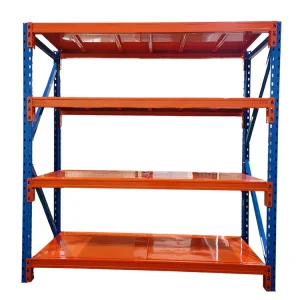
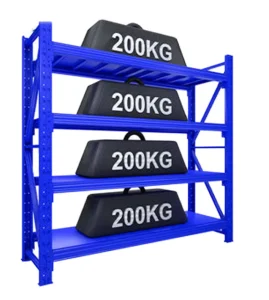
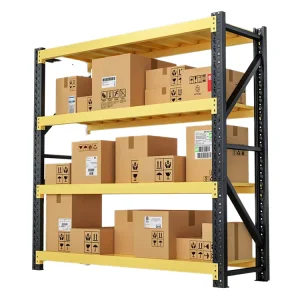
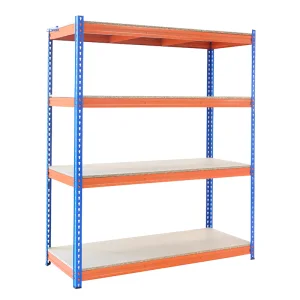
The Greater Tokyo Area, home to over 37 million residents, represents one of the highest concentrations of consumer demand and e-commerce transactions globally. As a consequence, industrial real estate within the Tokyo Metropolis—particularly areas adjacent to Tokyo Bay (such as Koto-ku, Shinagawa-ku, and Ota-ku) and secondary logistics submarkets (Kawasaki, Yokohama, and Saitama)—operates under extreme land cost pressures. Warehouses and distribution centers are forced to go vertical, adopting high-density racking configurations that maximize cubic space utilization rather than horizontal footprint.
Traditional structural racking designs cannot simply be imported without strict modification. Tokyo's urban landscape requires customized racking systems that are highly responsive to localized supply chain challenges: high building height-to-width ratios, micro-fulfillment centers (MFCs) nested within urban areas, and automated handling equipment compatibility. Global enterprises sourcing equipment for Tokyo-based facilities must bridge the gap between Chinese manufacturing efficiency and Japanese localized site requirements.
Operating in Japan means engineering for one of the most seismically active zones in the world. The Tokyo Metropolitan region is subject to the Building Standards Act (Kenchiku Kijun-hō), which mandates that any internal structures, including industrial pallet racking exceeding certain heights, must be structurally verified to withstand horizontal forces. Storage racks are classified under fixed structures that require strict calculation of the structural system’s response to seismic acceleration.
Sourcing directly from optimized manufacturing hubs in China offers substantial cost advantages, structural customization speed, and rapid scaling capabilities. For Tokyo logistics managers, these benefits are realized only when combined with high-quality localized support and compliance management. By selecting an direct manufacturer with a dedicated cross-border supply chain, procurement departments bridge the cost efficiency of mainland raw material sourcing with the demanding engineering standards of the Japanese market.
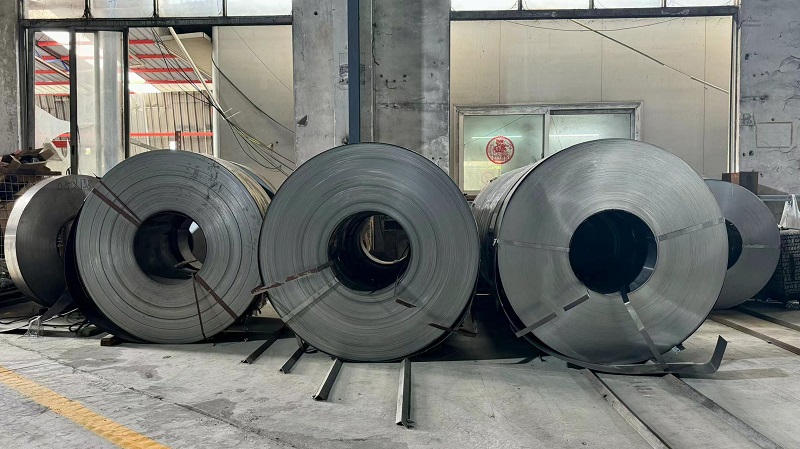
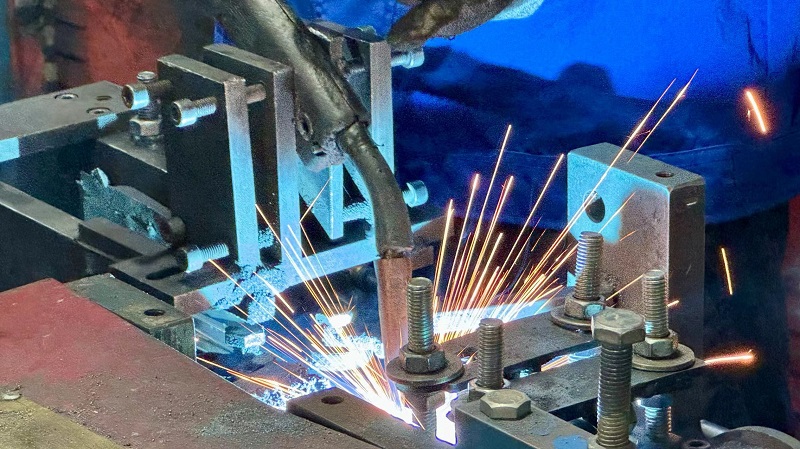
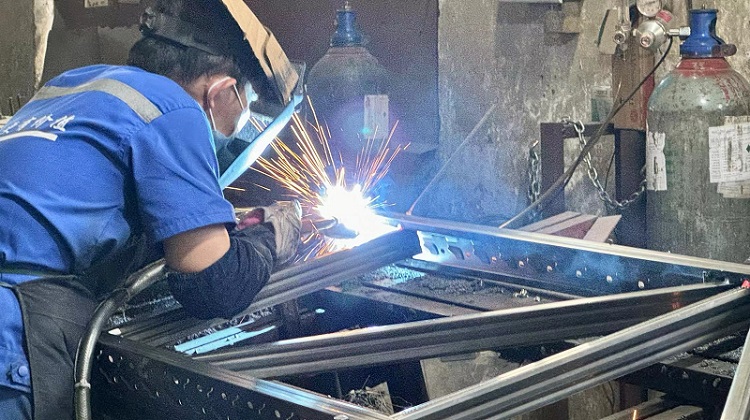
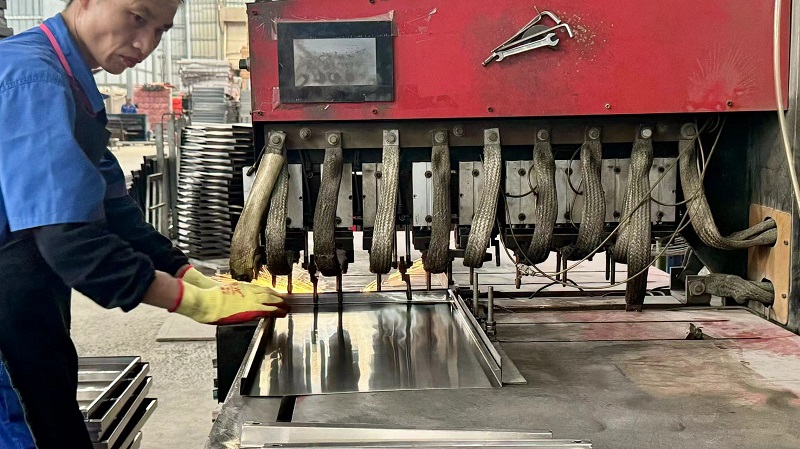
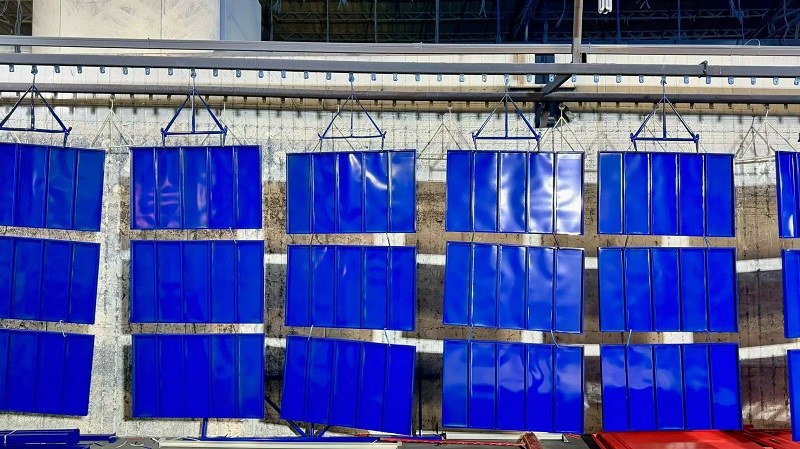
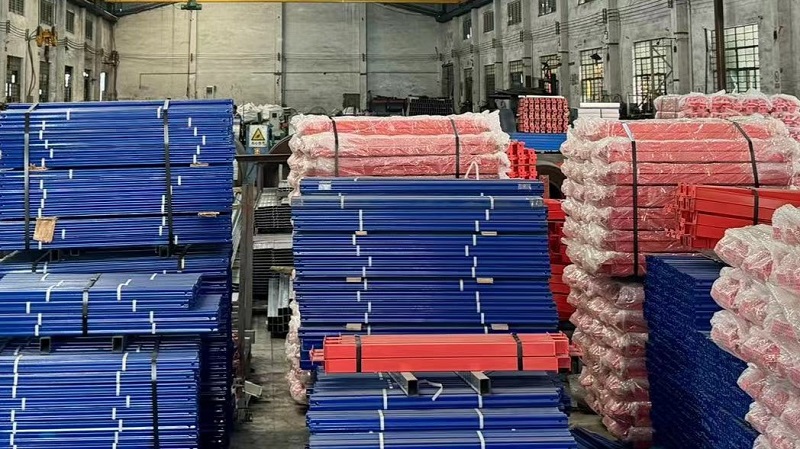
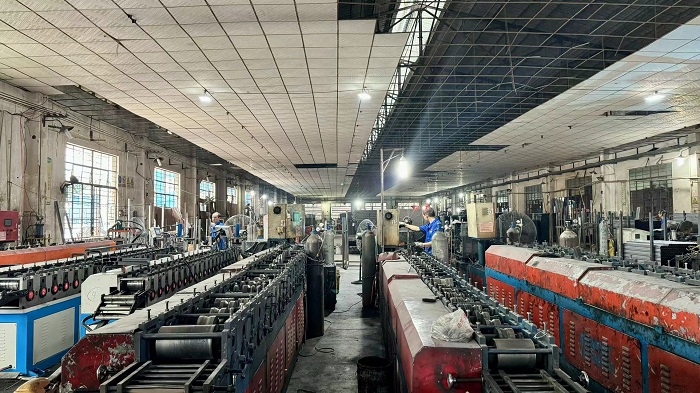
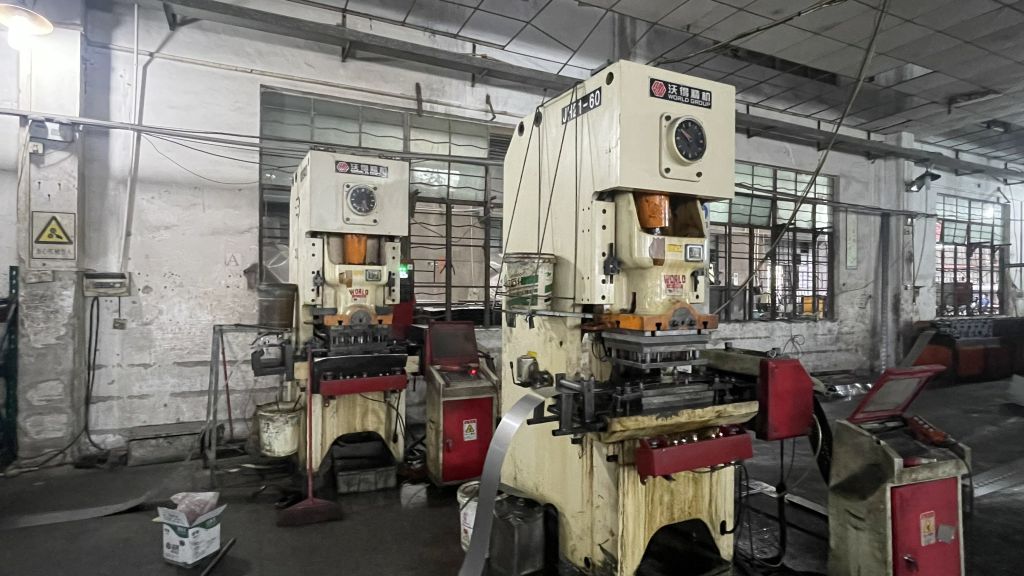
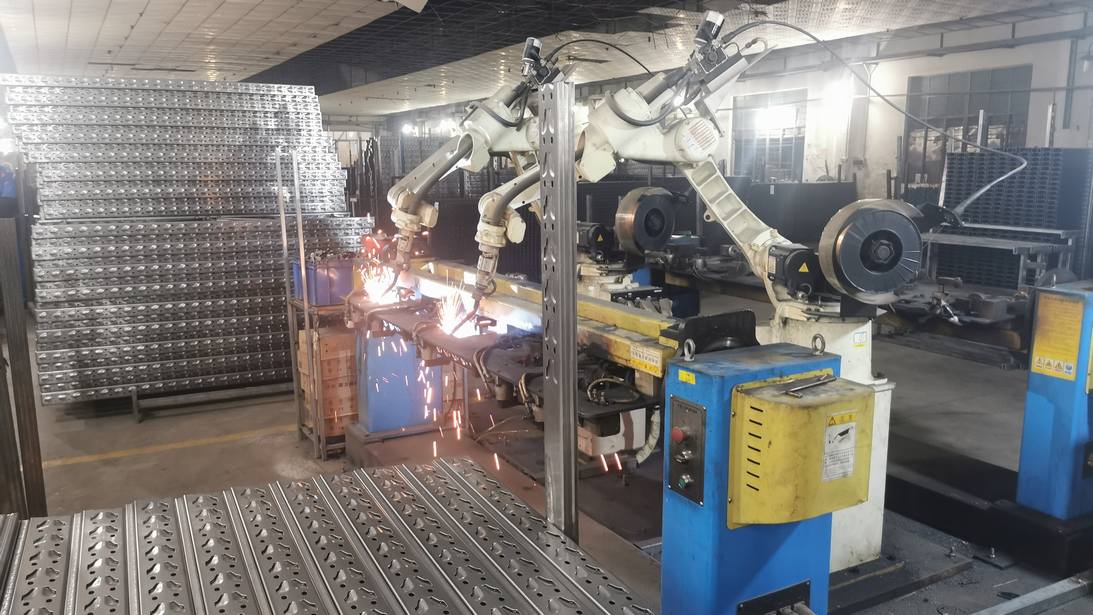
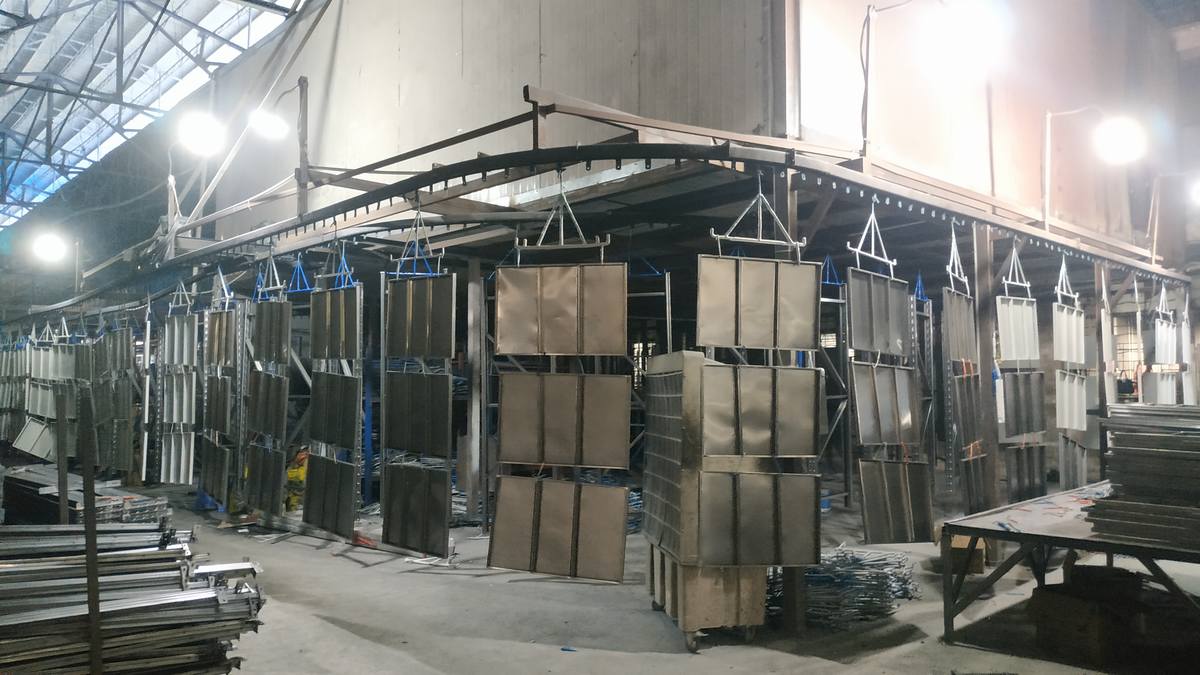
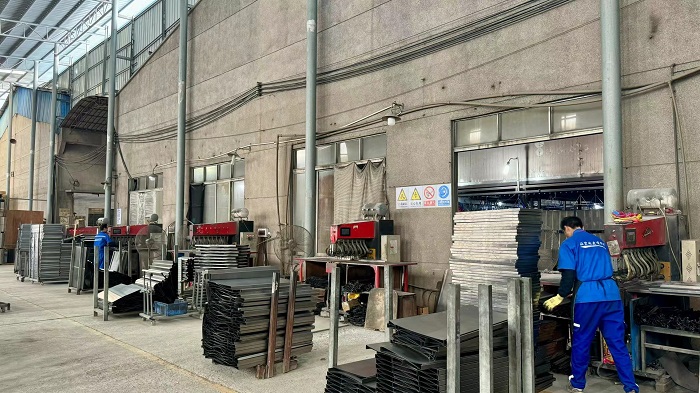
With an integrated network of over 850 reliable raw material and component suppliers, we control the cost-of-goods-sold from the source. From automated cold-roll forming to advanced electrostatic powder-coating lines, our processes run at high output with minimal tolerance variances. This guarantees that every beam, upright, and brace fits exactly on-site during installation in Tokyo, reducing local labor overheads which are notoriously expensive in Japan.
Efficient delivery to Tokyo Bay ports (Oi, Aomi, or Yokohama terminals) requires a reliable freight handling strategy. Leveraging our strategic location near primary shipping routes in Shenzhen, we coordinate containerized shipping schedules that guarantee transit times of 5 to 7 days from port to port. We assist clients by supplying comprehensive export documentation, including Certificate of Origin, Detailed Packing Lists, and compliant HS Code classifications to minimize customs holding times at Tokyo port authority checks.
Established in 2015, operating a modern 38,000 m² facility with 35 QC specialists executing raw material spectral testing, ultrasonic weld inspection, and automated powder coating checks.
Understanding local requirements is essential for executing a seamless deployment. Our racking configurations target specific business sectors across the region:
The convergence of labor shortages in Japan (due to demographic shifts) and structural cost increases is driving the storage sector towards automated storage and retrieval systems (AS/RS). Modern racking systems must feature ultra-tight manufacturing tolerances to ensure error-free operation of autonomous guided vehicles (AGVs) and robotic cranes. Standard commercial racking is shifting towards high-precision, automated-ready systems that allow facilities to upgrade seamlessly from manual forklift loading to robotic retrieval without replacing the primary steel infrastructure.
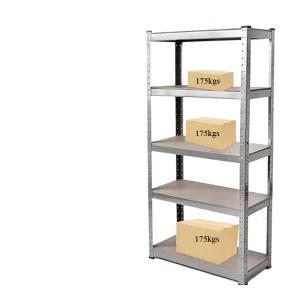
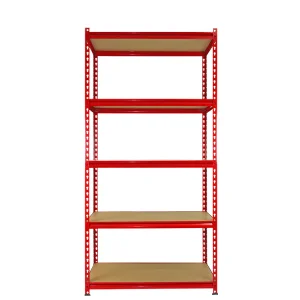
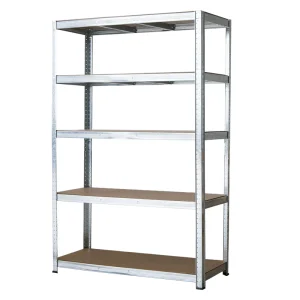
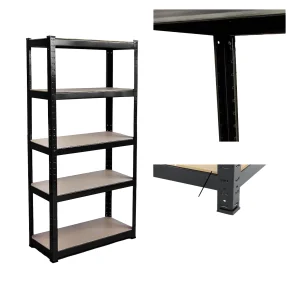
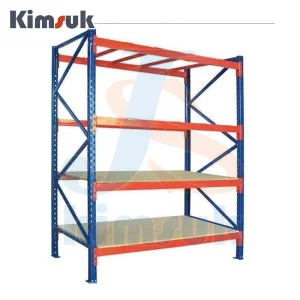
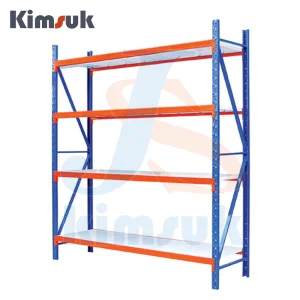
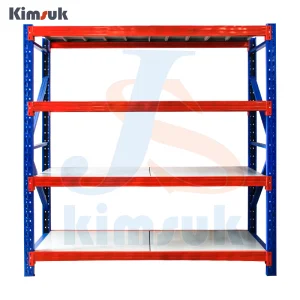
A structured range of boltless, adjustable, and specialized storage systems optimized for load-bearing reliability and compliance in Japanese commercial facilities.
Crucial information regarding compliance, seismic loads, procurement times, and localized installation support.
Yes. Our engineering department reviews regional seismic requirements (such as Japan’s Kanto region coefficient). We build structural systems using steel grades compliant with JIS standards (equivalent to SS400) and can provide structural calculations indicating stability margins under seismic loads.
The maritime transit time from Shenzhen (Yantian/Shekou ports) to Tokyo Bay (Oi/Aomi terminals) is approximately 5 to 7 days. Production timing varies depending on order complexity and structural requirements, typically ranging from 20 to 30 days including comprehensive factory quality control protocols.
Our quality control department consists of 35 dedicated inspectors. We conduct raw material spectral testing to verify carbon steel composition, ultrasonic weld inspections on structural joints, dynamic load testing on selected batches, and automated testing of powder-coat thickness and adhesion to ensure corrosion protection.
We provide full OEM/ODM support. Our 18 internal structural engineers design racking systems to fit your site layouts. Custom heights, frame depths, specialized loading beams, and RAL color-matched powder coatings can be integrated to meet corporate guidelines or high-visibility requirements.
Connect with our senior engineering team to get a detailed layout quote, load calculation report, and customized import configuration.
Send Inquiry Now Kimsuk Rack