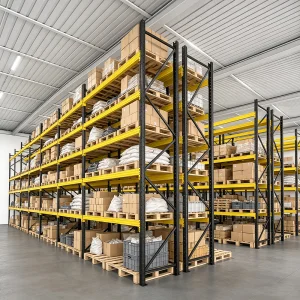
High-performance warehouse storage racks engineered to support heavy industrial operations from Mombasa port terminal distribution to Nairobi local fulfillment hubs.
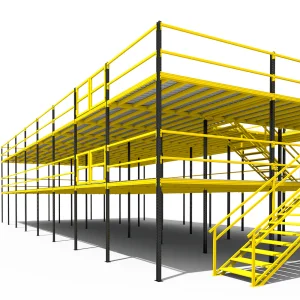
As the primary logistical gateway to East Africa, Kenya is undergoing a rapid warehouse infrastructural evolution. Fuelled by the expansion of the Standard Gauge Railway (SGR), the modernization of Mombasa Port, and the establishment of Special Economic Zones (SEZs) such as Tatu City and the Naivasha Industrial Park, multinational firms and local enterprises are seeking high-efficiency storage solutions. Modern supply chains in East Africa demand more than just basic steel shelves; they require structural integrity, dynamic capacity flexibility, and compliance with international standards.
The convergence of rapid urban migration, expanding logistics networks, and the rise of e-commerce has led to a critical space constraints issue in key industrial corridors like Mombasa Road and Baba Dogo. Warehouse operators must transition from traditional, horizontal storage formats to high-density vertical systems. Achieving this successfully requires dealing with structural engineering considerations unique to Kenya's geology, notably the seismic risks associated with the East African Rift Valley.
Racking systems deployed in Western and Rift Valley regions of Kenya (including Nakuru, Kisumu, and parts of the Nairobi county periphery) must conform to dynamic seismic design codes (such as FEM 10.2.02 or RMI standards). Designing bases with wider structural footplates, dual anchor bolts, and increased upright steel gauge thickness (minimum 2.0mm to 2.5mm cold-rolled steel profiles) is critical to withstanding minor tectonic movements without localized collapse.
Kenya is one of the world's largest exporters of fresh flowers, vegetables, and tea. The cold-chain logistics hubs centered around Jomo Kenyatta International Airport (JKIA) require racking systems that can perform reliably in high-humidity, sub-zero conditions. Standard steel structures rust rapidly under frequent temperature transitions due to condensation. For these environments, we supply hot-dip galvanized (HDG) steel shelving and structural pallet racking designed to resist corrosion and bacterial growth down to -30°C.
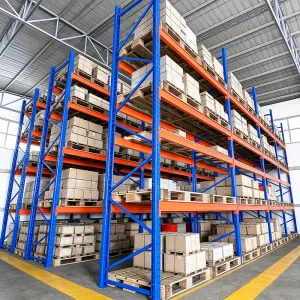
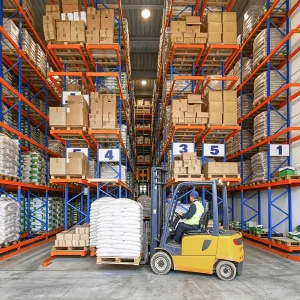
On the other hand, fast-moving consumer goods (FMCG) distribution centers in Nairobi depend heavily on Selective Pallet Racking and Drive-In Racking systems to handle rapid turnarounds. The implementation of FIFO (First-In, First-Out) inventory principles requires precise beam alignment and clear load markers to prevent forklift damage—a leading cause of warehouse racking failures globally.
When sourcing industrial storage solutions from China, Kenyan logistics managers, procurement heads, and structural consultants look for three core criteria: structural reliability, price competitiveness, and ease of installation. Shenzhen Kimsuk Storage Equipment Manufacturing Co., Ltd. addresses all three variables. With over 8 years of direct export experience, we manage the supply chain from raw material procurement to custom design, manufacturing, quality testing, and shipping directly to the Port of Mombasa.
Founded in 2015, we are an industry-leading manufacturer of high-density industrial racking and warehouse automation structures. Operating from our state-of-the-art 38,000 m² factory, we provide professional-grade storage systems designed to maximize space and efficiency.
Our facility hosts a dedicated QC team of 35 inspectors. From raw steel chemical analysis to paint finish testing, we verify that our products withstand extreme load tolerances. Every batch is tested for yield strength and weld penetration.
With 18 structural engineers, Kimsuk develops and tests new safety designs annually. Our team can construct exact 3D models and finite element analysis (FEA) reports based on your warehouse layout and structural requirements.
We export over $22 million annually. Our logistics network facilitates shipping directly to major ports worldwide, ensuring that all regulatory certifications (including CE, ISO9001, and SGS testing) are handled efficiently.
Take a look inside our 38,000 m² Shenzhen factory, where advanced automated systems ensure millisecond precision and structural uniformity for every component shipped to Kenya.
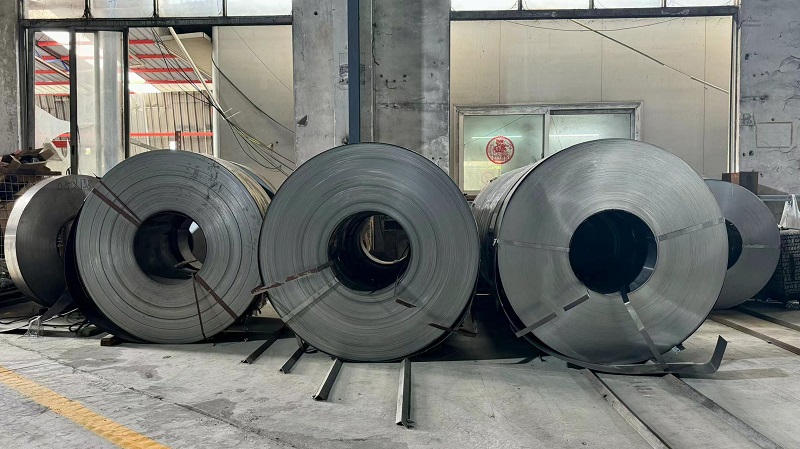
High-strength Q235B and Q355B structural steel coils sourced from national mills.
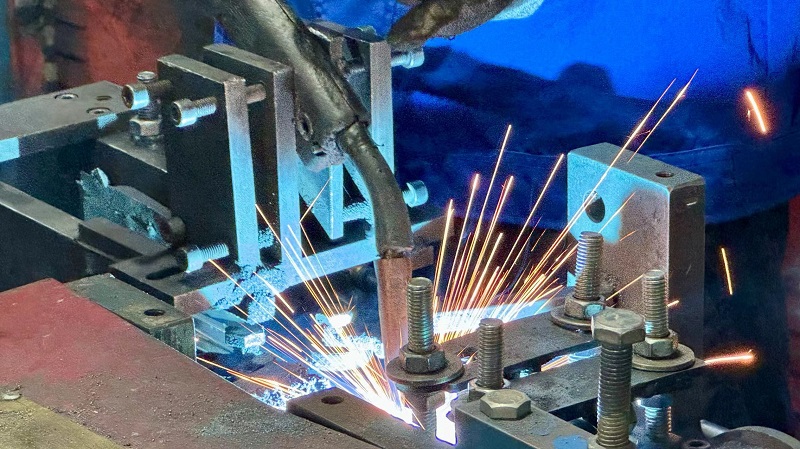
Precision profiling roll-formers shaping structural uprights and beams.
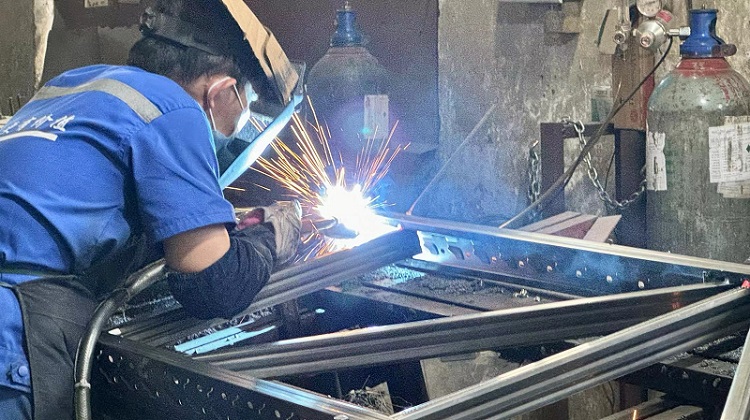
CO2 gas-shielded robot welding for high structural penetration and durability.
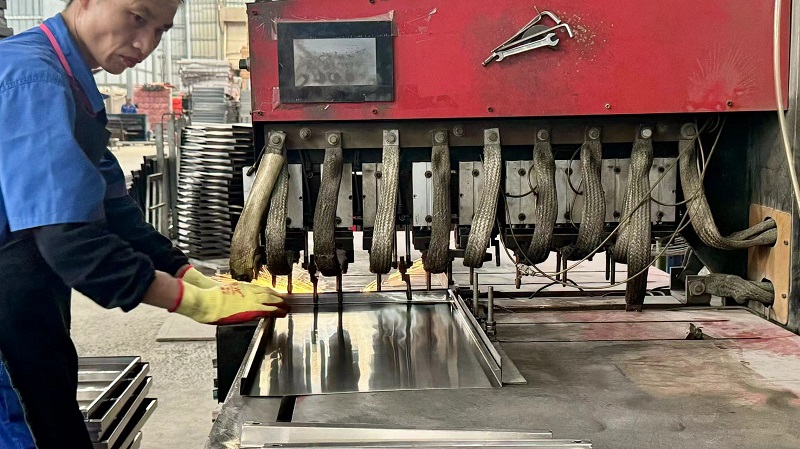
CNC auto-punching lines executing standard pitch configurations (e.g., 50mm, 75mm).
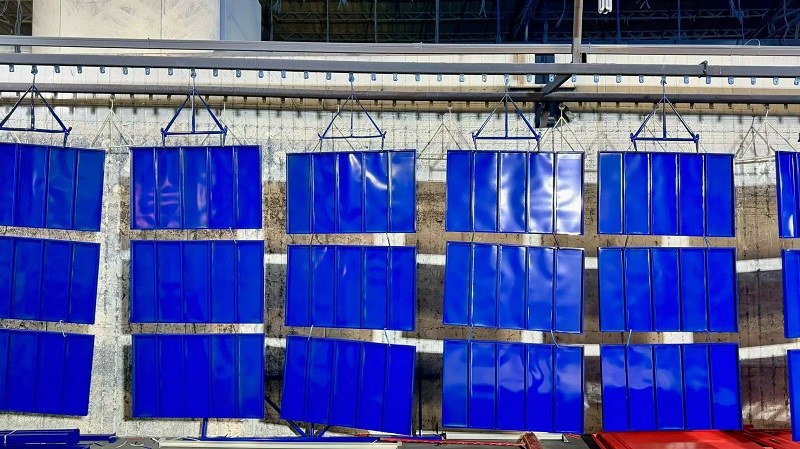
Automated electrostatic powder coating system for corrosion resistance.
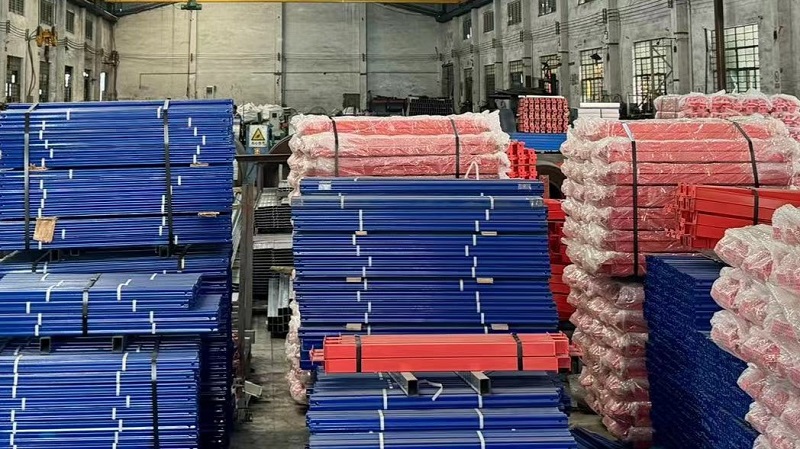
Secured with plastic film and steel banding to prevent shipping damage.
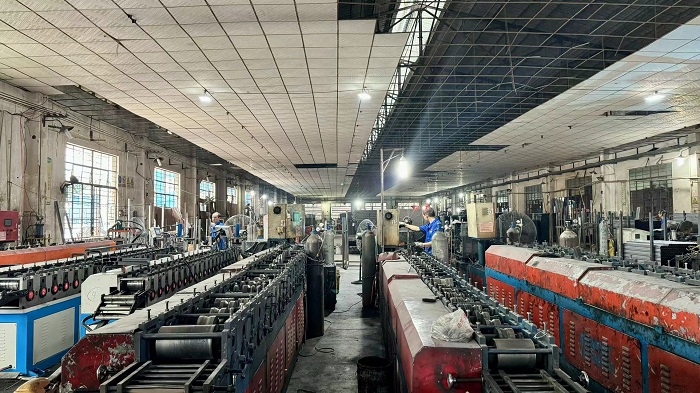
Heavy-duty hydraulic presses for complex connectors and baseplates.
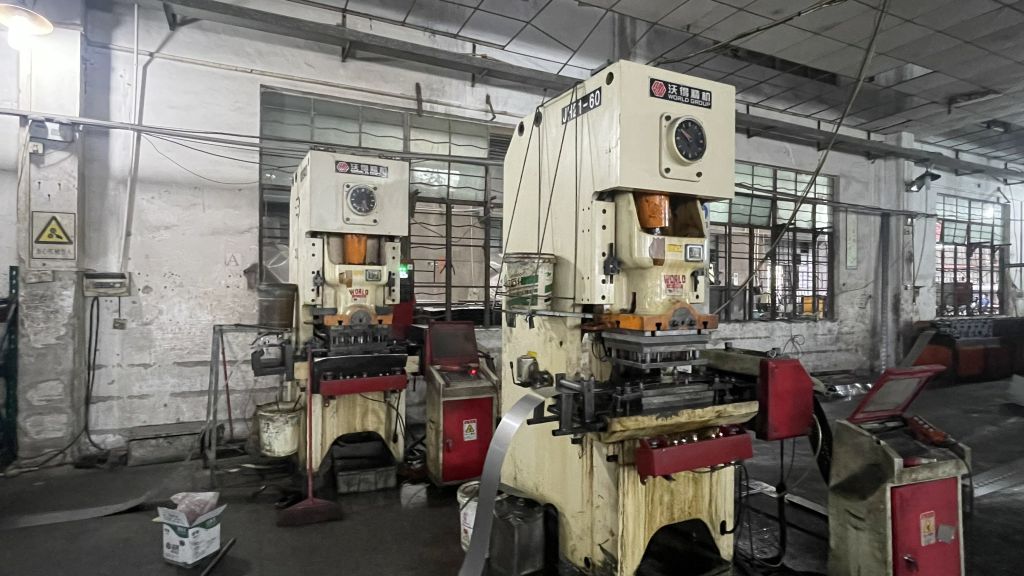
Precision mechanical tooling for butterfly hole design fabrication.
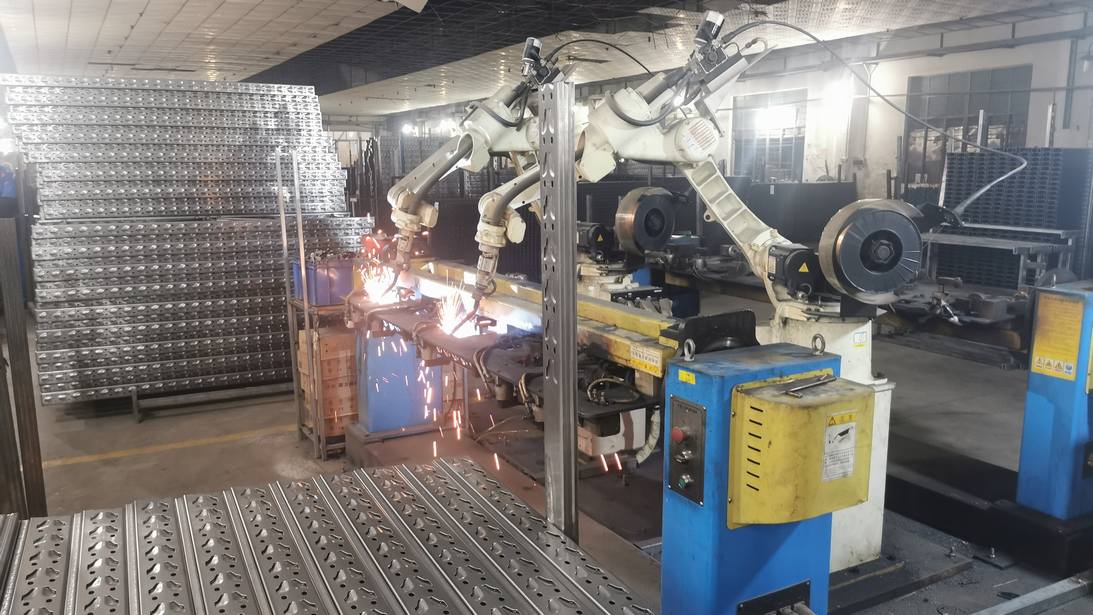
High-efficiency multi-spot welding stations for structural reliability.
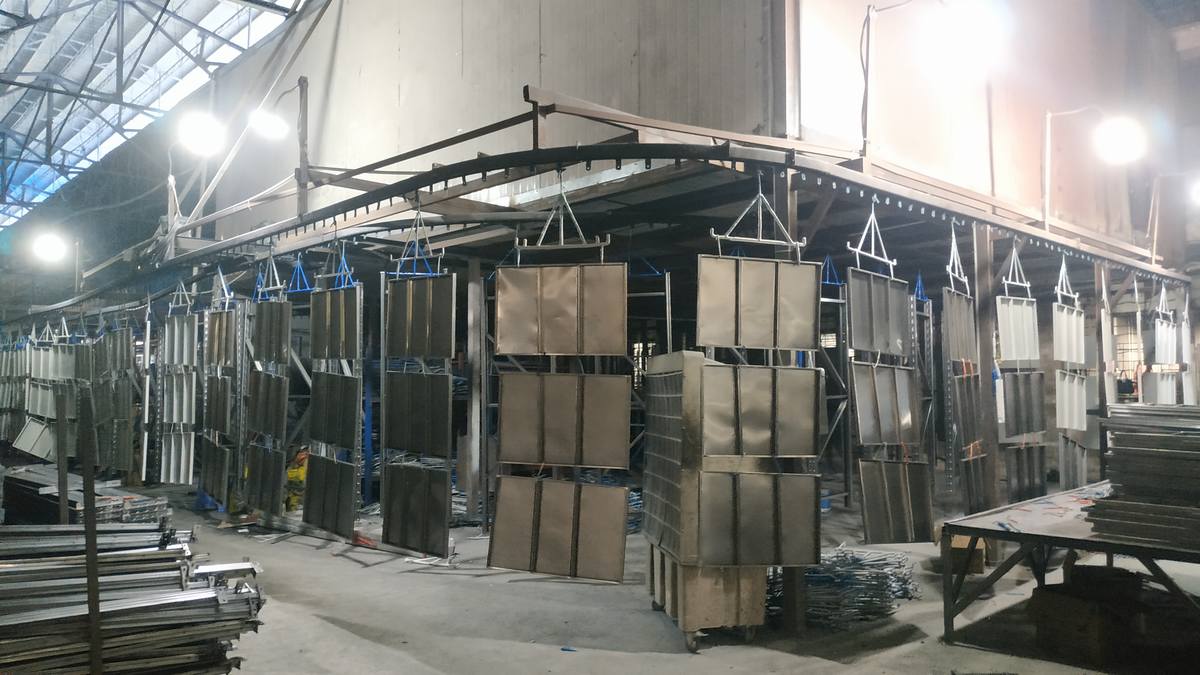
Continuous thermal curing tunnel drying powder finishes at 200°C.
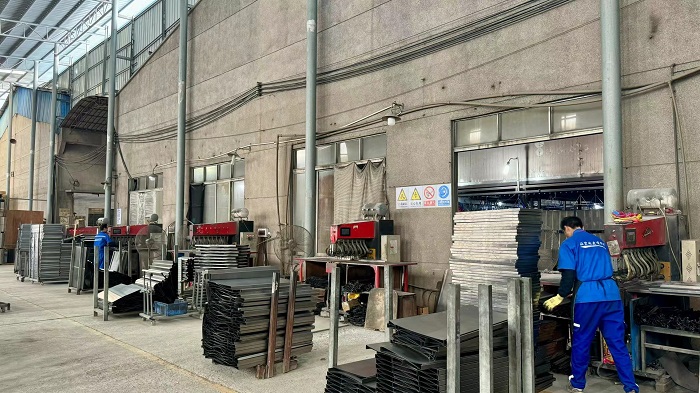
High-speed press ensuring standard tolerances of within 0.1mm deviations.
Sourcing structural steel products requires detailed documentation to satisfy the Kenya Bureau of Standards (KEBS) and insurance risk underwriters. We provide full traceability and compliance certification for all our systems.
We use high-tensile hot-rolled steel coils. Q355B is utilized for upright columns requiring high load capacities, while Q235B is optimal for horizontal beams and bracing systems.
Our lines apply a 9-stage phosphate pre-treatment followed by epoxy powder coating. The resulting dry film thickness of 60-80 microns complies with cross-cut adhesion tests (ISO 2409).
Our structures undergo rigorous static and dynamic testing to meet Australian AS4084 and European FEM structural guidelines, ensuring safe load limitations under heavy daily use.
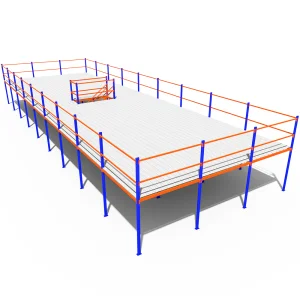
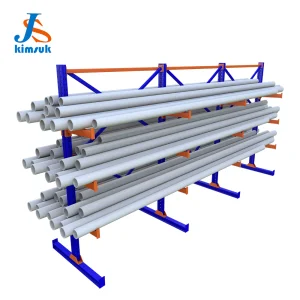
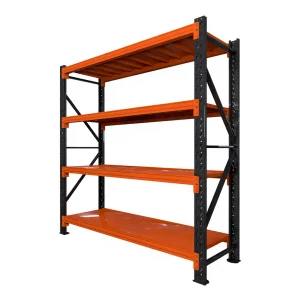
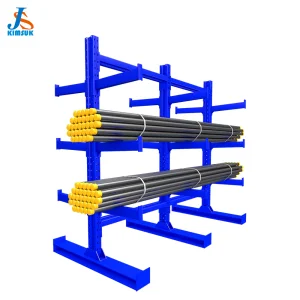
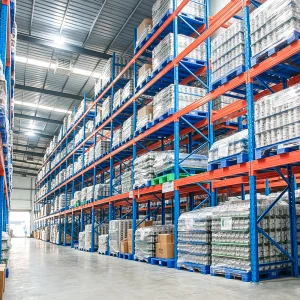
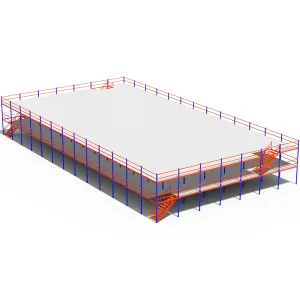
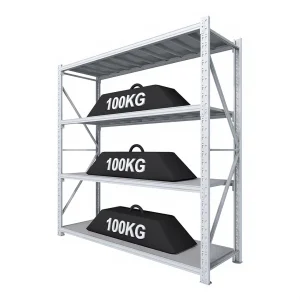
Explore our full line of industrial and commercial storage solutions. Configurable designs are available for light, medium, and heavy-duty load capacities.





Clear answers on custom designs, shipping logistics, and structural safety requirements for industrial storage racks imported into Kenya.
Typically, the manufacturing phase takes 15 to 20 business days depending on design complexity. Shipping from Shenzhen/Guangzhou ports to Mombasa Port takes approximately 20 to 28 days via sea freight. Customs clearing in Mombasa and transport to Nairobi takes an additional 3 to 7 days.
Yes, all Kimsuk racking systems are manufactured using ISO 9001 quality procedures. Before shipping, we provide the Certificate of Conformity (CoC) required by the Pre-Export Verification of Conformity (PVoC) program enforced by KEBS, ensuring smooth import clearing.
Yes. Our in-house engineering team calculates seismic design factors according to FEM 10.2.02 and local regional codes. We optimize structural safety by using thicker gauge steel, larger baseplates, dynamic bracing profiles, and dual floor-anchoring configurations.
For high-humidity or sub-zero environments, we provide hot-dip galvanized (HDG) steel components. This finish delivers long-term resistance to corrosion and is suitable for agricultural produce and floral cold storage facilities in Nakuru and Nairobi.
Yes. We provide complete 3D CAD design drawings, step-by-step layout blueprints, and detailed installation manuals. For large scale distribution centers, we can coordinate with local engineering teams or provide remote video technical support to ensure safe assembly.
Submit your warehouse dimensions and storage requirements today. Our engineers will provide a free CAD drawing layout within 48 hours.
Send Inquiry Now Kimsuk Rack