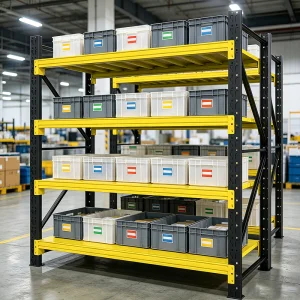
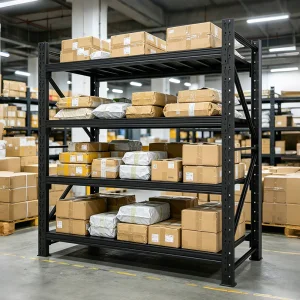
Heavy-duty industrial storage racks engineered for logistics corridors in Santiago, Valparaíso, and Antofagasta.

Chile represents one of the most sophisticated, open, and dynamic economies in South America. Driven by concentrated metropolitan retail hubs in Santiago, massive bulk mineral exports out of Antofagasta, and free trade logistics corridors in Iquique (ZOFRI), the country's warehouse storage demand is scaling towards high-density, automated systems. However, Chile presents a unique engineering challenge that standard off-the-shelf shelving systems cannot handle: extreme seismic activity.
As a global racking manufacturer, Shenzhen Kimsuk Storage Equipment designs racking systems specifically engineered to absorb, damp, and survive seismic disturbances common along the Nazca and South American plate interface. Industrial facilities in Chile cannot afford collapse risks; structural integrity translates directly to human safety and business continuity.
In Chile, warehouse storage structures are not treated simply as static shelving; they are classified as industrial buildings under the NCh2369 (Seismic Design of Industrial Structures and Installations) regulatory framework. The dynamic horizontal loads generated during a seismic event in seismic Zone 3 (the highest-risk coastal regions) require precision-machined profiles, heavy-duty diagonal bracing, dynamic base plates, and structural steel boasting certified ductility properties (typically equivalent to Q345B/ASTM A572 Grade 50 steel).
Shenzhen Kimsuk meets these challenges by utilizing Finite Element Analysis (FEA) to simulate dynamic wave frequencies. Our structural engineers adjust upright profiles (width, depth, and steel thickness) and implement custom anchor systems to handle high overturning moments, ensuring that warehouses in Santiago or Concepción remain standing even during major earthquakes.
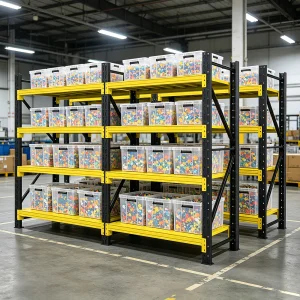
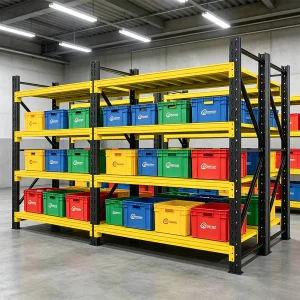
High-density storage racking systems manufactured to international standards and exported worldwide.
As land values in Santiago's primary industrial sectors (such as Pudahuel, Quilicura, and Lampa) continue to rise, logistics providers are transitioning away from low-density floor storage to maximize vertical space. This structural change has driven three core shifts in procurement requirements:
E-commerce giants in Chile require specialized multi-tier storage systems equipped with hanging rods and picking levels, speeding up operations and increasing pick-face efficiency by up to 200%.
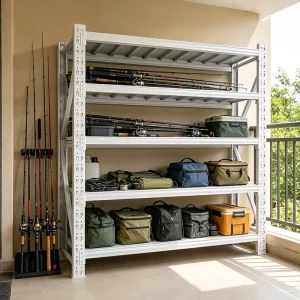
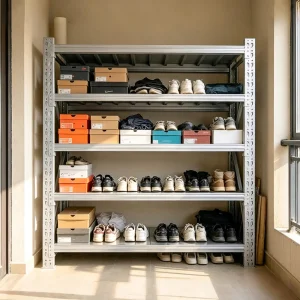
Designed for loading capacities ranging from 100kg up to 500kg per level. Perfect for carton flow systems, retail inventory backrooms, and automotive spare parts warehouses in Northern Chile's mining support hubs.
All upright frames feature high structural stability with optimized hole patterns that do not degrade structural stiffness. Heavy-duty bases allow double-anchoring directly to reinforced concrete slabs.
For Chilean buyers, importing storage systems directly from China offers significant economic advantages. Under the China-Chile Free Trade Agreement (Tratado de Libre Comercio Chile-China), many structural steel racking configurations fall under zero or highly reduced tariff rates when accompanied by a valid Certificate of Origin (Form F). Shenzhen Kimsuk handles all export customs documentation, structural packaging optimization, and container packing configurations, ensuring that products arrive at the ports of San Antonio or Valparaíso damage-free and ready for fast customs clearance.
Shenzhen Kimsuk operates state-of-the-art automated roll forming, robotic welding, and powder coating lines within our 38,000 m² factory.
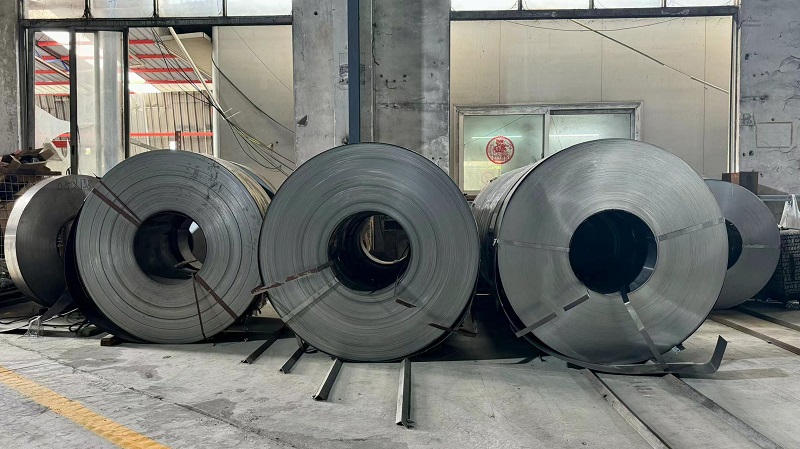
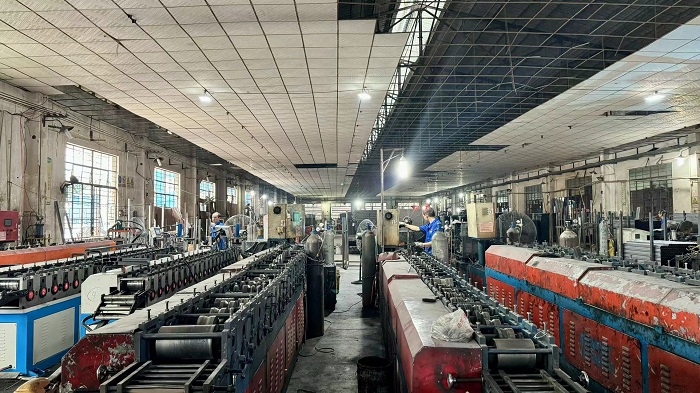
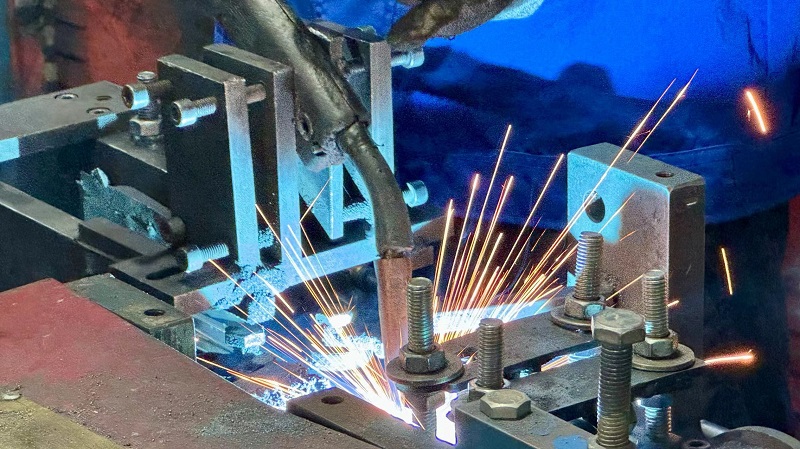
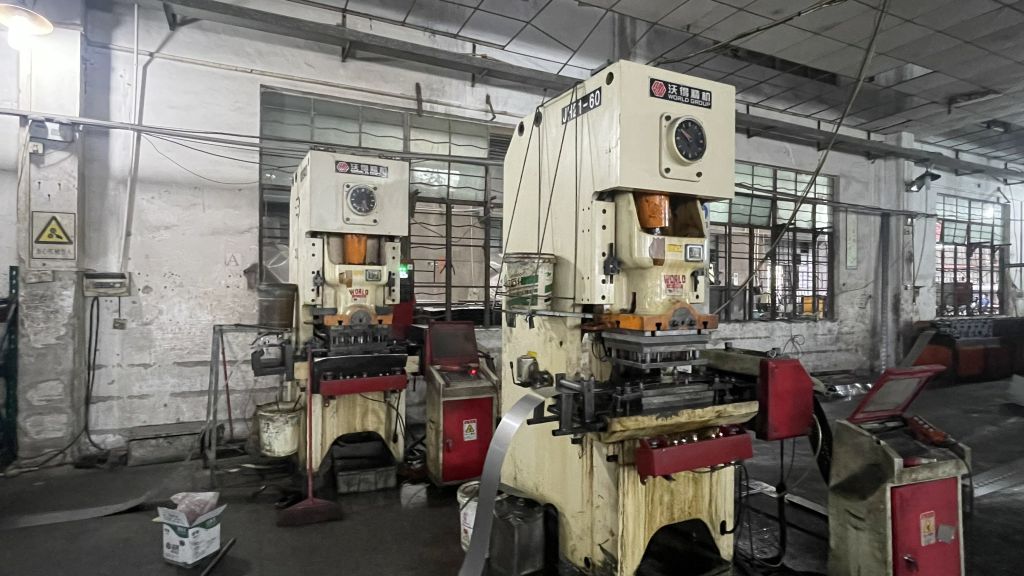
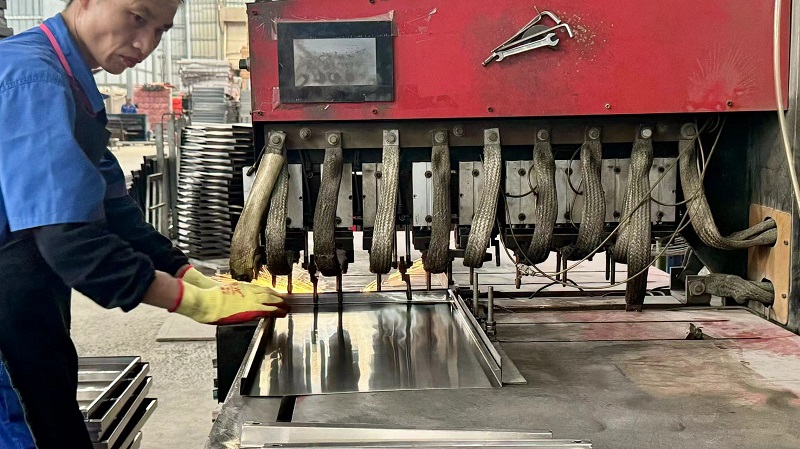
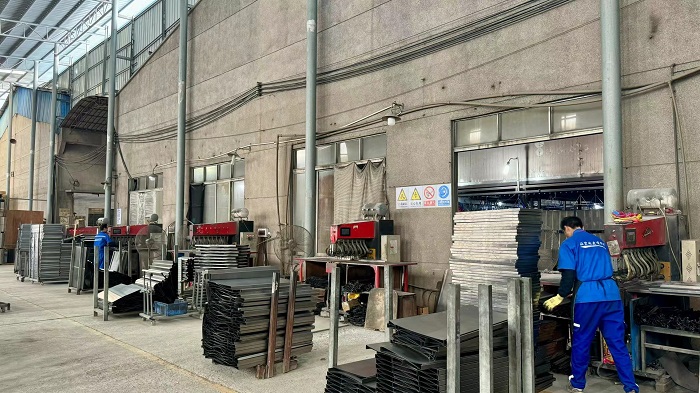
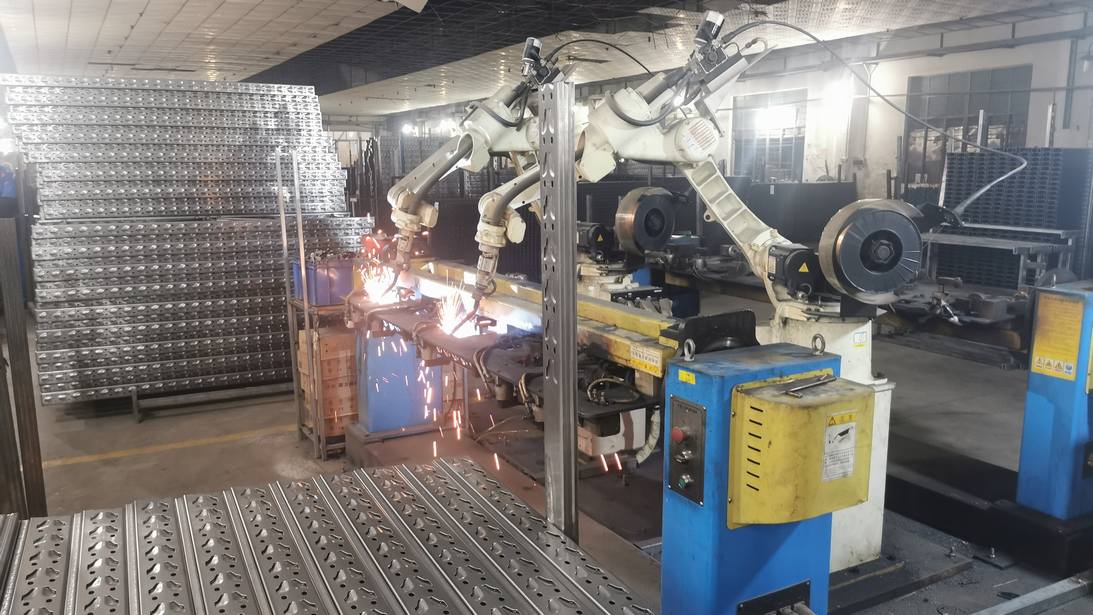
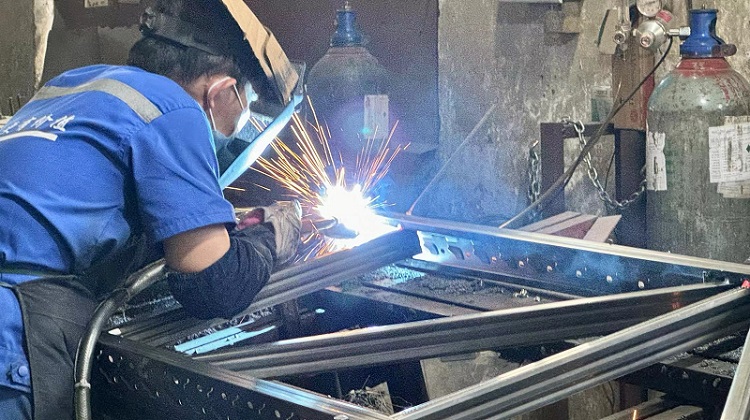
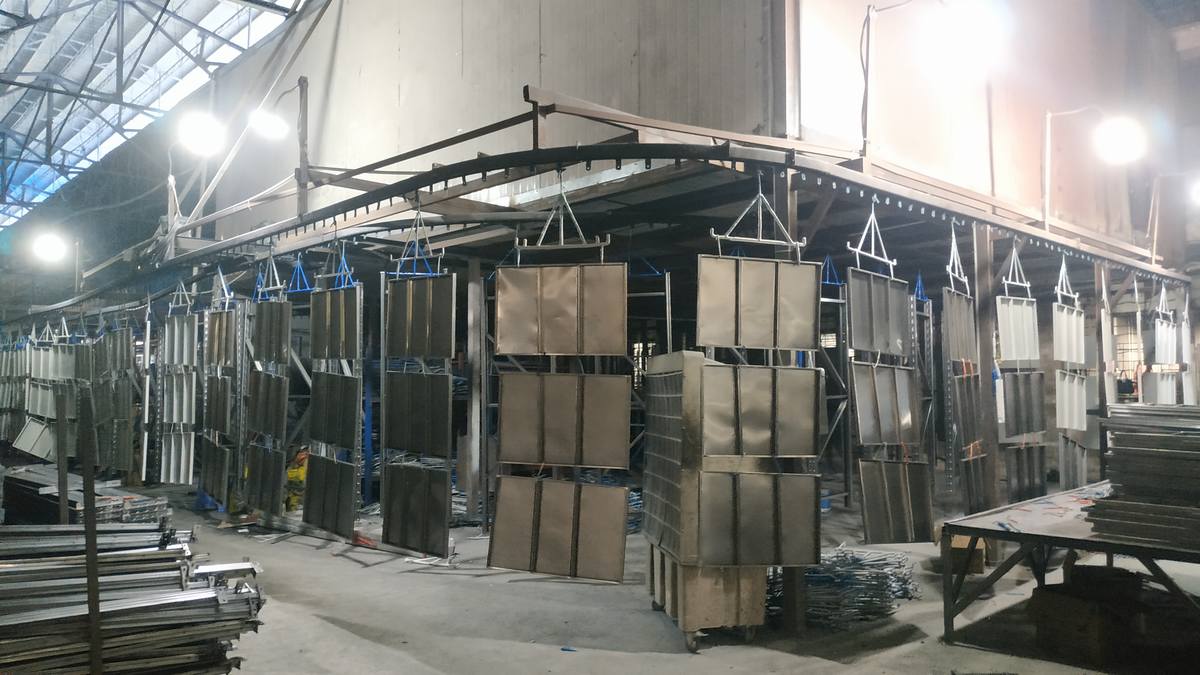
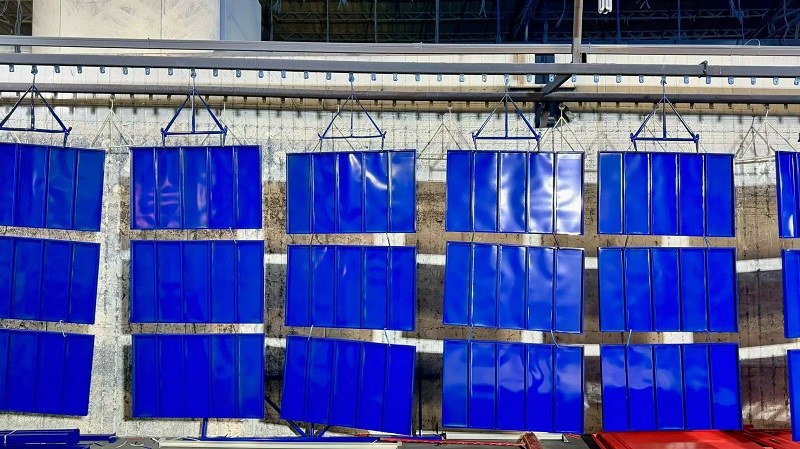
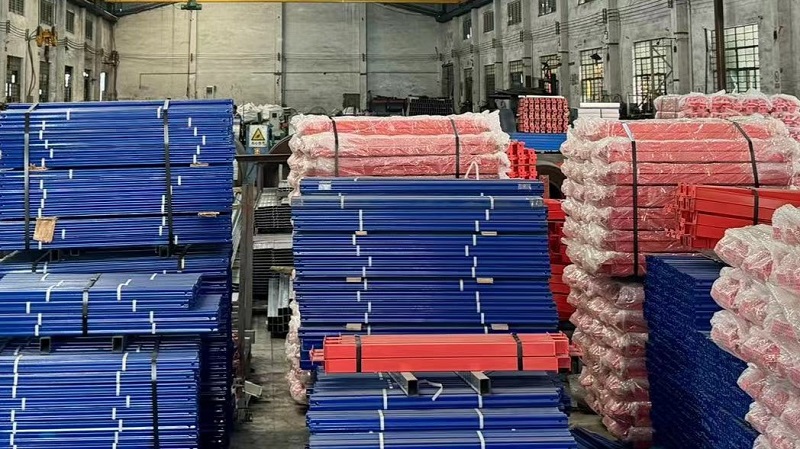
We believe that structural reliability and materials transparency form the foundation of trust. High-capacity racking requires advanced fabrication techniques and strict quality control measures:
Kimsuk's specialized engineering division consists of 18 experienced structural designers. Over the past year, we developed 45 new optimized racking configurations tailored to specific distribution needs, cold rooms, and clean environments. With a dedicated team of 35 QC specialists supervising raw materials testing, weld integrity, and dynamic loading performance, we assure consistent quality for every shipment destined for South America.
Explore our complete catalog of industrial shelving and retail apparel display racks exported to Chile.
Professional engineering and logistics information to help your procurement decision.
Yes. We customize our racking projects for Chile based on site-specific seismic coefficients. We perform Finite Element Analysis (FEA) to determine appropriate upright thickness, bracing profiles, and baseplate anchor requirements to satisfy the requirements of Chilean norm NCh2369 (Seismic Design of Industrial Structures and Installations).
We primarily utilize high-tensile hot-rolled steel coils, graded as Q235B and Q345B (equivalent to international standards ASTM A36 and ASTM A572 Grade 50). This guarantees excellent yield strengths and structural ductility, which are vital for heavy industrial storage applications under dynamic stress.
Under the China-Chile Free Trade Agreement (Tratado de Libre Comercio), most structural steel racking components imported with a Form F Certificate of Origin enjoy duty-free (0% tariff) or highly preferential entry status at Chilean ports. Our documentation team ensures all necessary customs certificates are issued and sent prior to cargo arrival.
Production typically takes 20 to 25 days depending on the size and customization details of the racking order. Ocean transit from Shenzhen or Guangzhou ports to Valparaíso or San Antonio, Chile, generally ranges from 30 to 35 days. We optimize packing configurations in sea containers to prevent any deformation or scratching of powder-coated finishes during transit.
All our racking parts undergo a comprehensive pre-treatment process (including acid pickling, phosphating, and multi-stage washing) to remove oils and scale. We then apply an electrostatic powder coat baked at 180°C, producing a layer 60–80 microns thick. We conduct periodic cross-cut adhesion and salt spray testing to ensure durability in coastal zones like San Antonio and Valparaíso.
 Kimsuk Rack