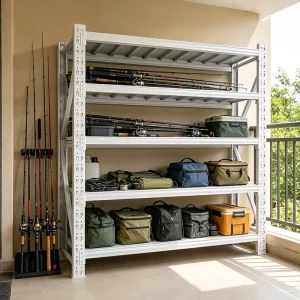
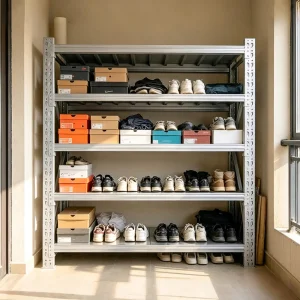
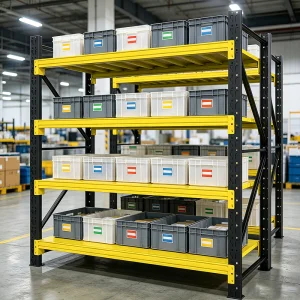
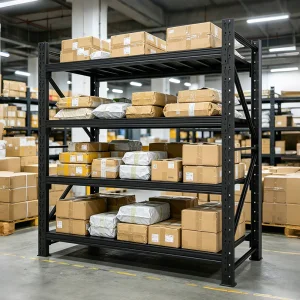
Engineered to handle textile rolls, bulk apparel inventory, and garment hanging rails for e-commerce hubs and textile mills in Faisalabad, Karachi, and Lahore.
Pakistan's supply chain network is undergoing an unprecedented structural transition. Propelled by the China-Pakistan Economic Corridor (CPEC) initiatives, new economic zones (SEZs) are emerging from Gwadar and Karachi to Lahore and Faisalabad. This industrial leap has caused an exponential rise in demand for modern warehousing and material handling infrastructures. Traditionally, Pakistani logistics relied on floor stacking or low-efficiency wooden racking, resulting in high product damage rates, sub-optimal volume utilization, and compromised labor safety.
Today, as retail e-commerce, pharmaceutical distribution, and FMCG sectors register double-digit annual growth rates, companies operating in Pakistan are upgrading to high-density storage architectures. Transitioning from basic shelving to advanced, engineered steel racking systems allows warehouses to exploit vertical space, increasing capacity by up to 300% without expanding the physical footprint. The core of this transition relies on high-yield structural steel, precise manufacturing tolerances, and adaptive design options capable of withstanding dynamic operational environments.
The textile industry accounts for over 60% of Pakistan’s export earnings. In fabric manufacturing hubs, storing raw cotton bales, heavy fabric rolls, and finished garments poses distinct space-utilization challenges. Standard industrial shelves bend under uneven fabric weight. Our custom textile racks, utilizing specialized heavy-duty pipe-decking and specialized garment rail integrations, distribute loads evenly and ensure lint and dust mitigation, complying with international safety audits.
Different industrial operations require highly distinct storage infrastructures. A "one-size-fits-all" approach to racking leads to structural failure, operational bottlenecks, or redundant investment. To optimize warehousing ROI, companies must map their inventory profiles directly to their racking designs:
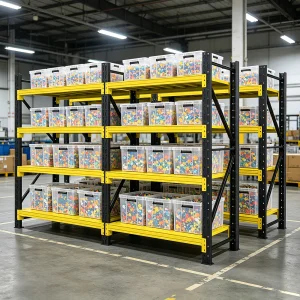
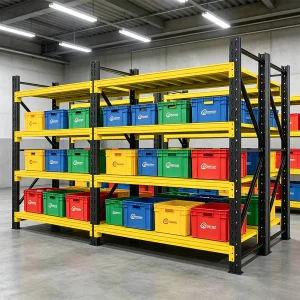
Engineered for high density storage, dynamic loading capacities, and space optimization in manufacturing hubs and auto parts warehouses across Pakistan.
The global warehousing market is quickly shifting toward automation, and Pakistan's industrial sectors are preparing for this transition. Future logistics terminals will rely heavily on semi-automated and fully automated storage systems. Transitioning to smart systems involves introducing Radio Shuttle Racks, AS/RS (Automated Storage and Retrieval Systems), and AMR (Autonomous Mobile Robots) compatible structures.
Our engineering division designs modern racking systems with automation in mind. By maintaining strict alignment tolerances of under 1mm per meter, our upright frames can seamlessly integrate shuttle systems that glide over storage channels via RF control. This reduces forklift movement inside aisles, minimizes column collision risks, and increases processing speeds for food and beverage warehouses across major industrial parks in Lahore and Karachi.
Pakistan is located in a high-seismic activity zone, sitting on the boundaries of the Indian, Eurasian, and Arabian tectonic plates. Areas like Quetta, Karachi, and the northern provinces are particularly susceptible to moderate-to-severe earthquakes. Structural designs of warehouse installations must adhere strictly to local seismic zoning, conforming to the Building Code of Pakistan (BCP) and the international RMI (Rack Manufacturers Institute) standard guidelines.
Designing racking for seismic zones requires adjusting the structural engineering values, which includes increasing the thickness of steel columns, utilizing heavy-duty base plates, installing specialized floor anchoring, and reinforcing diagonal bracing. Standard shelving systems bought from generic fabricators run a high risk of complete structural collapse under seismic loads, presenting major financial risk and liability for commercial warehouse operations.
We perform Finite Element Analysis (FEA) based on localized peak ground acceleration (PGA) values in Pakistan. Our structures utilize Q235B/Q345B grade high-strength steel, cold-roll formed to create resilient upright profiles. Standard configuration checks include baseplate anchoring with dual-expandable anchor bolts, custom-designed seismic frame couplers, and overload safety locks on all horizontal load beams.
China Factory 4.0: Empowering Pakistan's Supply Chain with High-Precision Racking Production & Scale
Established in 2015, Shenzhen Kimsuk Storage Equipment Manufacturing Co., Ltd. is a leading industrial warehouse storage systems manufacturer headquartered in Shenzhen, China. Operating from a modern 38,000 m² production facility, we specialize in high-density pallet racking, mezzanine systems, and customized logistics storage solutions for global enterprises.
With over 11 years of deep industry expertise and 8 years of direct international trade experience, Kimsuk generates over $22 million in annual export sales. Our primary overseas markets cover North America, Western Europe, Southeast Asia, and the Middle East, serving heavy-duty distributors, logistics hubs, e-commerce fulfillment centers, and industrial manufacturing plants. Now, we are expanding our customized local support to Pakistani logistics, industrial, and retail businesses.
Quality and safety are at the core of our manufacturing philosophy. Backed by 35 dedicated full-time QC specialists, we execute rigorous quality control protocols across all production phases—including spectral raw material testing, ultrasonic weld inspection, dynamic load capacity testing, and automated powder-coating durability checks. Powered by an internal R&D team consisting of 18 experienced structural engineers, we successfully launched 45 new optimized racking designs last year alone. Supported by an integrated network of over 850 reliable supply chain partners, Shenzhen Kimsuk delivers high-performance, cost-effective warehouse storage systems engineered to maximize your space utilization.
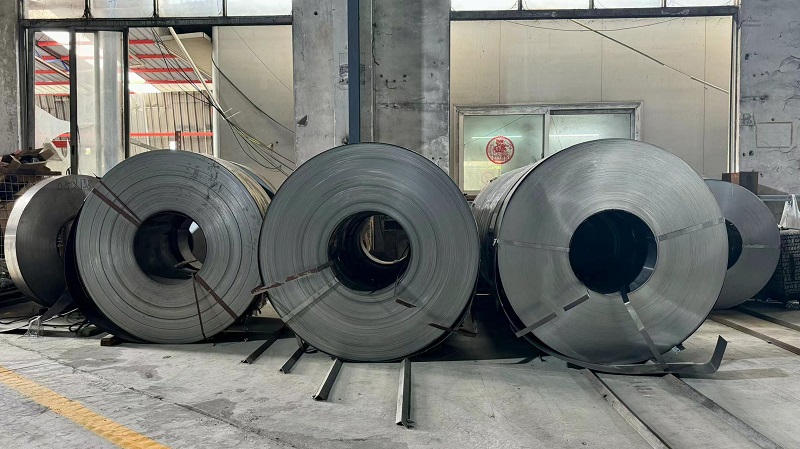
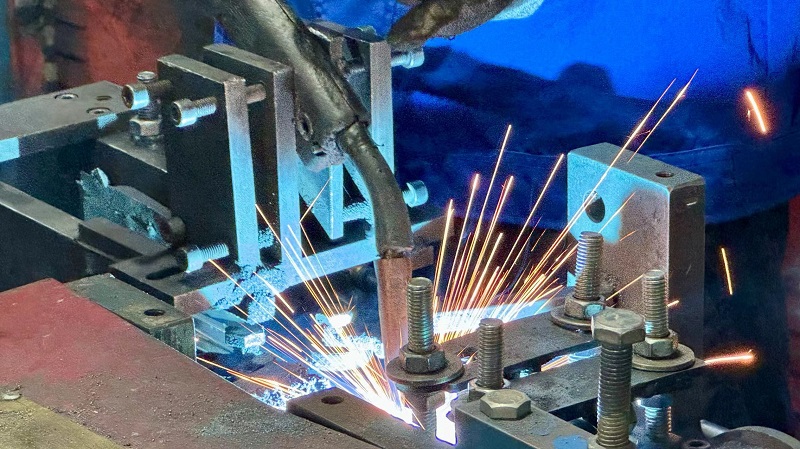
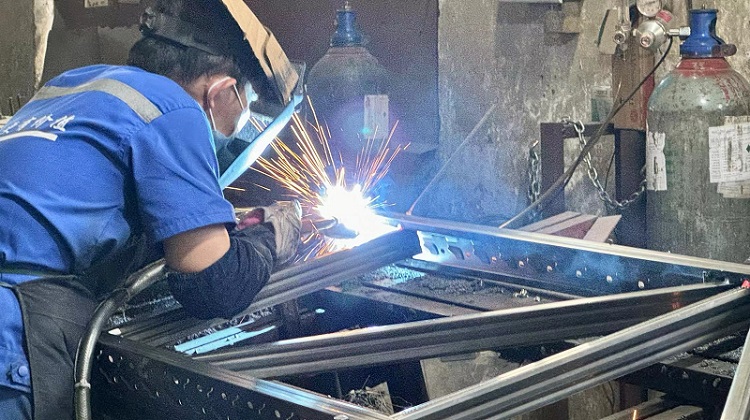
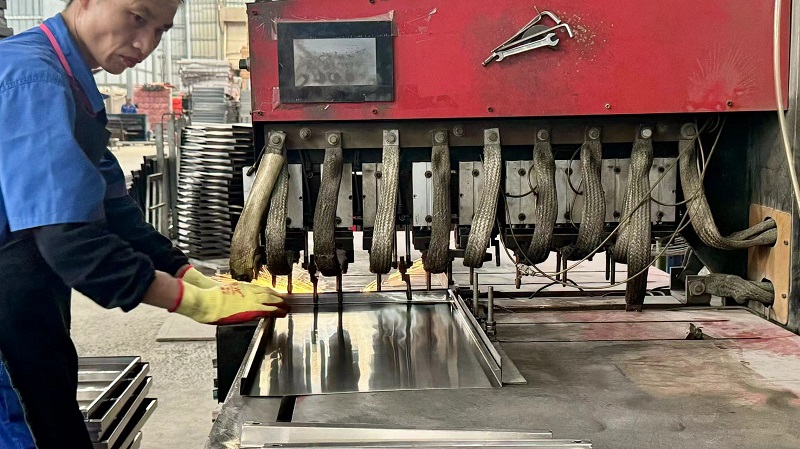
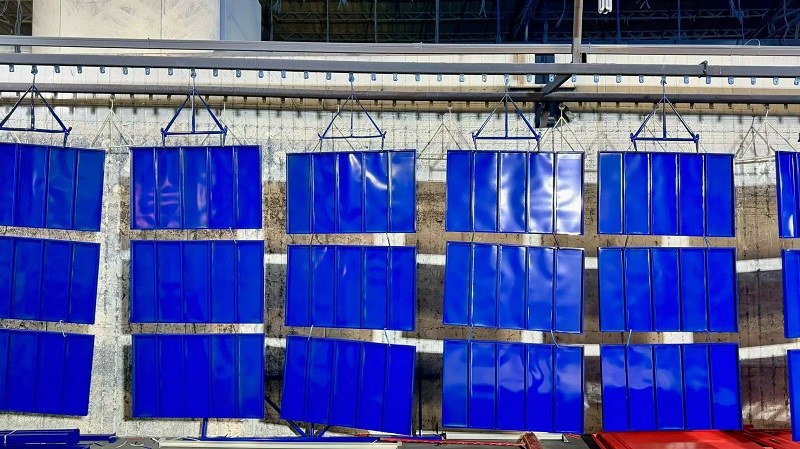
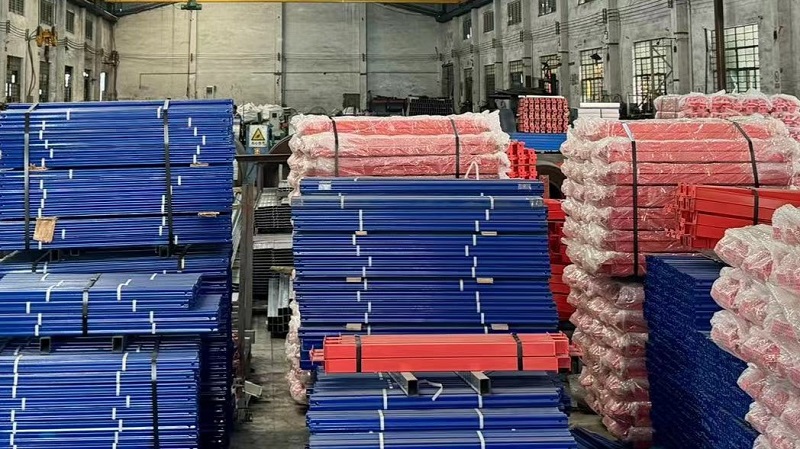
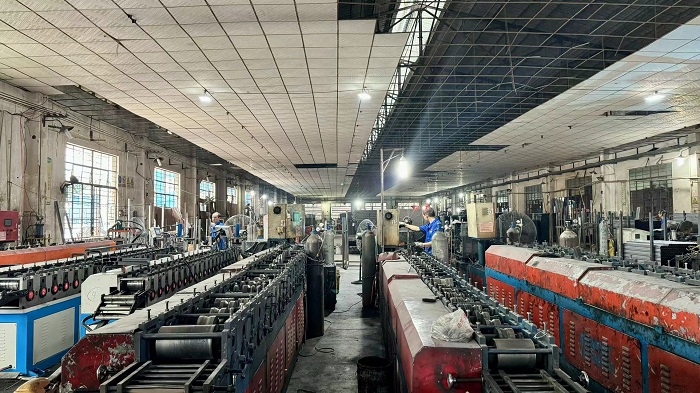
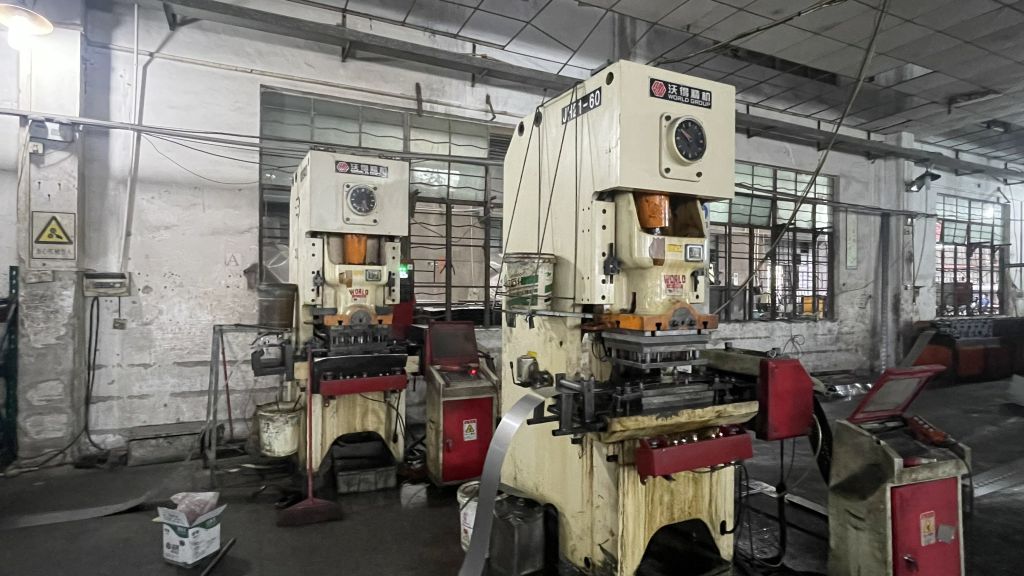
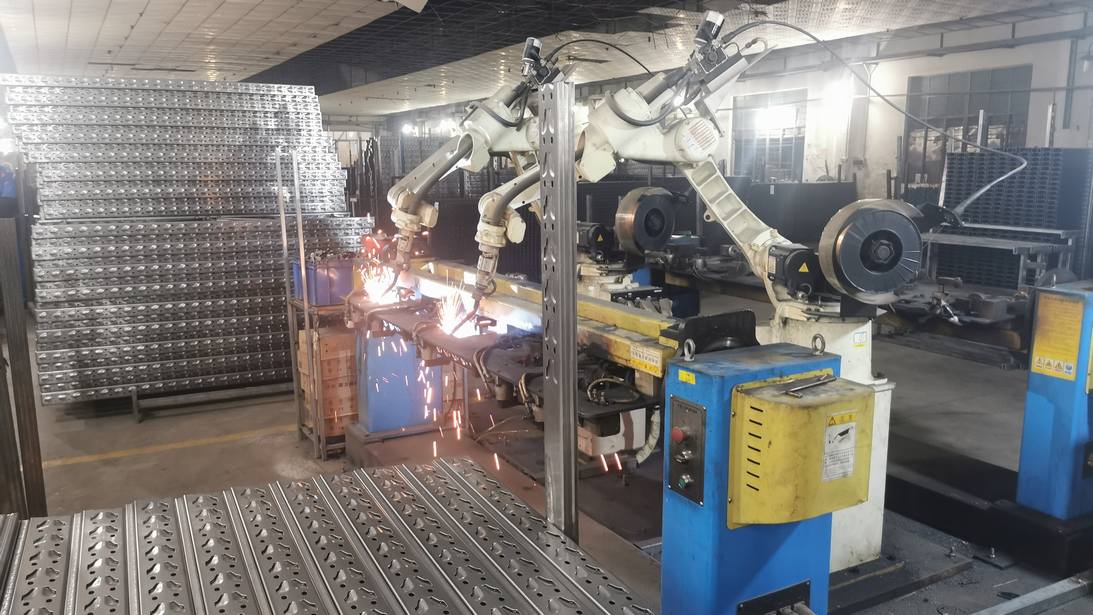
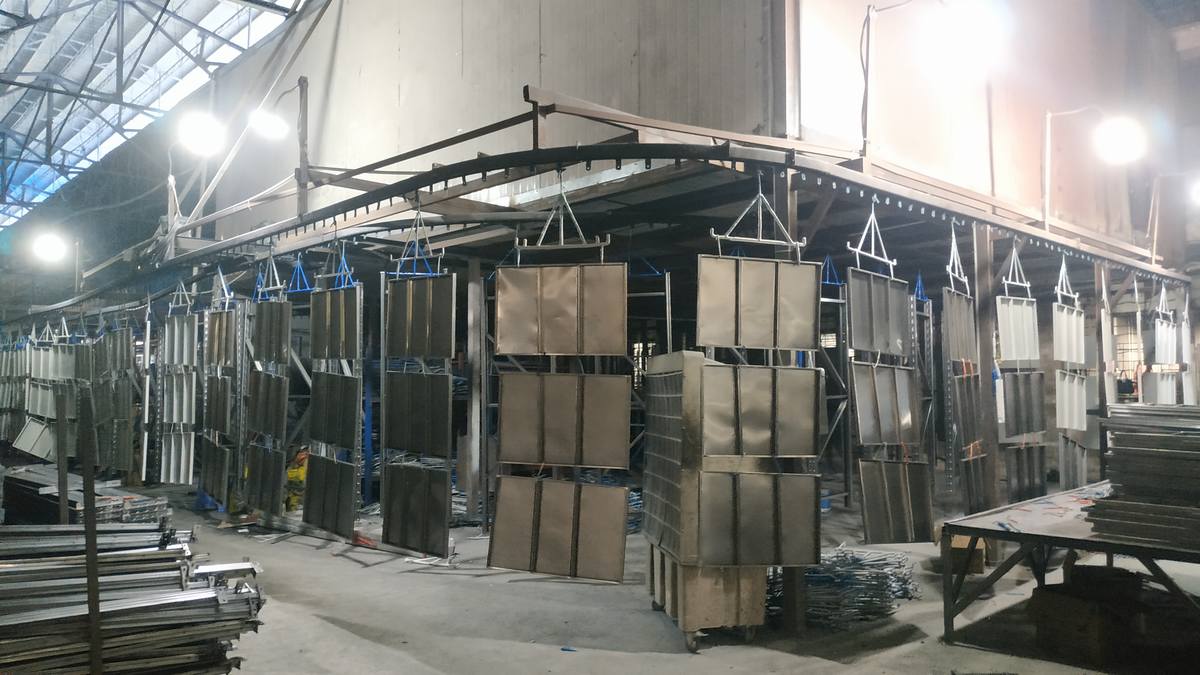
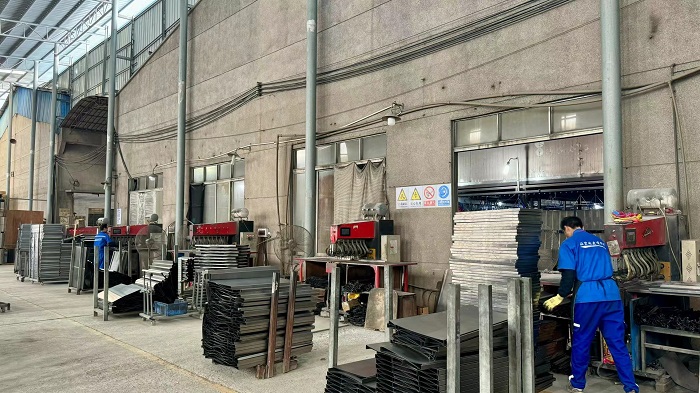
Procuring warehouse racking from overseas involves complex considerations. Global enterprise buyers look for structural certifications, transparent cost calculations, design flexibility, and low shipping costs. Working with a Chinese manufacturer that has mature export experience simplifies the delivery chain from factory to port.
At Shenzhen Kimsuk, we coordinate ocean transport logistics to Karachi Port (KICT/PICT) and Qasim Port, handling export clearance documentation, custom packing protection, and providing detailed structural layouts. This allows smooth customs clearance and straightforward on-site installation, reducing project setup timelines for our partners in Pakistan.
Production Facility
Annual Exports
R&D Engineers
Dedicated QC Experts
Complete selection of adjustable storage systems, heavy-duty workshop shelving, and commercial garment rails for regional warehouses across Pakistan.
Expert insights on sizing, load metrics, structural customization, and import processes for businesses in Pakistan.
Consult with our structural engineering team to get a detailed space planning layout and factory price quotation for your warehouse project in Pakistan.
Send Inquiry Now Kimsuk Rack