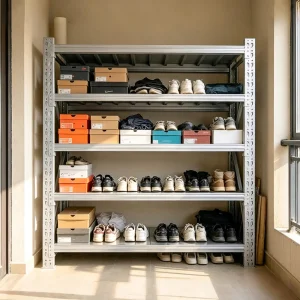
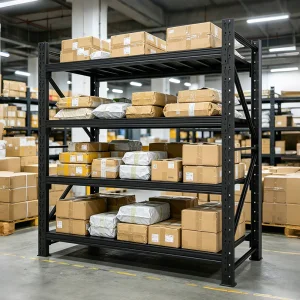
Engineered for high-frequency order fulfillment in Argentina's booming fashion logistics and e-commerce distribution centers.


Argentina's industrial supply chain is undergoing a structural transition. Driven by the expansion of modern e-commerce channels, agricultural export operations, and automotive manufacturing clusters in Buenos Aires Province, Córdoba, and Rosario, there is an unprecedented demand for modern logistics spaces. Traditional horizontal warehouses are rapidly being converted to vertical high-density configurations to optimize land-use efficiency and reduce structural overheads.
Importing high-performance steel structures presents unique challenges in the Argentine market, including compliance with strict local engineering codes (CIRSOC 301 structural steel guidelines) and dealing with customs clearing systems (SEDI). Successful local operators demand partners who can supply reliable, high-yield storage products with precise dimensional accuracy and fully certified engineering parameters to clear local building control inspections effortlessly.
Shenzhen Kimsuk Storage Equipment Manufacturing Co., Ltd. addresses this demand by offering custom-engineered structural solutions specifically configured for South American commercial load standards and import parameters, maximizing density without compromising structural integrity.
Convert underutilized overhead warehouse volume into high-density storage zones, boosting floor efficiency by up to 65%.
Engineered baseplates and anchor designs complying with seismic parameters required in the western Andean regions.
Complete documentation packages, precise shipping manifests, and NCM tariff classification codes for immediate customs processing.
True dynamic capacity limits from 100kg to over 500kg per shelf, certified under rigorous testing conditions.
Modern warehouses are not merely steel frameworks; they are structural components of highly automated supply chain networks. Globally, standard compliance dictates design reliability. Kimsuk ensures all racking products conform to FEM 10.2.02 (European Federation of Materials Handling) and RMI (Rack Manufacturers Institute) standards.
Using premium Q235B and Q355B structural steel, our upright frames feature multi-bend profiles to optimize stiffness and load transfer. Columns are cold-rolled from high-tensile sheet metal, providing exceptional resistance to torsion and forklift impacts.
For operations in Argentina, we configure seismic-resistant baseplates that anchor securely into standard warehouse concrete substrates, using high-tensile chemical anchors to distribute dynamic shear stress.
Corrosion poses a major threat in coastal warehouse environments such as Buenos Aires Port areas. Our automated epoxy-polyester electrostatic powder-coating line provides a highly durable layer (60-80 microns thick) that resists chemical exposure, moisture, and scratching during heavy daily picking operations.
This process is eco-friendly, certified for use in food distribution facilities, and retains structural beauty over long operational lifespans.
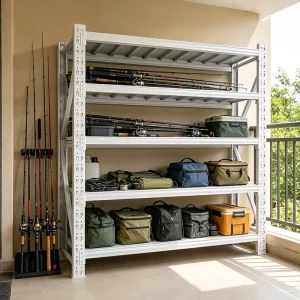
Adaptable heavy-duty workshop, garage, and light commercial storage racks with tool-free boltless assemblies.


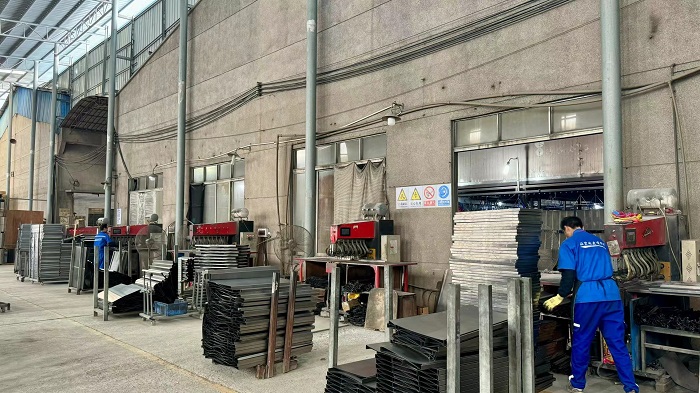
Operating a modern 38,000 m² production facility, Shenzhen Kimsuk executes strict manufacturing processes to guarantee the long-term reliability and load performance of our racking systems.
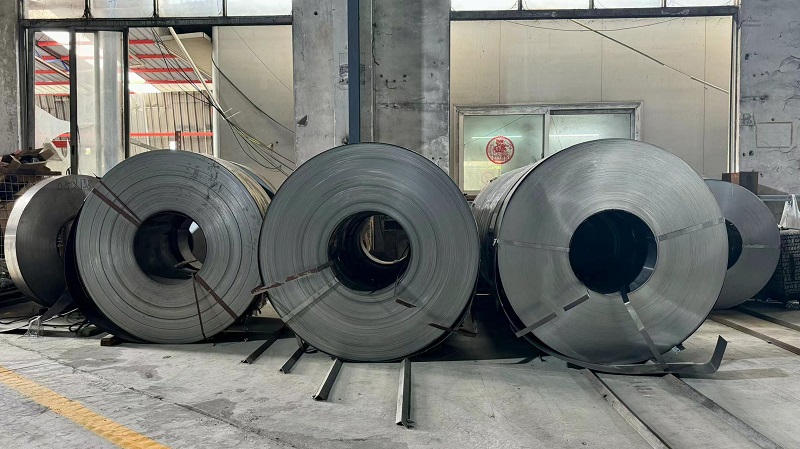
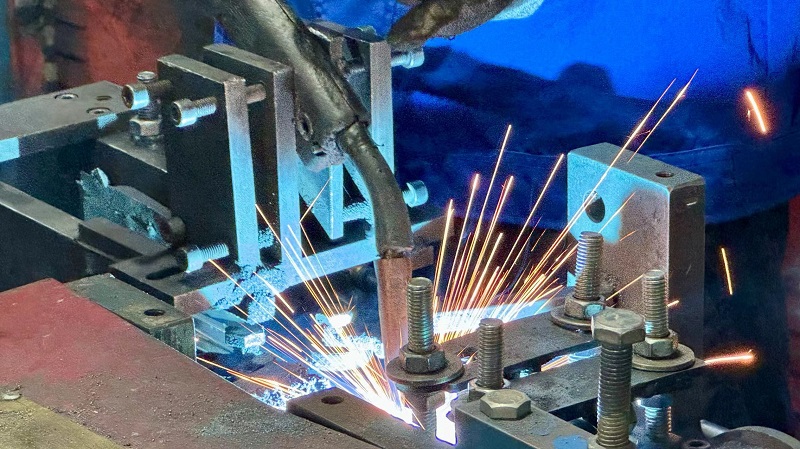
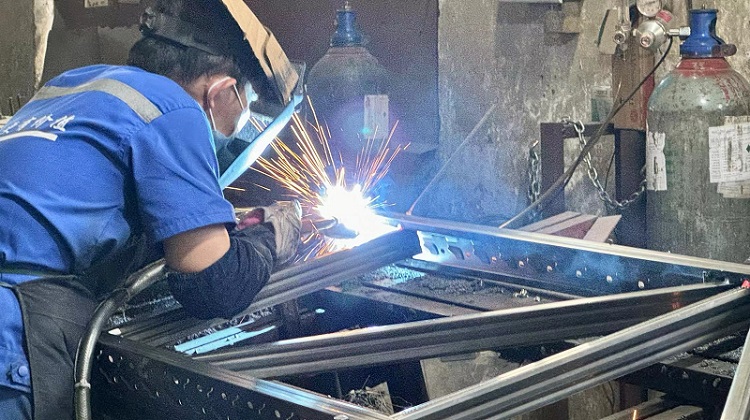
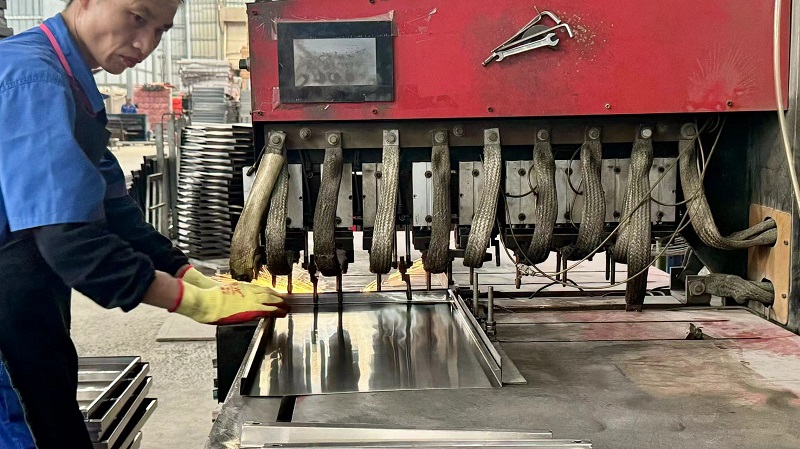
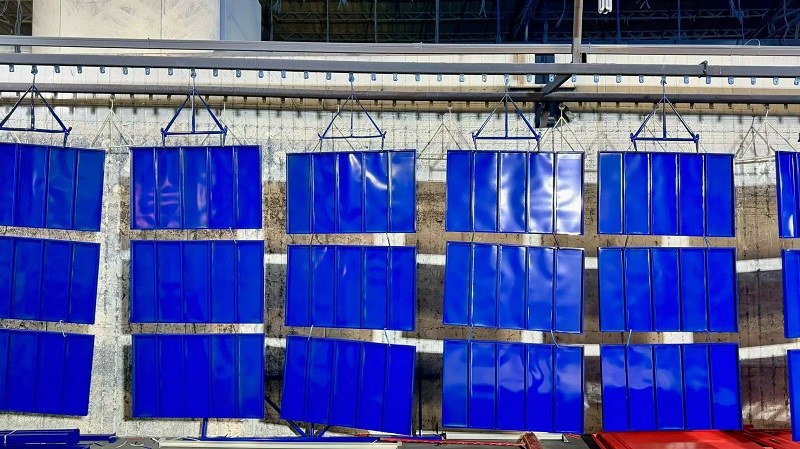
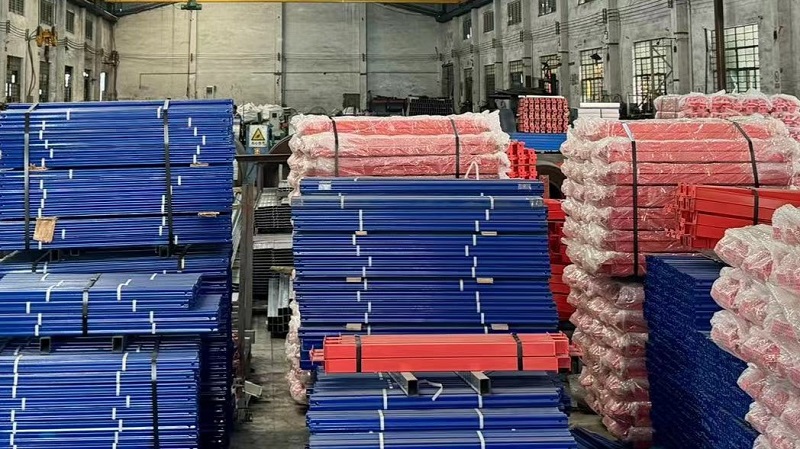
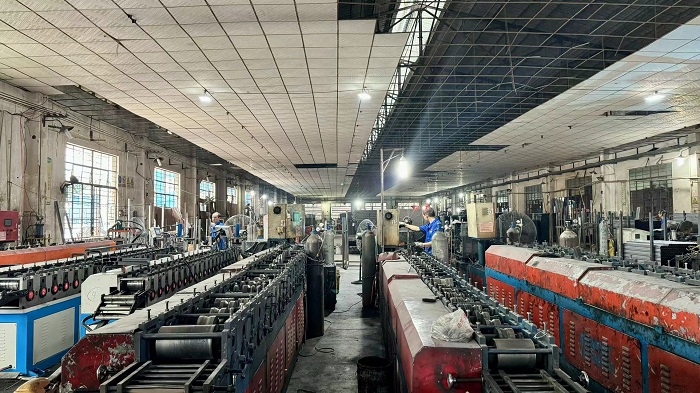
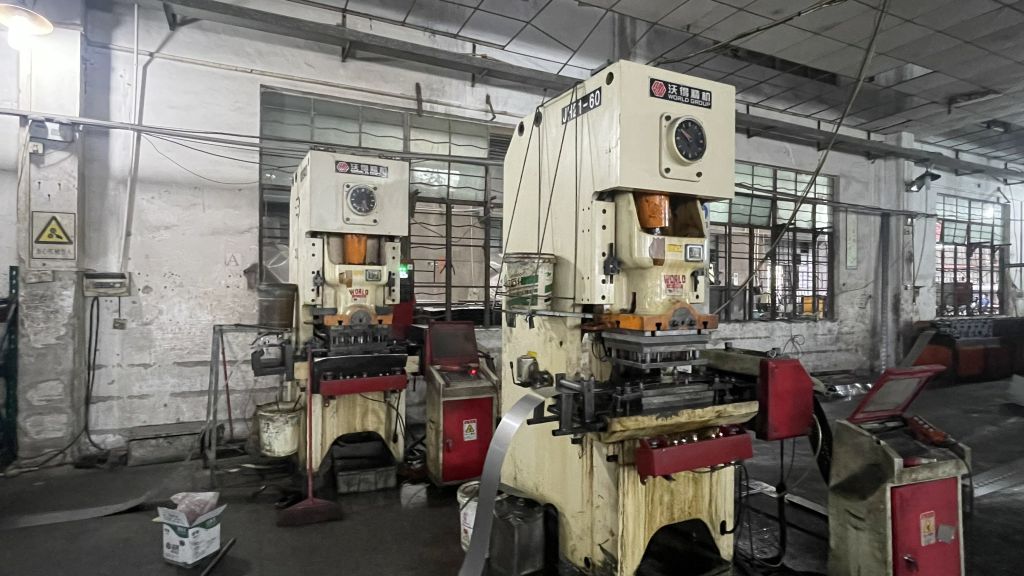
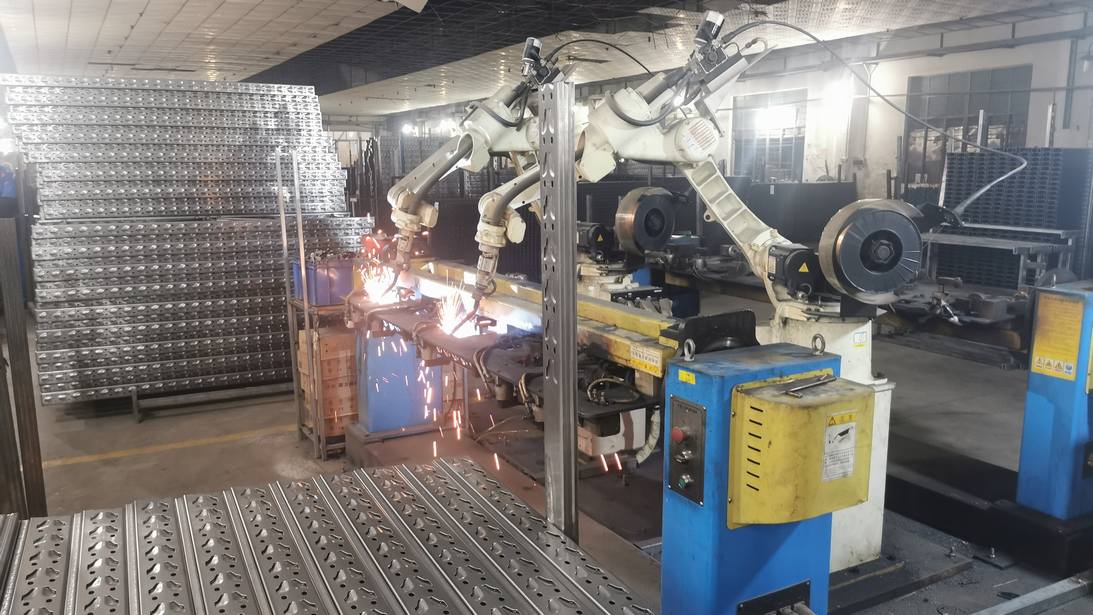
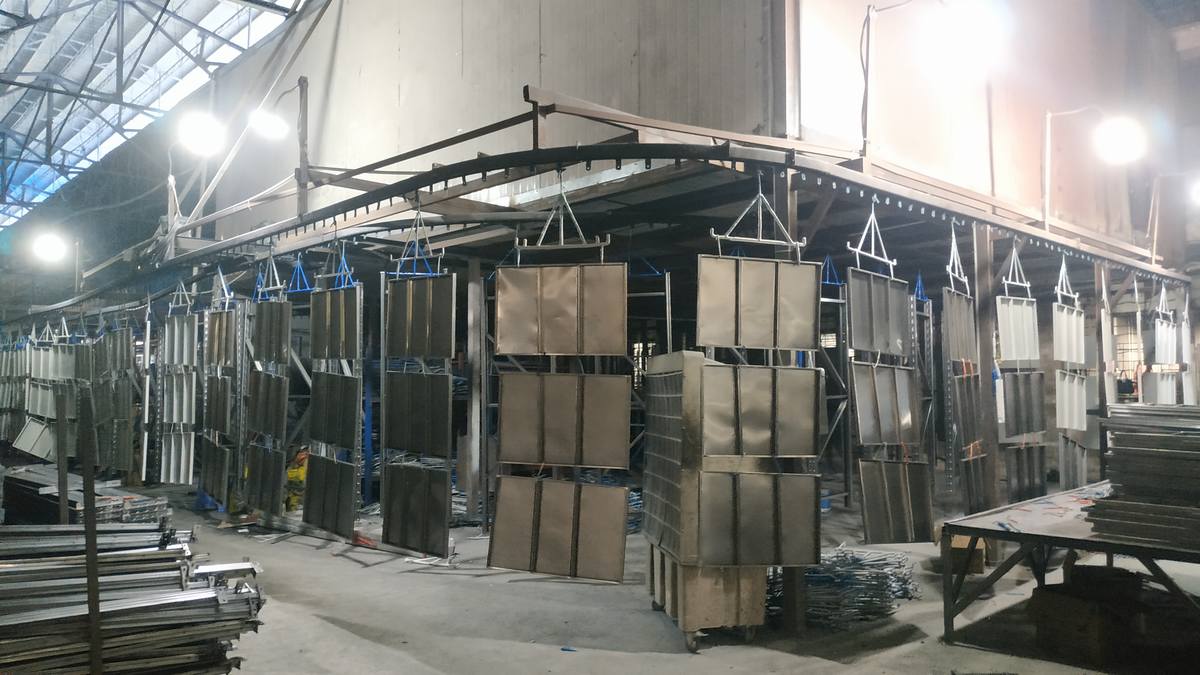
We deploy 35 dedicated QC inspectors to monitor fabrication. Our testing regime includes spectral chemistry verification of incoming steel coils, dynamic load tests under static and dynamic forces, and paint coat adhesion testing using cross-cut scratch methods.
This deep commitment to QA minimizes the potential for structural deflection over years of rigorous operation. We provide complete chemical composition reports and load certificates for each shipping container to Argentina.
Our engineering team, consisting of 18 structural engineers, develops structural solutions optimized for specific cargo profiles and storage models. Over the last year, we designed 45 optimized column configurations tailored to dynamic warehousing projects.
We work directly with engineering blueprints to configure racking columns, beam levels, and safety frame connectors, offering customized seismic load structural options tailored to clients in Argentina.
Importing structural steel components into Argentina requires careful adherence to regulatory framework approvals and load rating configurations. We provide engineered solutions designed for seamless local implementation:
The Argentine seismic hazard regions (specifically Mendoza, San Juan, and La Rioja) are governed by the CIRSOC 103 seismic design code. All structures must possess ductile configurations, braced upright frames, and heavy-duty anchorage systems.
We supply engineered calculations demonstrating frame stability, structural deflection characteristics, and shear resistance values to assist local structural engineers with local approval certification.
Navigating the Argentine customs process requires precise commercial descriptions, accurate NCM (Harmonized System) tariff codes, and verified shipping manifests.
We supply custom-issued certificates, packing lists optimized for shipping container space, and complete material certificates (ASTM/EN equivalent) to facilitate import clearance via the Port of Buenos Aires.
Premium storage configurations engineered for logistics operators, e-commerce centers, and manufacturing plants across Argentina.
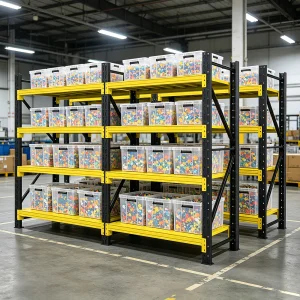
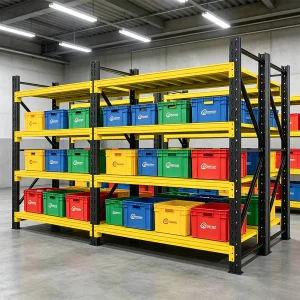

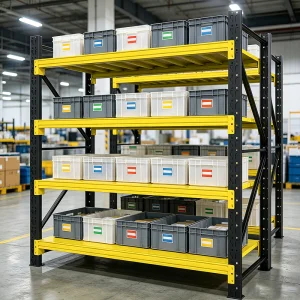


The future of logistics is intelligent. Modern storage environments are moving from passive steel racking to interactive, smart nodes. At Shenzhen Kimsuk, our development roadmaps focus on integrating automated components directly with our structures.
By designing racking columns that support sensor arrays and RFID tracking tags, we enable automated guided vehicles (AGVs) and autonomous picking robots to navigate warehouse aisles safely and efficiently.
In addition, we continue to research and develop high-yield, light-gauge steel profiles that reduce overall steel usage while maintaining rated structural performance. This approach reduces material weight, leading to lower ocean freight shipping fees and helping our clients meet corporate sustainability objectives.
In-depth responses regarding engineering designs, logistics processes, structural standards, and custom manufacturing configurations.
 Kimsuk Rack