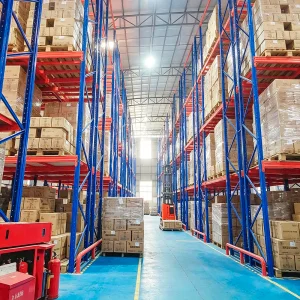
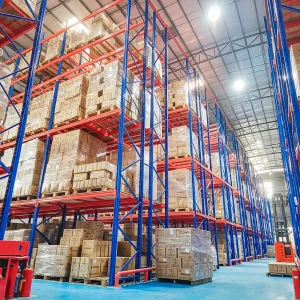
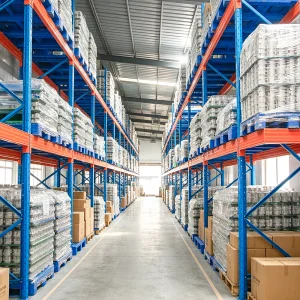
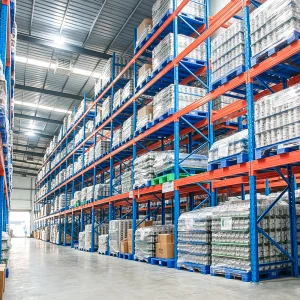
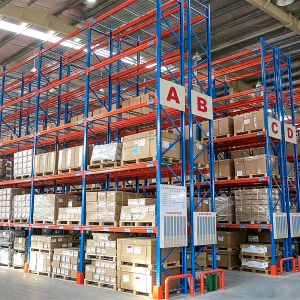
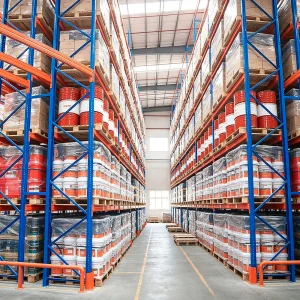
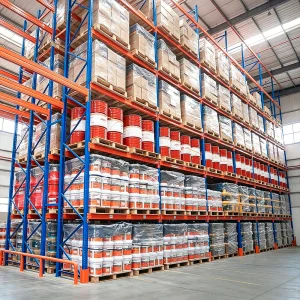
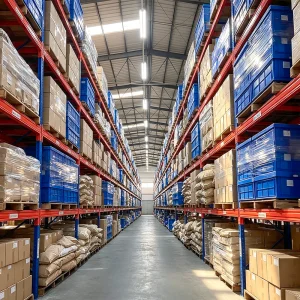
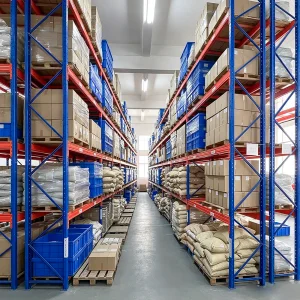
Heavy Duty Rack Supplier & Exporters in the Oman Market

High-Capacity Engineering, Seismic Durability, and Industry 4.0 Supply Chain Integration Optimized for Muscat, Sohar, and Salalah Logistics Hubs

Send Inquiry Now

Oman's Industrial Transformation: Logistics Hub of Vision 2040

Under the strategic directive of Oman Vision 2040, the Sultanate of Oman is positioning itself as a primary global logistics nexus connecting East-West trade corridors. Driven by massive infrastructure investments in the Special Economic Zone at Duqm (SEZAD), Sohar Freezone, and Salalah Free Zone, industrial storage demand is experiencing unprecedented growth. Warehouses are no longer mere holding centers; they are dynamic, high-throughput nodes demanding advanced racking systems that support maximum height utilization and rapid inventory turns.

Heavy-duty storage systems within the Oman market face unique challenges, specifically in maintaining structural integrity amidst extreme coastal humidity and localized high ambient temperatures. Traditional racking systems failing to meet rigorous engineering specifications run the risk of accelerated oxidation and deformation. As a result, EPC contractors and procurement managers across Muscat, Barka, and Nizwa now mandate heavy-duty racking designed with strict seismic parameters, high load capacities, and highly resilient surface finishes.

Key Economic Zones Driving High-Density Storage Demand:

  • Sohar Port and Freezone: A major deep-sea port and free zone attracting heavy industries, petrochemicals, and food logistics operators requiring robust, high-volume pallet configurations.
  • Salalah Free Zone: Centrally located on global shipping lanes, demanding highly specialized cold-chain and dry-goods storage setups that maximize vertical footprint.
  • Duqm Special Economic Zone (SEZAD): A multi-sector industrial hub necessitating extra heavy-duty industrial shelving capable of storing machinery spares, construction supplies, and raw materials.
  • Khazaen Economic City: The primary dry port and logistics gateway near Muscat, focusing heavily on modern e-commerce fulfillment centers and temperature-controlled FMCG distribution hubs.

To succeed in this evolving industrial ecosystem, businesses must partner with industrial storage system suppliers who possess not just manufacturing capacity, but structural engineering capability compliant with both European (FEM/EN) and American (RMI) racking standards.

Market Insight: Why Standard Racking Fails in Oman

Corrosion Threat: High relative humidity coupled with coastal salinity in Muscat and Salalah creates an aggressive C4 to C5 corrosive atmosphere. Standard coatings break down rapidly, causing structural rust.

Seismic Risk: Portions of Northern Oman are prone to seismic activities originating from the nearby Zagros fold-and-thrust belt. Racking structures must have precise calculations for baseplate sizing and upright frame bracing.

Thermal Stress: Unconditioned warehouse temperatures can exceed 50°C in summer. Metal expansion coefficients and powder coating bonding resilience must be factored into the raw material formulation.

38,000㎡
Modern Chinese Production Base
$22M+
Annual Global Export Volume
18+
Senior Structural R&D Engineers
11+ Yrs
Deep Storage Manufacturing Expertise

Global Warehouse Trends & Procurement Criteria

Maximizing Space, Optimizing TCO, and Guaranteeing Supply Chain Resilience

High-Density Vertical Integration

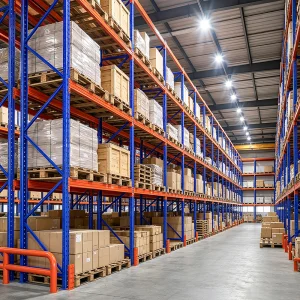
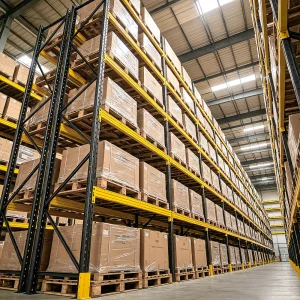
With real estate costs rising across the GCC, enterprises are shifting from broad horizontal storage to vertical layouts. Modern systems scale up to 15 meters, utilizing specialized narrow aisle (VNA) or double-deep layouts to boost storage efficiency by up to 60% compared to standard configurations.

Total Quality Compliance (TCO)

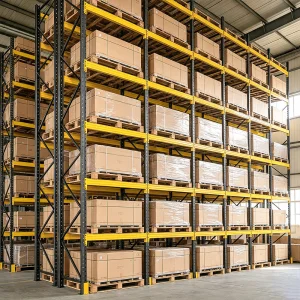
Global procurement teams prioritize racking systems manufactured under ISO 9001:2015 conditions using high-strength steel (typically Q235B or Q355B). Ensuring that structural members can support loads of up to 4,000 kg per level without structural sagging prevents inventory loss and guarantees worker safety.

Automation & AS/RS Compatibility

The modern supply chain is rapidly automating. Heavy-duty pallet rack systems must be engineered with ultra-precise tolerances to allow seamless integration with automated guided vehicles (AGVs), stacker cranes, and dynamic shuttle systems common in advanced Oman warehouses.

Production Advantage

Raw Material Integrity: We source Q235B and Q355B grade structural carbon steel directly from China's premier state-owned mills, guaranteeing certified yield and tensile strengths.

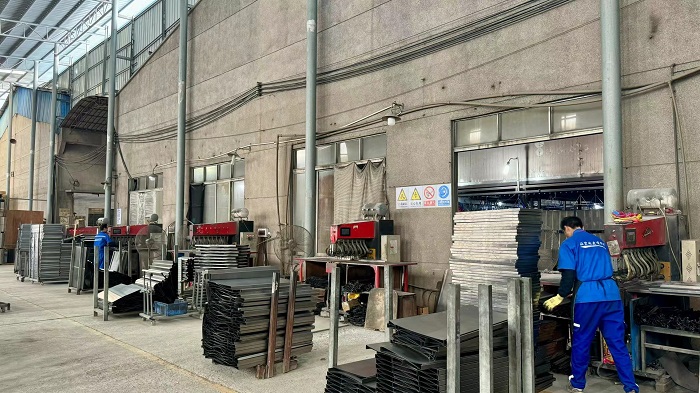
Advanced Surface Protection: Automated, multi-stage chemical pre-treatment followed by electrostatic powder deposition, cured at 200°C, ensures a coating layer exceeding 85 microns. This offers superior salt spray and scratch resistance under harsh coastal climates.

Rigorous Testing Protocols: Our QC lab utilizes ultrasonic thickness gauges, spectral analysers for steel chemistry, and dynamic test rigs simulating continuous loading cycles.

Shenzhen Kimsuk: China 4.0 Manufacturing Advantage

As a global industrial storage manufacturer, Shenzhen Kimsuk Storage Equipment Manufacturing Co., Ltd. (established in 2015) bridges the gap between high-precision Chinese engineering and local requirements in Oman. Operating a state-of-the-art 38,000 m² production base in China, Kimsuk incorporates Industry 4.0 automated manufacturing to supply heavy-duty racking solutions globally, including to major distributors and EPC contractors in the Middle East.

Our competitive advantage lies in localized structural optimization. With 18 full-time structural engineers, we develop customized solutions that factor in the exact seismic zone ratings of Muscat and Salalah, optimizing metal gauge profiles to minimize redundant weight while maximizing carrying capacity. This results in significant cost savings on sea freight and material overheads without compromising safety.

Supported by a network of over 850 verified supply chain partners, Shenzhen Kimsuk guarantees rapid lead times. Whether you are executing a 10,000-pallet facility installation in Sohar or a regional distribution warehouse in Barka, our capacity ensures structural components are delivered on schedule, with complete installation instructions, certified test reports, and mill certificates.

End-to-End Industry 4.0 Production Flow

How we ensure dimensional precision and structural resilience at every stage of the manufacturing cycle
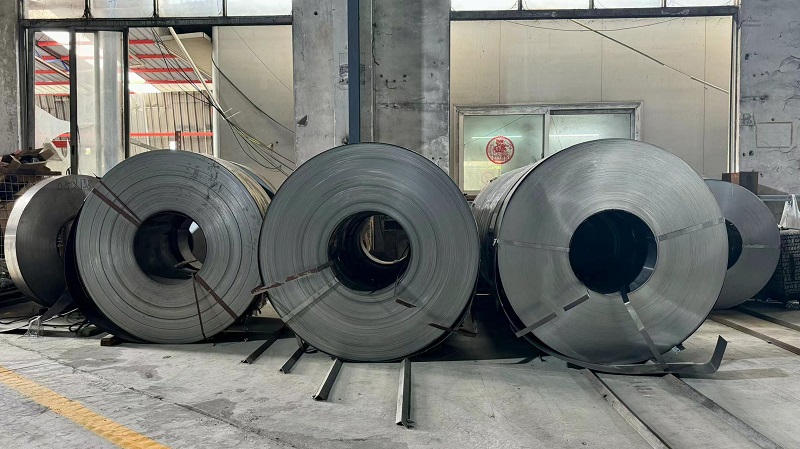
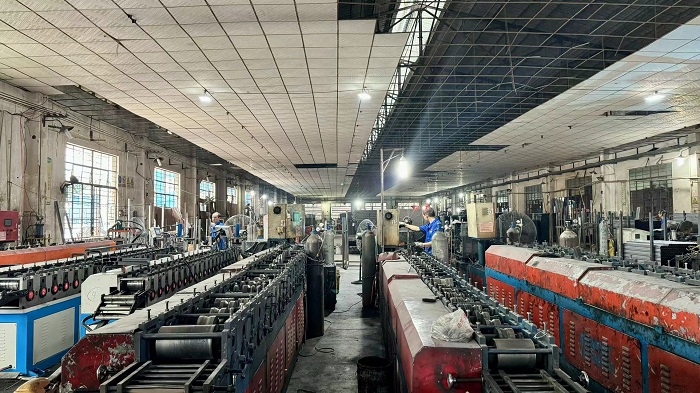
Raw Materials
Raw Materials Selection
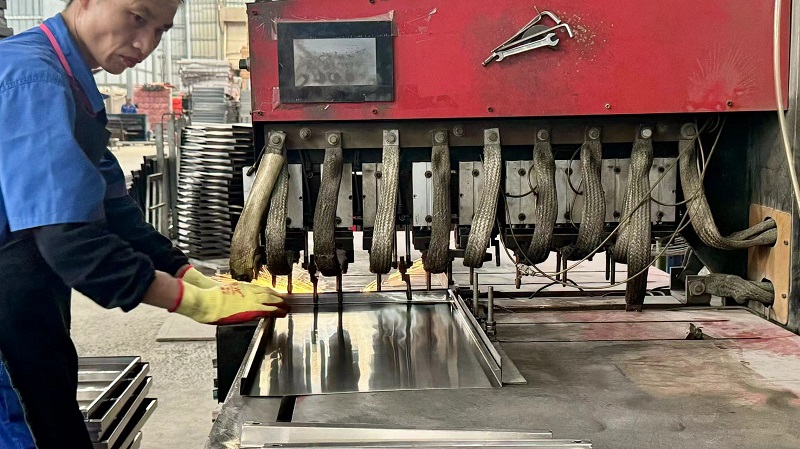
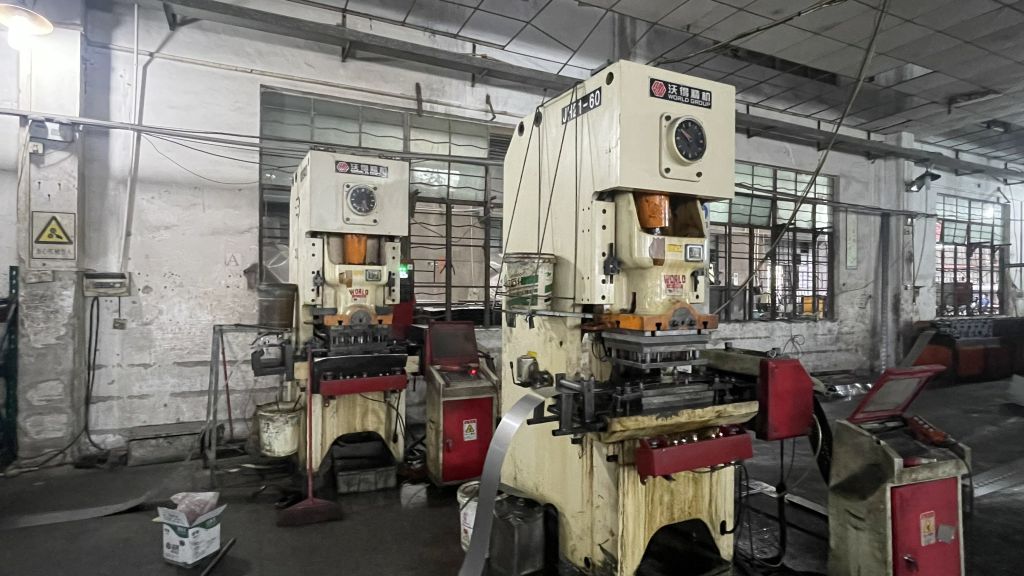
Stamping Molding
Stamping Molding
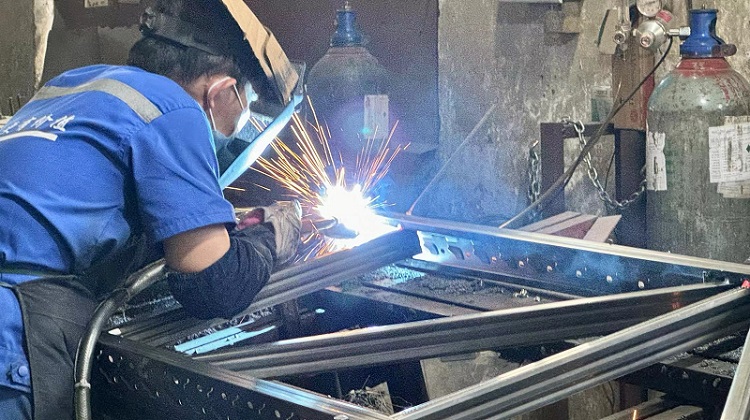
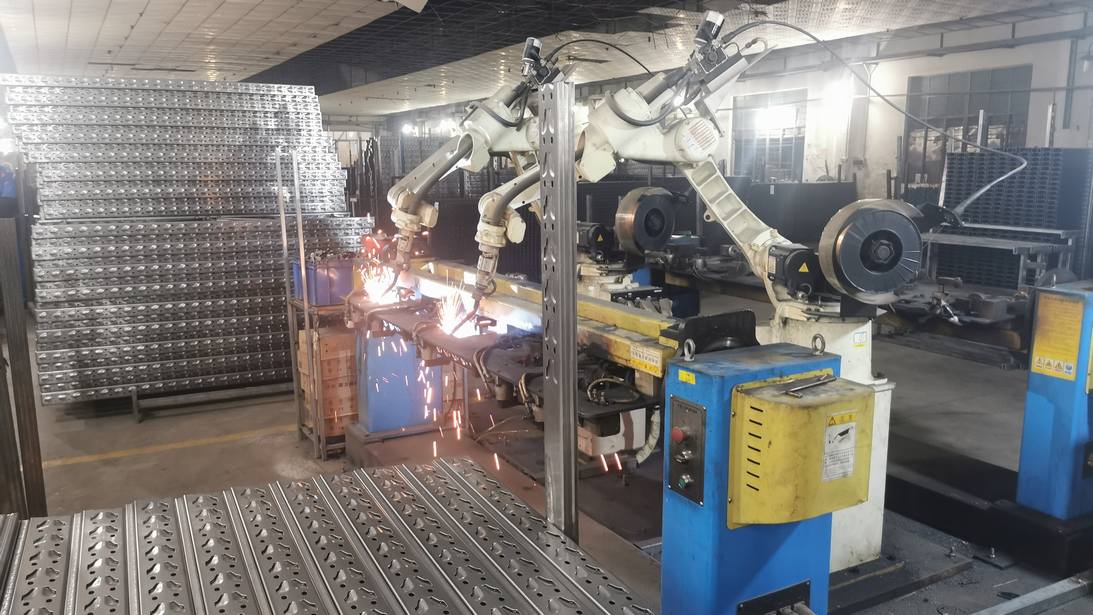
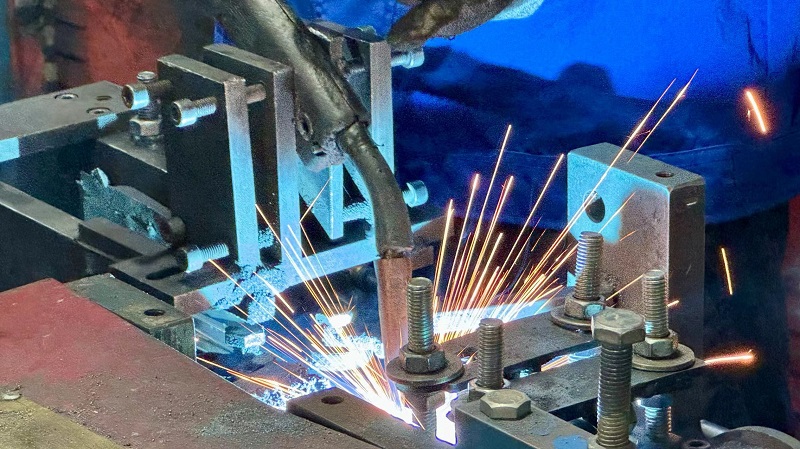
Welding
Precision Robotic Welding
Punching
Upright Punching
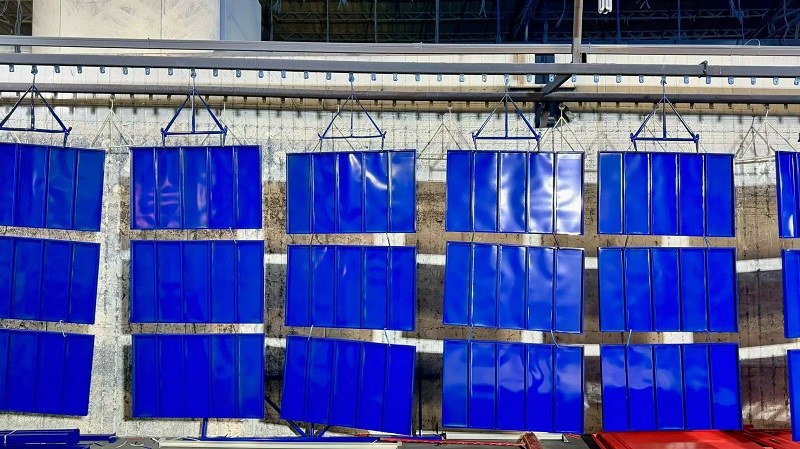
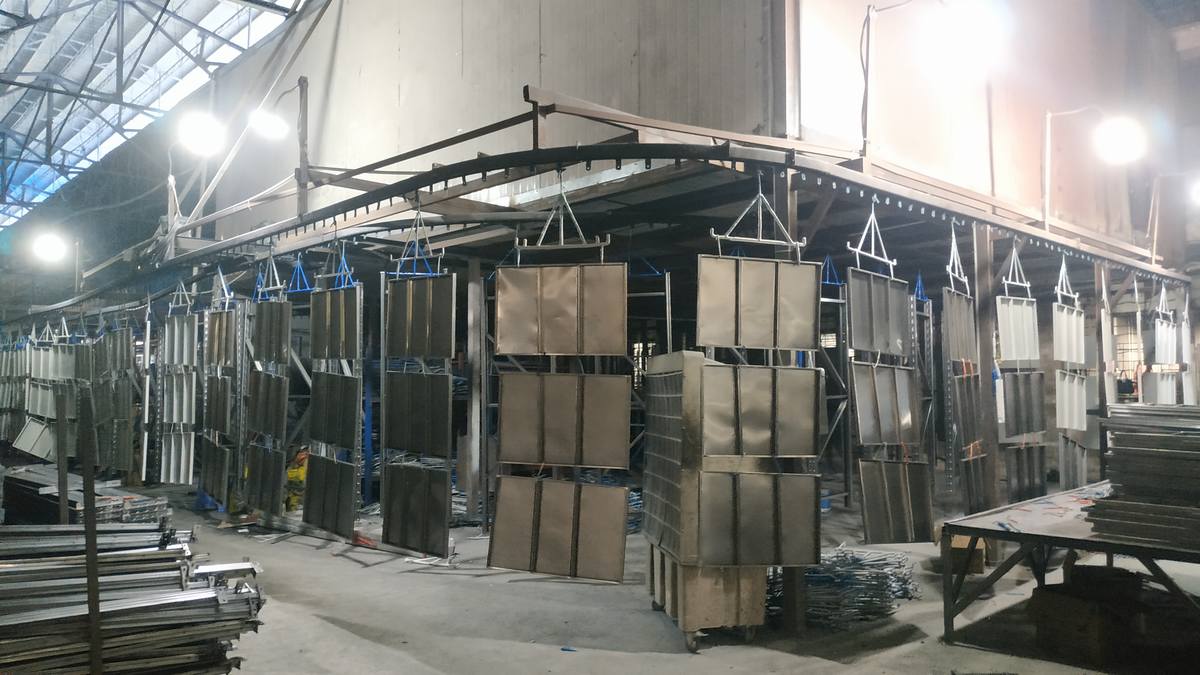
Painting
Powder Coating Line
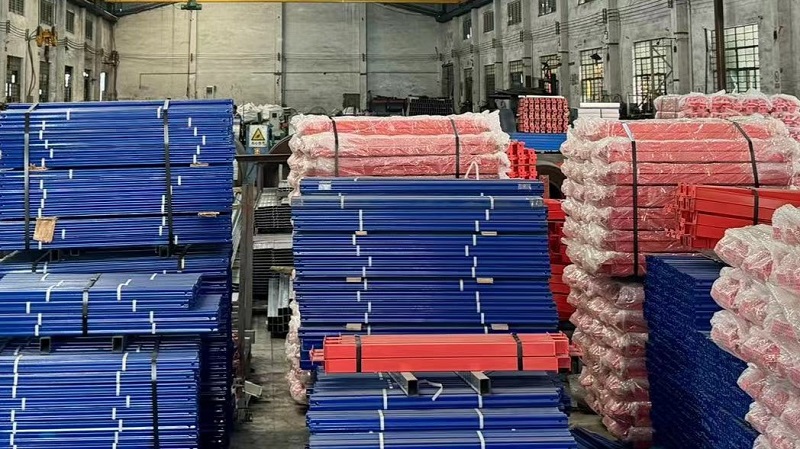
Packaging
Export Packing & Loading
Stamping Molding Machine
Piercer Machine
High Speed Piercer
Welding Machine
Robotic Welder
Painting Line
Curing Painting Line
Punching machine
NC Punching Press

Heavy-Duty Warehouse Racking FAQ

Addressing core technical questions from procurement officers, logistics managers, and structural engineers in the GCC

Q1: What steel grades do you utilize for the upright frames and load beams?
For all high-load and seismic racking projects, we utilize structural carbon steel grades Q235B and Q355B (equivalent to ASTM A36 and S355JR respectively). These grades feature high yield points and superior ductility, ensuring our structural profiles handle designated design limits safely. Mill test certificates (MTC) are provided with every shipment.
Q2: How do you design racking systems to handle Oman's specific seismic conditions?
Our engineering team conducts structural finite element analysis (FEA) compliant with EN 15512 and RMI guidelines. We adjust the seismic parameters according to the geographical zone (e.g., Muscat vs. Dhofar), optimizing upright profile gauges, widening baseplates, and adding heavy-duty floor anchor bolts and custom cross-bracing configurations to absorb dynamic force.
Q3: What surface treatment do you recommend for non-conditioned, high-humidity coastal zones?
For coastal zones in Muscat, Duqm, or Salalah, we recommend our specialized high-durability polyester powder coating, which undergoes a multi-stage zinc phosphate pre-treatment. This coating measures between 85 to 110 microns in thickness, providing excellent resistance to humidity and salt spray. For cold-storage applications, we offer hot-dip galvanized structures that protect the steel profile both inside and out.
Q4: What is the lead time for custom heavy-duty storage orders shipped to Oman?
Our standard manufacturing lead time is 20 to 25 days from drawing approval and deposit receipt. Shipping transit time from China to Port of Sohar or Port of Salalah typically ranges between 18 to 22 days. This yields a total project delivery window of approximately 40 to 50 days, backed by guaranteed manufacturing timelines.
Q5: Do you provide OEM/ODM customization services for specific industrial needs?
Yes. We provide complete OEM/ODM options. Our structural engineering department regularly develops custom upright profile configurations, modified beam connection connectors, customized color-coded components, seismic base isolators, and customized shelf-depth options to suit the material handling equipment (MHE) layout of our clients.
Q6: How does Kimsuk manage quality assurance for large-scale international exports?
We employ 35 full-time, independent QC inspectors. Our quality protocol requires inspection at multiple checkpoints: verifying raw steel chemical compositions, monitoring structural weld penetration via ultrasonic testing, checking dynamic load limits on pilot batches, and measuring film thickness on curing lines. No batch leaves our factory floor without a signed QC certification.

Ready to Optimize Your Warehouse Footprint in Oman?

Partner with Shenzhen Kimsuk for structurally verified, seismic-compliant heavy-duty racking systems. Get in touch with our design engineers today for structural layout planning and competitive export quotes.