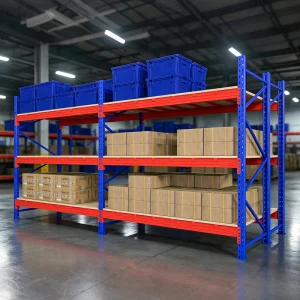
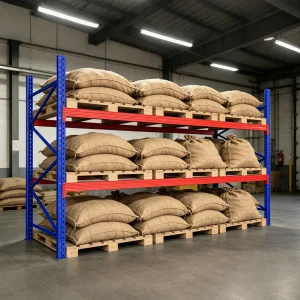
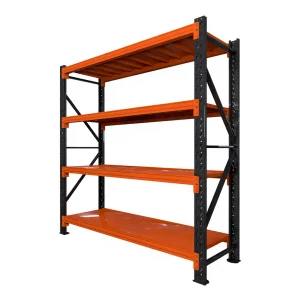
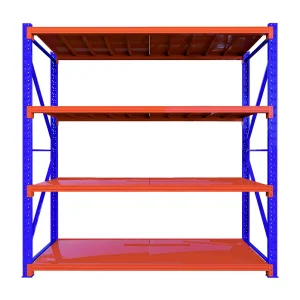
Explore our engineering-grade heavy storage systems, built for extreme loads, high stability, and seamless structural adaptability.

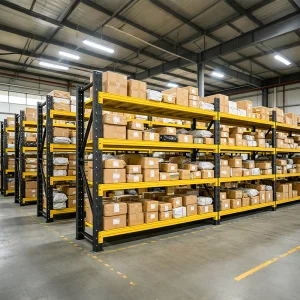
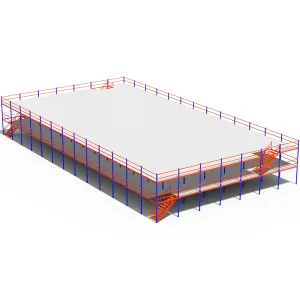

Established in 2015, Shenzhen Kimsuk Storage Equipment Manufacturing Co., Ltd. is a leading industrial warehouse storage systems manufacturer headquartered in Shenzhen, China. Operating from a modern 38,000 m² production facility, we specialize in high-density pallet racking, mezzanine systems, and customized logistics storage solutions for global enterprises. Backed by 35 dedicated full-time QC specialists, we execute rigorous quality control protocols across all production phases—including spectral raw material testing, ultrasonic weld inspection, dynamic load capacity testing, and automated powder-coating durability checks.
With over 11 years of deep industry expertise and 8 years of direct international trade experience, Kimsuk generates over $22 million in annual export sales. Our primary overseas markets cover North America, Western Europe, Southeast Asia, and the Middle East, serving heavy-duty distributors, logistics hubs, e-commerce fulfillment centers, and industrial manufacturing plants. Driven by strong innovation, our internal R&D team consists of 18 experienced structural engineers. Last year alone, we successfully launched 45 new optimized racking designs. We offer extensive OEM/ODM customization options, including tailored load capacities, specific column profiles, seismic-resistant structures, and custom anti-corrosion surface treatments. Supported by an integrated network of over 850 reliable supply chain partners, Shenzhen Kimsuk delivers high-performance, cost-effective warehouse storage systems engineered to maximize your space utilization.
Production Facility
Industry Expertise
Annual Exports
R&D Engineers
Supply Chain Partners
In modern industrial logistics, optimizing vertical cubic space is no longer a luxury—it is a financial necessity. Global enterprises require structural steel platforms that offer safety, dynamic load stability, modular adaptability, and seamless compliance with localized building codes. The demand for multi-tier mezzanine floors and heavy-duty steel platforms has surged by over 30% in the last three years, propelled by the rise of automation, high-density warehouse storage schemes, and the rapid globalization of supply chains.
When procurement officers and plant managers evaluate steel platforms, they look beyond simple material costs. The total cost of ownership (TCO), quick structural erection, compatibility with automated material handling equipment (such as AGVs and AMRs), and rigorous loading capabilities dictate their investment decisions. A single structural failure can lead to catastrophic inventory damage, business interruption, and liability. Therefore, selecting a manufacturer with proven engineering credentials, modern QA protocols, and structural analysis capabilities is of paramount importance.
Designs capable of handling uniform distributed loads (UDL) ranging from 300kg/m² to over 2000kg/m², accommodating heavy machinery, automated sorting lines, and dense pallet storage.
Tailored structural profile configurations, heavy-duty baseplates, and advanced bracing parameters engineered specifically for regions prone to high-seismic activity.
From architectural-grade electrostatic powder coatings to hot-dip galvanized steel finishes for aggressive chemical environments and high-humidity cold chain facilities.
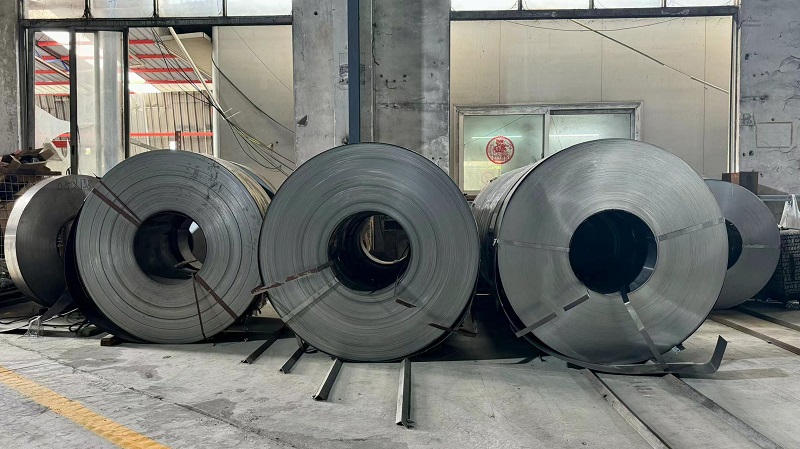
China remains the powerhouse of structural steel fabrication, offering unparalleled advantages in capacity, raw material availability, and process integration. Shenzhen Kimsuk, situated in the heart of the Pearl River Delta industrial cluster, leverages this robust network to provide advanced technical storage solutions. The structural integrity of Kimsuk steel platforms begins with premium raw materials, drawing primarily from high-grade Q235B and Q355B structural steel supplied by leading state-owned mills. These materials undergo strict chemical profiling and physical tensile strength testing before fabrication begins.
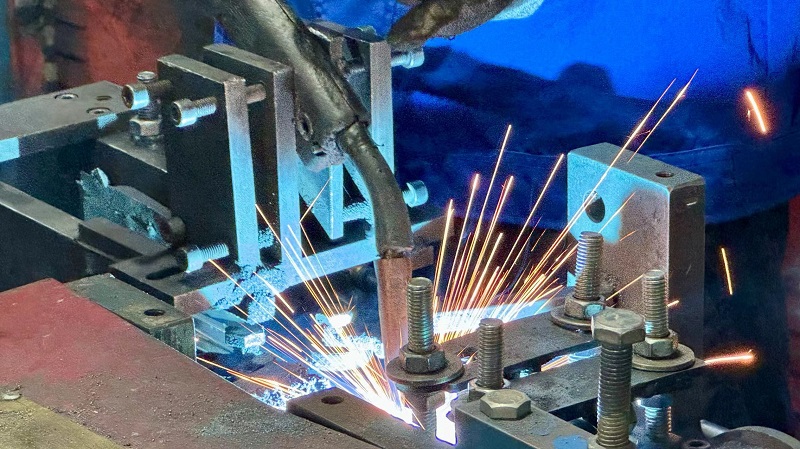
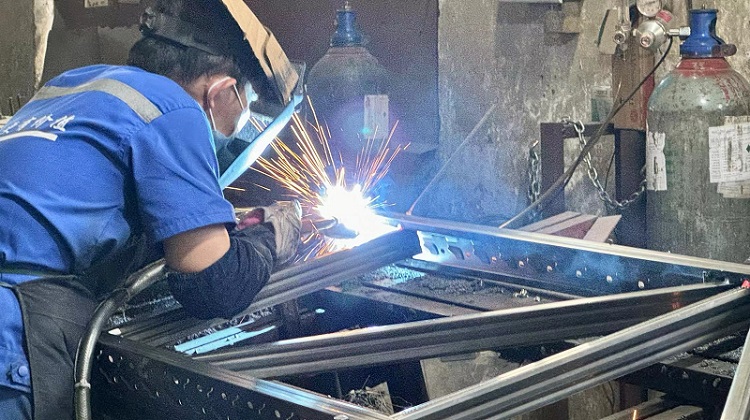
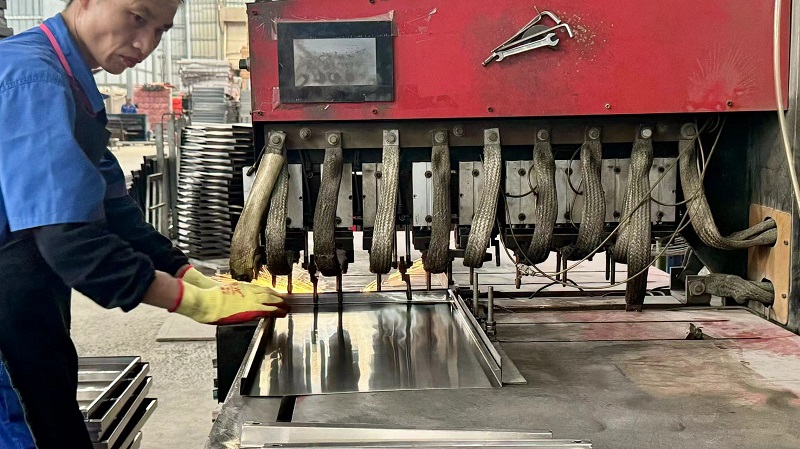
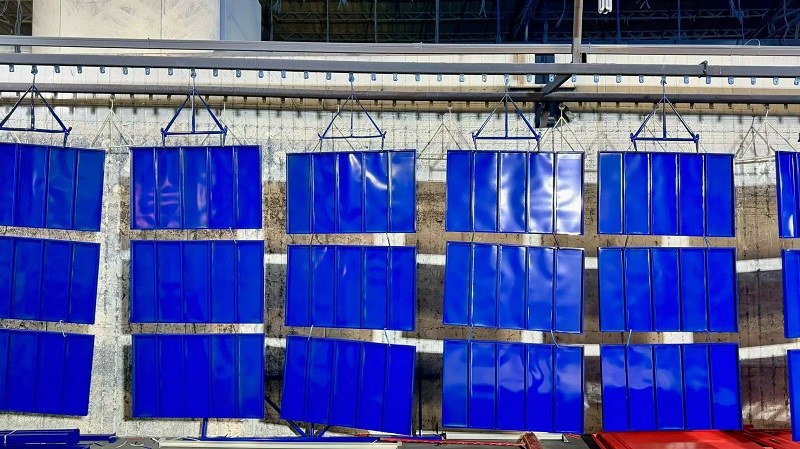
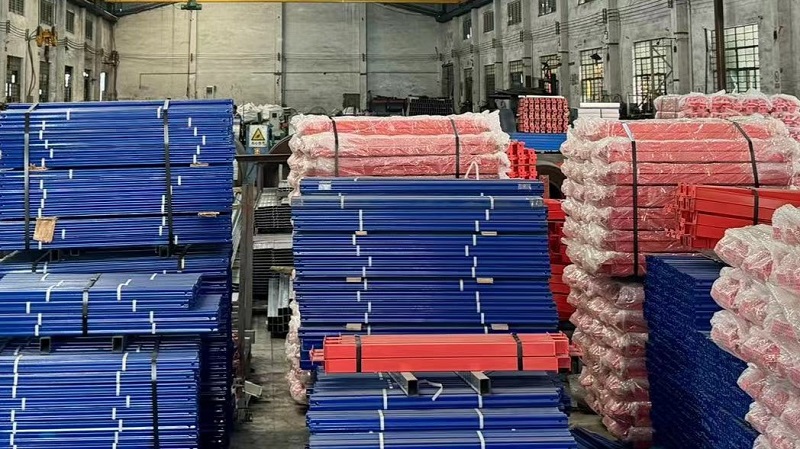
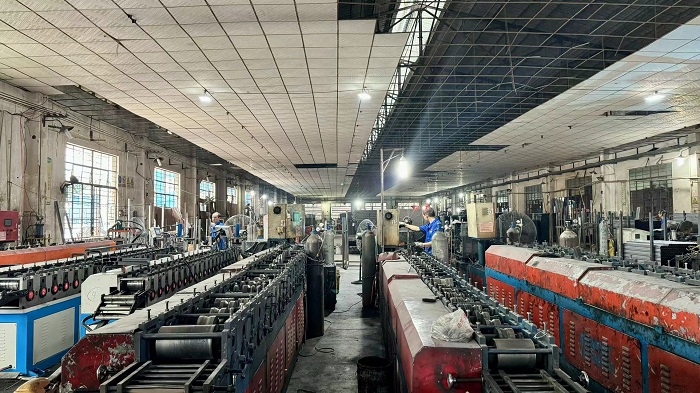
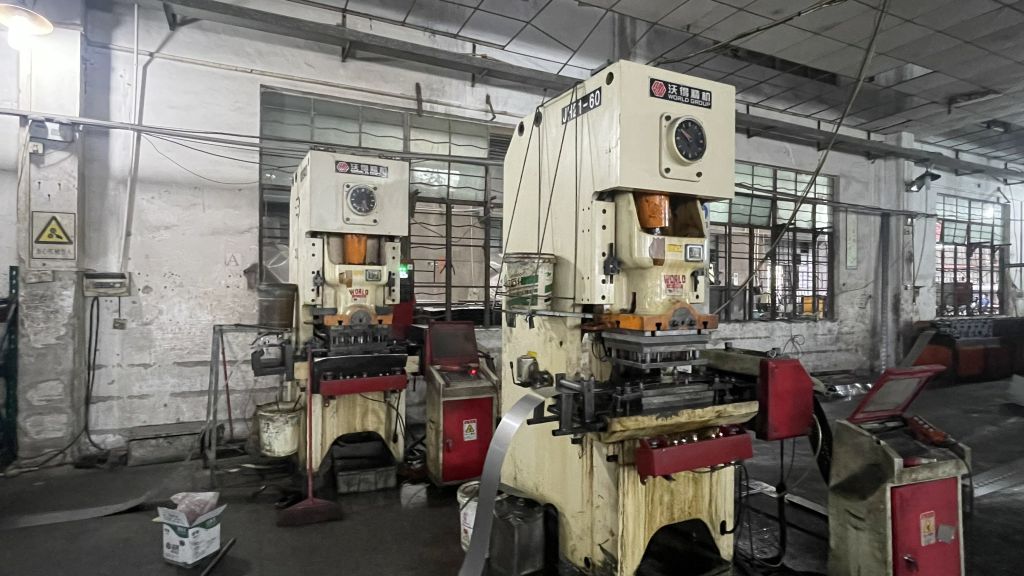
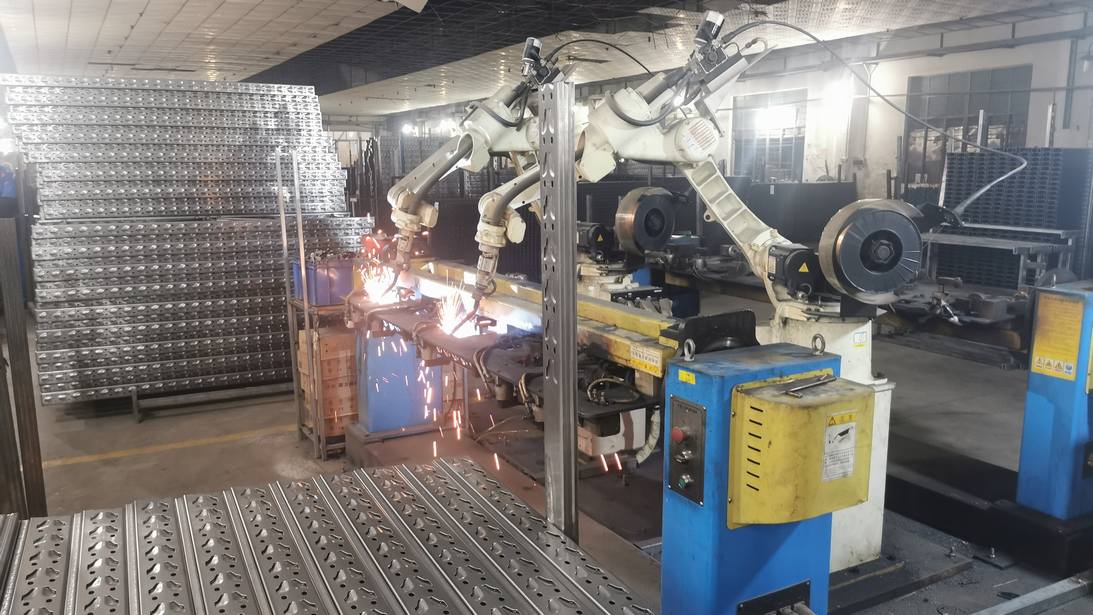
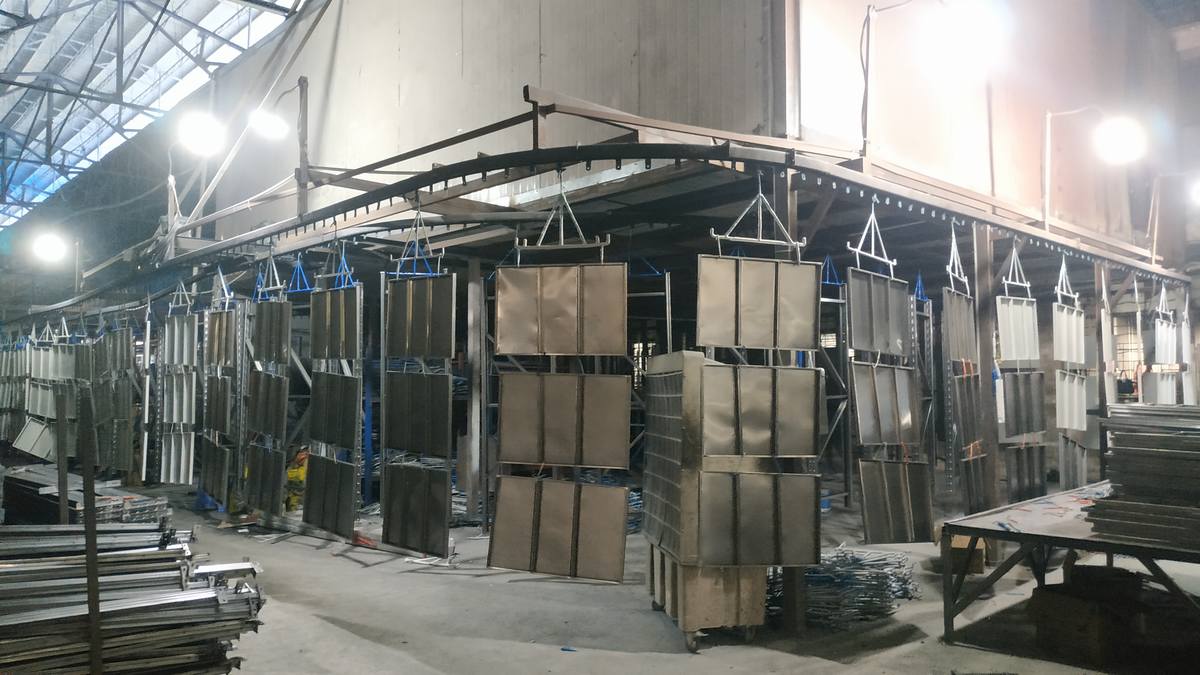
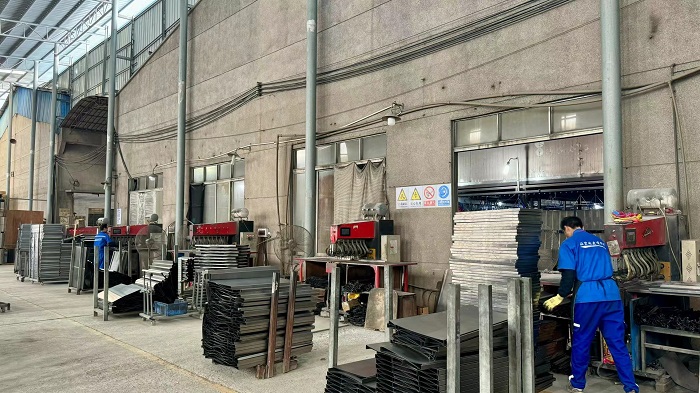
The manufacturing ecosystem in China allows for complete vertical integration. Our 38,000 m² factory combines advanced high-precision stamping molding, automated multi-angle welding systems, high-speed CNC punching lines, and automated multi-stage powder coating lines under one roof. The direct proximity to domestic raw material components and state-of-the-art logistics ports in Shenzhen allows us to bypass intermediate trading margins, reducing delivery times by up to 25% compared to Western competitors. Furthermore, with an integrated network of over 850 supply chain partners, we can source specialized structural sub-components—such as heavy-duty anti-slip steel decking, high-tensile fasteners, and safety netting systems—faster and more cost-effectively than any other region in the world.
Take a virtual look inside our 38,000 m² modern production facility and observe our integrated structural manufacturing steps.
One of the most common pitfalls of importing structural steel is failing to comply with regional building regulations. A platform that does not meet local code requirements cannot receive certification, leading to costly modifications or total decommissioning. At Shenzhen Kimsuk, compliance is integrated into our initial engineering phases. We design and manufacture according to rigorous global guidelines, including the Rack Manufacturers Institute (RMI) standards for North America, EN 15512 and EN 1993 (Eurocode 3) for Europe, and AS 4084 for Australia.
To guarantee a smooth project cycle, we provide local technical engineering support. Our structural designs can be supplied with complete Finite Element Analysis (FEA) calculations and certified engineering drawings. This enables your local Professional Engineers (PE) to review and stamp the designs quickly. Additionally, we coordinate with local installation specialists worldwide, ensuring that the physical erection of our steel platforms matches the precise design specs, down to localized anchor bolt torque limits and structural column alignment. Our modular, bolt-together designs minimize on-site cutting and welding, reducing safety risks and cutting construction times in half.
The warehousing landscape is shifting toward full automated integration. Modern steel platforms must evolve to support autonomous mobile robots (AMRs), automated storage and retrieval systems (ASRS), and multi-tier picking towers. This evolution demands higher flat-floor tolerances, reduced deflection limits, and advanced vibrational dampening. At Kimsuk, we employ Finite Element Method (FEM) analysis to design platforms that withstand the dynamic loads generated by continuous robot traffic, avoiding structural resonant frequencies that can impact automated sensors.
Environmental sustainability is another defining trend. Global enterprises are seeking suppliers that use eco-friendly processes. Kimsuk addresses this by employing advanced non-toxic, VOC-free electrostatic powder coating lines and prioritizing recyclable steel alloys. Our structural elements are designed with modularity in mind—allowing platforms to be disassembled, moved, and reconfigured as your business grows. This modular approach extends the system's operational lifespan and aligns with green circular economy principles.
Industrial steel platforms are deployed across a variety of demanding applications:
Get professional answers to the most common technical questions concerning structural design, loads, international standards, and importing logistics.
Explore our secondary lineup of heavy storage systems, built for extreme loads, high stability, and seamless structural adaptability.

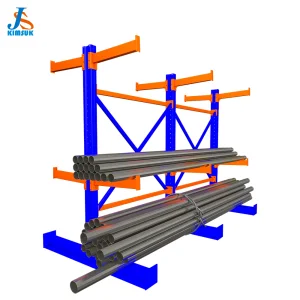
 Kimsuk Rack