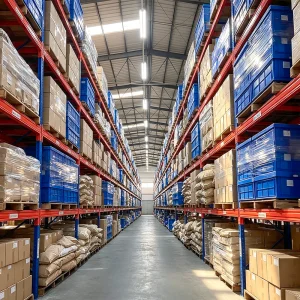
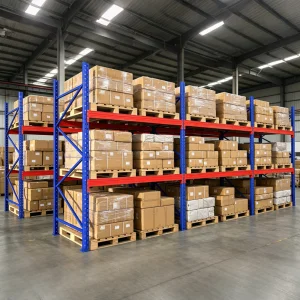
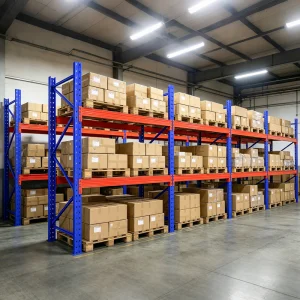
Engineered for extreme loading requirements, high spatial utilization, and long-term durability in warehouse and distribution environments.


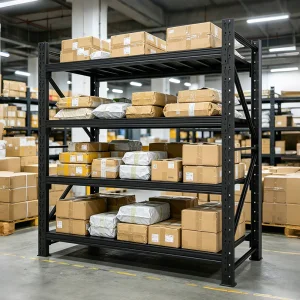
Shenzhen Kimsuk Storage Equipment Manufacturing Co., Ltd., established in 2015, is a leading industrial warehouse storage systems manufacturer headquartered in Shenzhen, China. Operating from a modern 38,000 m² production facility, we specialize in high-density pallet racking, mezzanine systems, and customized logistics storage solutions for global enterprises.
With over 11 years of deep industry expertise and 8 years of direct international trade experience, Kimsuk generates over $22 million in annual export sales. Our primary overseas markets cover North America, Western Europe, Southeast Asia, and the Middle East, serving heavy-duty distributors, logistics hubs, e-commerce fulfillment centers, and industrial manufacturing plants.
Architectural Rigor: We optimize vertical storage space by up to 65% through custom structural layouts, combining FEA (Finite Element Analysis) with premium-grade steel parameters (Q235B and Q355).
Modern logistics infrastructure faces unique stressors: skyrocketing land acquisition values, the expansion of SKU complexity, and the rapid shift towards multi-channel distribution. Global commercial supply chains require more than generic metal frames; they demand structural shelving architectures engineered to withstand high static load variations, dynamic seismic forces, and frequent material handling device impacts.
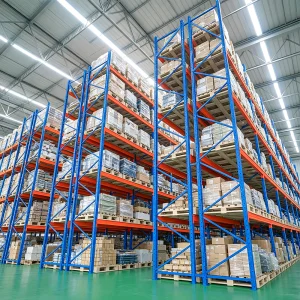
Maximizing cubic space (floor-to-ceiling) is critical to delaying capital-intensive facility relocations. High-density structures, such as multi-tier rack-supported mezzanines and selective high-bay pallet racking, enable operations to expand vertically up to 24 meters safely.
Seismic activities represent high operational risks. We provide detailed seismic load calculations following localized building codes, designing custom baseplates, larger anchor bolts, and heavier upright bracing patterns to ensure failure-proof integrity.
Autonomous warehousing relies on dimensional accuracy. Our precision roll-forming manufacturing holds tolerances within ±0.5mm, ensuring seamless interface with Automated Storage and Retrieval Systems (ASRS) and AGV forks.
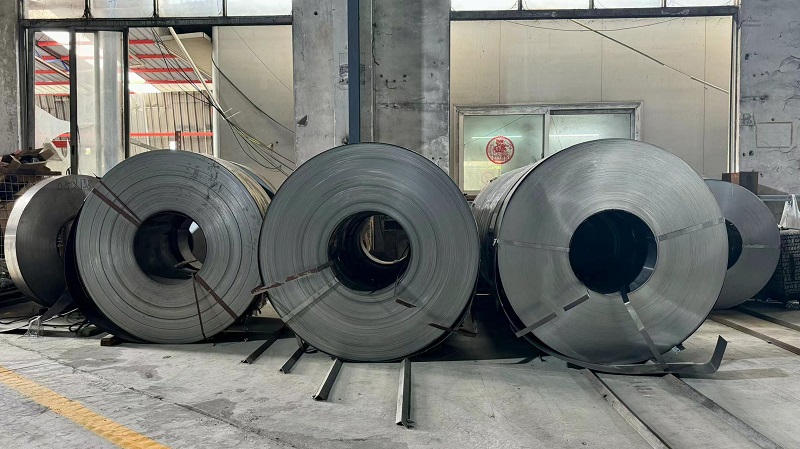
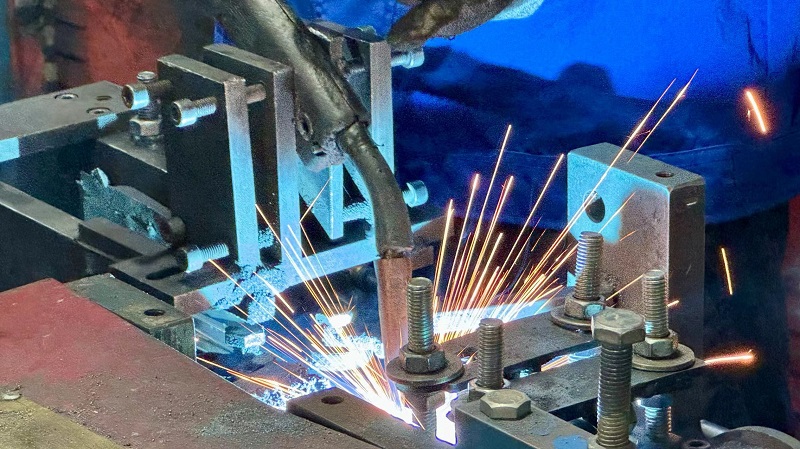
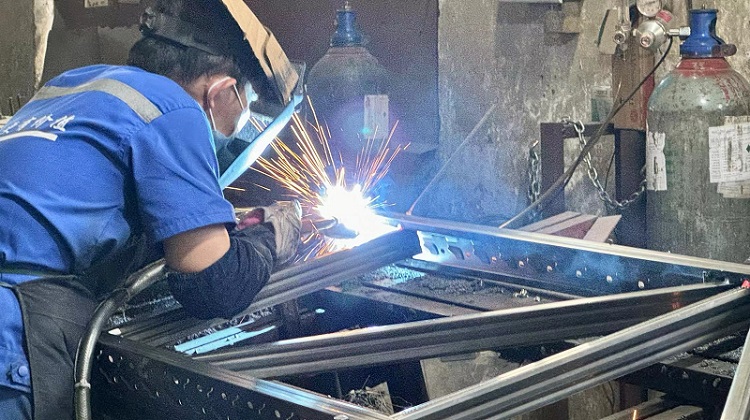
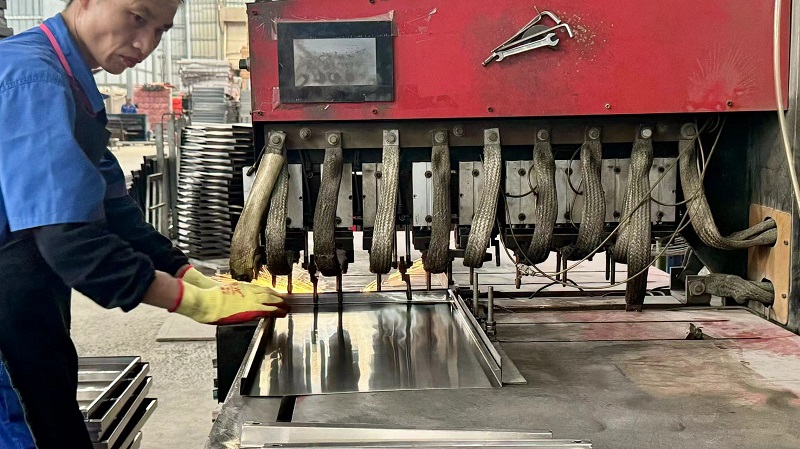
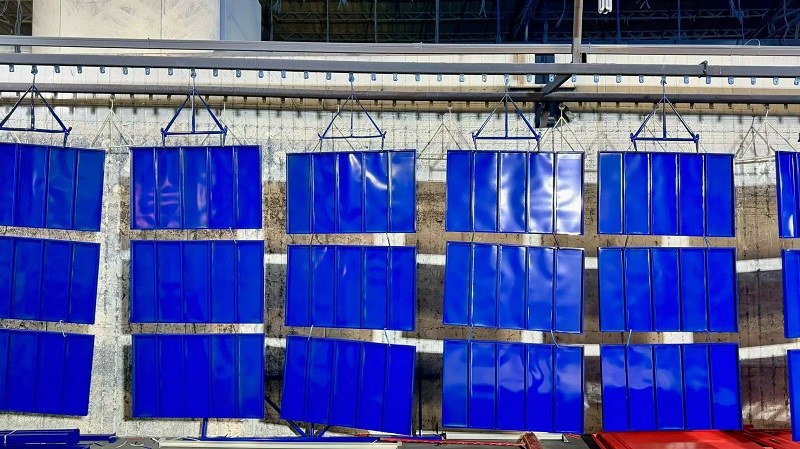
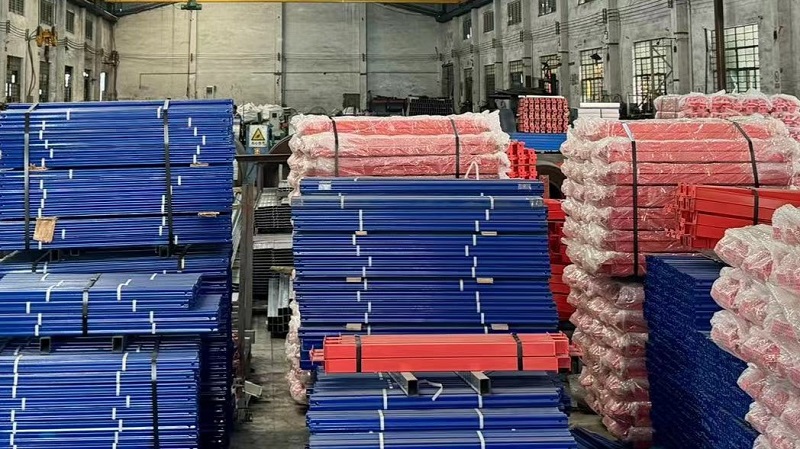
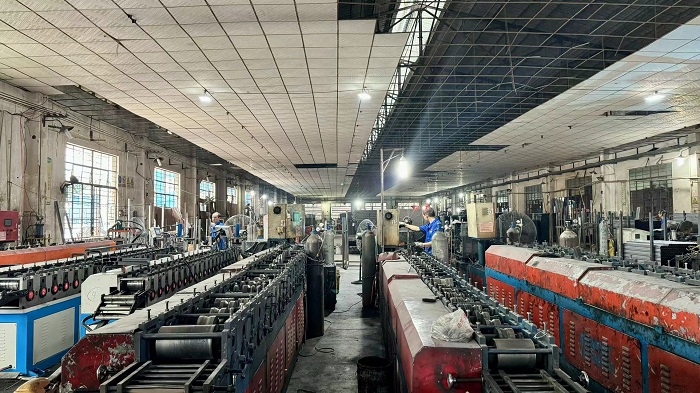
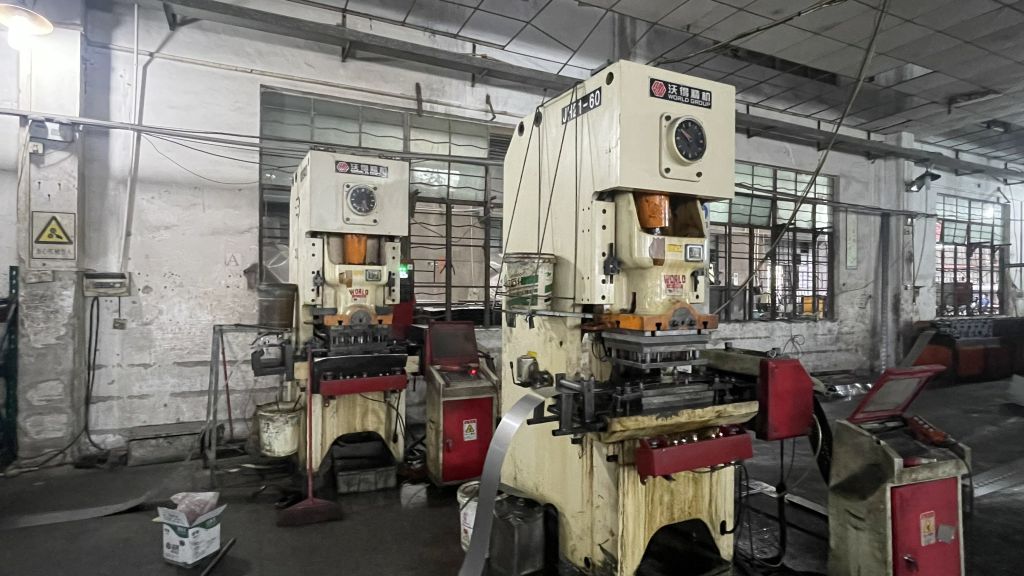
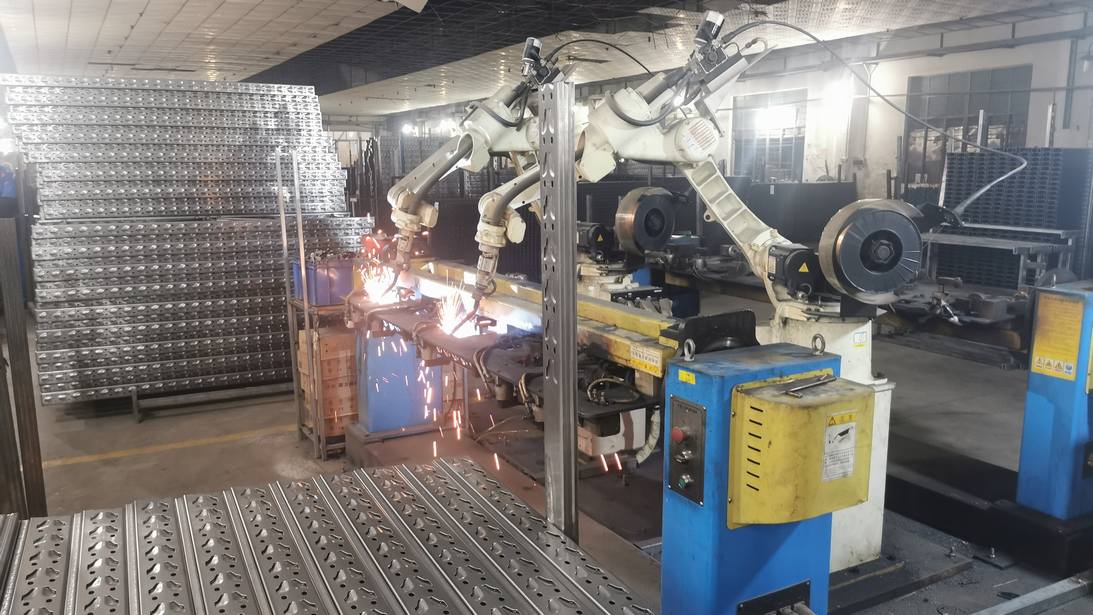
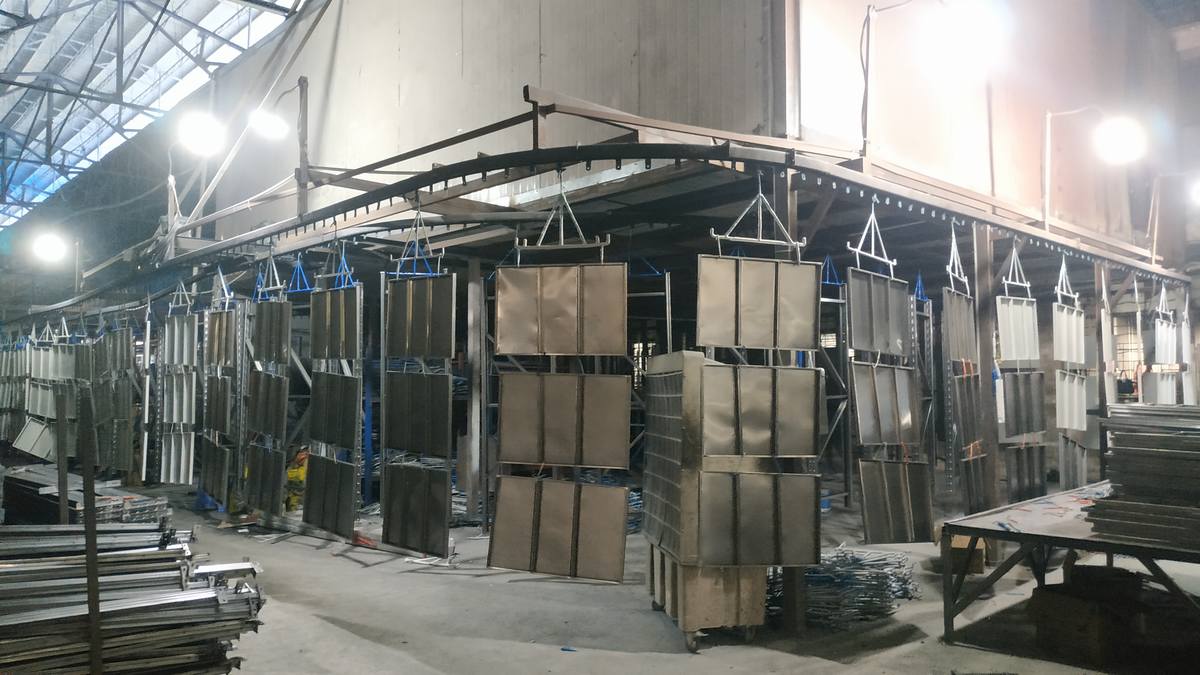
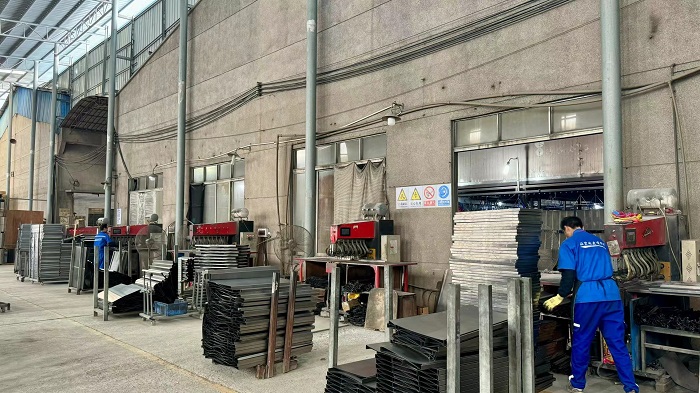
Quality and safety are at the core of our manufacturing philosophy. Backed by 35 dedicated full-time QC specialists, Kimsuk executes rigorous quality control protocols across all production phases—including spectral raw material testing, ultrasonic weld inspection, dynamic load capacity testing, and automated powder-coating durability checks. Below are the actual production stages and heavy machinery deployed in our Shenzhen facility:
Shelving and racking architectures must adapt to varying micro-environments, climate zones, and distribution methodologies. Our systems are custom-engineered for specific localized operational scenarios:
Operates at down to -40°C. Heavy cold-rolled profile sections are manufactured with Q355 structural steel with low-temperature impact test ratings, preventing low-temperature embrittlement and stress cracking.
High throughput speed calls for multi-tier mezzanine layouts. High levels of access integration and boltless connection layouts allow for dynamic repositioning as inventory structures shift.
Long profile and heavy structural raw material storage requires heavy-duty cantilever systems. Column cross-sections and heavy load arms are calculated to prevent structural deflection.
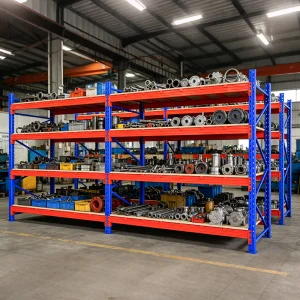
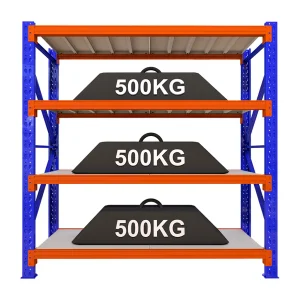
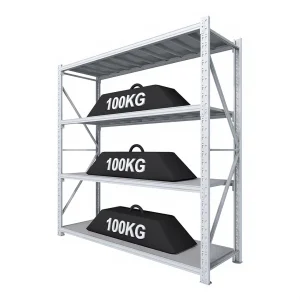
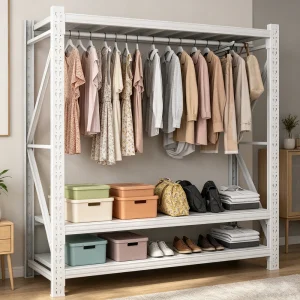
Durable workshop storage and industrial tool shelves require 100-500kg capacity modular frames. We provide high powder-coating scratch resistance for heavy contact with metal parts.
When procuring industrial shelving, safety compliance is paramount. Local fire inspectors, OSHA compliance officers, and building departments demand verified performance ratings. Kimsuk guarantees full alignment with critical international safety codes:
All structural cold-formed profiles, weld strengths, and post-yield performance metrics follow the Rack Manufacturers Institute (RMI) standards, providing dependable design parameters for the North American market.
European projects comply with EN 15512 (Steel static storage systems - Adjustable pallet racking). High-bay configurations are calculated under FEM 10.2.02 guidelines for safety tolerances and load factoring.
Every batch of raw material has chemical mill certificates (MTR). Surface treatments offer standard C3 to C5-I anti-corrosion classifications according to ISO 12944, suitable for chemical factories and marine ports.
As global logistics systems transition toward high automation, industrial racking systems must evolve. Standard stationary shelving units are being upgraded to dynamic, interactive storage platforms. Kimsuk's technological development plan is focused on three areas:
Optimizing cold-rolled profiles with multi-directional bending geometries. Increasing bending radii increases torsional rigidity by up to 22%, allowing for higher structural load limits with reduced overall steel weight.
Developing next-generation nanostructured powder coating finishes with reduced CoF (Coefficient of Friction) ratings. These finishes minimize surface friction during product retrieval while maintaining high corrosion resistance.
Developing integrated optical reflection targets and vibration sensors to allow active load deflection and impact monitoring via modern warehouse management platforms.
Detailed architectural and logistics integration insights for facility managers, structural engineers, and logistics procurement directors.
Our engineering group selects steel based on specific loading and frame heights. Q235B (with yield strength ≥ 235 MPa) is the industry standard for standard shelving and light-duty mezzanines. For high-bay pallet racking systems (typically exceeding 8 meters in height) or load levels exceeding 2,000 kg per beam level, we utilize Q355 steel (yield strength ≥ 355 MPa) to optimize structural safety margins without excessively increasing dead weight.
Seismic structural calculations require local geographic peak ground acceleration (PGA) variables, soil classification data, and building classification parameters. We run structural modeling programs to evaluate racking dynamics during seismic events, determining required frame bracing patterns, heavy-duty base plate dimensions, and expansion anchor lengths to ensure seismic code compliance.
We perform finite element analysis (FEA) during the design phase to simulate stress distribution. In production, we run physical destruct tests, beam deflection tests (complying with standard deflection limits of L/200), and weld quality checks. Upright and beam configurations are stamped with maximum capacity placards to prevent operator overloading.
For standard dry indoor sites, we utilize electrostatic thermo-hardened epoxy-polyester powder coating. For cold storage and high humidity environments, we recommend either hot-dip galvanized (HDG) finishes conforming to ISO 1461 or multi-layer powder coating over zinc-rich primers, preventing subsurface corrosion underneath the paint layer.
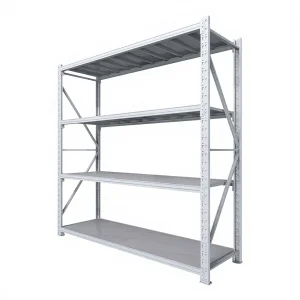
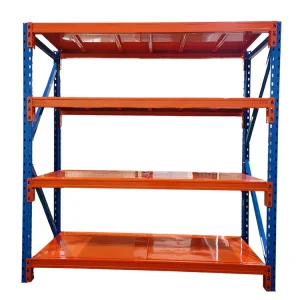
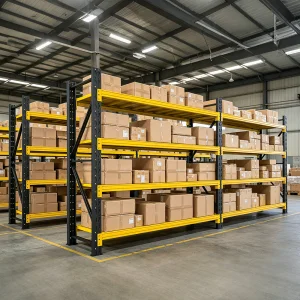
Heavy-duty industrial storage racks designed for selective palletization, cold-chain environments, and light-to-medium workshop shelving.
 Kimsuk Rack