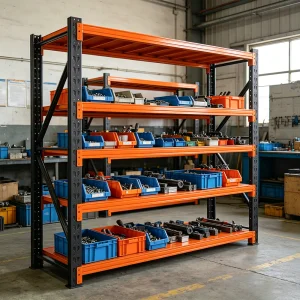
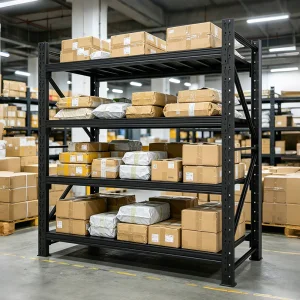
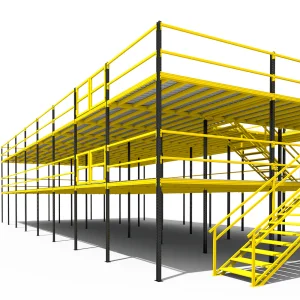
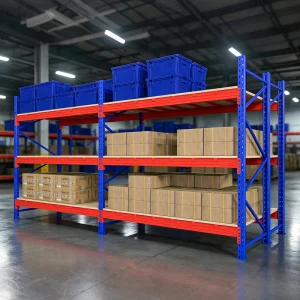
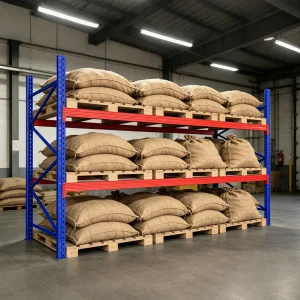
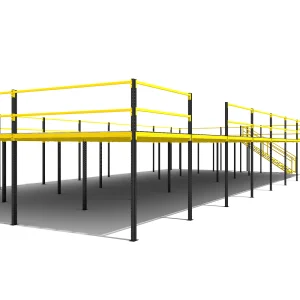
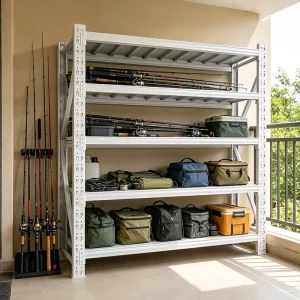
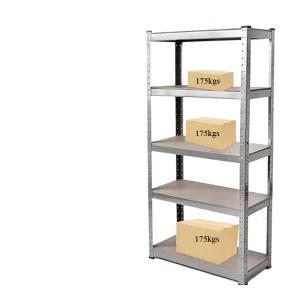
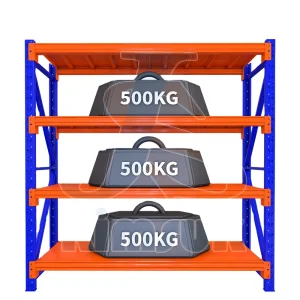
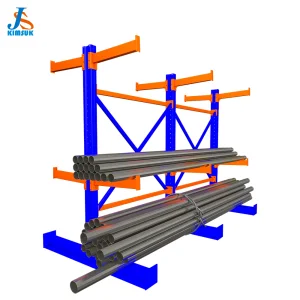
Engineered to support capacities from 100kg up to 5 tons, optimizing space for warehousing and distribution centers.
Shenzhen Kimsuk Storage Equipment Manufacturing Co., Ltd., established in 2015, is a recognized global authority in industrial warehouse storage systems. Operating from our advanced 38,000 m² manufacturing plant, we engineered structural safety and spatial optimization into every weld, cold-formed section, and powder-coated surface. Leveraging 11 years of deep sector engineering experience, alongside 8 years of direct international trade operation, we generate over $22 million in annual export sales, providing dynamic racking systems that serve as the backbones for Fortune 500 logistics hubs, e-commerce giants, and advanced manufacturing operations across North America, Western Europe, Southeast Asia, and the Middle East.
Our capabilities stretch beyond simple catalog distribution. Powered by a specialized in-house R&D team consisting of 18 senior structural engineers, we introduced 45 new optimized racking designs last year alone, tackling complex engineering challenges like seismic loads, ultra-high-density storage optimization, and automated shuttle integration. From 100kg light-duty storage to heavy-duty platforms holding in excess of 5 tons per bay, Kimsuk ensures structural integrity that meets and exceeds international standards.
Modern industrial platforms and mezzanine racks are not mere assemblies of steel beams; they are precision-engineered load-bearing structures governed by strict physical limits. A platform rack relies heavily on the moment capacity of the beam-to-column connections and the structural calculation of deflection limits (commonly L/300 or L/240). By utilizing Q235B and Q355B cold-rolled steel, Kimsuk's platform structures boast elevated yield strengths that protect warehouses from structural collapse under dynamic forklift operations and high-density pallet loading.
Our optimization engineering utilizes advanced Finite Element Analysis (FEA) to simulate buckling modes, shear stresses, and bending moments. This scientific design phase prevents over-engineering—saving raw material weight and reducing logistics costs—while concurrently ensuring safety factors of 1.5 to 2.0. Whether implementing selective pallet racks or heavy-duty structural steel mezzanines, understanding load distribution pathways is what separates a tier-one supplier from standard metal workshops.
Analyzing how Shenzhen's technological ecosystem and raw material networks provide unprecedented cost efficiency and delivery speed.
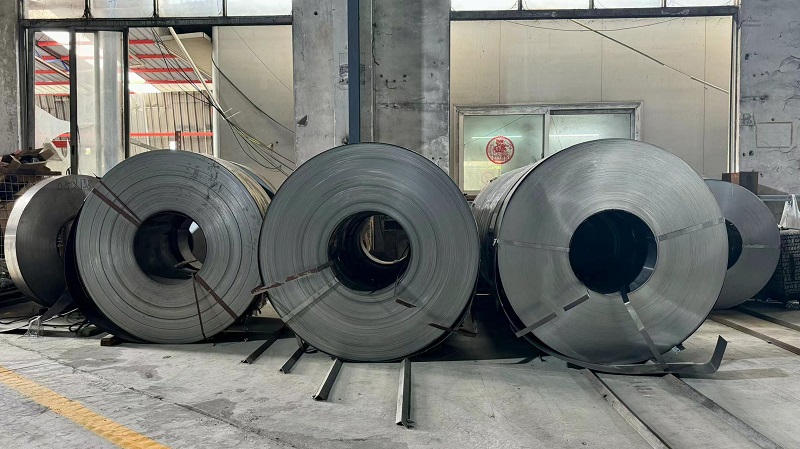
Our raw material strategy leverages close relationships with China's premium state-owned steel mills, ensuring consistent metallurgical consistency. Supported by over 850 downstream and upstream supply chain partners, we secure bulk-buy raw materials with guaranteed traceability certifications, shielding our clients from sudden raw steel market fluctuations.
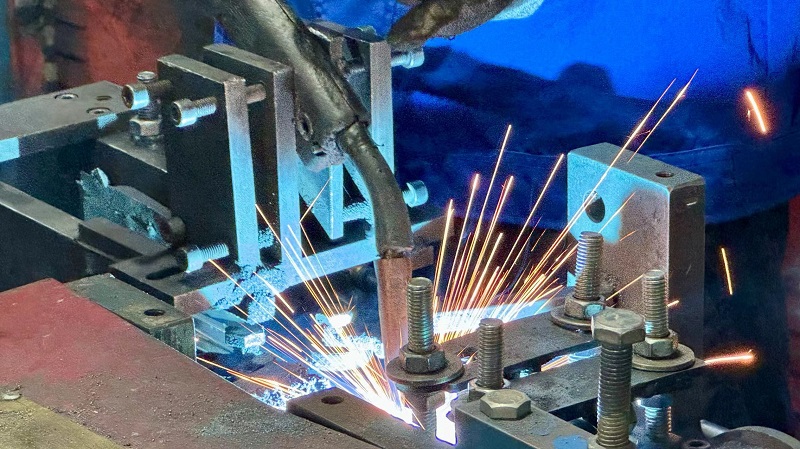
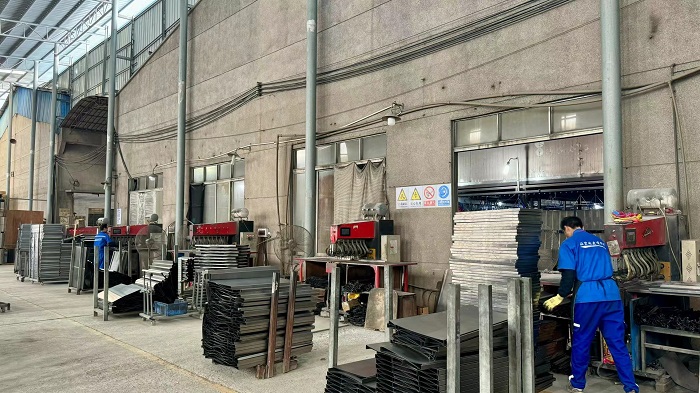
Our 38,000 m² factory operates custom roll-forming lines, automated laser cutters, and high-precision welding robots. This minimizes human assembly error and ensures that upright columns and box beams align perfectly during field installation. Standardizing processes also slashes production cycles, allowing rapid turnaround for high-volume international projects.
Situated in Shenzhen, China, Kimsuk is strategically positioned next to major global shipping terminals, including Yantian and Shekou ports. This proximity reduces overland transit costs, mitigates double-handling container risks, and guarantees that our platforms and accessories transition seamlessly from manufacturing floors to overseas ocean cargo vessels.
Operating across international borders demands complete alignment with municipal building codes and occupational health structures. For North American enterprises, we comply strictly with the Rack Manufacturers Institute (RMI) MH16.1 specifications. Across Europe, our designs align with the FEM 10.2.02 (European Federation of Materials Handling) and EN 15512 standards, guaranteeing structural calculations withstand rigorous local audits. For Australia and Oceania, our systems adhere to AS 4084-2012 requirements.
Furthermore, seismic design is a core element of our custom OEM/ODM process. We design specific baseplate thicknesses, anchor arrays, and heavy-duty frame bracing patterns tailored to local Seismic Design Categories (SDC) from A through F. By partnering with local structural engineers, Kimsuk supplies fully certifiable systems, smoothing the zoning and installation permit acquisition processes for our overseas partners.
Acquiring industrial platform racks involves an intense workflow of requirements mining. At Kimsuk, we optimize this journey through a highly structured lifecycle:
Take a visual tour inside our 38,000 m² state-of-the-art facility, from raw steel selection to high-precision robotic welding and finishing lines.
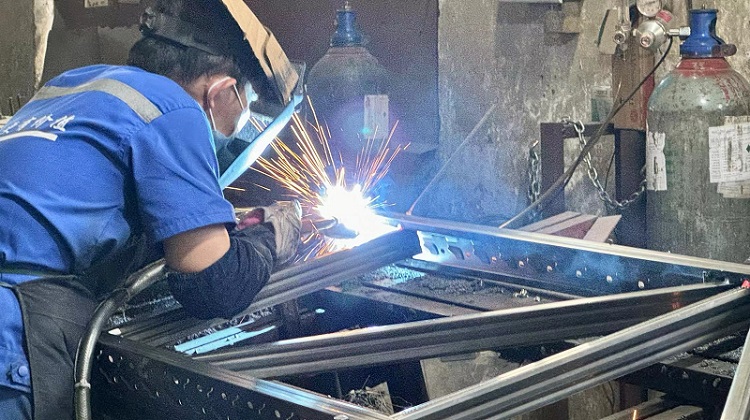
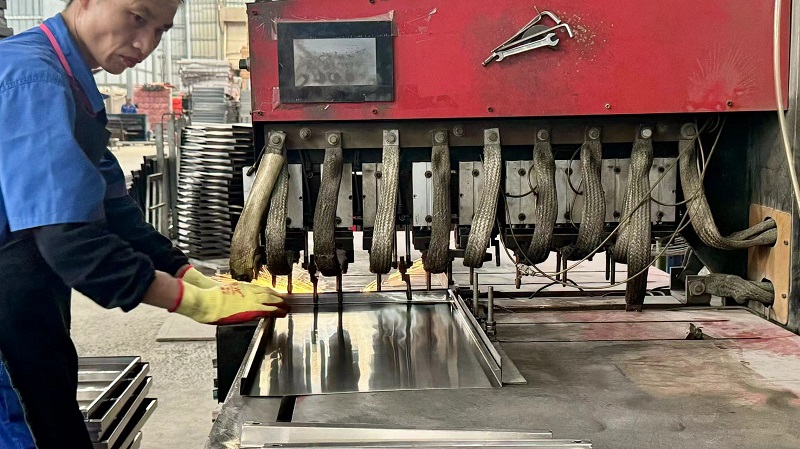
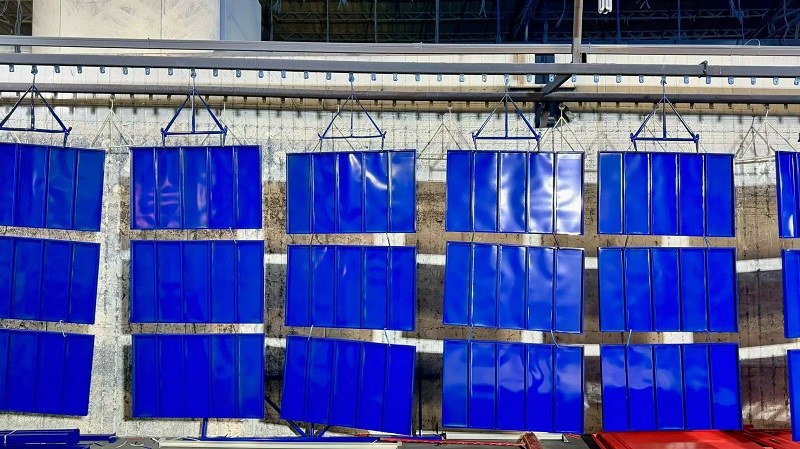
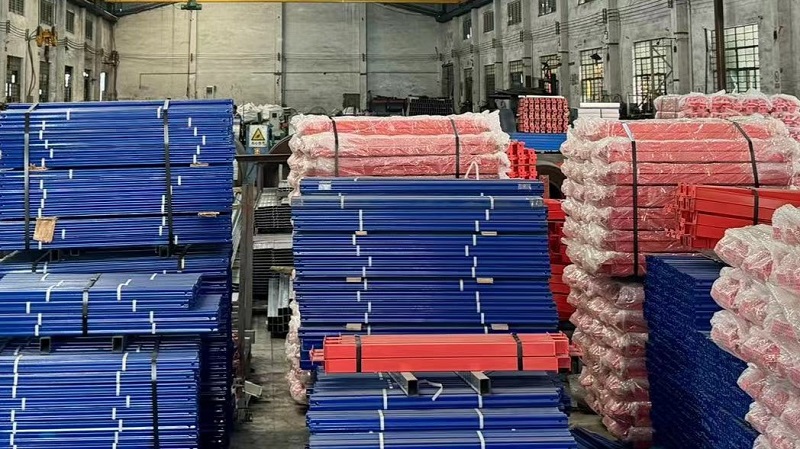
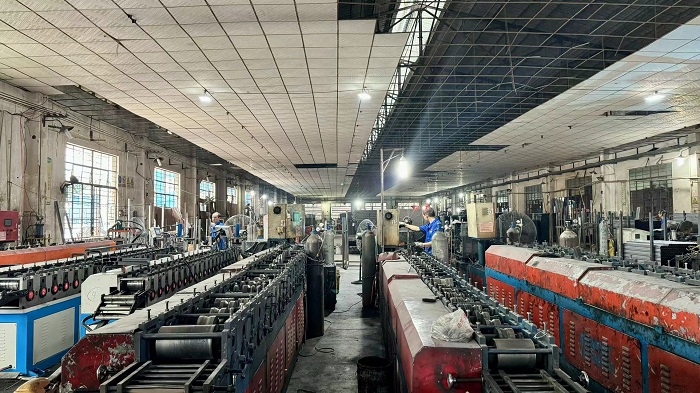
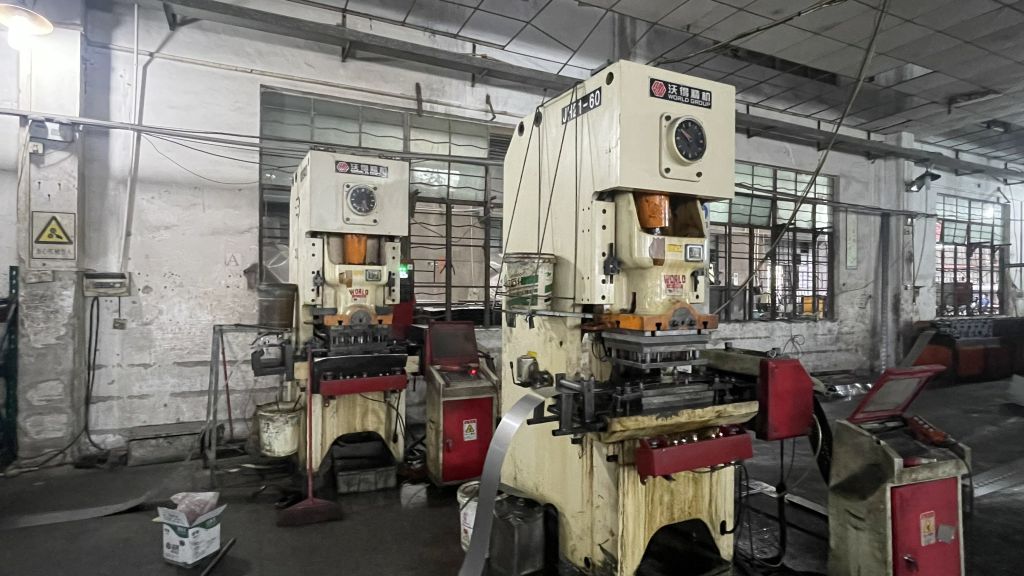
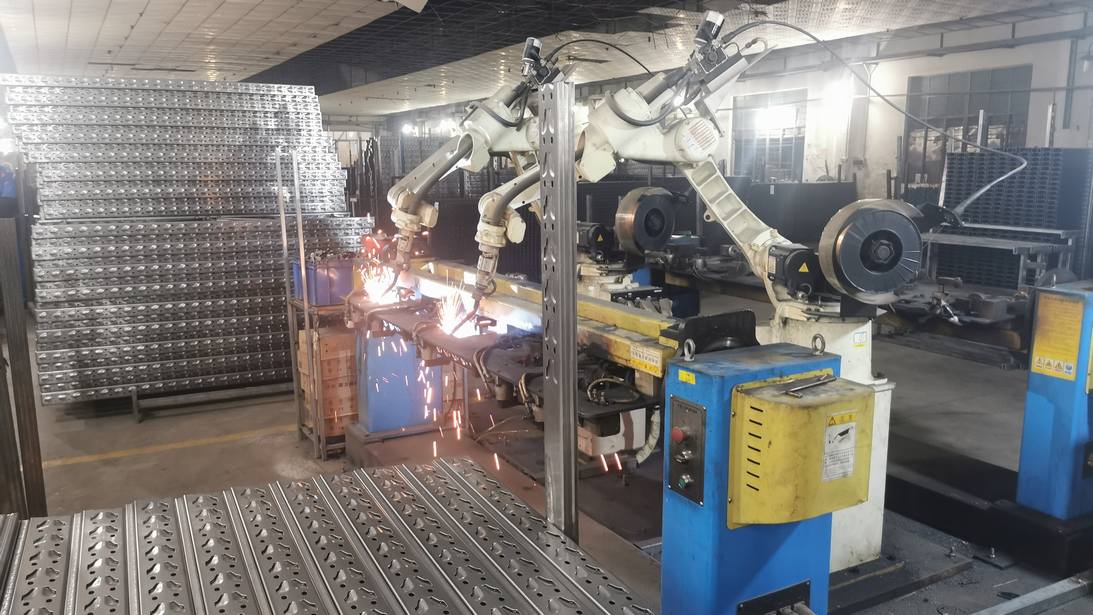
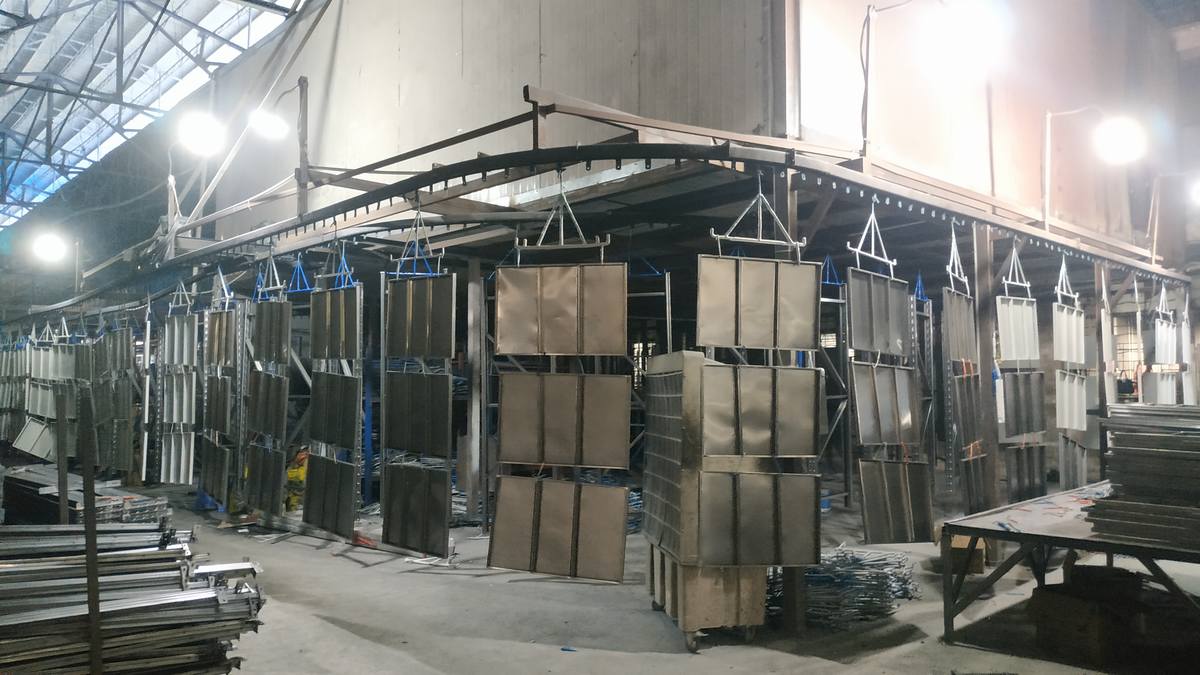
How automation, sustainability, and hybrid smart warehouses are redefining the physical footprint of global storage.
Traditional manually operated platforms are steadily shifting toward hybrid layouts designed for Autonomous Mobile Robots (AMRs) and Automated Guided Vehicles (AGVs). These structures require tighter tolerances in levelness and custom structural design to withstand the repeated paths of heavy automated machinery. Open steel grating and floor panels are engineered specifically to assist robot sensor arrays.
Global corporations now demand ecological traceability in their supply networks. Kimsuk addresses this shift by utilizing non-toxic, lead-free powder coatings applied via zero-emission recovery loops. Additionally, optimizing steel profiles through FEA reduces unnecessary carbon footprints during production and shipping, directly aligning with your company's ESG goals.
Industrial land prices continue to surge, forcing logistics managers to design higher vertically. Multi-tier platforms and racking systems extending beyond 15 meters are becoming common. This vertical shift demands advanced upright bracing geometry, precision engineering calculations, and strict quality control on cold-rolled structural steel.
Different industries require unique structural profiles. Explore how we customize configurations for optimal safety and operations.
Standard carbon steel becomes brittle when subjected to sub-zero temperatures. Kimsuk manufactures specialized high-toughness steel profiles paired with low-temperature-resistant powder coatings or hot-dip galvanized finishes. This prevents micro-cracks and material fatigue, guaranteeing structural reliability down to -40°C in food logistics and pharmaceutical preservation centers.
Fulfillment hubs rely on continuous, rapid foot traffic and multi-tier picking. Our multi-level mezzanine systems incorporate heavy-duty steel platforms, safety kick plates, protective handrails, and customized fire-sprinkler-compliant wire mesh decking. These features prioritize operator safety while keeping material flow routes streamlined.
For operations utilizing CNC machinery, heavy stamping dies, or automotive parts storage, local concentrated loads can quickly cause standard shelving to buckle. Our structural engineers design customized plate-welded beams and heavy-duty tool racking systems that easily support concentrated static loads exceeding 5 tons per shelf level.
Modern fashion retailers require high-density hanging storage paired with flat-shelf inventory storage. Our customized garment racking systems integrate dual-purpose configurations, featuring adjustable garment hanging rails alongside traditional decking to support seasonal shifts in inventory storage types.
Expert answers to the most common structural, safety, and logistical questions asked by global procurement managers.
Loading capacity calculations are based on both uniformly distributed load (UDL) and point load profiles. We utilize structural engineering software (like STAAD.Pro and Finite Element Analysis) to evaluate critical structural metrics: the bending moment of support joists, buckling factors of vertical column posts under total load accumulation, and concrete slab bearing limits. Each structural system is certified with a load plate indicating maximum capacities.
We primarily utilize certified Q235B and Q355B structural steel, conforming to international standards equivalent to ASTM A36 and ASTM A572. To combat corrosion, our steel undergoes multi-stage chemical pre-treatment (including acid pickling and phosphating) followed by an electrostatic thermo-hardened epoxy powder coating. For aggressive outdoor, chemical, or cold storage conditions, we offer hot-dip galvanization to standard ISO 1461.
During the initial design phase, our 18 structural engineers require the destination postal zip code to reference local seismic acceleration data (e.g., USGS or Eurocode seismic hazard maps). We adjust column profiles, enlarge and thicken baseplates, and add specialized cross-bracing systems to ensure the installation remains stable during seismic events, compliant with RMI or EN standards.
For standard configurations, our manufacturing lead time at the Shenzhen factory is 20 to 25 days from drawing sign-off and deposit receipt. Highly customized systems requiring special structural profiles or unique colors may require 30 to 35 days. Standard ocean transit from Yantian Port takes 15 to 20 days to Western Europe and 18 to 28 days to the East/West coast ports of North America.
To ensure efficient installation, we provide detailed 3D assembly layouts, node connection drawings, and step-by-step video manuals. For large-scale integration projects (e.g., multi-tier mezzanines over 5,000m²), we can deploy senior technical installation supervisors on-site to guide local contracting crews, verify assembly tolerances, and ensure final safety signing.
Explore our selection of multi-level mezzanine systems, cantilever racks, and specialized material storage frameworks.
 Kimsuk Rack