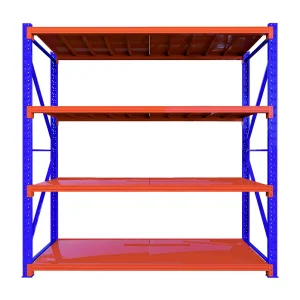
Explore our premium industrial racking structures designed to compress storage footprints and optimize bulk inventory logistics.
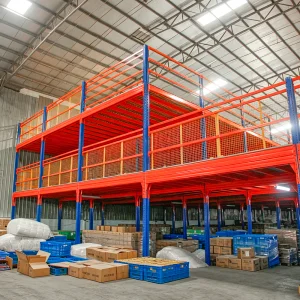
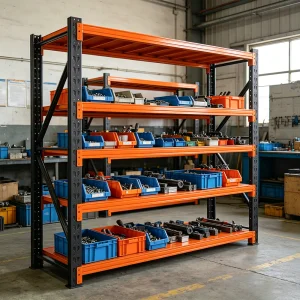
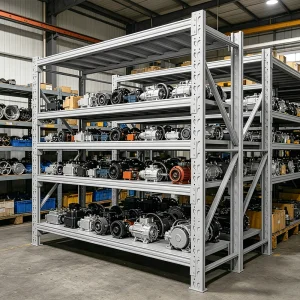

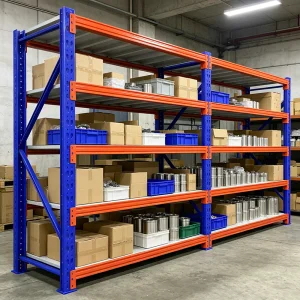
Drive-in racking represents the absolute pinnacle of static high-density pallet storage configurations. Operating on a Last-In, First-Out (LIFO) material handling logic, these systems allow forklifts to enter directly into the structural bays to deposit or retrieve pallets on continuous rails. By eliminating traditional access aisles, drive-in structures reclaim up to 75% of otherwise wasted aisle space, dramatically increasing overall cubic storage density.
However, engineering a safe and efficient drive-in configuration requires meticulous structural calculations. Unlike standard selective racking where loads are supported by horizontal beams, drive-in systems rely on cantilevered rails mounted to heavy-duty upright frames. This structure creates significant physical challenges, particularly concerning dynamic loading forces, frame torsion, and building settlement. The design must accommodate the exact dimensional tolerances of the forklifts, the physical deformation limits of the steel under full load, and dynamic impact buffers to safeguard the system against operational wear.
Global procurement teams face complex challenges when sourcing industrial racking. Standardizing specifications across multiple international hubs requires a deep understanding of local building codes, dynamic load factors, and environmental risks such as seismic activity. A procurement manager in Western Europe might require compliance with FEM 10.2.02 and EN 15512 codes, while their North American counterpart demands adherence to the Rack Manufacturers Institute (RMI) standards and AISI structural welding guidelines.
Beyond regulatory compliance, global operations must account for supply chain resilience, total cost of ownership (TCO), and installation timelines. Heavy-duty distributors and e-commerce giants need modular, scalable solutions that can adapt to changing stock keeping units (SKUs) without requiring full structural rebuilds. By partnering with a factory that can customize frame heights, row depths, and beam profiles, enterprises can optimize shipping volume, lower import duty rates, and accelerate site commissioning timelines.
Understanding these cross-border complexities allows modern suppliers to deliver pre-engineered, kit-format racking systems that assemble efficiently on-site while maintaining absolute compliance with local structural design requirements.
An Industrial Powerhouse in Global Warehousing Infrastructure & Smart High-Density Rack Fabrication
Established in 2015, Shenzhen Kimsuk Storage Equipment Manufacturing Co., Ltd. has grown from a specialized regional factory into a global market leader in industrial warehouse storage systems. Operating from our advanced 38,000 m² state-of-the-art production facility in Shenzhen, China, we specialize in high-density pallet racking, multi-level mezzanine systems, and heavily customized logistics storage solutions tailored for Fortune 500 enterprises and international distributors.
With over 11 years of deep industry expertise and 8 years of direct international trade experience, Kimsuk generates over $22 million in annual export sales. Our footprint covers North America, Western Europe, Southeast Asia, and the Middle East, serving heavy-duty distributors, 3PL logistics hubs, high-capacity cold storage facilities, and advanced industrial manufacturing plants worldwide.
Production Facility
Annual Export Sales
QC Specialists
Structural R&D Engineers
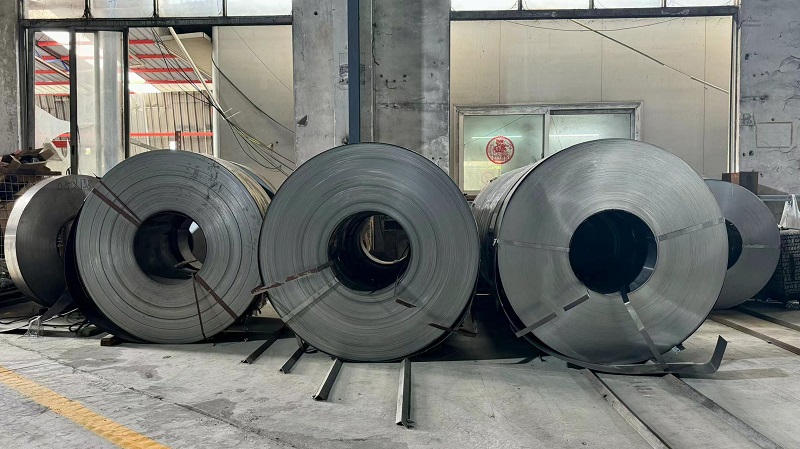
Shenzhen, as a global technology and manufacturing epicenter, offers unparalleled advantages for sourcing heavy industrial equipment. At Shenzhen Kimsuk, we leverage these regional benefits to deliver exceptional structural quality at optimized cost points. Our factory is supported by an integrated network of over 850 reliable supply chain partners, ensuring uninterrupted access to premium grade Q235B and Q355B structural steel, high-tensile fasteners, and top-tier finishing materials.
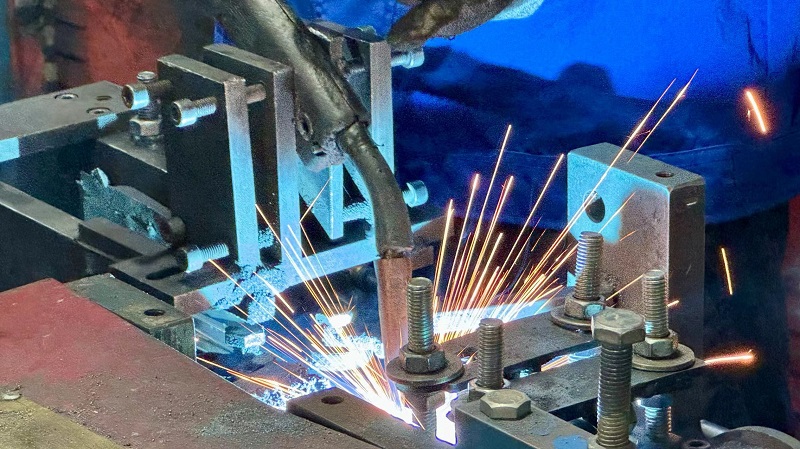
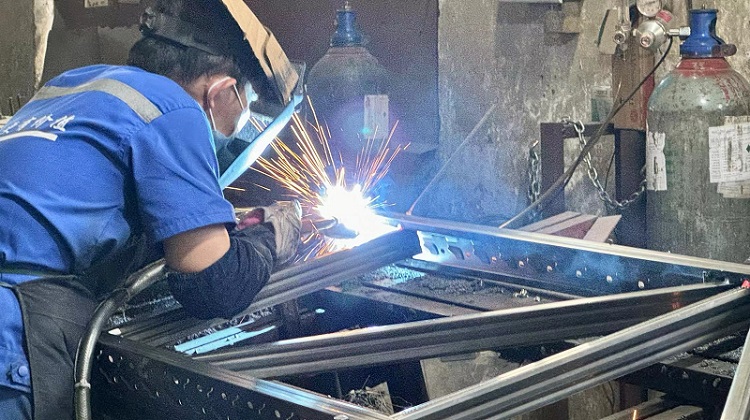
By integrating raw material sourcing, automated cold-forming, robotic welding, and inline electrostatic powder coating within a single geographic hub, we eliminate logistical overheads. This streamlined supply chain allows us to maintain stable, competitive lead times even during volatile global market conditions. The high concentration of metallurgy research centers and advanced logistics infrastructure in Shenzhen further allows us to implement rapid prototyping, design validation, and efficient container packing schemes to reduce ocean freight costs for our buyers.
Quality and safety are the core pillars of Kimsuk's manufacturing philosophy. Our QA/QC department is staffed by 35 dedicated, certified specialists who execute strict quality control protocols across all production phases. From raw material spectral analysis to check chemical compositions, to ultrasonic testing of heavy weld joints, dynamic load deflection tests, and automated coating salt spray durability checks, we guarantee structural integrity from raw steel to the finished rack.
Innovation is driven by our in-house R&D team of 18 experienced structural engineers. Recognizing that standard solutions rarely fit complex warehouse architectures, Kimsuk offers robust OEM/ODM customization options. Last year alone, we successfully developed and deployed 45 optimized racking designs. We customize load capacities, design complex column profiles to resist forklift impact, calculate custom seismic-resistant structures for earthquake-prone zones, and apply specialized anti-corrosion hot-dip galvanized surface treatments for cold-chain facilities.
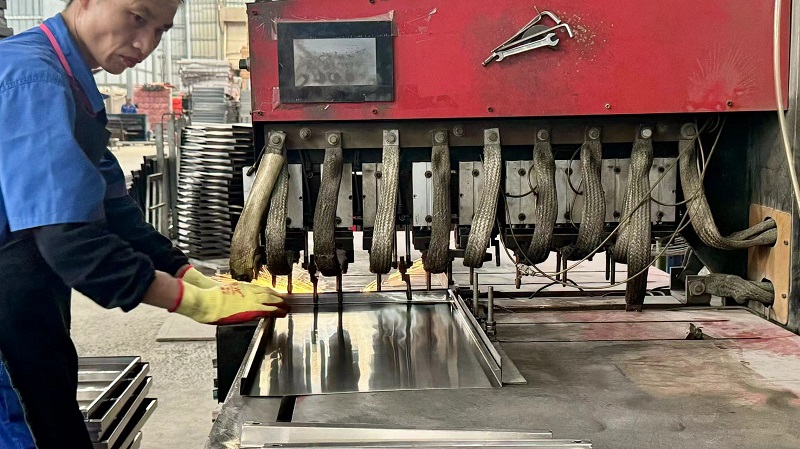
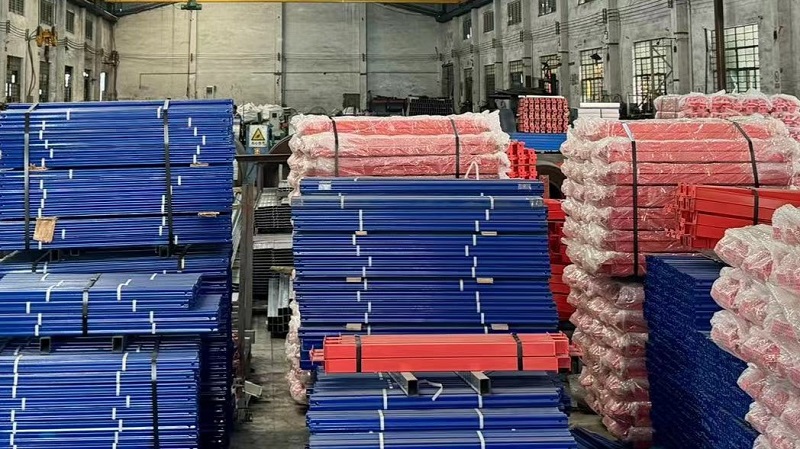
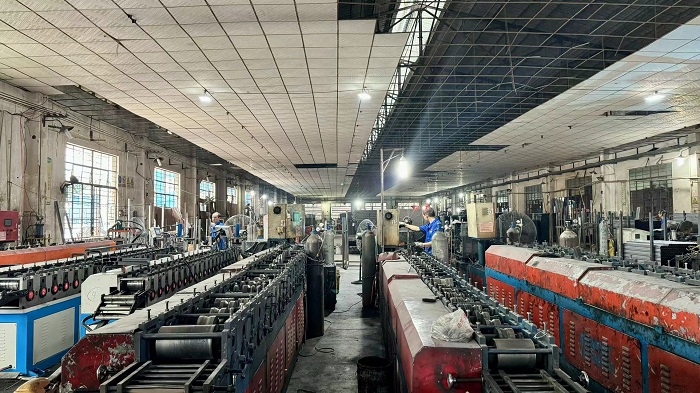
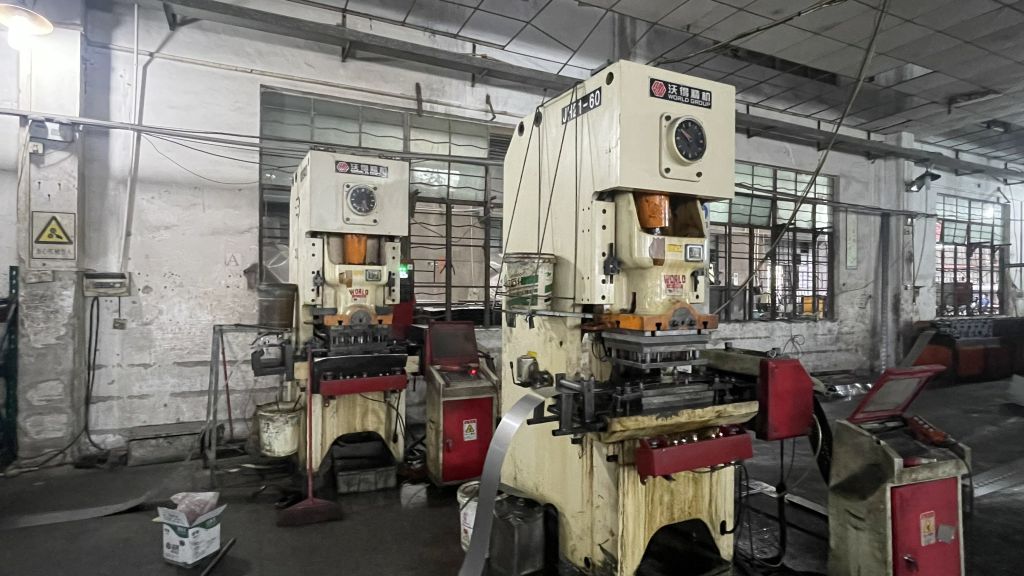
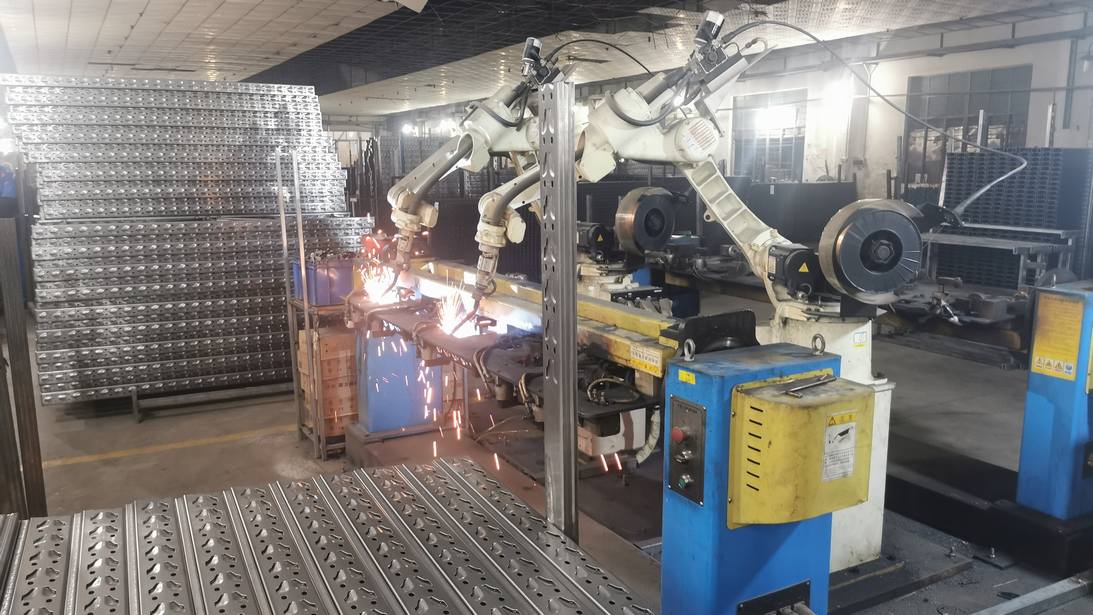
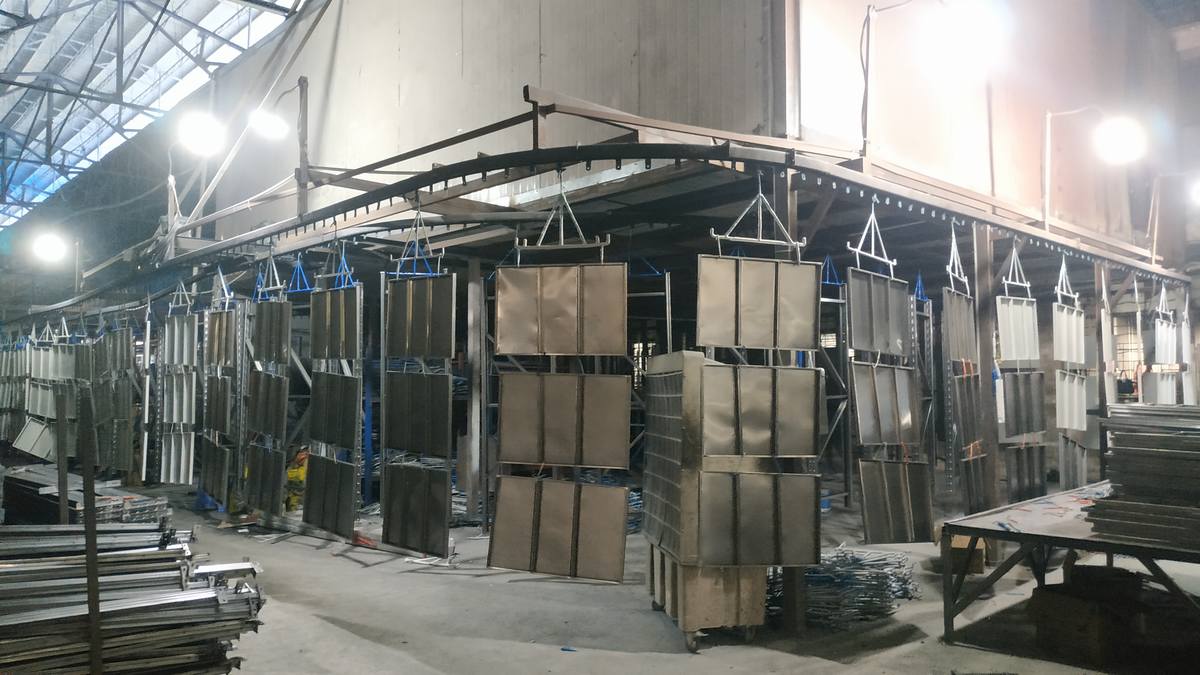
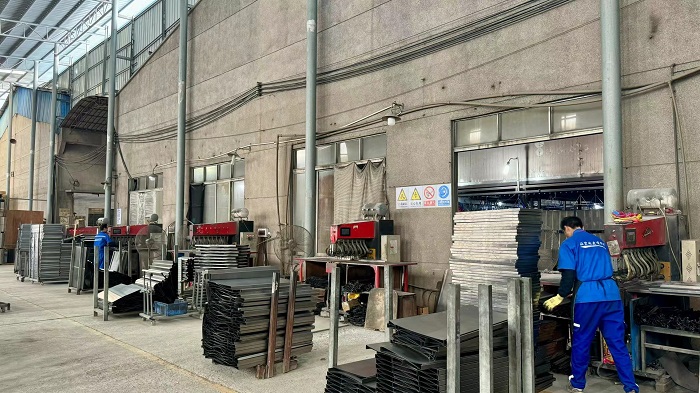
Inside our 38,000 m² factory: High-precision machines and state-of-the-art processing systems driving zero-defect production.

Global shipping is only the first step. True E-E-A-T values in warehousing infrastructures demand localized support and regulatory peace of mind. High-density structures, by storing thousands of tons of cargo overhead, represent a potential liability if they are not engineered, installed, and certified in alignment with local municipal safety and seismic guidelines.
To address this, Shenzhen Kimsuk partners with a global network of certified localized structural engineering consultants. These localized teams manage site surveying, dynamic floor-slab load analysis, local permitting procedures, and final engineering certifications (such as PE stamps in the USA). We provide comprehensive installation manuals, detailed 3D CAD layout mockups, and step-by-step remote support. In key markets, we coordinate with local licensed racking installation crews to execute the assembly of upright frames, pallet rails, entry guides, and safety backstops in strict compliance with safety codes.
Every racking system we design undergoes structural finite element analysis (FEA) to simulate wind, snow, seismic, and forklift impact loads. This ensures our clients receive not just steel shelves, but fully compliant safety solutions engineered to safeguard human lives and valuable assets.
The warehousing industry is undergoing a structural transition toward automation, driven by rising labor costs and the demand for faster order fulfillment. Standard drive-in racking is increasingly evolving into high-density "Pallet Shuttle" systems (often referred to as Radio Shuttle Racking). Instead of forklifts physically driving inside the deep structural channels, an automated, low-profile shuttle car travels on the rails to retrieve and deposit pallets.
This technological upgrade offers significant benefits:
• It dramatically increases forklift operator safety by keeping machinery in the main aisle.
• It reduces mechanical wear and forklift impact damage to the vertical upright columns.
• It transitions the logic from strict LIFO to FIFO capabilities, permitting greater inventory flexibility.
Shenzhen Kimsuk is at the forefront of this evolution. Our engineering designs are dual-compatible. A client can install our heavy-duty drive-in racking today as a cost-effective manual system, and seamlessly convert it into an automated Pallet Shuttle system in the future without replacing the primary vertical frames and structural foundation.
Expert insights into structural specifications, design criteria, and global procurement procedures for industrial drive-in racks.
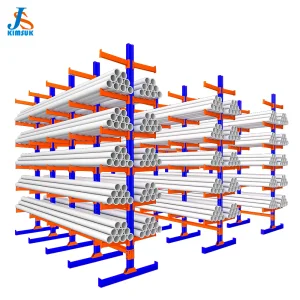
Explore our heavy-duty industrial shelving, cantilever configurations, and specialized storage platforms engineered for bulk inventory.
 Kimsuk Rack