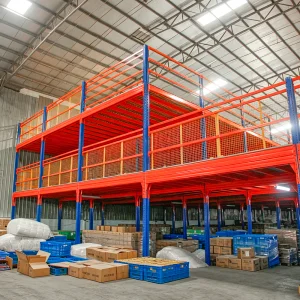
Maximize your storage safety and density with our premium engineered high-capacity industrial shelving systems.
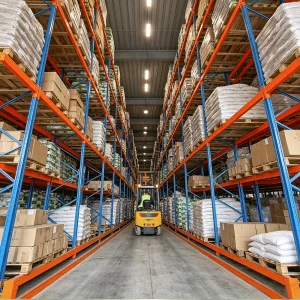
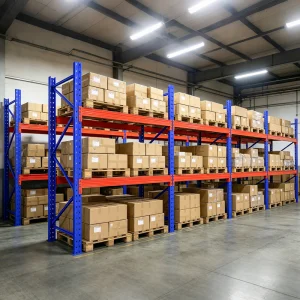

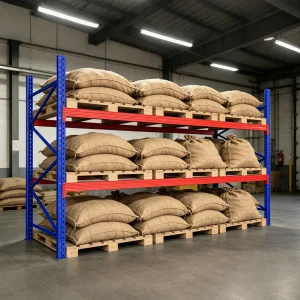
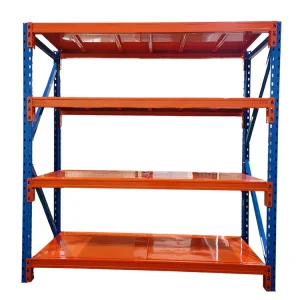

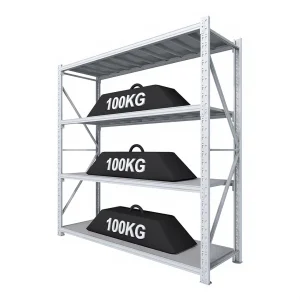
Industrial warehouse operations are undergoing a rapid transition toward high-density utilization and automated systems. Traditional horizontal floor storage methods for oversized, heavy, and irregularly shaped loads (such as metal structural profiles, wooden sheets, extruded plastics, and steel coils) are no longer commercially viable due to spatial inefficiency and potential safety risks. In response, modern engineering design relies heavily on heavy-duty cantilever storage racks.
Recent advancements in industrial structural mechanics have allowed for optimization in steel structures. With high-strength steel grades like Q355B becoming standard, manufacturers can achieve significantly higher load capacities with slimmer vertical profiles. This shift not only reduces steel weight by up to 15% but also increases storage safety factors.
The integration of automated guided vehicles (AGVs) and stacker cranes into cantilever structures has revolutionized raw materials storage. Today's cantilever configurations include precision guiding tracks, structural damping mechanisms, and smart alignment sensors to facilitate high-speed retrieval of long loads without human intervention.
Procurement teams within global logistics hubs, heavy equipment manufacturing, and steel fabrication centers require robust compliance frameworks. When sourcing cantilever equipment, major international entities prioritize:
With global freight costs fluctuating and warehousing real estate costs increasing, storage layout optimization has transitioned from a utility to a core strategy for cost control. Multi-level high-bay cantilever storage systems yield a 400% spatial capacity improvement relative to conventional floor storage setups.
| Parameters | Value / Detail |
|---|---|
| Steel Grades | Q235B, Q355B, SS400 |
| Pitch Sizes | 50mm, 75mm, 76.2mm |
| Arm Load | 200 kg to 2500 kg / Arm |
| Finishing | Epoxy Powder / Hot-Dip Galv. |
| Deflection Standard | L/200 - L/250 max. limit |
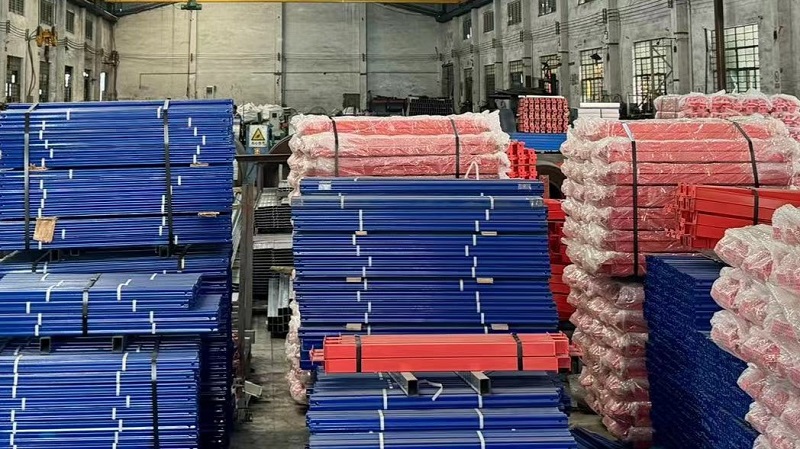
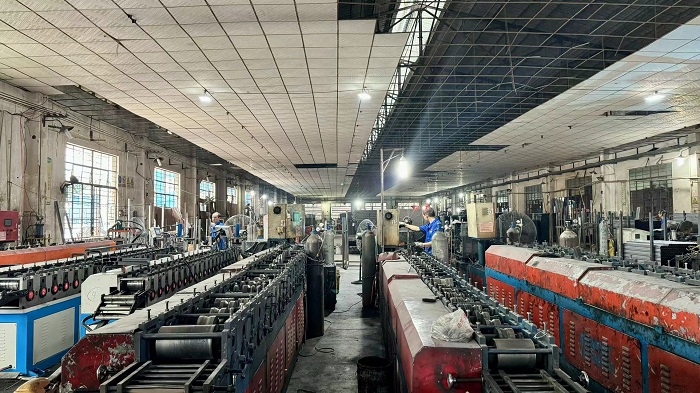
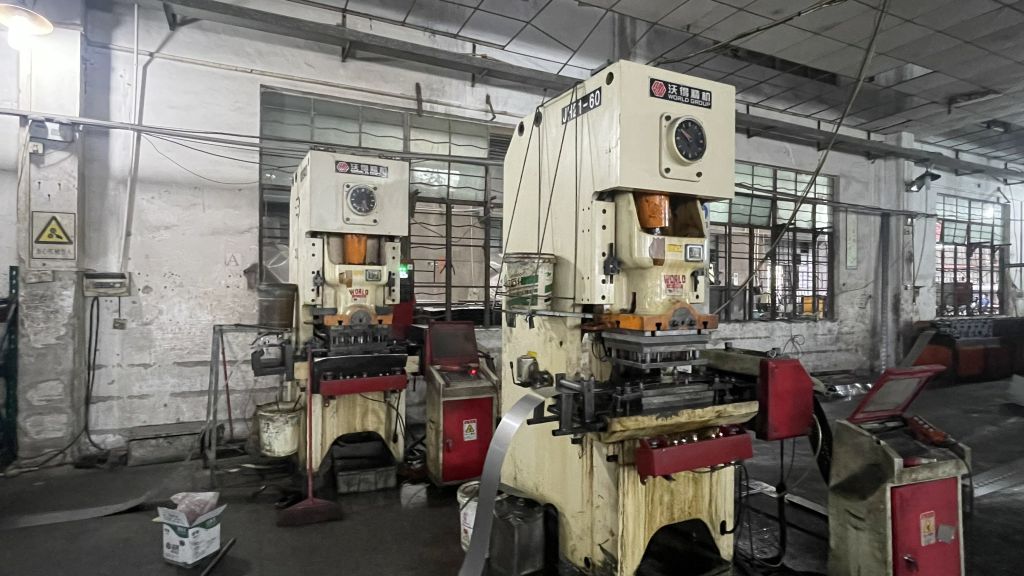
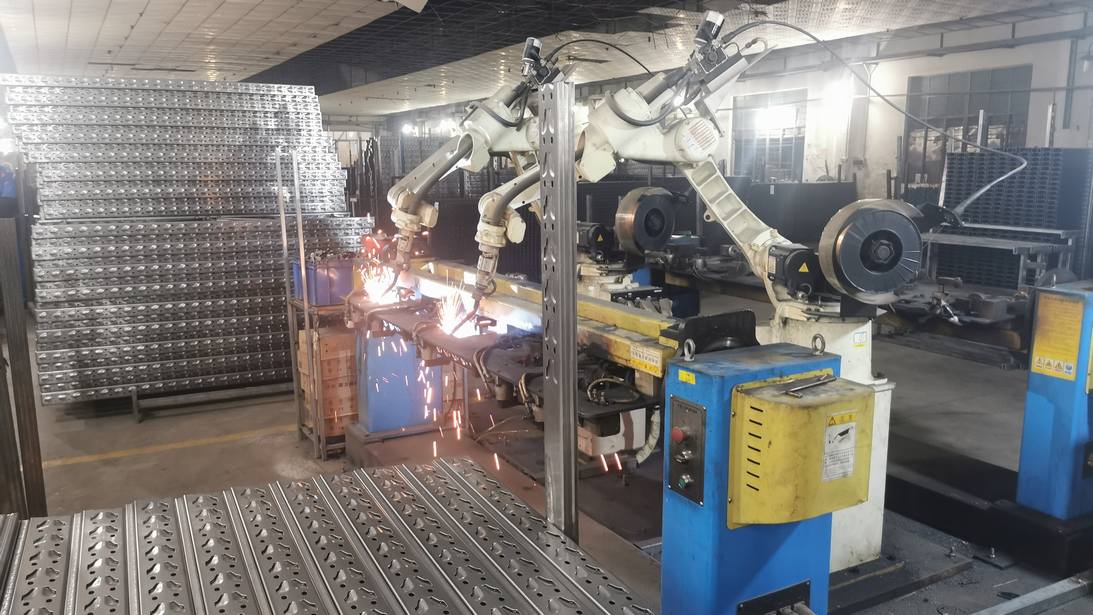
Employing precision robotics, continuous structural validation, and robust raw material tracking to deliver premium warehousing products globally.
Established in 2015, Shenzhen Kimsuk Storage Equipment Manufacturing Co., Ltd. is a leading industrial warehouse storage systems manufacturer headquartered in Shenzhen, China. Operating from a modern 38,000 m² production facility, we specialize in high-density pallet racking, mezzanine systems, and customized logistics storage solutions for global enterprises. Backed by 11+ years of deep industry expertise and 8+ years of direct international trade experience, Kimsuk generates over $22 million in annual export sales, serving heavy-duty distributors, logistics hubs, e-commerce fulfillment centers, and industrial manufacturing plants in North America, Western Europe, Southeast Asia, and the Middle East.
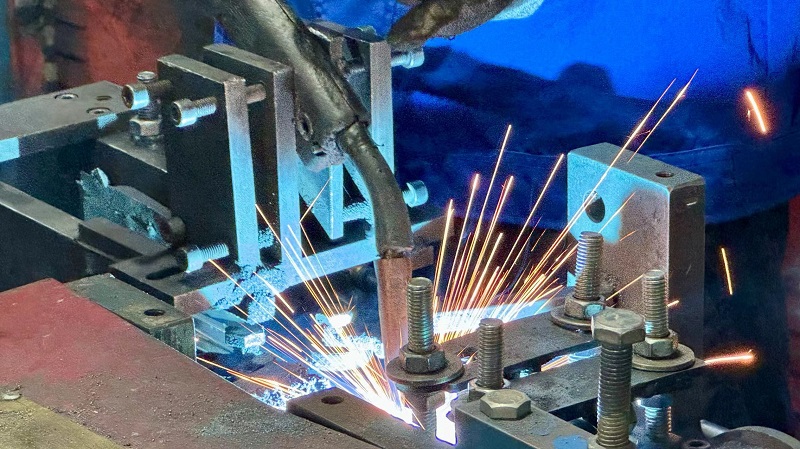
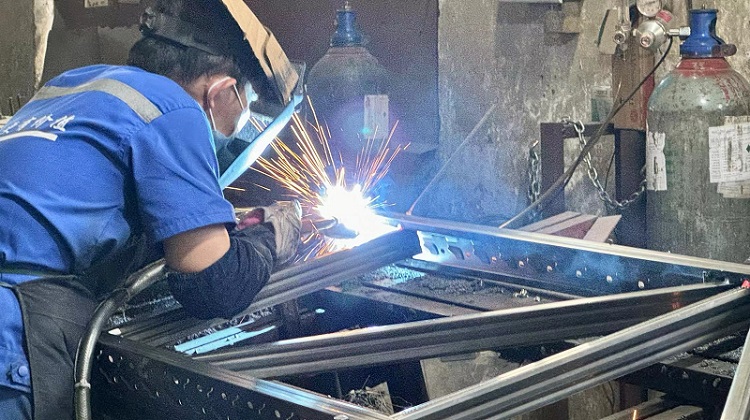
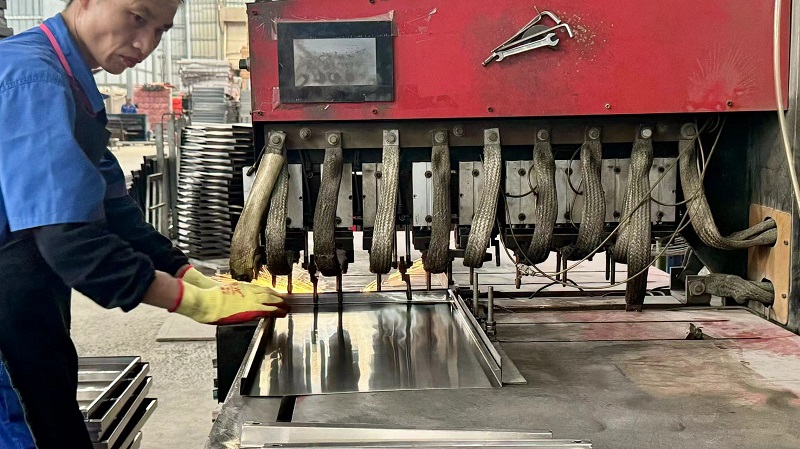
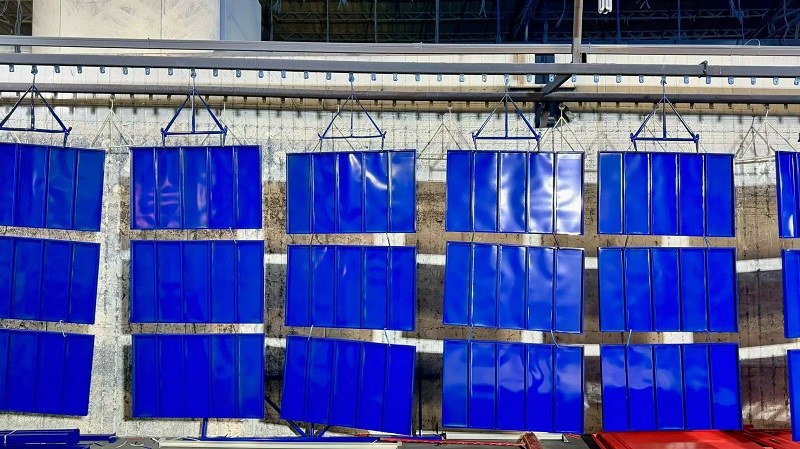
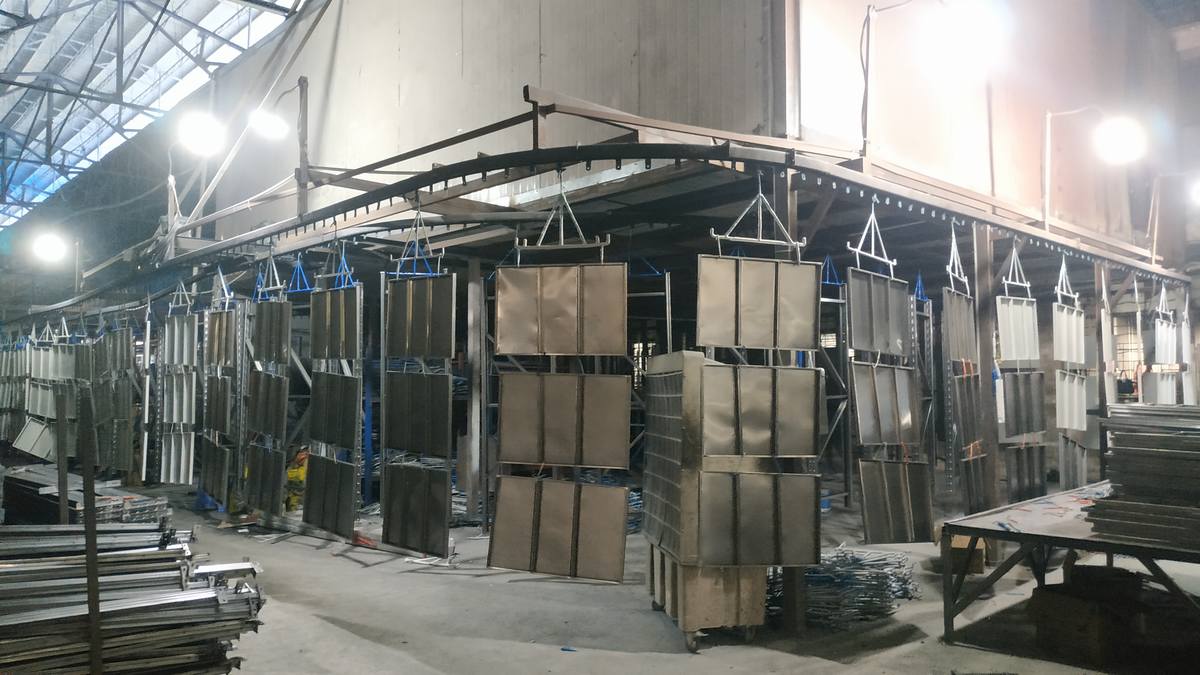
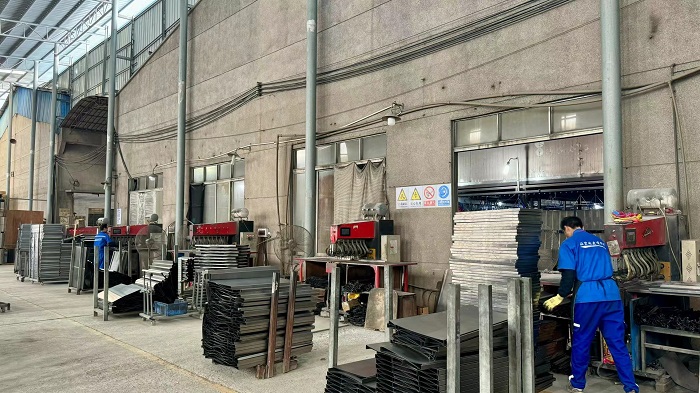
Our manufacturing ecosystem integrates Factory 4.0 automation, guaranteeing consistency from raw materials processing to final coatings. By optimizing production workflows, we can scale operations efficiently, assuring shortened lead times and reliable supply chain logistics. Quality and safety are central to our work. Backed by 35 dedicated full-time QC specialists, we execute rigorous quality control protocols across all production phases—including spectral raw material testing, ultrasonic weld inspection, dynamic load capacity testing, and automated powder-coating durability checks.
Driven by innovation, our internal R&D team consists of 18 experienced structural engineers. Last year alone, we successfully launched 45 new optimized racking designs. We offer extensive OEM/ODM customization options, including tailored load capacities, specific column profiles, seismic-resistant structures, and custom anti-corrosion surface treatments. Supported by an integrated network of over 850 reliable supply chain partners, Shenzhen Kimsuk delivers high-performance, cost-effective warehouse storage systems engineered to maximize your space utilization.
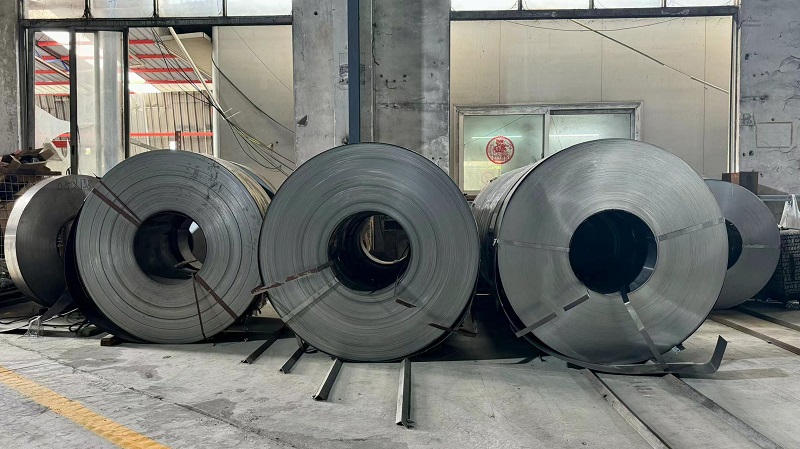
How our cantilever configurations solve storage limitations across diverse global industries.
Storing lumber, MDF board bundles, and timber requires reliable load-distribution calculations. Standard shelving can lead to localized sagging, which degrades materials. We customize cantilever systems with dynamic deflection limits (L/250) and add protective rubber padding on the arm contact surfaces. This protects wood products from deformation while allowing fork trucks to access inventory easily.
Round piping and structural tubes can present rolling hazards if not properly secured. Our customized heavy-duty steel pipe cantilever configurations feature removable arm end stops. These solid steel pins slip into welded structural sockets at the arm tips, preventing round tubing from rolling off. Structural steel columns are also reinforced with heavy bases to counteract the tipping moments caused by uneven loading.
Automotive manufacturing plants require organized, accessible storage for vehicle chassis and heavy stampings. These components are often stored outdoors or in varying climates, which requires specialized anti-corrosion treatments. We configure structures with robust hot-dip galvanization (conforming to ISO 1461), achieving an average zinc thickness of 85+ microns to resist corrosion in harsh, humid environments.
For warehouses that store light-density, high-volume products (like household appliances or flat-packed retail displays), our light-duty cantilever systems utilize wide-span wooden or steel deck plates. This design creates a continuous shelf layout without upright structural barriers, giving material handlers the flexibility to position pallets of varying widths on a single rack tier.
Detailed responses to structural calculations, weight distributions, compliance protocols, and sourcing guidelines.
The deflection limit of a cantilever arm under load is determined by the elastic modulus of the steel (E = 210,000 N/mm² for structural carbon steel), the arm’s moment of inertia (I), the length of the arm (L), and the total weight (W) applied. The standard formula for uniform load deflection is:
δ = (W * L³) / (8 * E * I)
According to FEM 10.2.09 and AS4084 standards, the maximum deflection under load must not exceed L/200 for standard loads, and L/250 for precision robotic retrieval operations. Exceeding these thresholds causes mechanical stress on the column welds and uprights, which can compromise overall system safety.
Cold-formed roll steel profiles are manufactured by feeding continuous sheet coils through roller configurations at ambient temperatures. This process increases tensile strength through work hardening, yielding a cost-effective, high-precision racking system suitable for light-to-medium-duty storage.
In contrast, hot-rolled structural steel profiles (specifically heavy I-beams) are shaped at temperatures above recrystallization (over 900°C). These profiles feature uniform structural thickness and are less susceptible to torsional buckling. Hot-rolled profiles are recommended for heavy-duty applications where forklift impacts are a concern or arm loads exceed 1,500 kg.
Seismic activity introduces horizontal and vertical forces that can stress industrial racking systems. In seismic zones, design calculations must account for the local peak ground acceleration (PGA).
To maintain structural integrity, the base plate dimensions must be expanded, and heavy-duty seismic anchors (such as wedge anchors or chemical capsules) must be specified. Additionally, upright columns require dynamic cross-bracing along both horizontal and longitudinal axes to distribute seismic energy and prevent structural collapse.
For outdoor storage exposed to rain, salt spray, or industrial emissions, standard epoxy powder coatings are insufficient because micro-cracks can allow moisture to reach the underlying steel.
For these environments, we recommend Hot-Dip Galvanization (HDG) in accordance with ISO 1461. The structural steel is cleaned in an acid bath and submerged in molten zinc at approximately 450°C. This chemical process creates a metallurgically bonded zinc-iron alloy layer that provides galvanic protection, preventing rust even if the surface is scratched.
Shenzhen Kimsuk executes a three-phase quality assurance workflow managed by our 35-specialist QC department:
Explore our custom-configured pallet and cantilever warehouse storage products designed for demanding heavy-duty operations.


 Kimsuk Rack