High-capacity structural racking and space optimization systems configured for heavy industrial and dynamic loads.



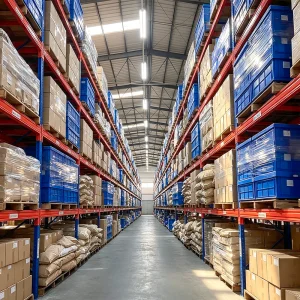
Industrial real estate costs have escalated by over 45% globally since 2020. Logistics enterprises, bulk storage operators, and production plants face a vital challenge: maximizing storage volume without increasing their geographical footprint. This operational pressure has shifted the focus from horizontal expansion to vertical optimization using industrial mezzanine flooring systems.
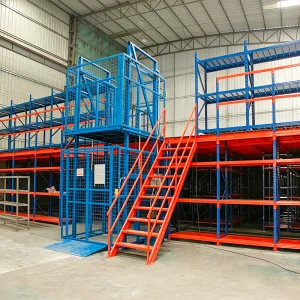
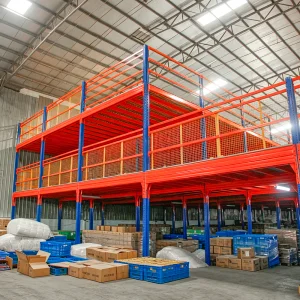
Modern steel mezzanine platforms act as intermediate floors constructed between the primary floor and the warehouse ceiling. By utilizing these heavy-duty structural platforms, distribution facilities can effectively double or triple their operational floor space, creating additional areas for packaging, assembly, office work, or dense multi-level rack storage.
"To optimize global supply chains, industrial operators must implement high-density racking. Custom steel platforms offer high loading capacities, from 300kg/m² to over 1500kg/m², accommodating high-bay dynamic systems and Automated Guided Vehicles (AGVs)."
Why do procurement specialists choose Chinese manufacturers for their large-scale industrial mezzanines? The answer lies in structural steel sourcing, automated roll-forming efficiency, and strict structural compliance:
A leading manufacturer of high-density industrial racking and bespoke steel mezzanine floor systems.
Established in 2015, Shenzhen Kimsuk Storage Equipment Manufacturing Co., Ltd. is a leading industrial warehouse storage systems manufacturer headquartered in Shenzhen, China. Operating from a modern 38,000 m² production facility, we specialize in high-density pallet racking, mezzanine systems, and customized logistics storage solutions for global enterprises.
With over 11 years of deep industry expertise and 8 years of direct international trade experience, Kimsuk generates over $22 million in annual export sales. Our primary overseas markets cover North America, Western Europe, Southeast Asia, and the Middle East, serving heavy-duty distributors, logistics hubs, e-commerce fulfillment centers, and industrial manufacturing plants.
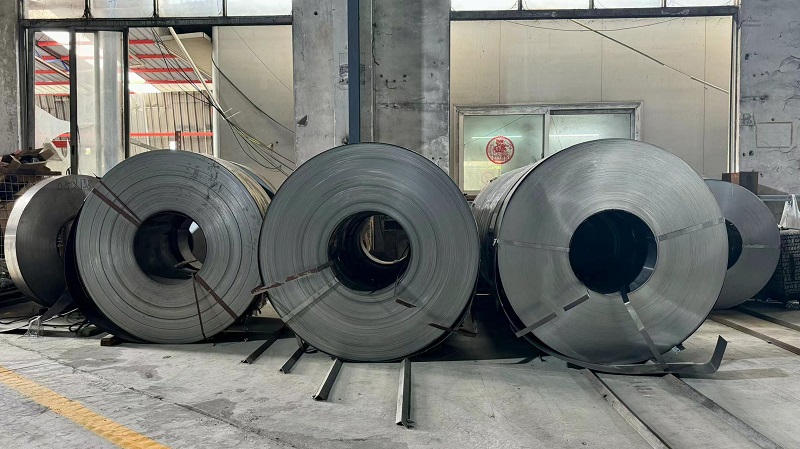
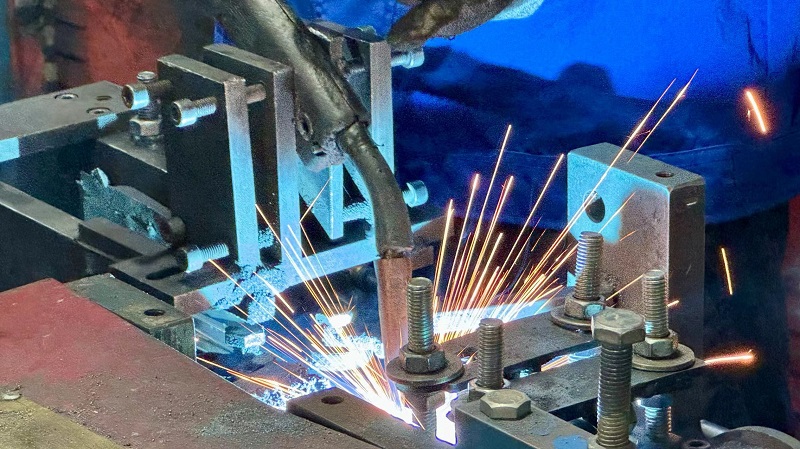
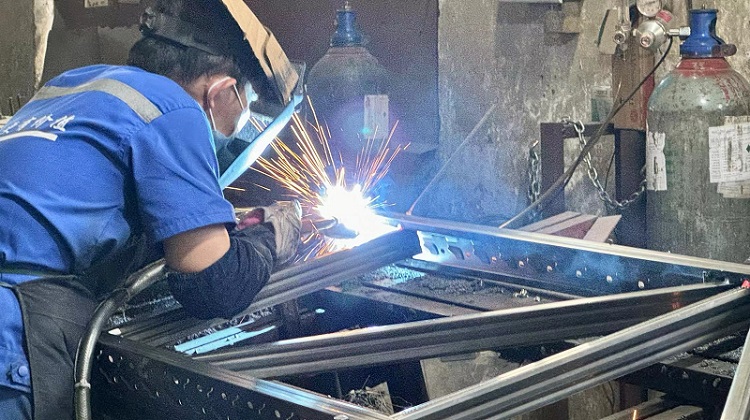
Quality and safety are at the core of our manufacturing philosophy. Backed by 35 dedicated full-time QC specialists, we execute rigorous quality control protocols across all production phases—including spectral raw material testing, ultrasonic weld inspection, dynamic load capacity testing, and automated powder-coating durability checks.
Driven by strong innovation, our internal R&D team consists of 18 experienced structural engineers. Last year alone, we successfully launched 45 new optimized racking designs. We offer extensive OEM/ODM customization options, including tailored load capacities, specific column profiles, seismic-resistant structures, and custom anti-corrosion surface treatments. Supported by an integrated network of over 850 reliable supply chain partners, Shenzhen Kimsuk delivers high-performance, cost-effective warehouse storage systems engineered to maximize your space utilization.
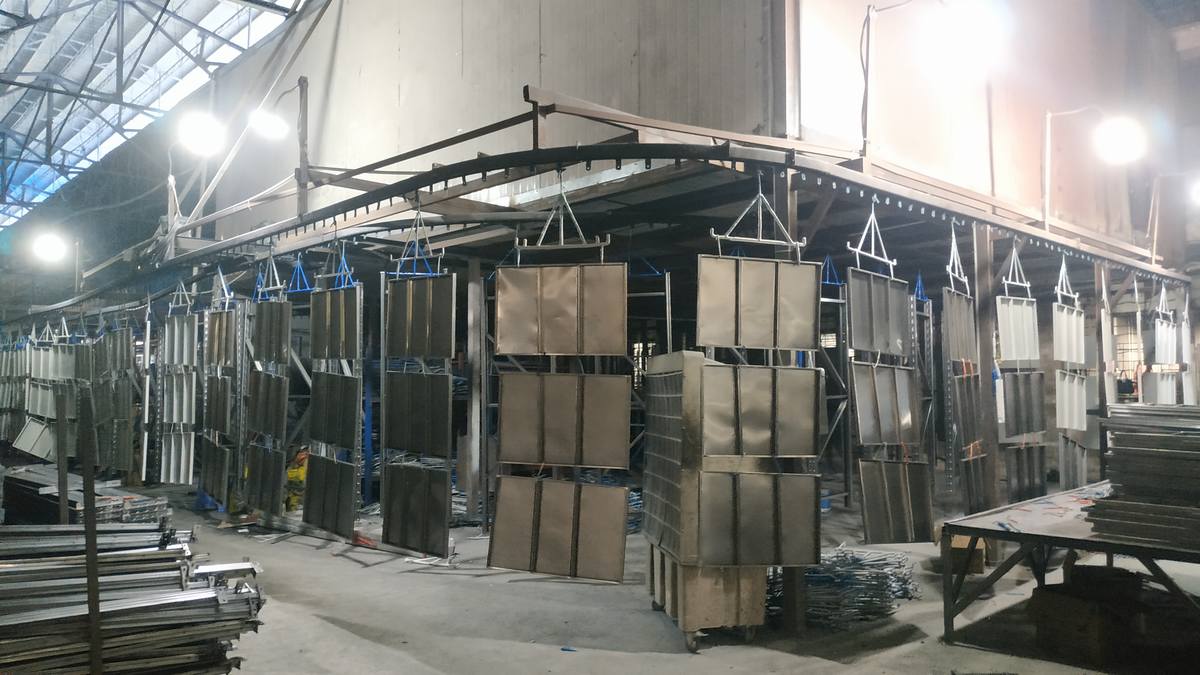
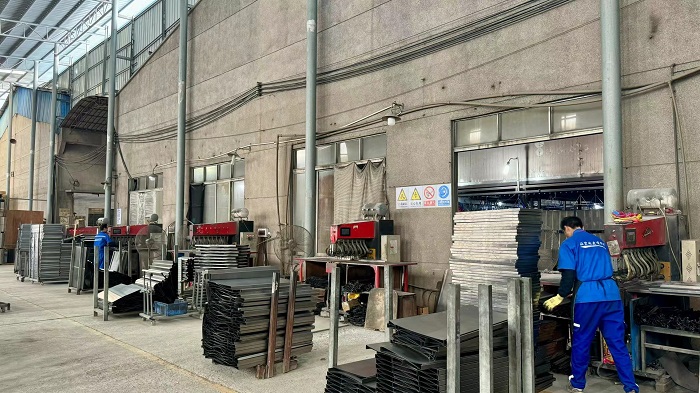
How our integrated factory processes raw steel into heavy-duty structural warehouse components.
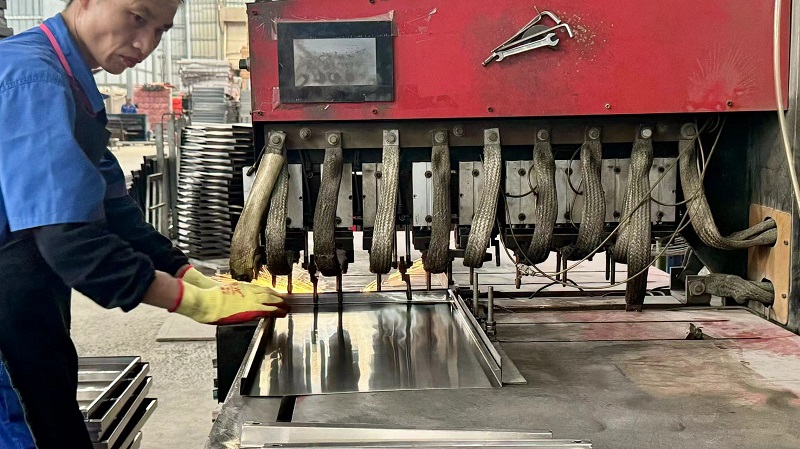


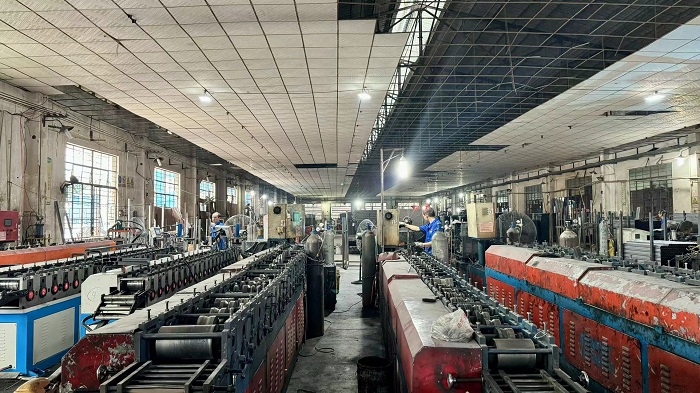
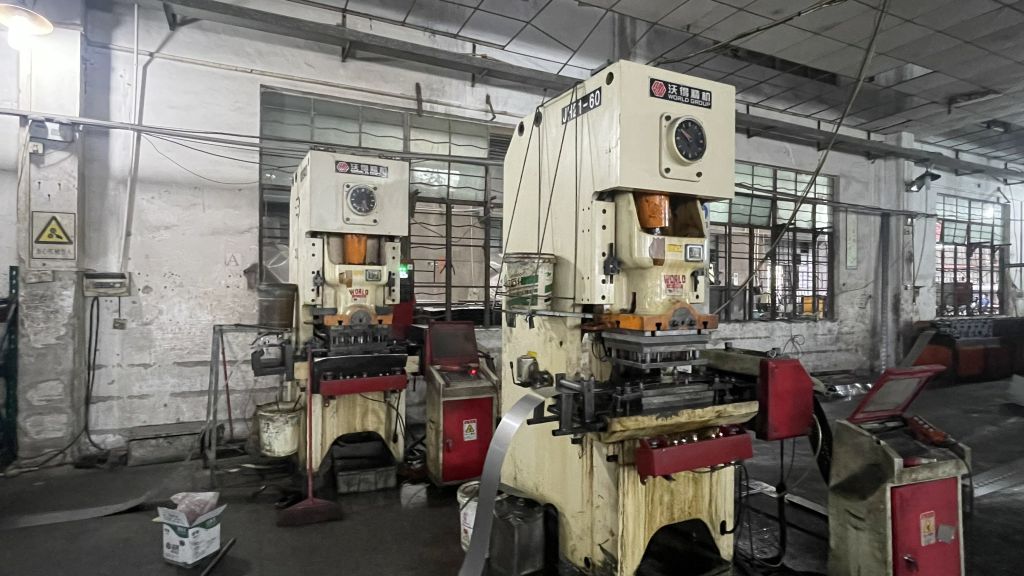
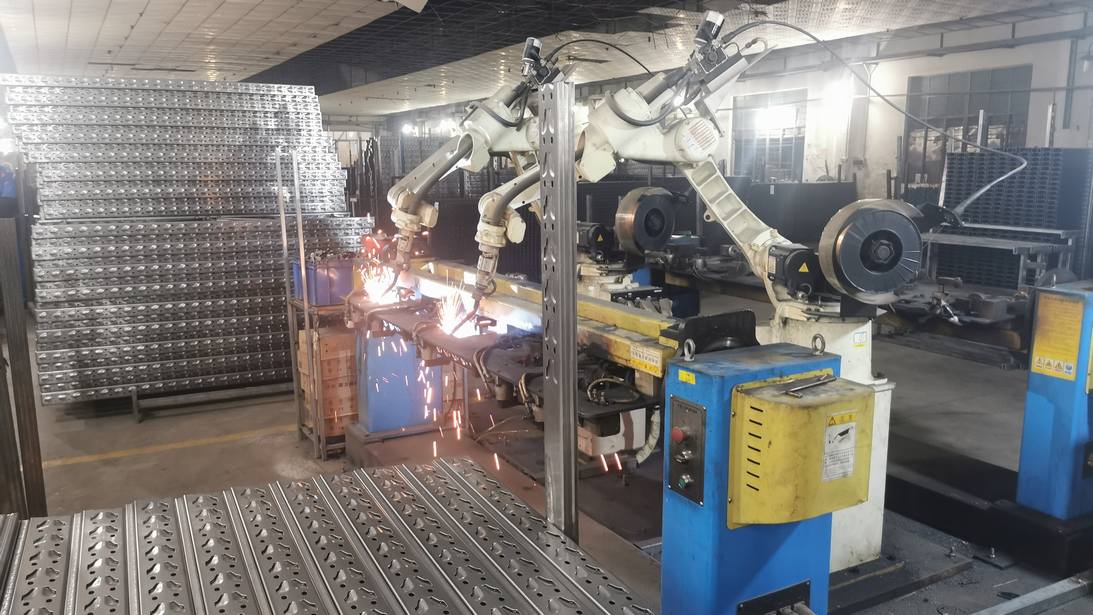
Tailoring structural engineering designs to specific industrial use cases and regional regulations.
Designed to handle high-frequency foot traffic and lightweight shelving systems. These designs integrate conveyor brackets, chutes, safety handrails, and loading gates, facilitating pick-and-pack operations.
Engineered using hot-rolled structural steel profiles (H-beams, I-beams) to support static and dynamic loads from machinery, workbenches, and raw materials. Dynamic structural modeling ensures minimal deflection.
Featuring corrosion-resistant, powder-coated steel or galvanized platforms, designed for sub-zero temperatures. Free-flowing perforated decking allows airflow and meets strict cleanroom ventilation and safety standards.
Key technical parameters for global procurement managers when selecting structural storage systems.
| System Type | Structural Profile Options | Load Capacity (kg/m²) | Standard Compliance | Ideal Application Scenario |
|---|---|---|---|---|
| Rack-Supported Mezzanine | Cold-rolled Omega steel uprights, C-beams | 300 - 800 kg/m² | FEM 10.2.02, RMI, AS4084 | High-density SKU parts storage, pick modules |
| Structural Steel Platform | Hot-rolled H-beams, I-sections, tubular columns | 500 - 2,000 kg/m² | AISC, BS 5950, EN 1993 | Heavy manufacturing, office space, machinery zones |
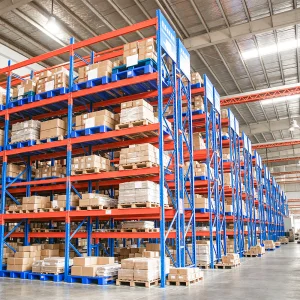
| Multi-Tier Racking (3+ Levels) | Custom heavy uprights, integrated stairs/gates | 400 - 1,000 kg/m² | RMI, OSHA standards | Large-scale regional distribution centers |
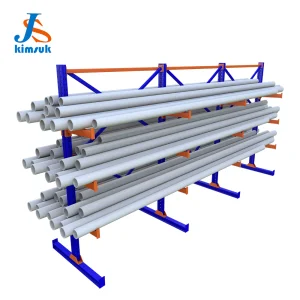
| Cantilever-Supported Deck | Tapered arm profiles, box beams | 500 - 1,200 kg/m² | FEM 10.2.09 | Long load profiles, pipes, timber storage hubs |
Note on Engineering Standard Compliance: The choice of steel grades (typically Q235B or Q355B) and finish thickness (60-80 microns electrostatically applied powder coating) is calculated during the engineering design phase to meet regional seismic and wind load requirements.
Technology-driven trends modifying global warehouse and inventory layouts.
Modern steel platforms are engineered to handle the load-bearing requirements of automated robots moving across the deck. Deflection ratios must be restricted (e.g., L/400 or L/600) to keep floors flat enough for laser-guided AGVs to navigate accurately.
Welding on-site during installation presents fire hazards and increases labor costs. The industry has shifted toward fully bolted, pre-engineered structural connections. These pre-drilled systems allow for quick installation and easy modification or relocation in the future.
Global environmental standards now require eco-friendly manufacturing processes. Leading Chinese factories utilize heavy-metal-free, VOC-free thermosetting powder coatings. These provide high impact resistance, chemical protection, and help projects achieve LEED environmental certification.
With more storage systems built in seismically active regions, manufacturers are utilizing structural steel alloys with higher yield strengths. They design platforms with custom baseplate anchoring systems and bracing arrays to meet strict seismic safety guidelines.
Essential insights for global industrial procurement managers and logistics warehouse operators.
A structural steel platform uses heavy-duty hot-rolled steel columns and H-beams, offering wide spans, high under-bridge clearance, and loading capacities up to 2000 kg/m² for machinery. A rack-supported mezzanine utilizes the underlying storage rack uprights to support the floor decking, making it a cost-effective choice for manual picking or bin storage.
Leading Chinese exporters design and manufacture systems in compliance with EU standards (FEM 10.2.02, EN 1993 Eurocode 3), American standards (ANSI/RMI MH16.1, AISC Steel Construction Manual), and Australian standards (AS4084-2012). Calculations are verified using professional finite element analysis (FEA) software before production.
Manufacturers perform material testing, check weld strength with ultrasonic testing, and carry out dynamic load tests on the steel frames. They run FEA simulation software to ensure components can handle target loads under continuous use and seismic conditions.
A high-durability electrostatic powder coating is standard. Hot-dip galvanized coatings are used for wet, chemical-heavy, or cold storage conditions to prevent rust. Zinc-plated components are also available for specific parts.
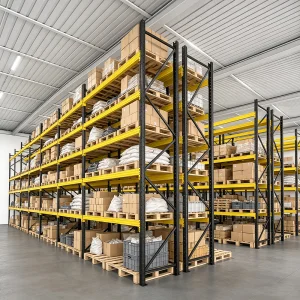
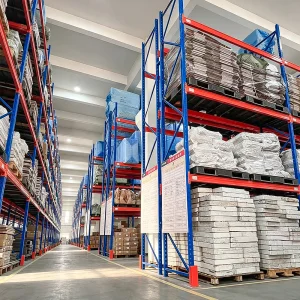
Explore our range of heavy-duty, selective, and multi-level structural systems engineered to optimize warehouse storage density.


 Kimsuk Rack