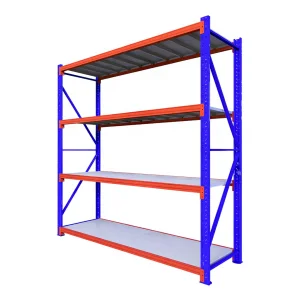
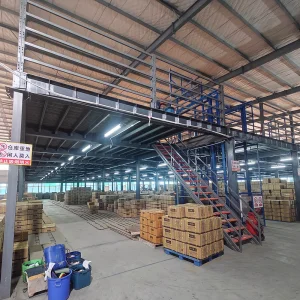
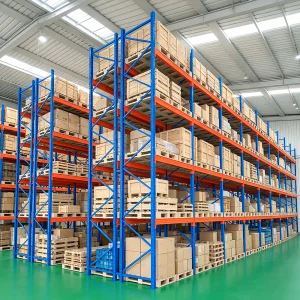
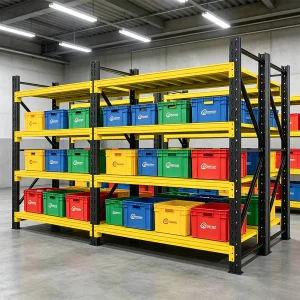
Explore our core heavy-duty shelving and structural mezzanine solutions optimized for high density and dynamic storage environments.




How high-density gravity flow systems transform throughput speed, safety metrics, and warehouse volume utilization.
Gravity racking systems, commonly known as Gravity Flow Racks or Pallet Flow Systems, operate on a dynamic slope mechanism. Driven by gravity, pallets are loaded from the charging side (entrance) and slide down structural steel lanes on roller tracks to the picking face (discharge side). This dynamic setup guarantees absolute First-In, First-Out (FIFO) material rotation, making it ideal for perishable items, pharmaceuticals, fast-moving consumer goods (FMCG), and cold storage environments.
Designing a reliable gravity flow rack requires high-precision structural calculations. Crucial components include:
A premier industrial warehouse storage systems manufacturer and global exporter established in 2015.
Operating from a modern 38,000 m² production base in Shenzhen, China. We integrate automated welding, precise roll forming, and structural test facilities to produce reliable racking systems.
Generating over $22 million in annual export sales, Kimsuk serves logistics hubs, distributors, e-commerce fulfillment centers, and manufacturing plants across North America, Western Europe, Southeast Asia, and the Middle East.
Our structural R&D team consists of 18 experienced engineers. We offer complete OEM/ODM options, tailormade load capacities, seismic structures, and custom anti-corrosion finishes.
Our structured production workflow utilizes advanced automation to guarantee structural integrity and long service life.
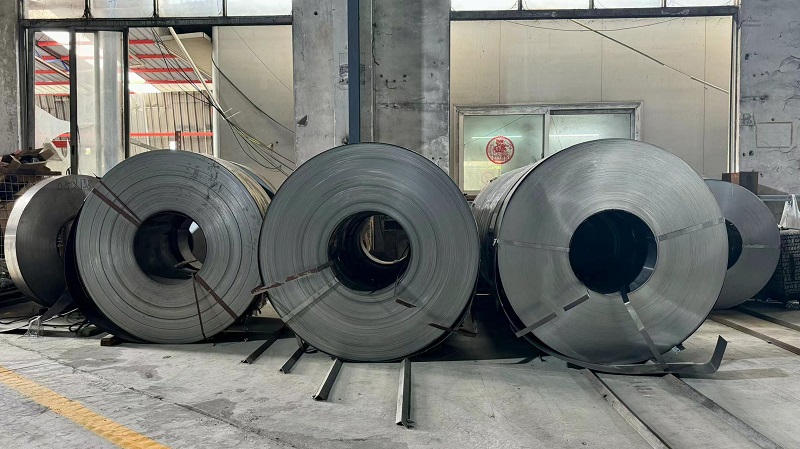
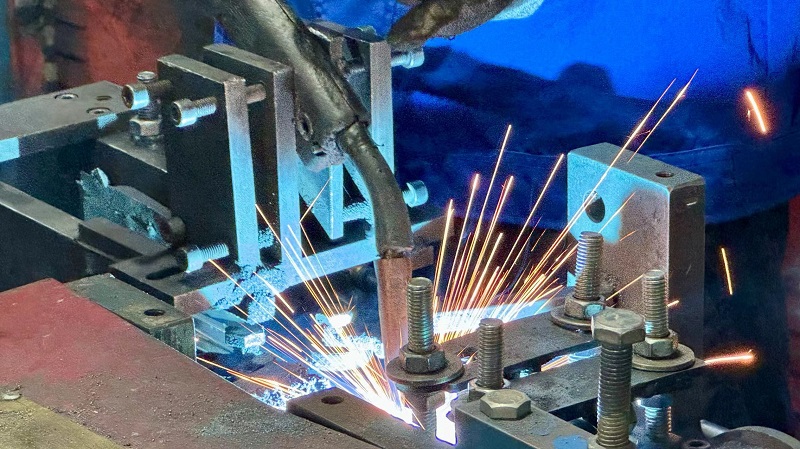
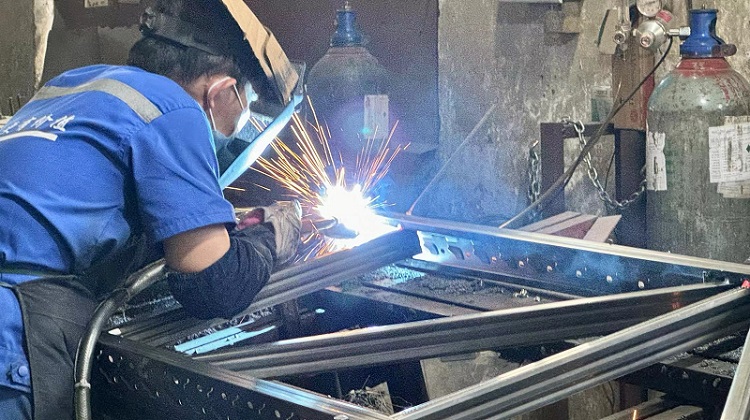
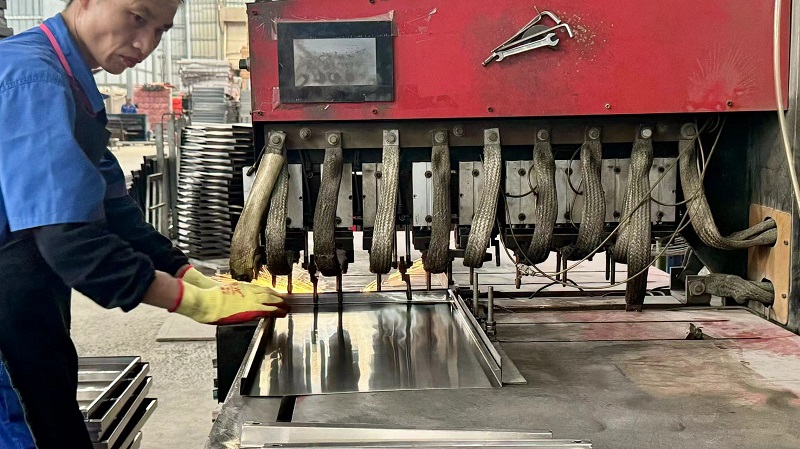
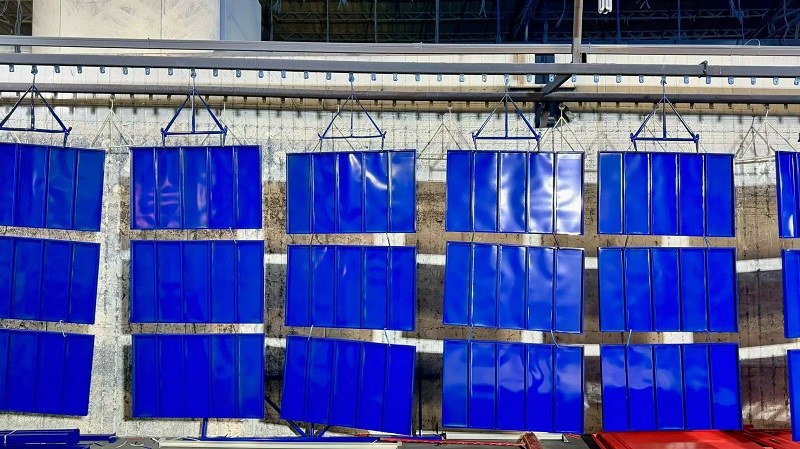
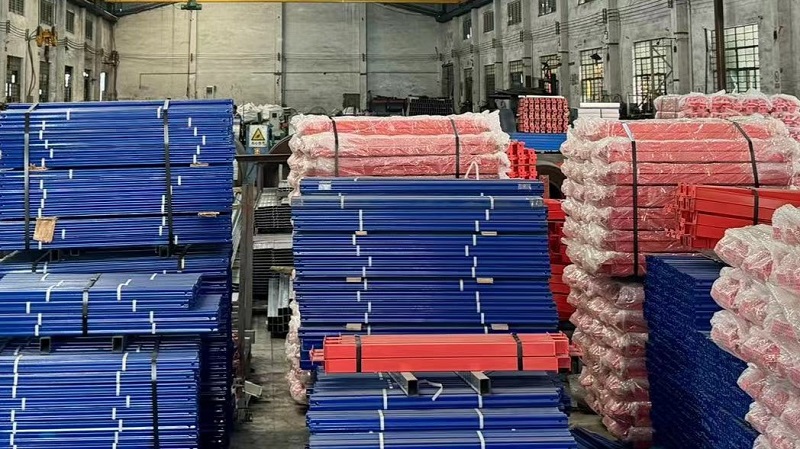
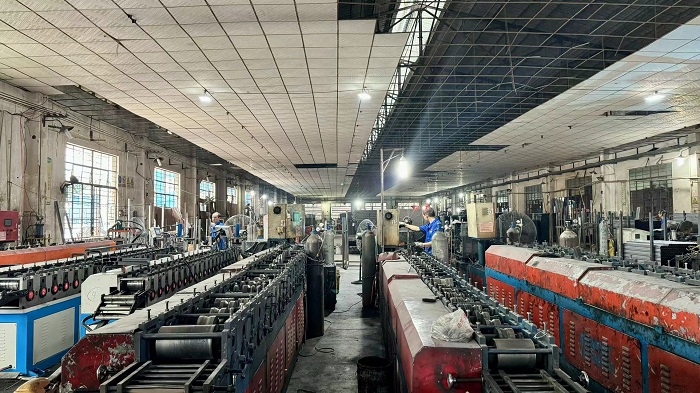
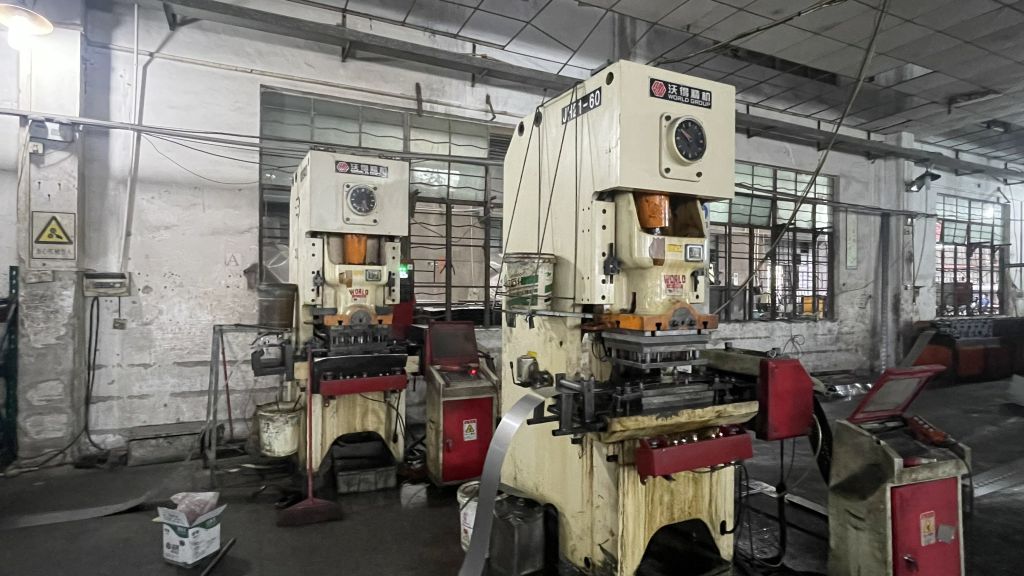
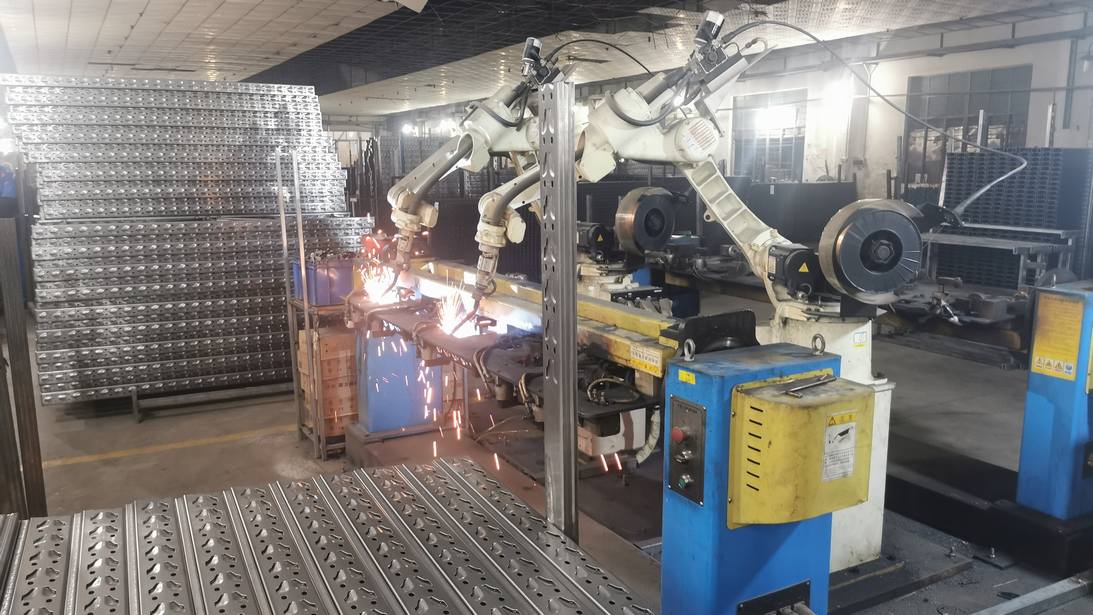
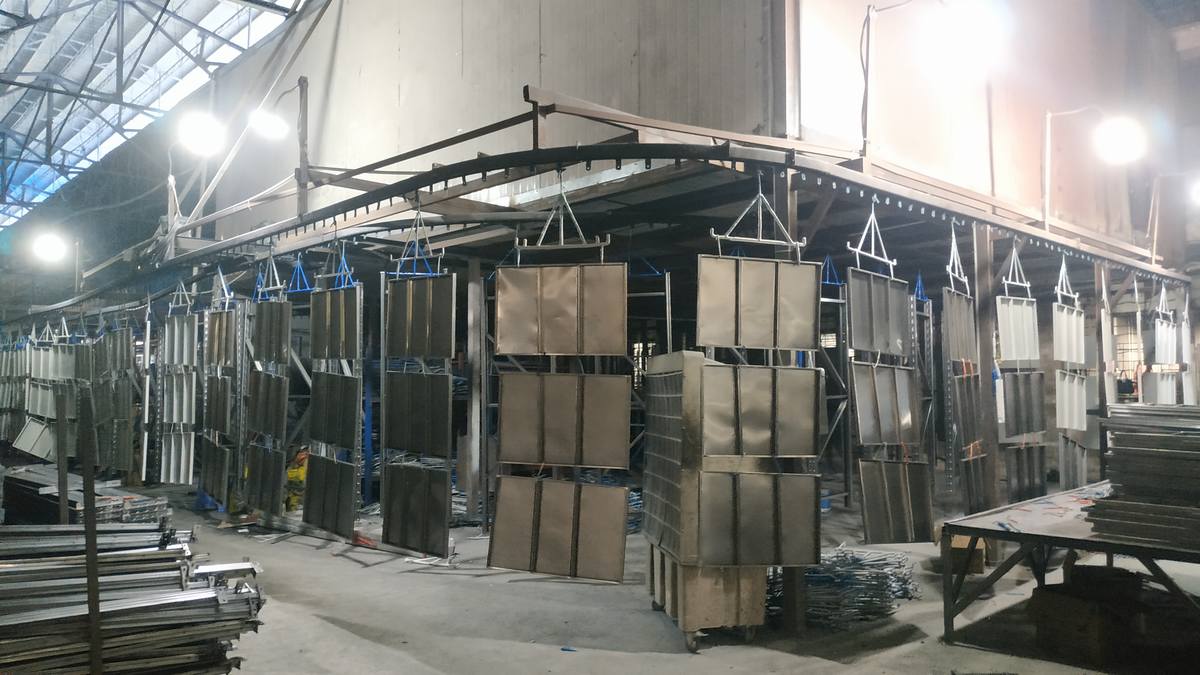
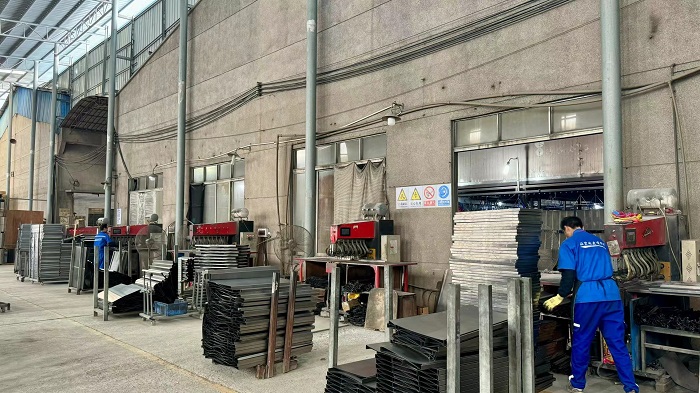
Shenzhen's manufacturing and logistics cluster provides substantial supply chain benefits for global warehouse racking buyers. By leveraging premium domestic steel mills, we secure Q235B and Q355B structural steel at competitive raw material rates. Our proximity to the Shenzhen port network reduces international shipping transit times and overall freight logistics costs.
Operating a vertically integrated facility ensures all steps—from coil slitting and automated cold roll forming to precision punching, robotic welding, and powder coating—are completed in-house. This centralized control reduces lead times by up to 30% compared to fragmented assembly providers.
Large-scale distribution centers operate under strict safety standards. Kimsuk structures are designed and analyzed to comply with international industry certifications, including the RMI (Rack Manufacturers Institute) standard in the United States and the European FEM 10.2.02 standard.
Our engineers perform finite element analysis (FEA) to simulate seismic conditions for projects located in high-risk zones, such as the US West Coast or Southeast Asia. Dynamic load simulations ensure that column baseplates, frame bracing, and beam connections resist lateral seismic forces, ensuring facility compliance and structural safety.
Modern warehousing is shifting rapidly toward automation and green infrastructure. Racking systems are no longer passive steel frame structures. Today, gravity flow lanes are increasingly integrated with warehouse control systems (WCS) using smart optical sensors at the discharge point to feed inventory levels directly to ERP systems. This real-time inventory visibility allows managers to track lane turnover dynamically. On the material front, high-durability, eco-friendly powder finishes and structural elements optimized for recycling are now standard, helping logistics centers achieve LEED certifications.
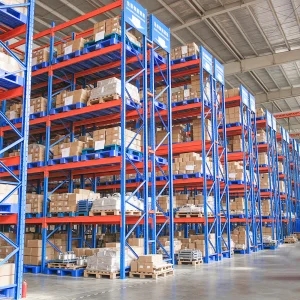
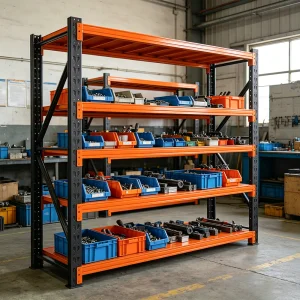
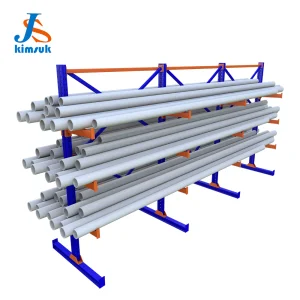
Our comprehensive range of industrial rack systems is engineered to optimize floor space and streamline facility workflows.





How Shenzhen Kimsuk ensures structural safety and compliance for cross-border logistics infrastructures.
We employ 35 full-time Quality Control specialists to monitor every production phase, conducting spectral raw material tests, ultrasonic weld checks, dynamic load capacity certifications, and powder-coating durability tests.
Our storage systems are engineered to comply with regional international standards, including North American RMI standards, European FEM codes, and Australian AS4084 regulations.
We provide comprehensive technical documentation, detailed 3D installation drawings, and remote engineering consultations. For large-scale projects, we coordinate with local installation teams to ensure efficient assembly.
Get authoritative insights on selecting, installing, and maintaining dynamic storage racking systems.
 Kimsuk Rack