Engineered high-density structures customized to optimize cubic space and operational efficiency


The shifting paradigm towards high-density automated and gravity-assisted material handling networks.
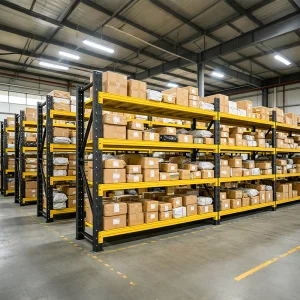
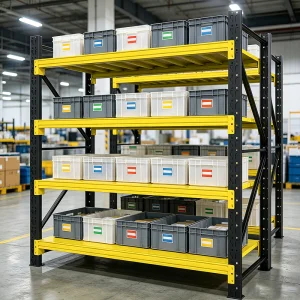
The global warehousing landscape is undergoing an unprecedented structural transition. Driven by skyrocketing industrial real estate costs, complex supply chain logistics, and the massive acceleration of omni-channel e-commerce fulfillment, enterprises can no longer afford the spatial inefficiencies of traditional selective racking systems. Among dynamic high-density storage technologies, Pallet Flow Storage (commonly known as gravity flow racking) has emerged as a cornerstone architecture for operations requiring high-throughput, structured stock rotation, and maximum volumetric utilization.
Operating on the First-In, First-Out (FIFO) flow management principle, pallet flow systems utilize inclined dynamic roller lanes and gravity forces to automatically migrate loaded pallets from the loading (entry) face to the unloading (picking) face. This eliminates internal travel aisles, collapsing the spatial footprint required for warehouse storage by up to 50% compared to traditional racking systems while doubling overall storage density.
In regions such as North America, Western Europe, and East Asia, strict regulations regarding energy utilization in cold storage facilities have made gravity-driven systems highly lucrative. By consolidating temperature-controlled zones, pallet flow systems substantially decrease energy consumption per cubic pallet stored. Moving forward, the global market demands smart components integrated into structural steel framing, aligning physical storage with predictive supply chain software.
A premier Chinese manufacturing force delivering advanced structural storage systems globally.
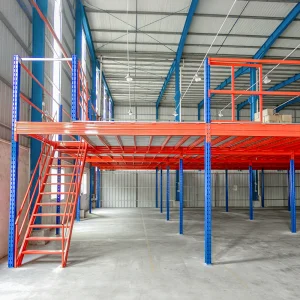
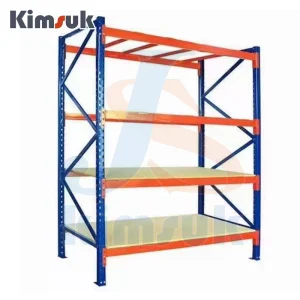
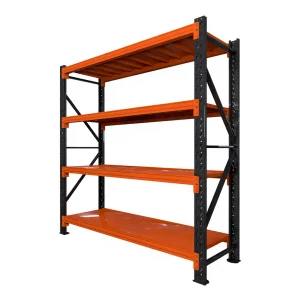
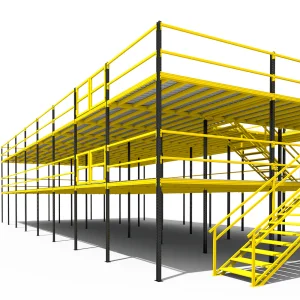
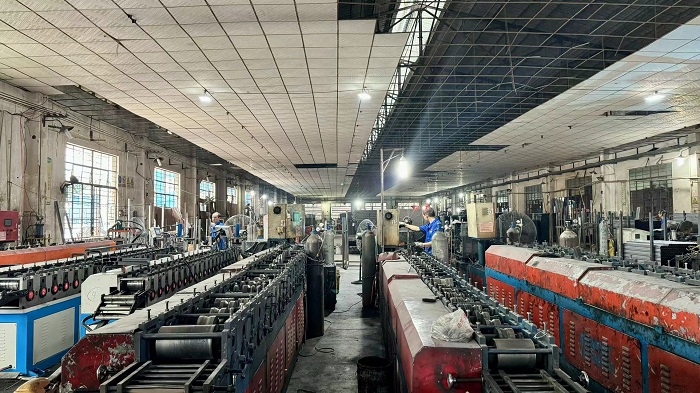
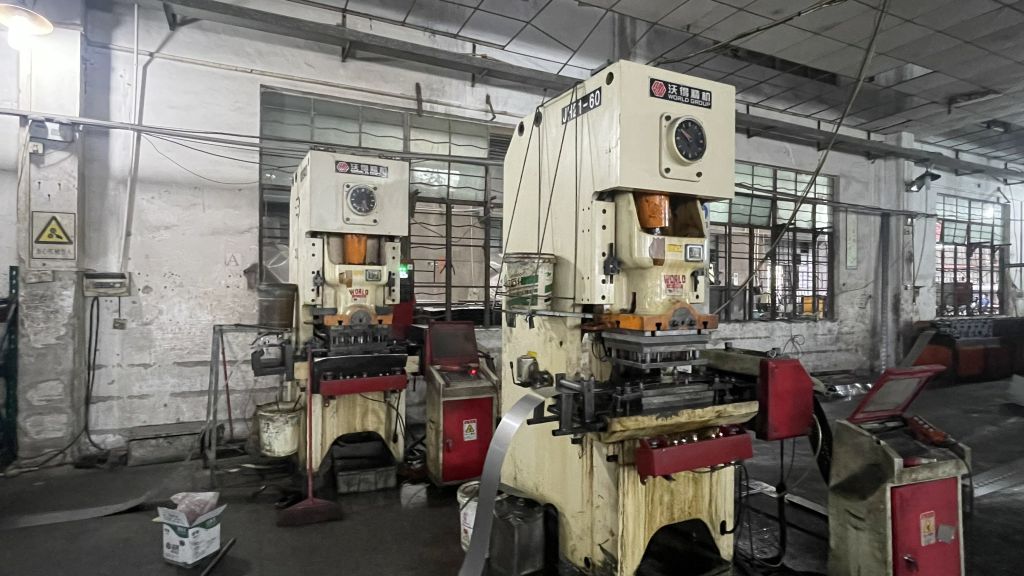
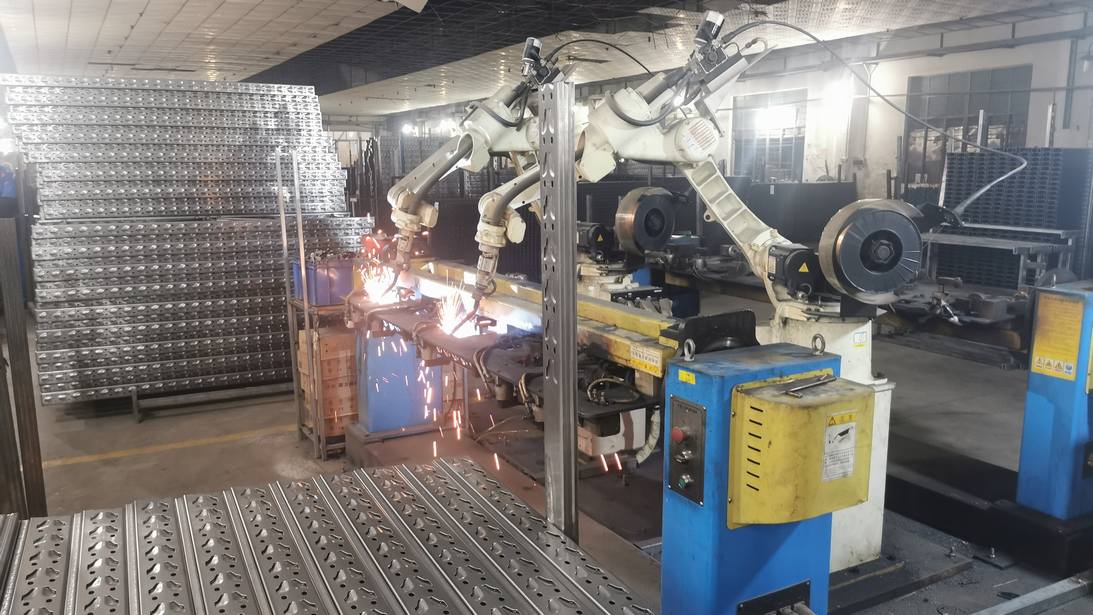
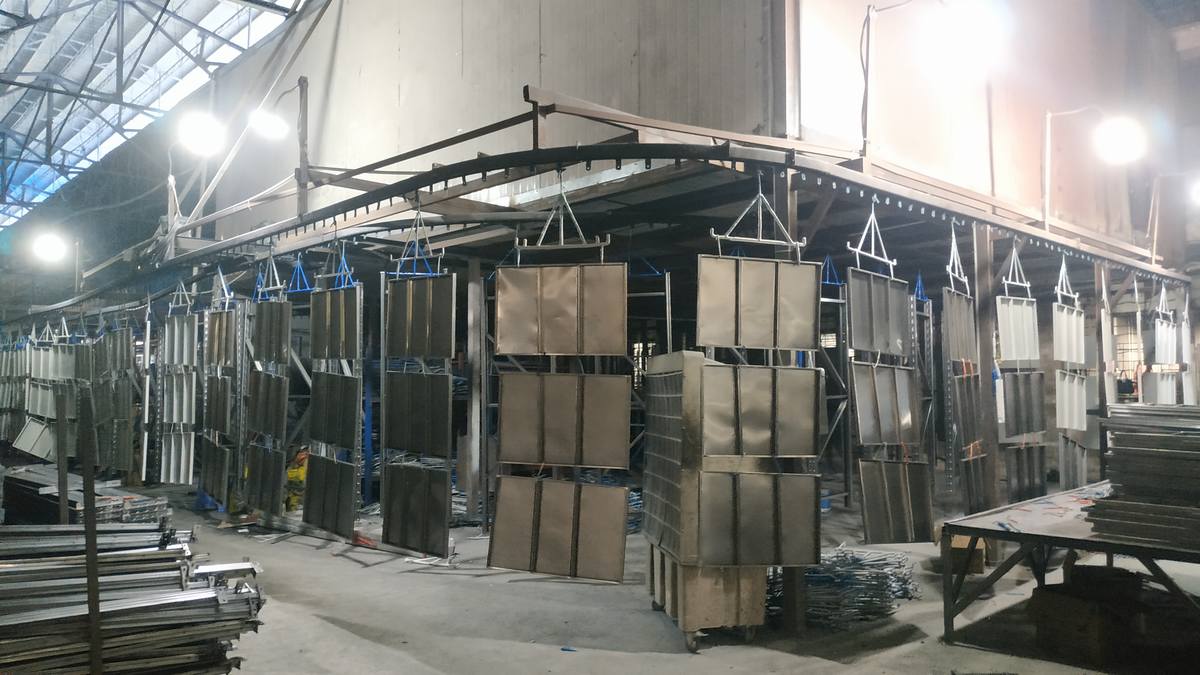
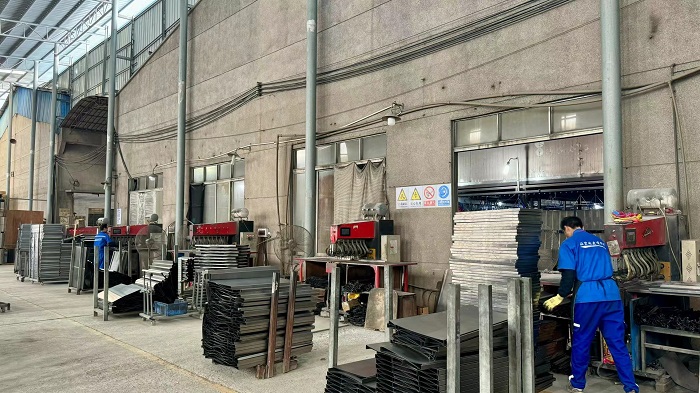
Shenzhen Kimsuk Storage Equipment Manufacturing Co., Ltd. (est. 2015) stands at the forefront of China's heavy-duty engineering exports. Headquartered in the technological powerhouse city of Shenzhen, China, Kimsuk operates a highly specialized 38,000 m² modern production facility. The company has dedicated itself to structural research, advanced component manufacturing, and custom global deployment of high-density pallet racking, steel mezzanines, and gravity flow system architectures.
With an expansive portfolio spanning 11 years of deep industrial expertise and 8 years of direct international trade operations, Shenzhen Kimsuk generates more than $22 million in annual export sales. Their global logistics footprint extends heavily to North America, Western Europe, Southeast Asia, and the Middle East, offering critical infrastructure to heavy-duty industrial distributors, mega-logistics hubs, cold chain facilities, and automotive manufacturing plants.
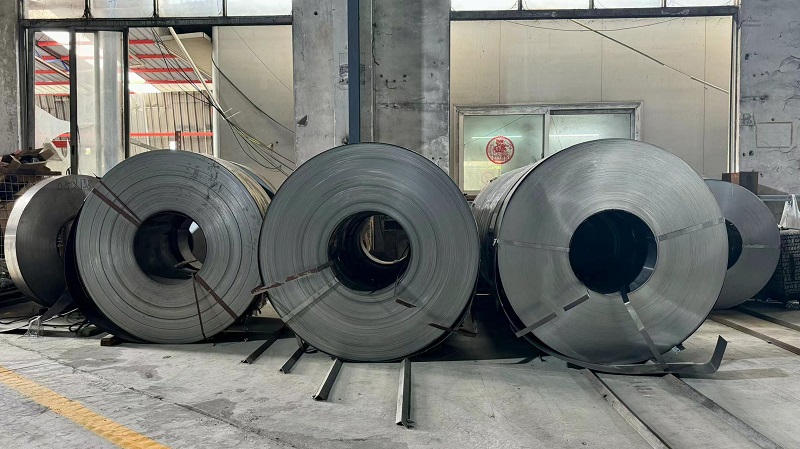
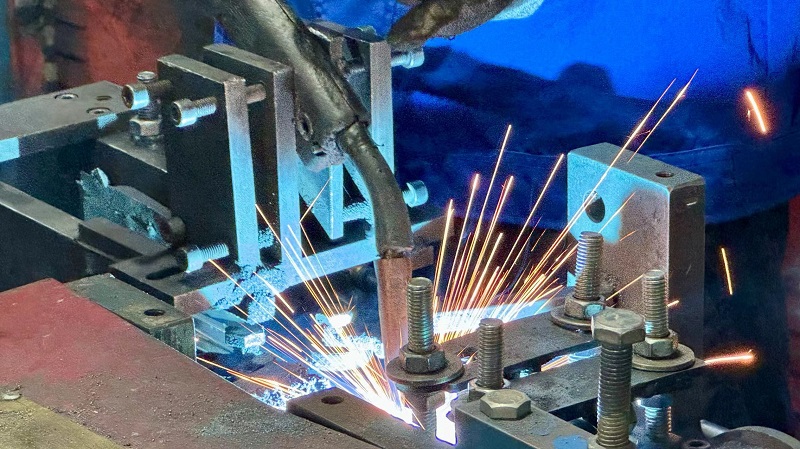
Reliability in heavy industrial racking is non-negotiable. Kimsuk deploys a division of 35 full-time QC specialists who execute multi-phase quality inspections. This includes spectral raw material analysis of structural steels, ultrasonic weld inspections, dynamic load capacity profiling, and automated electrostatic powder coating durability assessments. Their internal R&D wing, composed of 18 structural engineers, constantly pushes design boundaries. In the last calendar year, Kimsuk developed and deployed 45 optimized structural configurations, demonstrating agility in custom structural design.
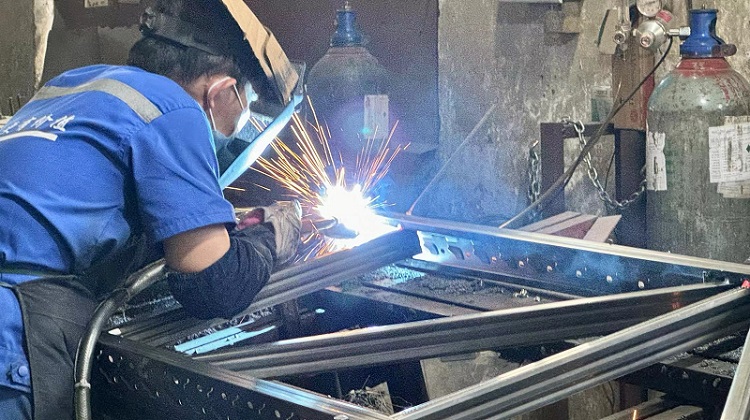
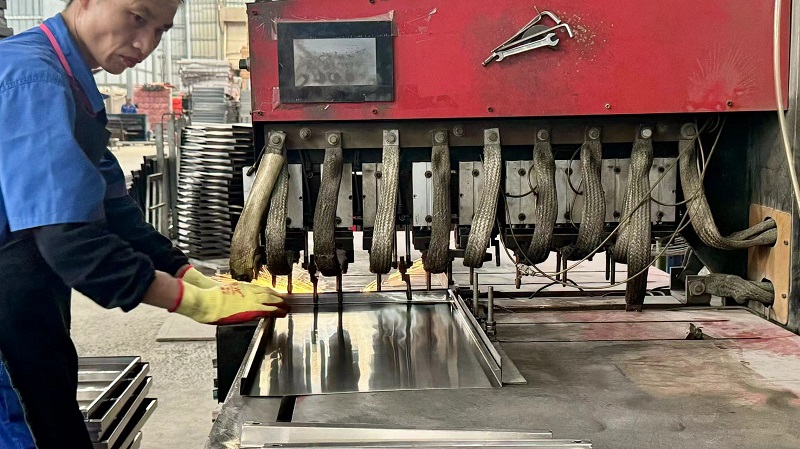
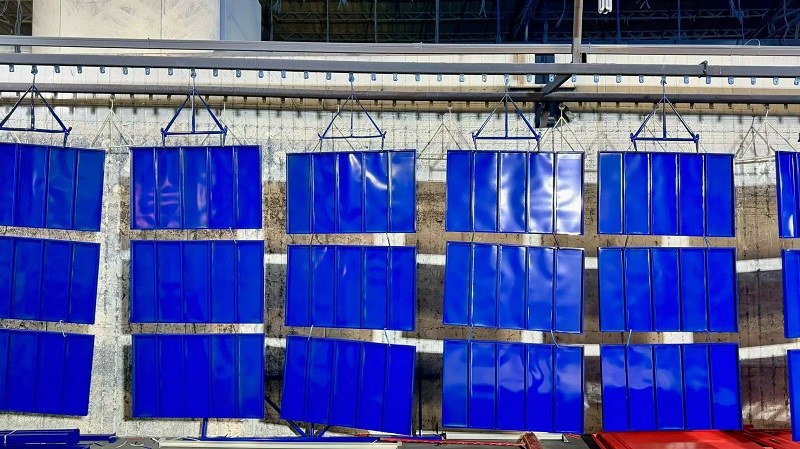
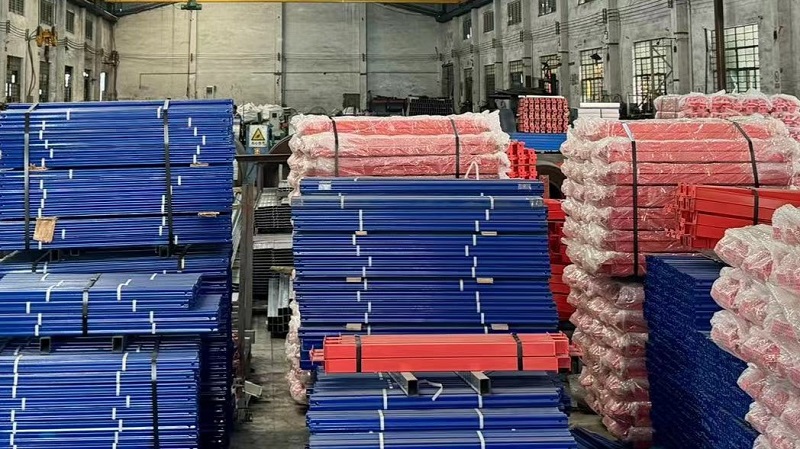
Why global logistics operators depend on Chinese industrial manufacturing ecosystems.
The manufacturing ecosystem of China, particularly in industrial corridors like Shenzhen and Guangdong, provides unique operational advantages for global buyers. Procurement of heavy structural steel platforms and high-density pallet flow lanes from Chinese manufacturers offers benefits beyond initial cost optimization:
By controlling design, fabrication, powder coating, and dynamic testing within one highly optimized ecosystem, Chinese exporters deliver high-performing warehouse storage systems at highly competitive price points.
How engineering innovations are reshaping gravity flow and automation interface safety.
As modern distribution hubs transition toward complete automation, pallet flow systems are evolving to integrate seamlessly with robotic material handling equipment. Several key technical innovations are shaping the future of this sector:
When heavy pallet loads travel down a gravity flow lane, maintaining a safe, controlled speed is critical to prevent product damage or rack damage. Modern speed controllers utilize internal planetary gears and centrifugal brake pads to regulate pallet velocity to less than 0.3 meters per second, regardless of whether the pallet weighs 200 kg or 1500 kg.
To ensure safe picking, forklift operators must not experience pressure from back-logged pallets on the active pick face. Dynamic structural separators hold back subsequent pallets in the flow lane, releasing them only when the front pallet is completely removed. This protects workers and improves picking efficiency.
Pallet flow lanes serve as ideal buffering zones for automated storage and retrieval systems (AS/RS). Structural designs are incorporating tight geometric tolerances (millimeter-level accuracy) to align perfectly with automated crane shuttles and autonomous forklifts.
Tailoring dynamic pallet storage configurations to unique industrial environments.
High-density racking is not a one-size-fits-all solution. Different industries require specific configurations to optimize throughput and comply with local regulations:
Utilizes dynamic gravity lanes to pack goods tightly, reducing the footprint of energy-intensive freezer zones. Requires low-temperature lubricants and galvanized corrosion-resistant finishes.
Enforces strict FIFO batch control to manage product shelf life. Demands washdown-capable stainless steel construction and non-marking rollers to meet sanitary standards.
Provides raw materials directly to assembly lines. Configured as low-profile flow beds to supply components directly to operators, reducing manual handling step-times.
Understanding international certification codes required for heavy-duty structural racking.
Structural integrity is critical to warehouse safety. Quality manufacturers design, calculate, and test their systems according to international engineering standards:
When sourcing racking, verifying that the manufacturer performs weld testing, steel chemical analysis, and dynamic load testing is vital for site safety, insurance compliance, and regulatory inspections.
Technical answers to key structural and operational queries about dynamic pallet storage.
Explore additional configurations built to withstand heavy industrial environments




 Kimsuk Rack