The Evolution of Industrial Racking Systems & Global Supply Dynamics
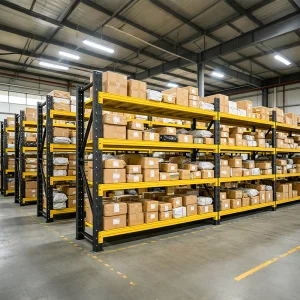
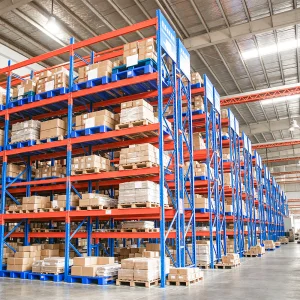
In modern industrial logistics, floor space is premium capital. The rapid global expansion of e-commerce, 3PL logistics, and high-frequency manufacturing requires scalable, safe, and dynamic warehousing designs. Standard static shelving has long evolved into highly technical, multi-dimensional adjustable storage rack systems. Adjustability allows warehouses to accommodate varying pallet dimensions, load profiles, and seasonal SKU shifts without rebuilding physical infrastructure.
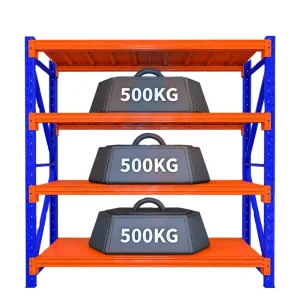
Selecting the right adjustable racking manufacturer involves analyzing cold-rolled steel tensile strengths, structural safety profiles, international code compliance (like the European Standard EN 15512 or US RMI code), and corrosion protection. Today, Top-tier manufacturing centers leverage high-automation punch-press and automated welding lines to assure structural integrity and load safety margins up to and exceeding 5,000 kg per level.
Maximizing Cubical Storage Density
Convert vertical space into efficient racking layers. Adjustable configurations increase storage capacity by up to 85% compared to basic ground stacking.
Dynamic Safety Compliance
Premium suppliers use finite element analysis (FEA) to simulate extreme weight and seismic conditions, mitigating racking collapse risks.
Flexible Integration with AGVs & AMRs
Engineered baseplates, beam connections, and guide rails match exact requirements for automated picking vehicles.
Global Manufacturer Benchmarks & Critical Selection Criteria
When selecting a supplier from the top 10 adjustable racking providers, key industrial metrics distinguish basic ironworks from premium engineering companies.
High-Tensile Raw Materials
Top-tier racking structures rely on Q355B or certified S355 structural steel with strict yield strengths. Low-grade suppliers often utilize uncertified Q235 steel, lowering load capacity under continuous cyclic weight stress.
Strict Tolerance Machining
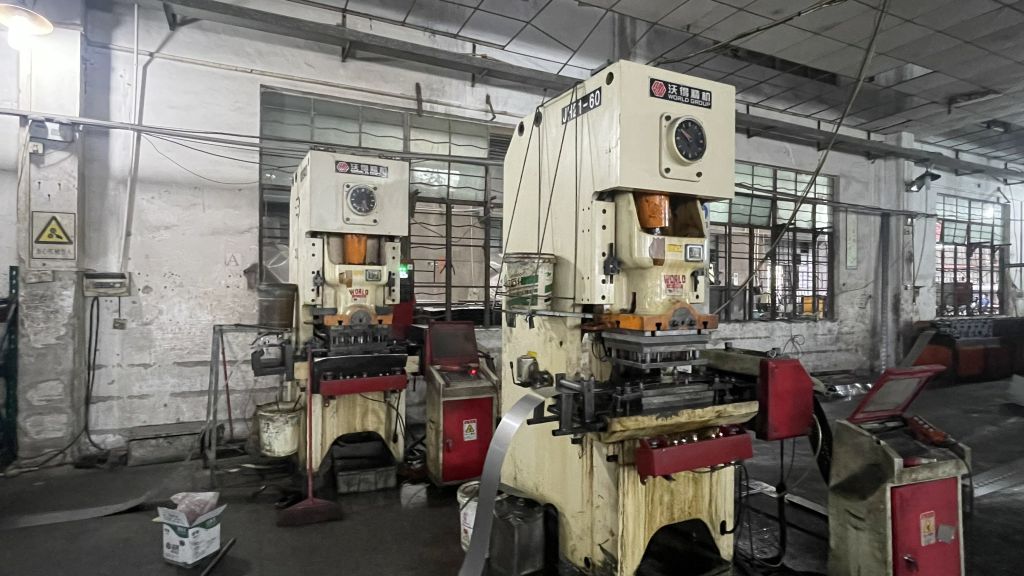
Using progressive stamping dies and CNC punching machines guarantees pitch hole distances align within 0.1mm. High precision ensures beam locking connectors snap flush, avoiding structural play and twist.
Dynamic Seismic Calculations
Leading manufacturers compute localization profiles utilizing ASCE 7/RMI codes for North American installations and Eurocode 8 for European logistics setups. This guarantees performance under seismic excitation.
Racking Variant
Primary Load Limits
Ideal Application Scenario
Adjustability Pitch
Corrosion Protection
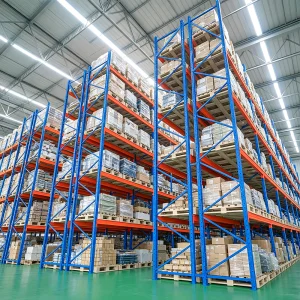
Heavy-Duty Selective Pallet Racking
1,000kg - 5,000kg / Level
High-throughput dynamic distribution centers
50mm, 75mm, 76.2mm
Epoxy Powder Coated (60-80μm)
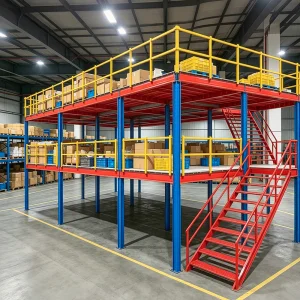
Warehouse Platform Mezzanines
300kg - 1,500kg / m²
Multi-tier parts storage & e-commerce pack stations
Established in 2015, Shenzhen Kimsuk Storage Equipment Manufacturing Co., Ltd. is a leading industrial warehouse storage systems manufacturer headquartered in Shenzhen, China. Operating from a modern 38,000 m² production facility, we specialize in high-density pallet racking, mezzanine systems, and customized logistics storage solutions for global enterprises.
With over 11 years of deep industry expertise and 8 years of direct international trade experience, Kimsuk generates over $22 million in annual export sales. Our primary overseas markets cover North America, Western Europe, Southeast Asia, and the Middle East, serving heavy-duty distributors, logistics hubs, e-commerce fulfillment centers, and industrial manufacturing plants.
Quality and safety are at the core of our manufacturing philosophy. Backed by 35 dedicated full-time QC specialists, we execute rigorous quality control protocols across all production phases—including spectral raw material testing, ultrasonic weld inspection, dynamic load capacity testing, and automated powder-coating durability checks.
Driven by strong innovation, our internal R&D team consists of 18 experienced structural engineers. Last year alone, we successfully launched 45 new optimized racking designs. We offer extensive OEM/ODM customization options, including tailored load capacities, specific column profiles, seismic-resistant structures, and custom anti-corrosion surface treatments. Supported by an integrated network of over 850 reliable supply chain partners, Shenzhen Kimsuk delivers high-performance, cost-effective warehouse storage systems engineered to maximize your space utilization.
38k m²
Production Plant
$22M+
Export Sales
35 QC
Specialists
18 Eng.
R&D Team
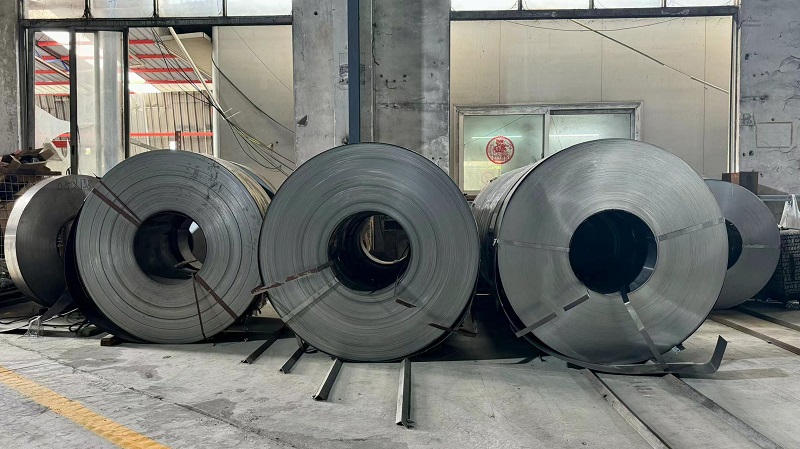
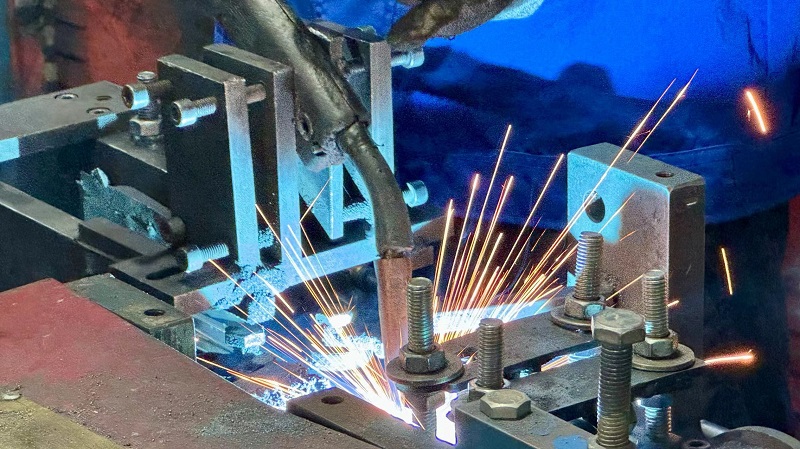
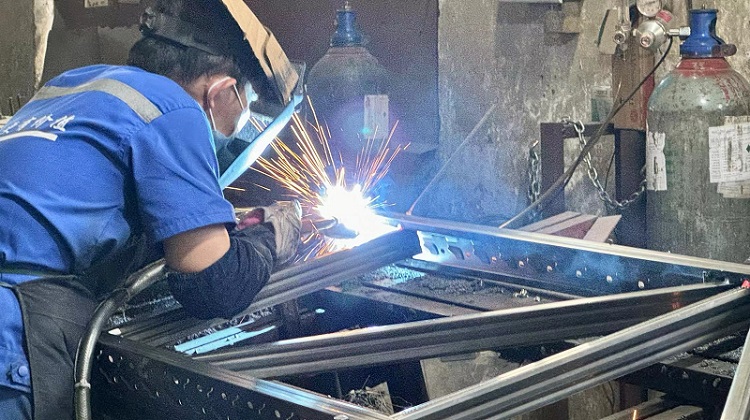
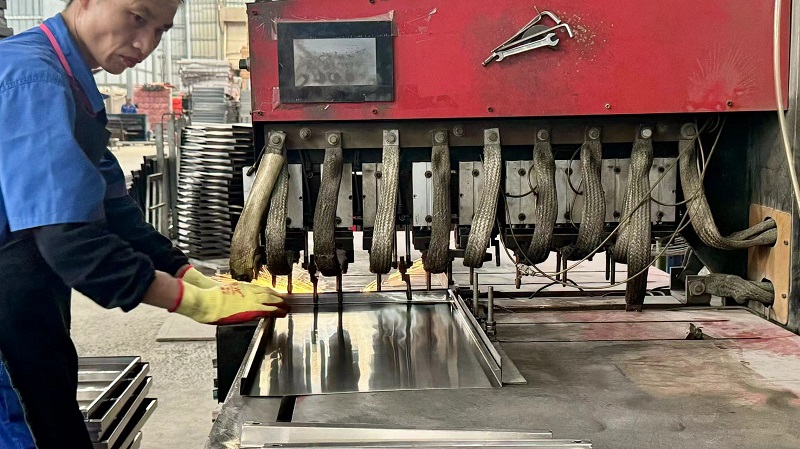
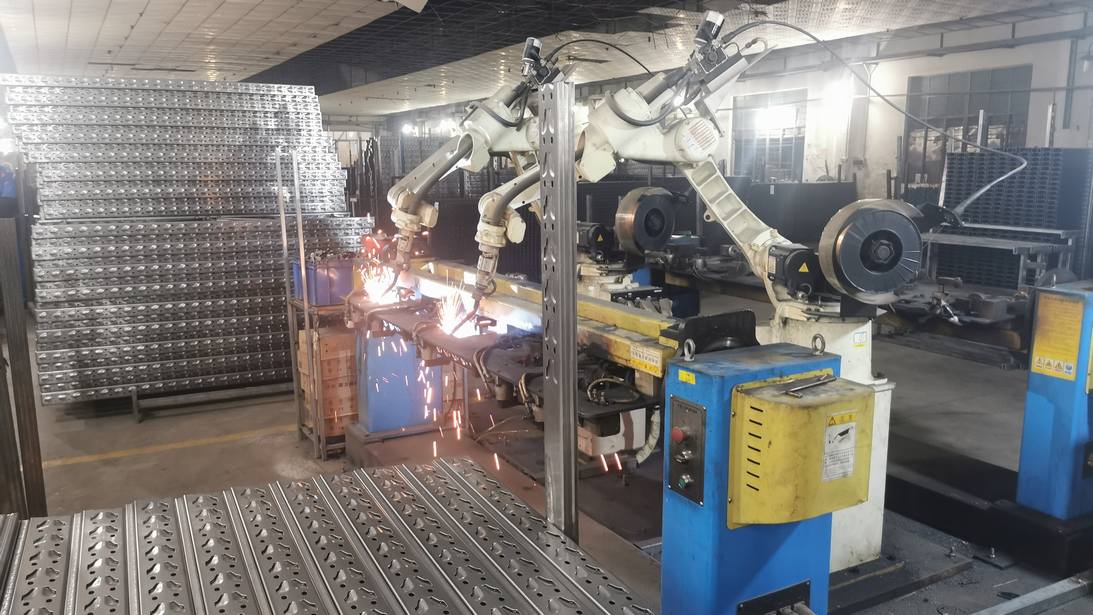
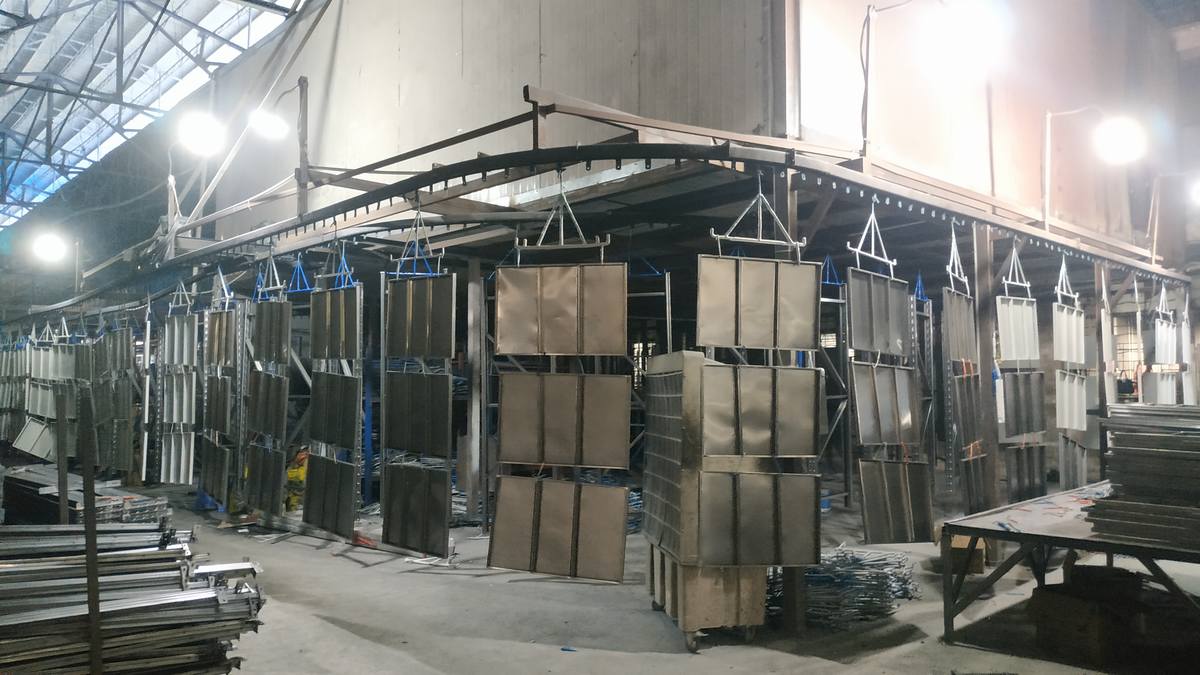
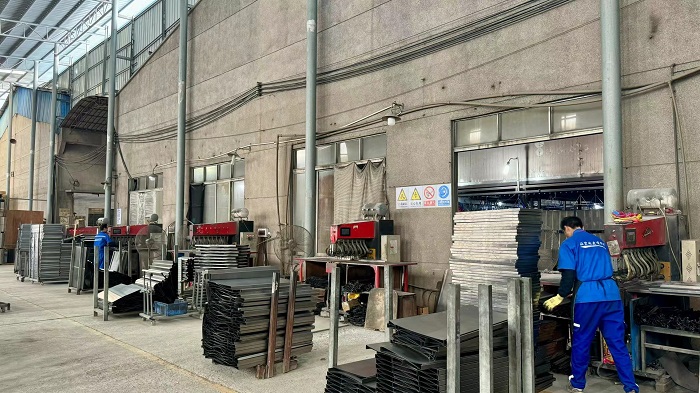
Advanced Production Line & Industrial Operations Tour
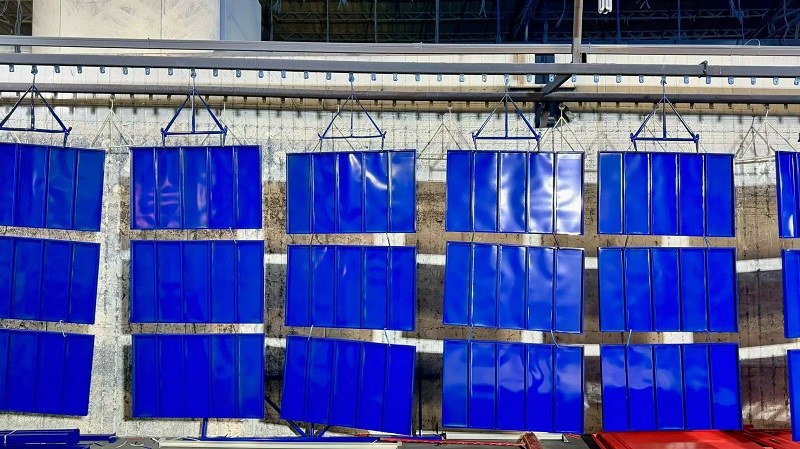
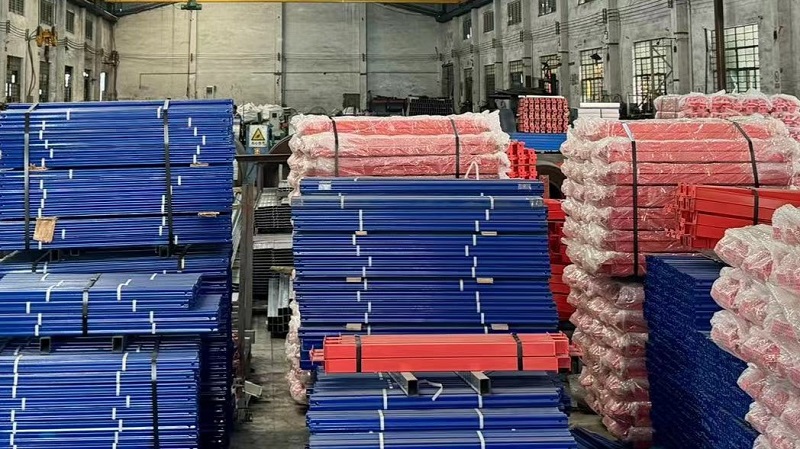
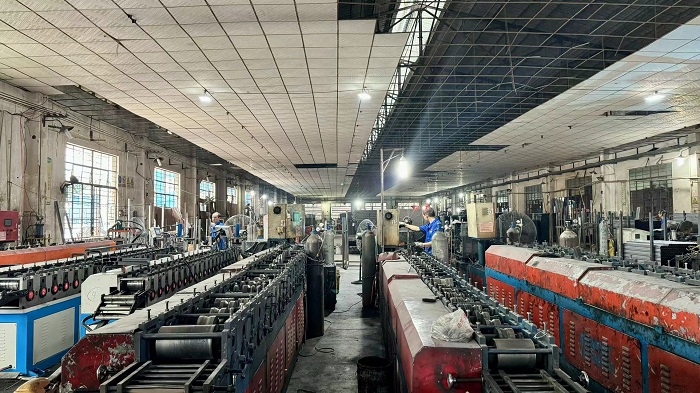
Shenzhen Kimsuk integrates precision manufacturing machines to turn raw steel coils into structured, dynamic, high-capacity adjustable storage racks.
Industrial warehousing is not one-size-fits-all. Environmental and regional policies require localized adaptation of structural racking systems. For instance, in seismic zones across North America (like California and Western Canada) and parts of Europe, racks must feature thick, oversized baseplates and heavy anchor bolts to prevent tipping or structure collapse during earthquakes. In contrast, in humid environments like Southeast Asia, regional suppliers emphasize high-micron hot-dip galvanization to stop moisture and rust from weakening structural steel from the inside out.
Shenzhen Kimsuk addresses these regional challenges through detailed localization engineering. Every shipment to North America matches ANSI/RMI MH16.1 storage rack criteria. Similarly, products bound for Western Europe are manufactured to European standard EN 15512. The R&D team runs structural simulations adjusted to the specific ZIP/postal code of installation to verify wind and seismic resistance, ensuring long-term insurance compliance and personnel safety.
"Ensuring structural compliance goes beyond steel thickness. True structural load ratings require specialized connector designs, bolt patterns, and steel grades configured directly to local temperature variations and geo-seismic reports."
Chinese Factory Supply Chain Resilience & Cost Advantages
China remains the world's most robust manufacturing ecosystem for high-volume structural steel racking. This resilience is anchored in close proximity to massive steel manufacturing hubs and integrated production supply chains. Shenzhen, as a key logistics corridor, provides access to deep-water shipping lanes and advanced metal surface processing partners. This localization helps fabricators secure prime raw materials without dealing with high intermediate logistics and import costs.
This deep supply chain integration allows Shenzhen Kimsuk to bypass volatile pricing spikes and long lead times common in regional European and North American steel mills. Leveraging over 850 reliable local supply chain partners, we can source specialty carbon steel formulations, custom fasteners, and non-standard tooling rapidly. Consequently, we reduce production turnaround times by up to 30% compared to local regional manufacturers outside China.
The racking industry is moving fast toward smart, automated, and sustainable systems. The future of warehousing centers on the integration of automated guided vehicles (AGVs) and autonomous mobile robots (AMRs). Racking structures must now be engineered with tighter tolerances to match the pathing systems of laser-guided forklift vehicles. Traditional static structures are shifting toward automated shuttle storage racks and AS/RS (Automated Storage and Retrieval Systems).
Shenzhen Kimsuk's technological roadmap integrates smart technologies to improve inventory flow. Our future systems include built-in load sensor nodes and real-time stress strain gauges. These IoT elements detect structural overloading or micro-deflections before they present safety hazards. By utilizing high-strength, low-carbon recycled steel alloys and environmentally friendly solvent-free powder coatings, we help distribution hubs lower their scope-3 environmental footprint without sacrificing load capacity.
Expert Structural & Racking Architecture FAQ
Deep engineering questions and regulatory topics answered by Shenzhen Kimsuk's senior structural technicians.
Q1: What structural differences separate Q235 and Q355B steel in racking frames?
Q235 steel features a minimum yield strength of 235 MPa, while Q355B (equivalent to ASTM A572 Grade 50) delivers a yield strength of 355 MPa. The higher load limit of Q355B steel allows manufacturers to produce thinner, lighter upright columns and beams that support identical or greater loading limits without increasing dead weight. This makes it the preferred material for heavy-duty selective and cantilever systems.
Q2: How do you verify load capacities for custom mezzanine floor designs?
Every customized mezzanine floor platform undergoes finite element analysis (FEA) to calculate dead load, live load, and dynamic vehicle loads (like manual hand pallet trucks or picking carts). Safety margins are designed according to BS EN 1993 steel structures standards, maintaining structural deflection rates under L/250 (deflection length limited to 1/250th of the span length) to guarantee stability under load.
Q3: Why is teardrop style pitch and European hex-pattern punch distance so important?
Pitch distance and punch geometry determine compatibility and safety lock options. Teardrop style connections are the standard across North America, utilizing a 2-inch or 50.8mm pitch. Conversely, the European standard utilizes 50mm, 75mm, or 76.2mm metric hex-pattern spacing. Opting for the correct standardized pitch simplifies modifications and component replacement when integrating components from different racking vendors.
Q4: What is the optimal powder coating thickness for industrial shelf systems?
Standard warehouse storage applications require an electrostatic powder coating thickness between 60 to 80 microns (μm). This provides reliable protection against impact, scraping from pallet forks, and light chemical exposure. For high-humidity environments or cold food storage facilities, we recommend pre-galvanization or specialized dual-coat epoxy treatments to prevent micro-fissure oxidation.
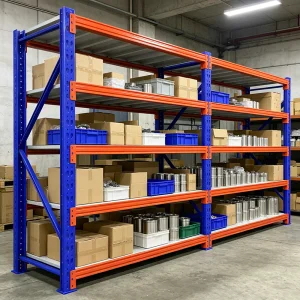
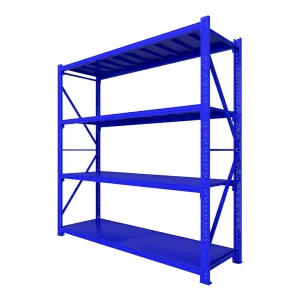
Industrial Grade Racking & Heavy-Duty Components
Built with high structural integrity and strict dimensional tolerances to meet global warehousing safety benchmarks.
 Kimsuk Rack