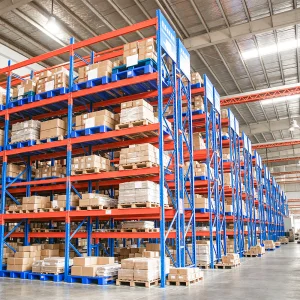
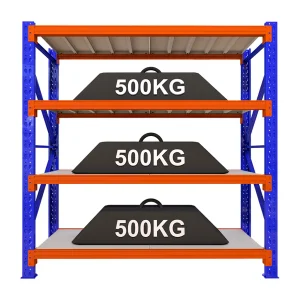
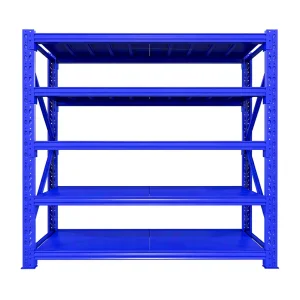
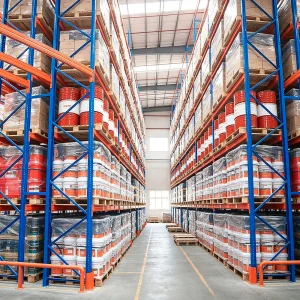
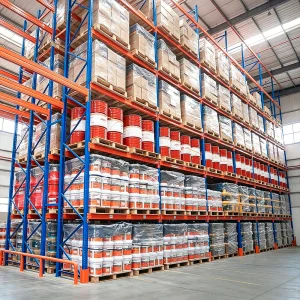
Engineered for high load capacities, durability, and seamless spatial optimization.
Architecting the future of logistics via high-density robotic warehousing systems.
In modern industrial logistics, static floor-space utilization is no longer viable for high-throughput supply chains. As global supply corridors compress, enterprises are compelled to transition from conventional selective layouts to dynamic, automated, high-density storage platforms. Among these, the 4-way shuttle AS/RS (Automated Storage and Retrieval System) represents a critical technological milestone.
Unlike traditional stacker crane configurations or standard 2-way shuttle designs that operate purely on a linear, single-lane pathway, a 4-way pallet shuttle system can navigate along both longitudinal (depth direction) and transverse (width direction) tracks. This bidirectional agility enables direct product access across multiple aisles, eliminating dead spaces, optimizing crane configurations, and increasing overall storage density by up to 80% compared to traditional warehousing setups.
4-way shuttles travel seamlessly across X and Y axes in a single rack tier. By integrating vertical lift elevators, they form a fully flexible 3D transport mesh, optimizing inventory flow and maximizing vertical headroom.
Should a stacker crane fail, an entire aisle is immobilized. By contrast, a 4-way shuttle fleet operates on a distributed layout. If a single unit requires maintenance, other shuttles dynamically reroute to fulfill retrieval tasks.
System designers can scale the system layout incrementally. Enterprises can start with a modest fleet of shuttles and scale up by adding units to the same racking grid as throughput demand increases.
Addressing the complex demands of modern supply chains, manufacturing, and distribution hubs.
For international supply chain managers, third-party logistics (3PL) providers, and industrial manufacturers, acquiring a 4-way shuttle system requires matching precise technical inputs with local operational realities. Globally, high-density warehousing projects face three major pain points:
The core structural design demands close cooperation between racking manufacturers and system integrators. The racking is no longer a passive steel structure; it becomes an active machine frame. Structural precision must be within ±1.5mm tolerance across the grid. Small deviations can derail shuttles or cause positioning failures. Consequently, buying from a certified OEM manufacturer is essential to ensure long-term system stability.
Engineering limits and hardware tolerances designed for 4-way shuttle environments.
| Parameter / Specification | Standard Industrial Range | Kimsuk Custom OEM Capacity |
|---|---|---|
| Load Capacity Per Pallet | 500 kg – 1200 kg | Up to 1500 kg (Reinforced configurations available) |
| Operating Environment Temp | 0°C to +40°C | -25°C (Cold storage) to +45°C (Standard industrial) |
| Max Shuttle Speed (Laden) | 1.0 – 1.2 m/s | 1.2 m/s – 1.5 m/s |
| Shuttle Speed (Unladen) | 1.2 – 1.5 m/s | Up to 2.0 m/s |
| Battery Technology | Lead-acid / Lithium standard | High-rate LiFePO4 / Supercapacitor (Rapid charging) |
| Structural Deflection Limits | L/300 to L/400 | Strict compliance to FEM 10.2.02 (L/500 or tighter) |
| Surface Coating | Standard powder coat | Anti-corrosion, electrostatic, wear-resistant coating |
How different industrial verticals leverage custom 4-way shuttle architectures for growth.
By optimizing internal volumetric efficiency, businesses reduce the energy required to cool dead spaces. Custom shuttle materials are designed to resist thermal shock, preventing structural condensation and preserving cargo integrity.
Automobile manufacturers deal with heavy components, high SKU diversity, and Just-In-Time (JIT) delivery. Shuttle systems integrate directly with production line feeders, streamlining manufacturing workflows.
Strict batch tracking, expiry date compliance, and temperature protection are critical. WMS software integrations enable FIFO execution, ensuring full tracing controls and inventory security.
Your Trusted Global OEM Partner for Industrial Racking & High-Density Storage Systems.
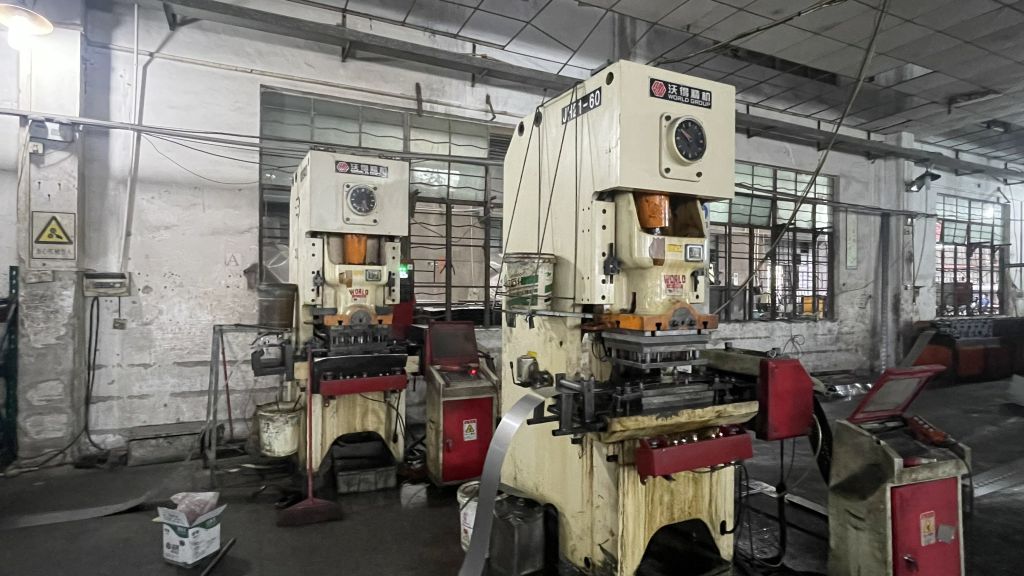
Established in 2015, Shenzhen Kimsuk Storage Equipment Manufacturing Co., Ltd. is a leading industrial warehouse storage systems manufacturer headquartered in Shenzhen, China. Operating from a modern 38,000 m² production facility, we specialize in high-density pallet racking, mezzanine systems, and customized logistics storage solutions for global enterprises.
With over 11 years of deep industry expertise and 8 years of direct international trade experience, Kimsuk generates over $22 million in annual export sales. Our primary overseas markets cover North America, Western Europe, Southeast Asia, and the Middle East, serving heavy-duty distributors, logistics hubs, e-commerce fulfillment centers, and industrial manufacturing plants.
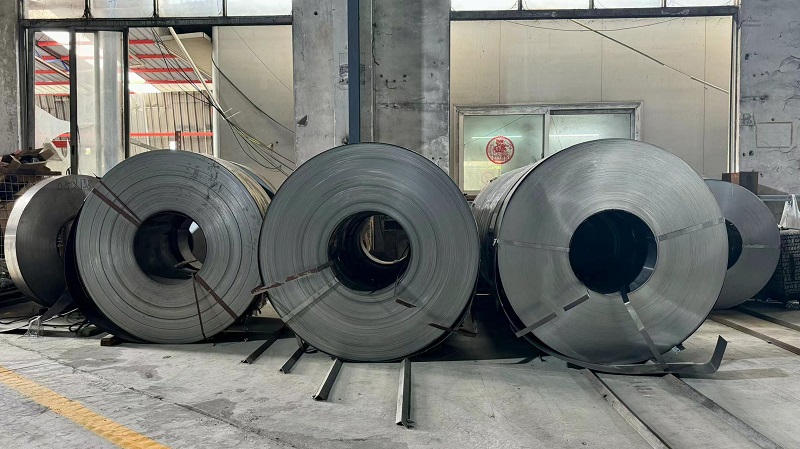
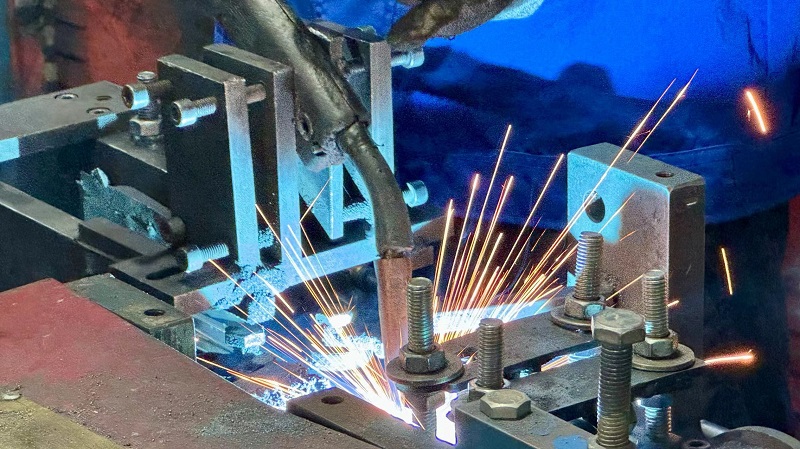
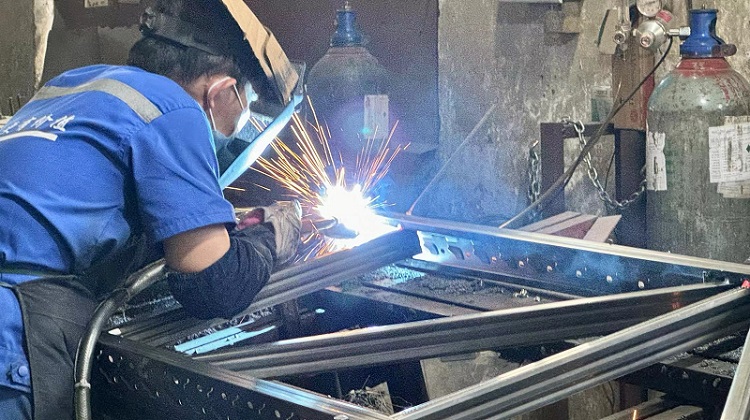
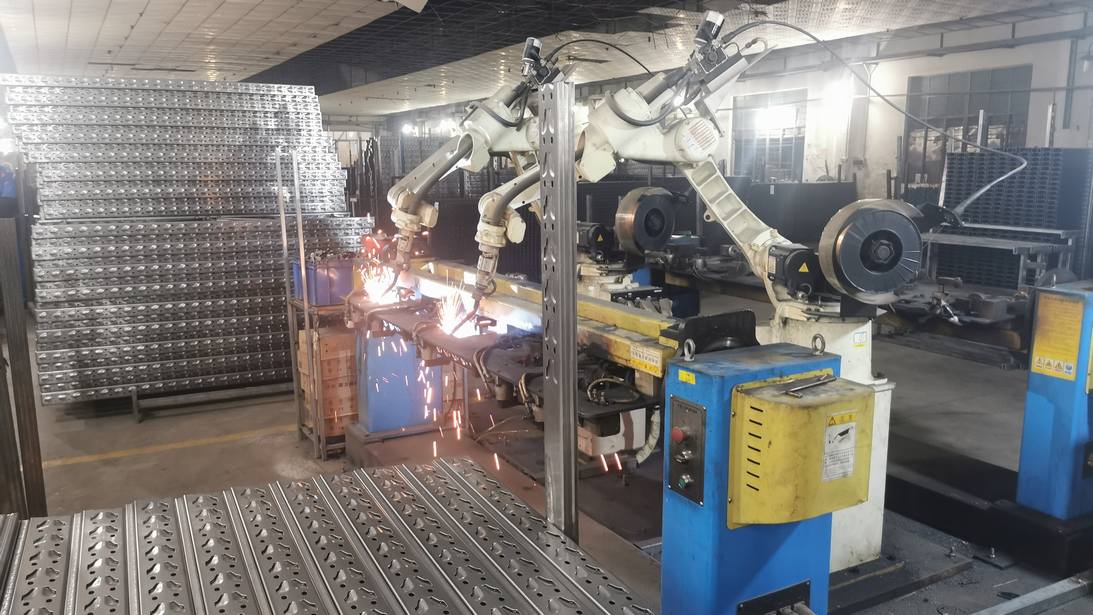
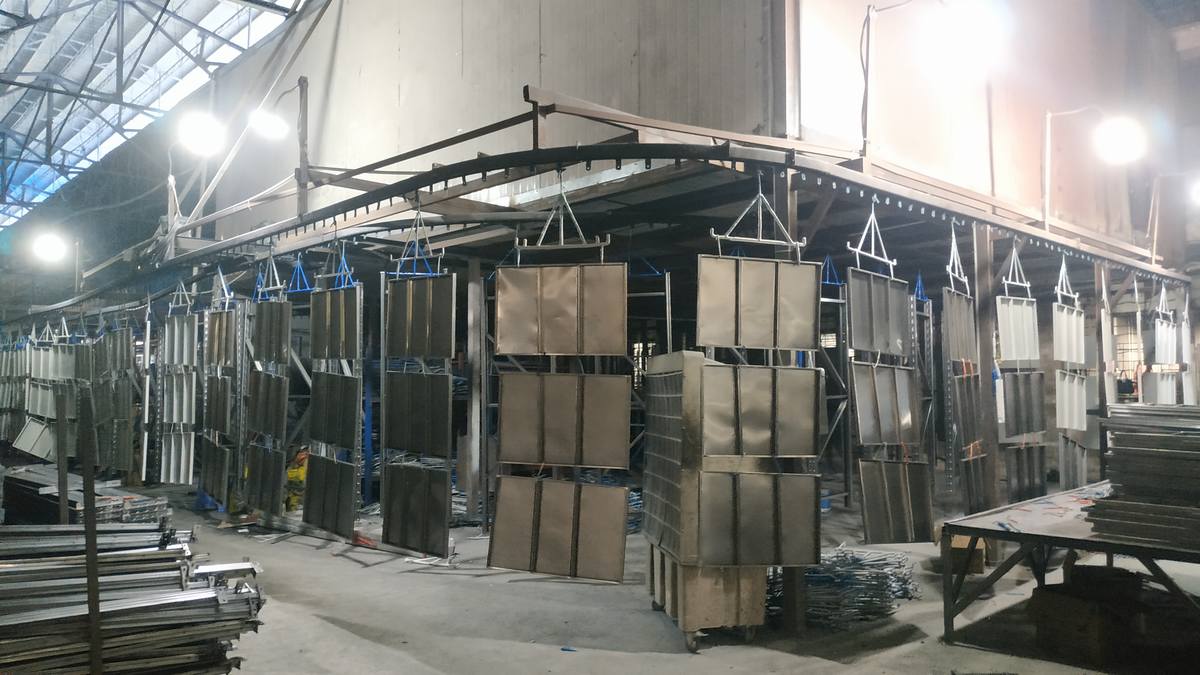
Quality and safety are at the core of our manufacturing philosophy. Backed by 35 dedicated full-time QC specialists, we execute rigorous quality control protocols across all production phases—including spectral raw material testing, ultrasonic weld inspection, dynamic load capacity testing, and automated powder-coating durability checks.
Driven by strong innovation, our internal R&D team consists of 18 experienced structural engineers. Last year alone, we successfully launched 45 new optimized racking designs. We offer extensive OEM/ODM customization options, including tailored load capacities, specific column profiles, seismic-resistant structures, and custom anti-corrosion surface treatments. Supported by an integrated network of over 850 reliable supply chain partners, Shenzhen Kimsuk delivers high-performance, cost-effective warehouse storage systems engineered to maximize your space utilization.
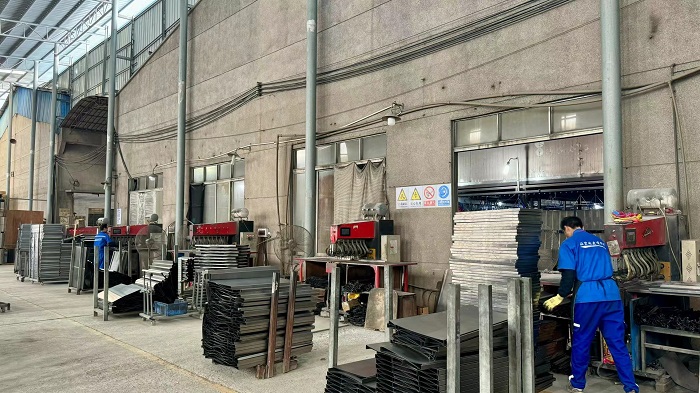
Precision-controlled steps guaranteeing structural alignment and long-term durability.
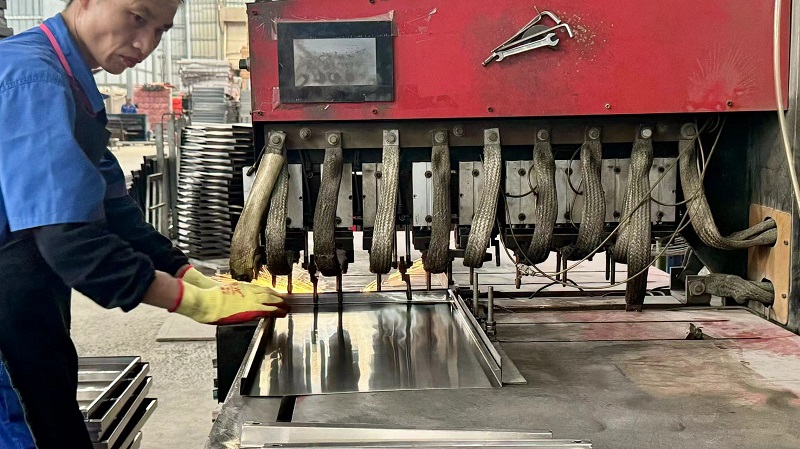
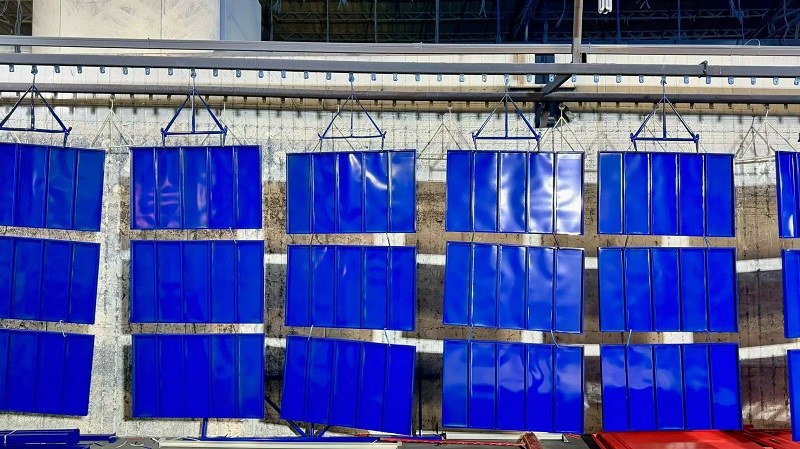
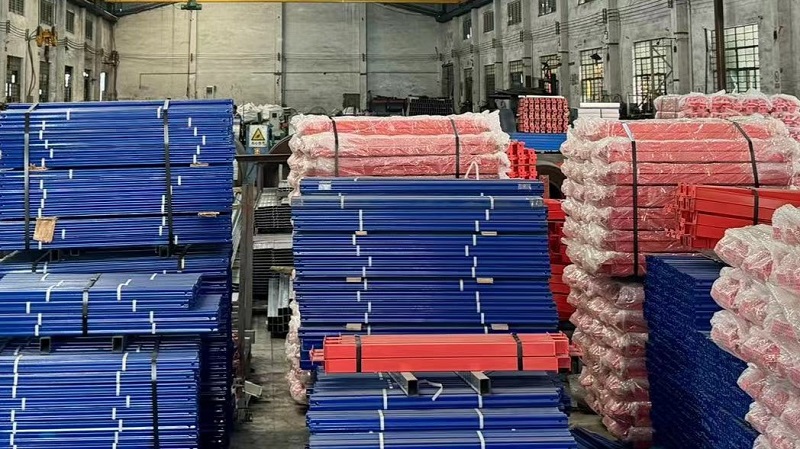
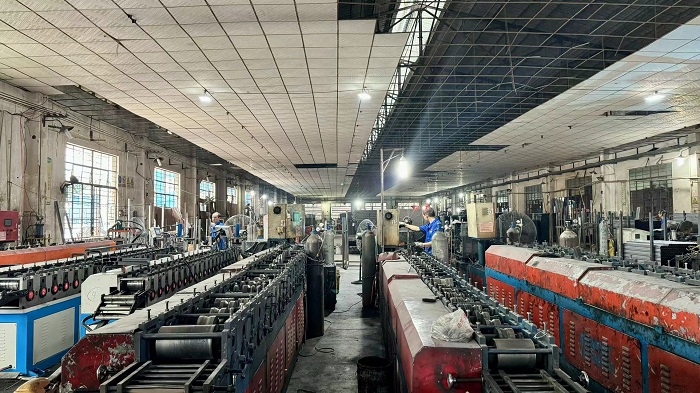
Pioneering advancements in autonomous warehouse intelligence and system longevity.
The automated storage industry is evolving rapidly. To maintain competitive efficiency, our technical roadmap targets several emerging developments:
By integrating machine learning models with WCS (Warehouse Control System) platforms, shuttle fleets can predict high-frequency stock demands and pre-arrange inventory placement. During quiet periods, shuttles relocate pallets closer to elevator pick-up bays, reducing peak retrieval times by up to 35%.
Future iterations of the 4-way shuttle will include dynamic vibration sensors, thermal imagers, and continuous mileage trackers. Real-time data transmission identifies wheel wear, motor fatigue, and track deviations before a physical malfunction occurs, eliminating unscheduled system downtime.
As sustainability regulations tighten, shuttles are adopting energy recovery braking systems. These systems capture kinetic energy during deceleration and store it in supercapacitor units, reducing overall energy consumption by up to 20% compared to legacy architectures.
Ensuring cross-border structural compliance, safety regulations, and local commissioning support.
Deploying automated hardware across different jurisdictions requires complying with strict local safety and structural standards. At Shenzhen Kimsuk, our engineering designs adhere to globally recognized codes, ensuring rapid installation approval and operational compliance:
Technical guidance and product insights from our expert engineering department.
Standard pallet racking only supports static loads and allows for wider installation tolerances. In contrast, 4-way shuttle racking features continuous guiding rails, high-precision connector joints, and specialized alignment supports. Tolerances must be strictly controlled within ±1.5mm to ensure the automated shuttles traverse levels smoothly without sensor tracking or alignment errors.
In environments colder than -25°C, standard lithium battery output drops significantly. We design our cold storage shuttles using heated LiFePO4 cells or supercapacitors. Additionally, we use Q355D structural steel, which is specifically treated to prevent low-temperature embrittlement and preserve structural toughness.
Yes. Our custom OEM/ODM process allows us to adjust rail spacing, track profiles, and frame depths to support various pallet configurations (including Euro-pallets, standard industrial, and custom sizes) within the same automated grid.
At Shenzhen Kimsuk, our team of 35 QC specialists inspects raw materials, monitors welds, and conducts load tests before dispatch. Racking components are wrapped in custom multi-layer protective packaging to shield them from moisture and corrosion during long ocean shipping transits.
High-quality industrial storage systems customized for global logistics and manufacturing networks.

 Kimsuk Rack