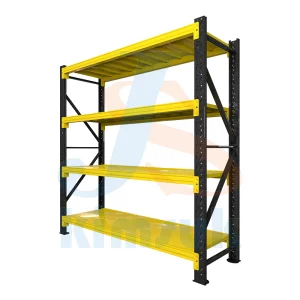
Whitepaper Level Industrial Brief

China Top Storage Solutions Factories & Supplier

Precision-engineered industrial pallet racking, heavy-duty mezzanine platforms, and automated logistics systems optimizing global supply chain capacity.

Global Intralogistics & Storage Industrial Status

An analytical breakdown of macro supply chains, storage footprints, and regional warehouse infrastructure adjustments.

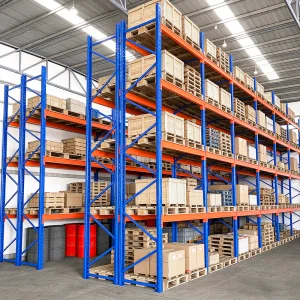
The landscape of global commerce is undergoing structural reorganization. E-commerce fulfillment, cold chain integration, dynamic distribution networks, and advanced automation dictate the design requirements of modern warehouses. As real estate costs surge, supply chain directors look for ways to maximize cubic volume rather than square footage. This has pushed industrial engineering toward high-density storage solutions, where standard pallet positions must interface with robotics and complex automated material handling equipment (AMHE).

In highly regulated markets like North America and the European Union, structural compliance is non-negotiable. Racking systems are no longer treated as simple steel shelving, but as load-bearing structural skeletons subject to seismic activity analysis, dynamic stress limits, and regional fire prevention directives. A storage failure can result in supply chain disruptions, huge financial liabilities, and safety hazards, making engineered, certified racking the global standard.

92%
Increase in Global High-Density Racking Demands
50% +
Cubic Space Optimization Using Structural Mezzanines
RMI
Adherence to Structural Engineering Standards
FEM
European Intralogistics Directive Integration
Manufacturer Profile

Shenzhen Kimsuk Storage Equipment Manufacturing Co., Ltd.

Established in 2015, Shenzhen Kimsuk Storage Equipment Manufacturing Co., Ltd. has positioned itself as an elite industrial warehouse storage systems manufacturer headquartered in Shenzhen, China. From our state-of-the-art 38,000 m² manufacturing base, we design and produce heavy-duty pallet racking, custom structural steel mezzanine platforms, and dynamic logistics solutions tailored to global industrial demands.

Leveraging 11+ years of intralogistics technology expertise and 8+ years of direct international trade experience, Kimsuk generates over $22 million in annual export sales. Our global client portfolio spans North America, Western Europe, Southeast Asia, and the Middle East, supporting manufacturing plants, logistics hubs, e-commerce networks, and industrial distributors.

Innovation is key to our engineering capacity. Our R&D division consists of 18 structural engineers who design tailored structures for complex applications. In the last fiscal year alone, we introduced 45 optimized racking configurations. Supported by an extensive supply chain ecosystem of 850+ trusted partners, we deliver custom industrial warehouse systems that balance safety, structural performance, and space efficiency.

38k m²
Production Facility
11+ Yrs
Industry Experience
$22M
Annual Export Sales
35 QC
Full-time Inspectors

Rigorous Technical Testing Standards

Our operations are governed by quality controls, staffed by 35 full-time QC specialists executing raw material spectral analyses, ultrasonic weld tests, dynamic cyclic loading trials, and ASTM-compliant powder-coat adhesion assessments.

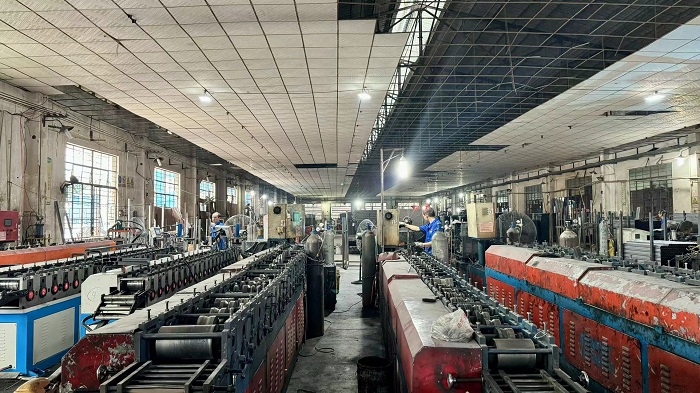
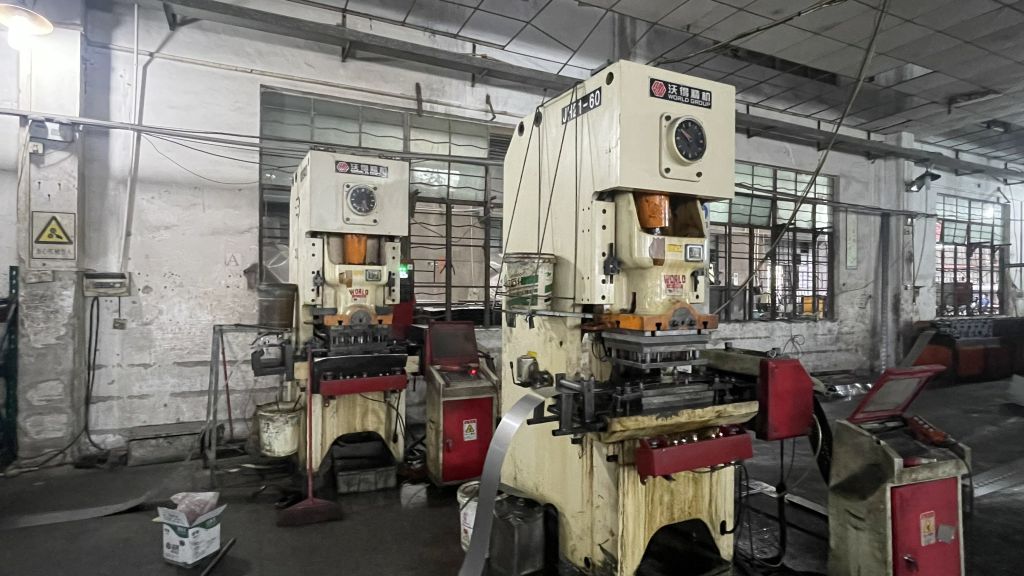
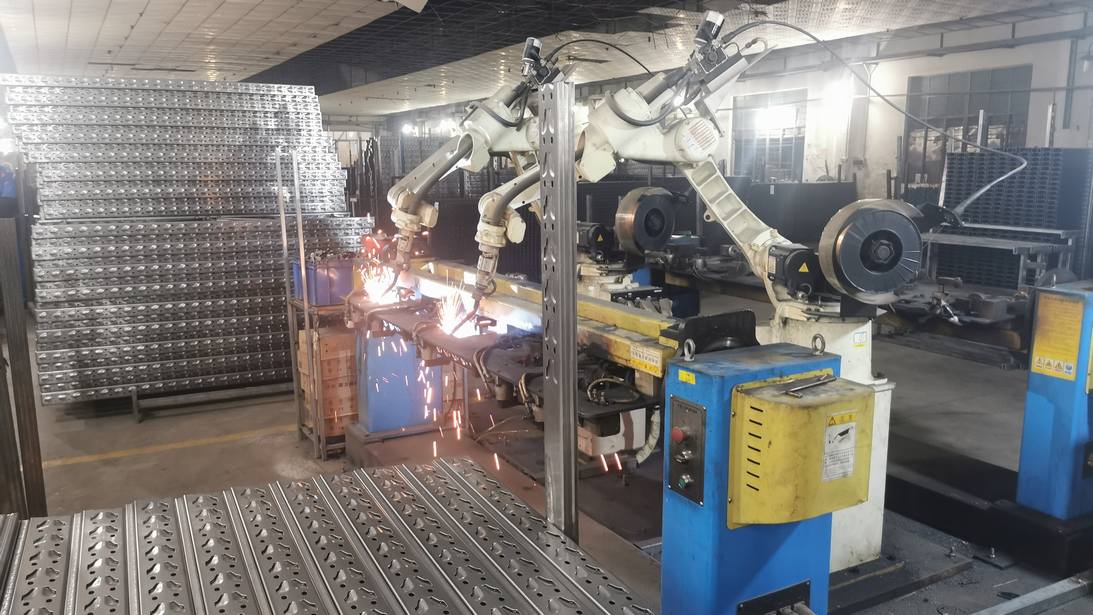
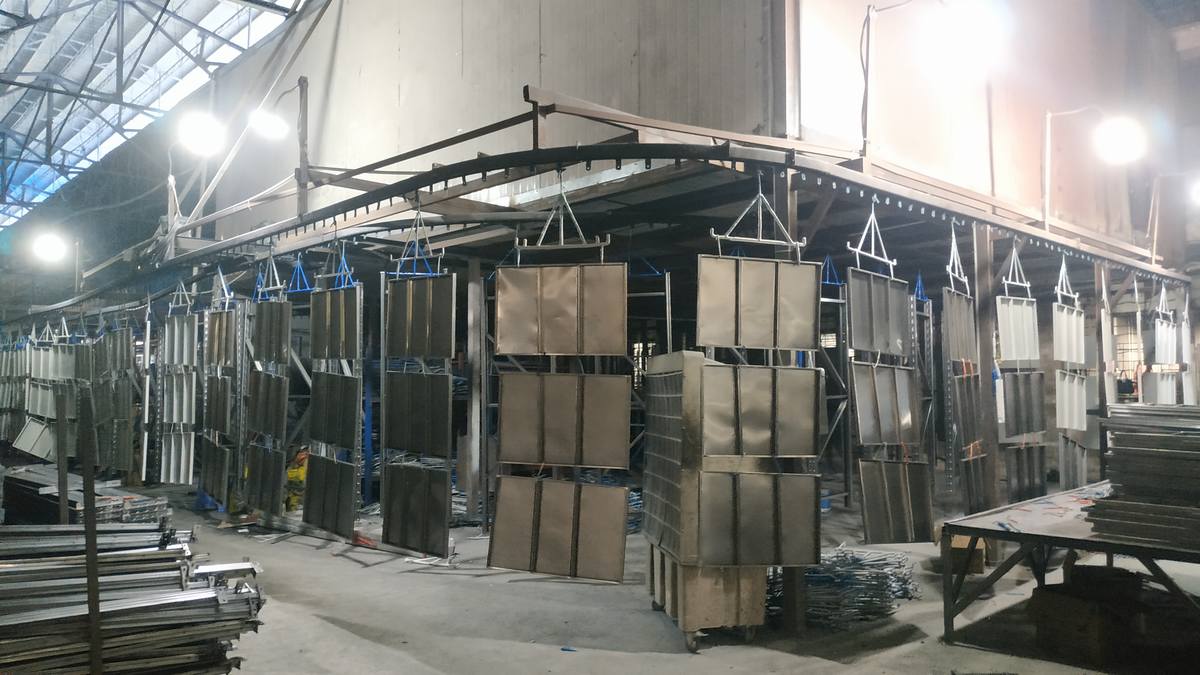
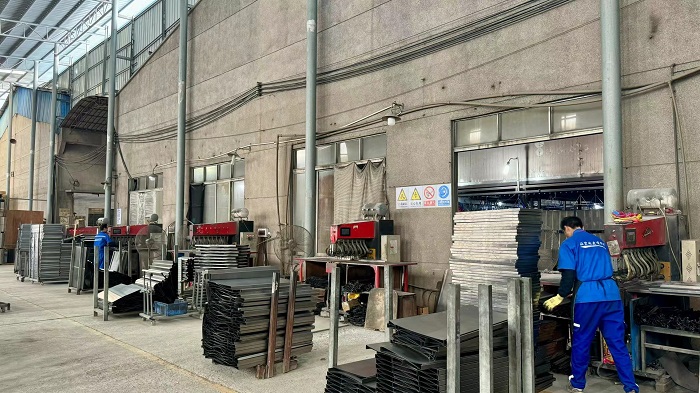
Advanced Industrial Production Flow & Machinery

A detailed look at the stages of raw steel processing, automated machining, and structural quality control.
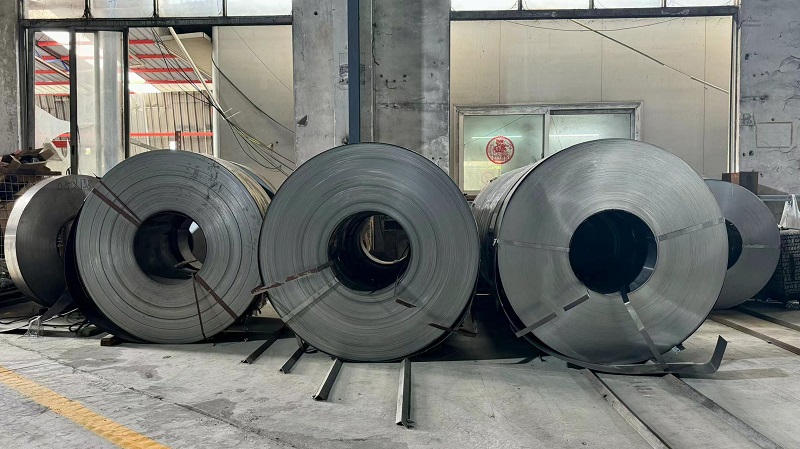
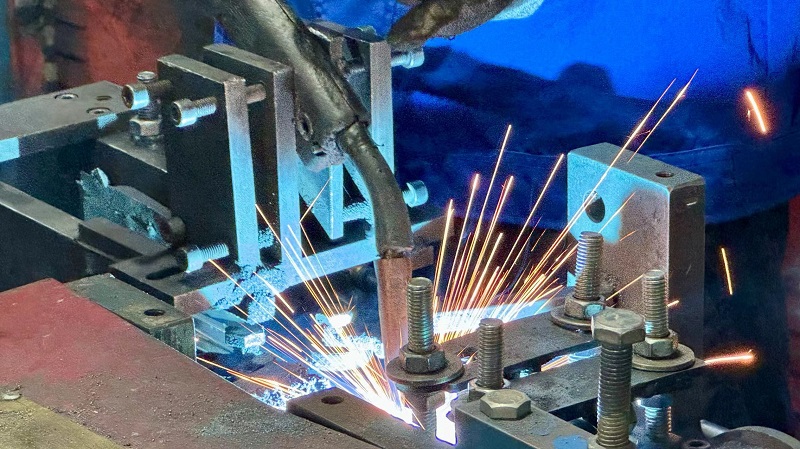
Six-Stage Engineering & Fabrication Process

Raw Materials
1. Raw Materials Inspection
Stamping Molding
2. Roll Forming & Stamping Molding
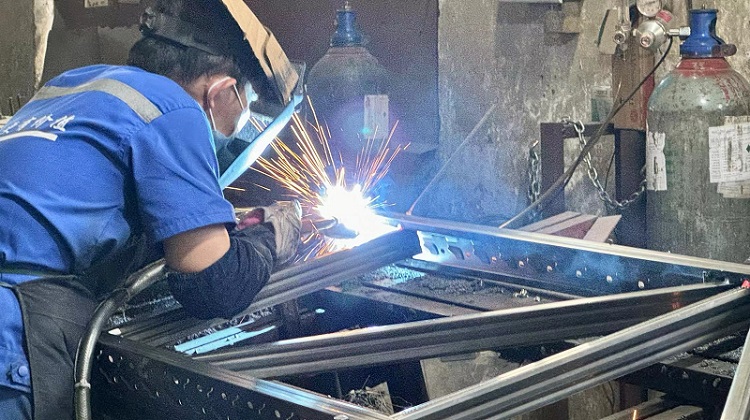
Welding
3. Certified Precision Welding
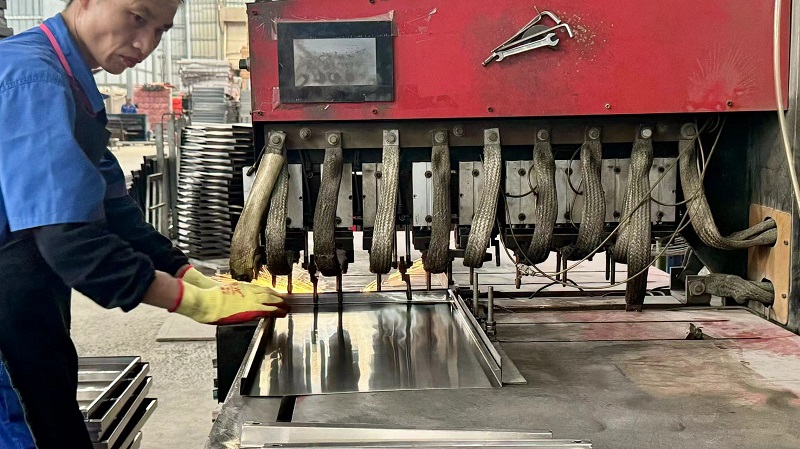
Punching
4. High-Precision Punching
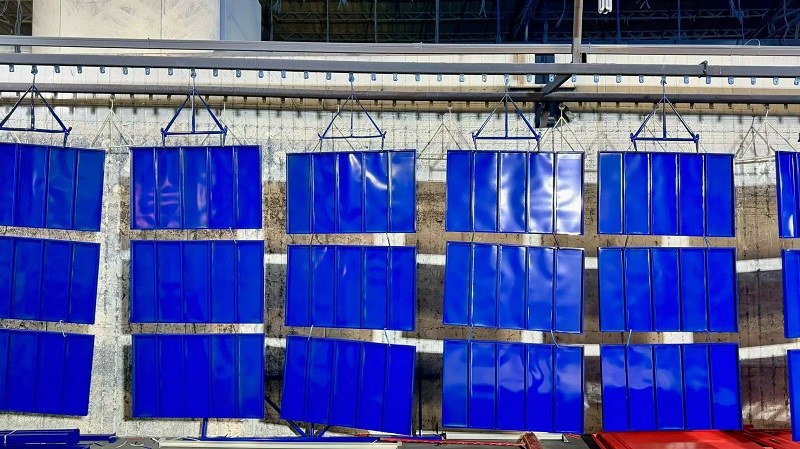
Painting
5. Automated Powder Coating & Painting
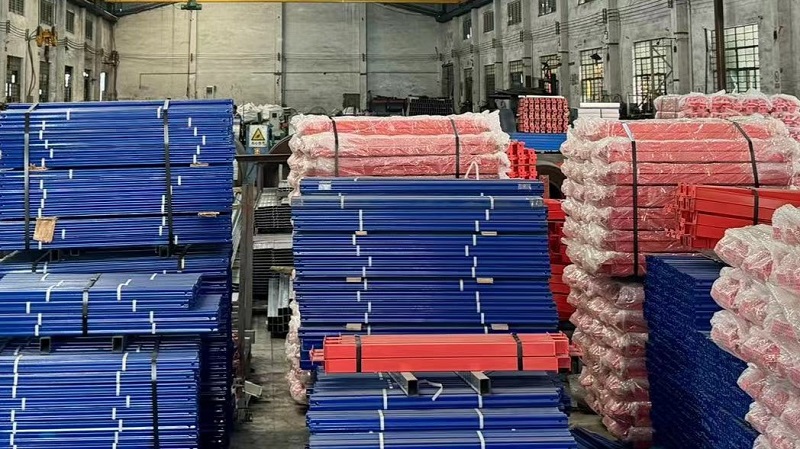
Packaging
6. Secure Export Packaging & Loading

Industrial Manufacturing Machinery Portfolio

Stamping Molding Machine
Piercer Machine
Piercer Machine
Welding Machine
Welding Machine
Painting Line
Electrostatic Painting Line
Punching machine
CNC Punching Machine

Technological Design Roadmap & OEM/ODM Engineering

How our team translates raw project parameters into certified, structurally optimized logistics installations.

Industrial structural safety depends on proper design metrics. When custom engineering racks for a global site, the team evaluates localized criteria, including:

  • Dead Load & Live Load Profiles: Static pallet weights combined with dynamic operations forces.
  • Seismic Load Criteria: Ground acceleration risk profiles following ASCE 7 / IBC standards.
  • Wind Forces: Crucial for Rack-Supported Warehouses and outdoor cantilever setups.
  • MHE Compatibility: Integrating clearance metrics to suit Reach Trucks, VNA, or AGV forklifts.

We analyze these configurations using finite element analysis (FEA) software. Our design process runs simulation profiles evaluating load-deflection metrics under varying factors to ensure the optimal steel gauge and profile geometry are used for every project.

Phase 1: Facility Modeling & Site Assessment
Analysis of slab structural limits, column grid configurations, height profiles, and egress layouts.
Phase 2: CAD Design & Load Optimization
Calculating optimal rack spacing, vertical pitch, structural upright design, and load-beam profiles.
Phase 3: Material Customization (OEM/ODM)
Selecting specific steel grades (e.g., Q235B, Q355B), specialized coatings for cold environments, and customized anti-corrosion treatments.
Phase 4: Finite Element Analysis (FEA) Validation
Applying computerized stress tests to model potential structural deflection under seismic loads and dynamic operations.

Industrial Application Profiles

Sector-specific solutions designed for diverse storage challenges.

E-commerce & High-Throughput Fulfillment

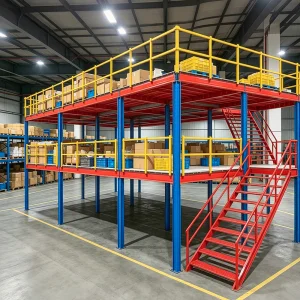
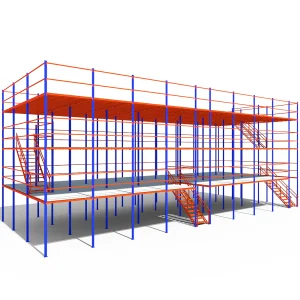
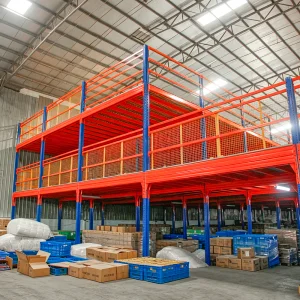
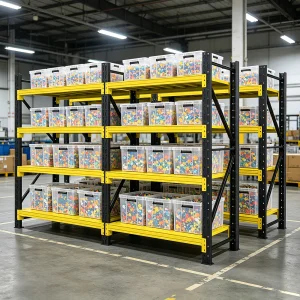
High-density multi-level mezzanine systems designed to maximize vertical sorting zones. Integration of integrated shelving configurations, dynamic gravity flow lanes, and dedicated pick-pack levels to streamline high-throughput intralogistics.

Heavy Industrial Manufacturing

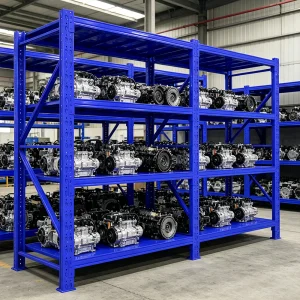
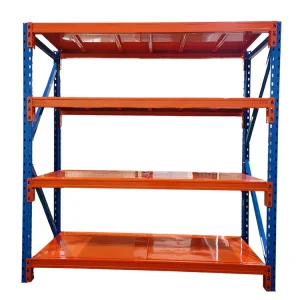
Heavy-duty roll-formed pallet racking and custom cantilever rack configurations designed for heavy machinery, raw metal plates, and structural components. High payload configurations supporting up to 5,000 kg per beam level.

Cold Storage & Fresh Logistics

Racking configurations optimized for sub-zero settings (down to -30°C). Utilizing structural steel profiles and specialized anti-corrosion, low-temperature resistant powder coatings to ensure integrity under severe thermal shifts.

Technical & Procurement FAQ

Answers to common structural engineering, procurement compliance, and installation questions.

1. How do you calculate the loading capacity of your heavy-duty pallet racking systems?
Loading capacity is determined by structural engineering calculations following RMI and EN standards. Upright frames are engineered to support total vertical loading under dynamic conditions, while box-beam profiles are selected to limit maximum deflection to L/240 (or L/300 for high-precision operations) of the span under full load. Every system is supplied with a structural calculations document.
2. Which structural steel grades do you use for manufacturing industrial storage systems?
We use high-grade structural carbon steel, primarily Q235B and Q355B (equivalent to ASTM A36 and ASTM A572 Grade 50). These materials offer excellent tensile strength, elongation properties, and weldability, ensuring reliability under extreme load distributions.
3. Can you manufacture custom seismic-resistant racking systems?
Yes. Our structural design team uses FEA software to configure racking to meet localized seismic codes. Adjustments include reinforced upright profiles, wider baseplates, heavy-duty anchor bolt connections, and custom back-to-back bracing configurations to withstand dynamic ground movement.
4. What is the typical lead time for a large-scale custom storage solution?
Standard production runs for customized systems take between 20 to 35 days from technical drawing sign-off. This timeline allows for precision roll forming, automated welding, multi-stage cleaning, electrostatic powder coating, and robust packaging to protect against transit wear.
5. How does Shenzhen Kimsuk handle quality control for international orders?
Our QA protocol involves 35 QC specialists monitoring production across multiple control points. We conduct raw material spectral analysis, ultrasonic weld testing to verify joint integrity, paint thickness tests, and regular load testing to ensure all parts match the approved engineering models.
6. What surface finishing treatments do you offer for harsh or cold environments?
For standard warehouses, we apply an electrostatic powder coating cured at high temperatures to provide impact and scratch resistance. For humid, outdoor, or sub-zero environments, we offer hot-dip galvanized finishes or specialized epoxy-based coatings to prevent rust and corrosion.
7. Are Kimsuk's storage systems compatible with Automated Storage and Retrieval Systems (AS/RS)?
Yes. Our high-precision manufacturing allows us to hold the tight tolerances required for AS/RS and AGV integration. We minimize structural deflection and pitch variation to ensure robot sensors and shuttles operate smoothly throughout the racking grid.
8. What support is provided for international shipping and logistics?
Our team handles packing, container loading optimization, and documentation for export. We utilize heavy-duty wrapping, custom wood pallets, and secure steel banding to prevent shifts during sea transport, ensuring all components arrive undamaged at the job site.