Engineered to maximize overhead safety and increase localized floor space efficiency by up to 70%.



Analyzing mechanical configurations, structural dynamic calculation models, and space-saving ROI for modern distribution centers.
In modern industrial logistics and manufacturing, space efficiency and personnel safety represent critical bottlenecks. Traditional static warehouse racking systems, while functional for uniform goods on pallets, fail to handle heavy materials of varying shapes, sizes, and extreme weights. Long bars, tooling dies, steel plates, sheet metal, and industrial coils often present challenges that reduce floor efficiency and increase retrieval times. This white paper examines how retractable racks (specifically roll-out cantilever racks and roll-out heavy-duty drawer racks) optimize operations, reduce footprints by up to 70%, and provide reliable warehouse safety.
Definition: Retractable Racking System
A mechanical system utilizing nested slide rails, ball bearings, dynamic roll-out mechanisms, or motorized linear actuators. This design allows heavy shelving decks or cantilever arms to extend completely outward from the main rack frame, enabling vertical crane access for heavy loading and unloading.
The core structural advantage of retractable racking lies in its mechanical configuration. Unlike standard rack frames that require forklift mast clearance between aisles, retractable racks operate vertically. A standard roll-out drawer or rack arm uses heavy-duty steel bearings positioned along high-tensile steel tracks. The user can roll the rack level out into the aisle by hand-crank, manual pull, or electric motor, allowing an overhead crane to access the material directly.
Structural integrity depends on selecting high-grade steel. Chinese manufacturers like Shenzhen Kimsuk Storage Equipment Manufacturing Co., Ltd. construct heavy-duty frames with high-tensile hot-rolled profiles (typically Q235B and Q355B structural steel, conforming to ASTM A36 and A572 equivalent specifications). The load capacity is calculated based on dynamic forces, factoring in cantilever deflection ratios under fully extended conditions. Design limits are tightly maintained (typically L/300 deflection limit) to prevent structural fatigue over time.
Established in 2015, Shenzhen Kimsuk Storage Equipment Manufacturing Co., Ltd. is a leading industrial warehouse storage systems manufacturer headquartered in Shenzhen, China. Operating from a modern 38,000 m² production facility, the company specializes in high-density pallet racking, mezzanine systems, and customized logistics storage solutions for global enterprises.
With over 11 years of deep industry expertise and 8 years of direct international trade experience, Kimsuk generates over $22 million in annual export sales. The primary overseas markets cover North America, Western Europe, Southeast Asia, and the Middle East, serving heavy-duty distributors, logistics hubs, e-commerce fulfillment centers, and industrial manufacturing plants.
How global industrial segments utilize retractable racking to solve complex logistics problems.
Storing heavy molds and stamping dies (ranging from 1,000kg to 5,000kg). Dynamic roll-out configurations permit 100% drawer extension, enabling cranes to lift heavy components straight up without forklift maneuvers.
Long, high-value aluminum extrusions, titanium rods, and composite tubes are stored in retractable cantilever racks, keeping materials clean, organized, and accessible without bending or surface damage.
Allows flat sheet metal plates to be stacked horizontally on compact, roll-out levels. Reduces horizontal footprint, protects sheets from scratching, and supports efficient loading onto CNC laser cutting beds.
In addition to heavy manufacturing, e-commerce fulfillment hubs and logistics centers utilize retractable solutions to optimize quick-pick operations. When storing commercial textiles, high-value mechanical parts, and heavy replacement assemblies, a roll-out shelf allows operators to pick components safely under standard ergonomic conditions, lowering workplace safety liabilities and complying with OSHA and European EN directives.
Shenzhen Kimsuk's vertically integrated facility ensures strict control over materials, forming, welding, and surface treatment.
Quality and safety are central to Kimsuk's manufacturing philosophy. Supported by 35 dedicated full-time QC specialists, the company executes quality control protocols across all production phases—including spectral raw material testing, ultrasonic weld inspection, dynamic load capacity testing, and automated powder-coating durability checks.
Supported by an integrated network of over 850 reliable supply chain partners, Shenzhen Kimsuk delivers high-performance, cost-effective warehouse storage systems engineered to maximize your space utilization. Below is a look at Kimsuk's production processes and machinery:
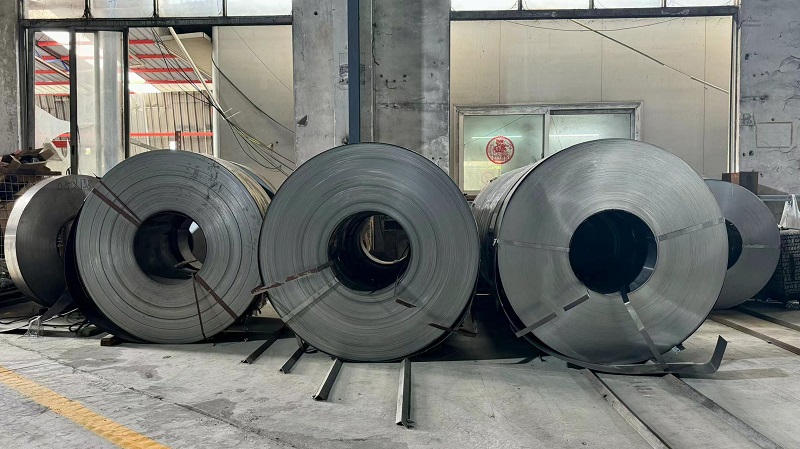
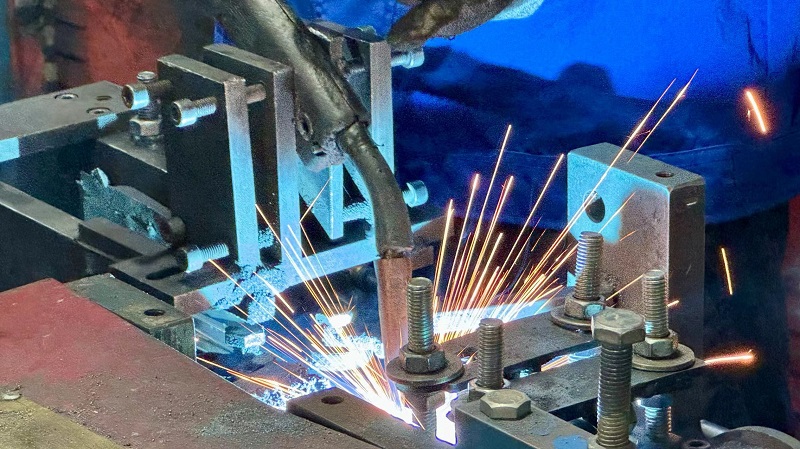
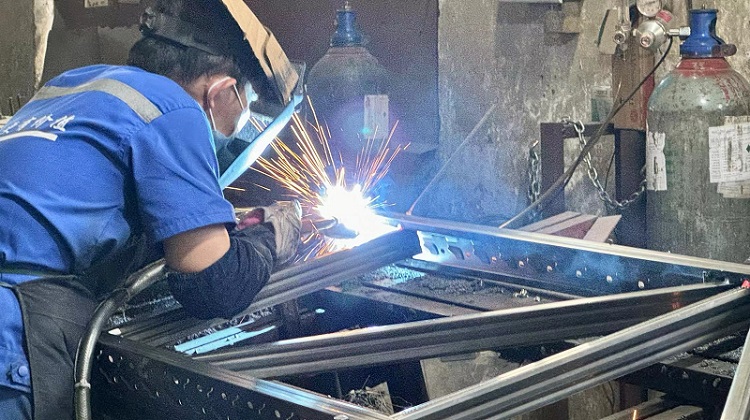
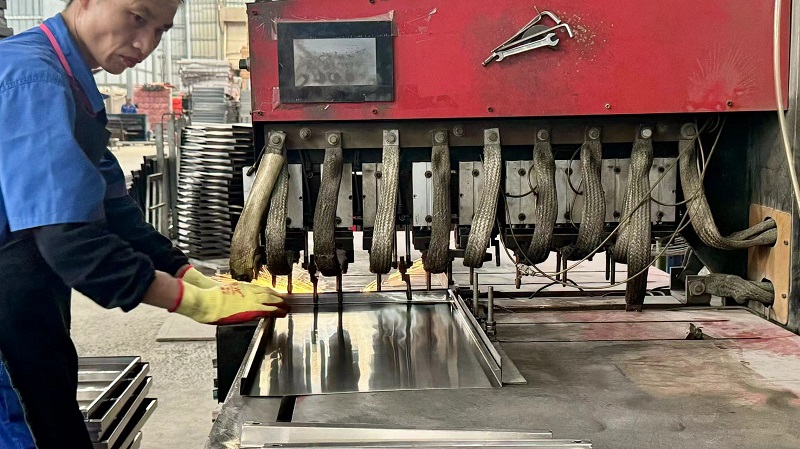
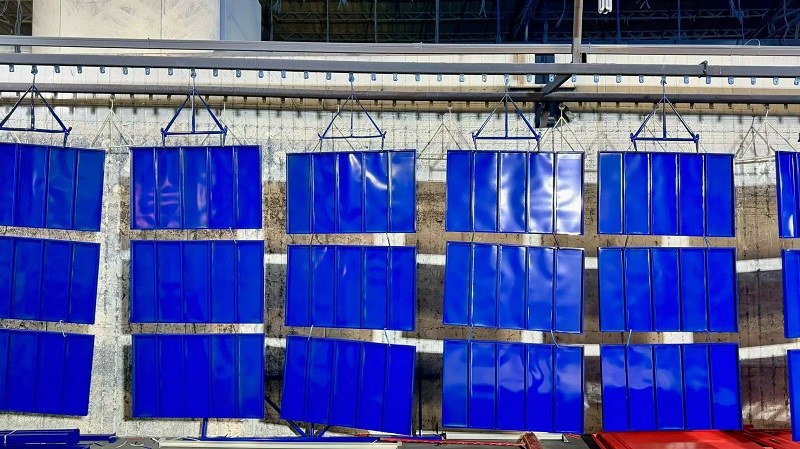
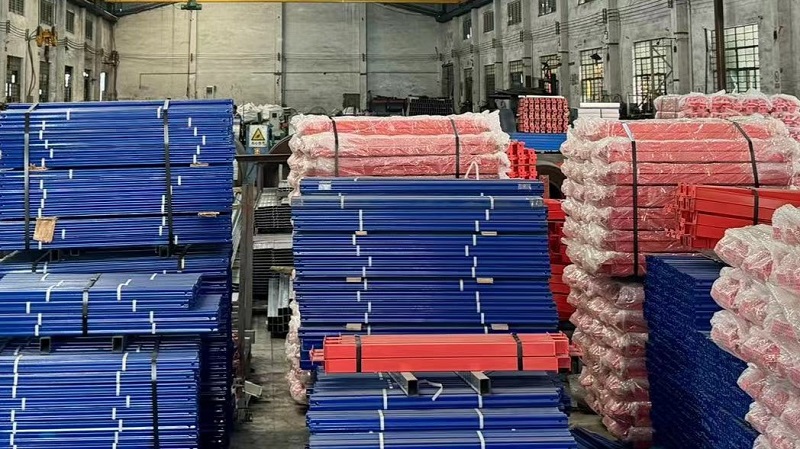
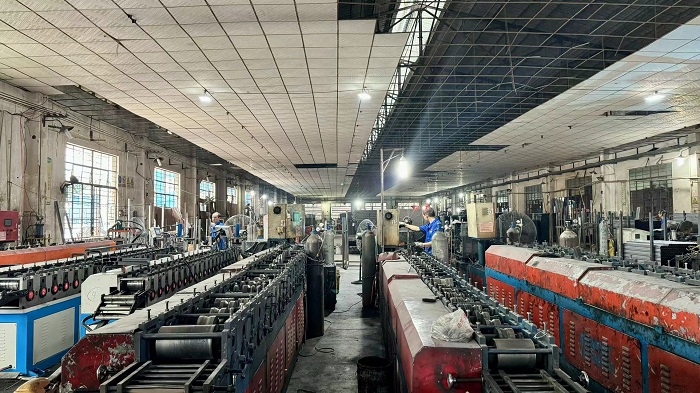
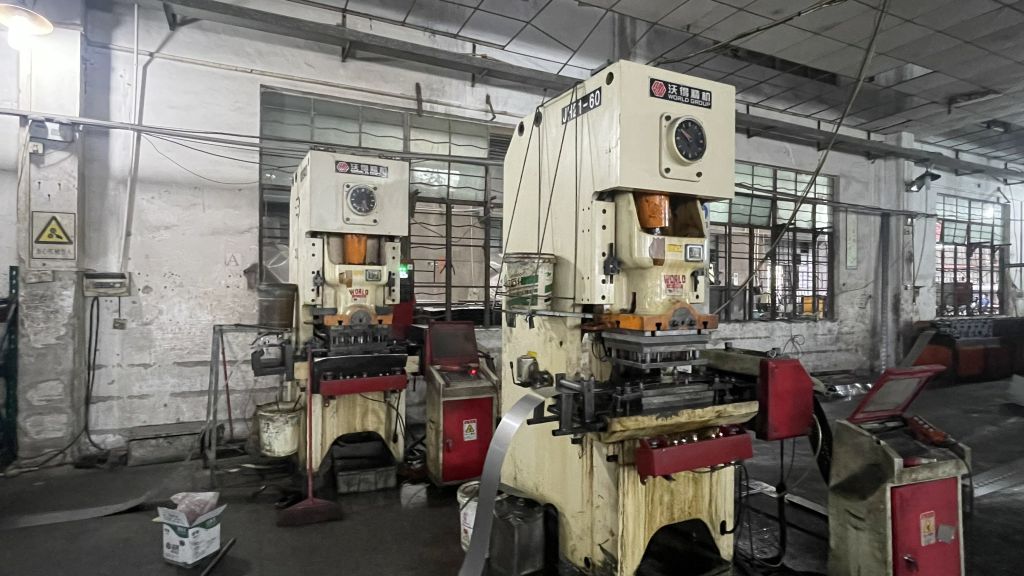
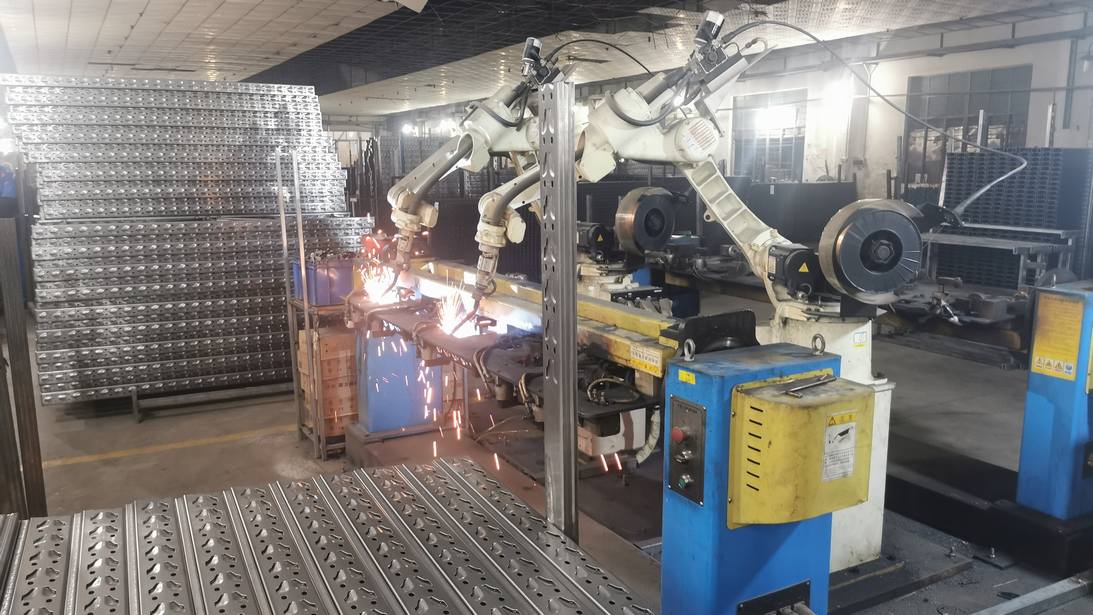
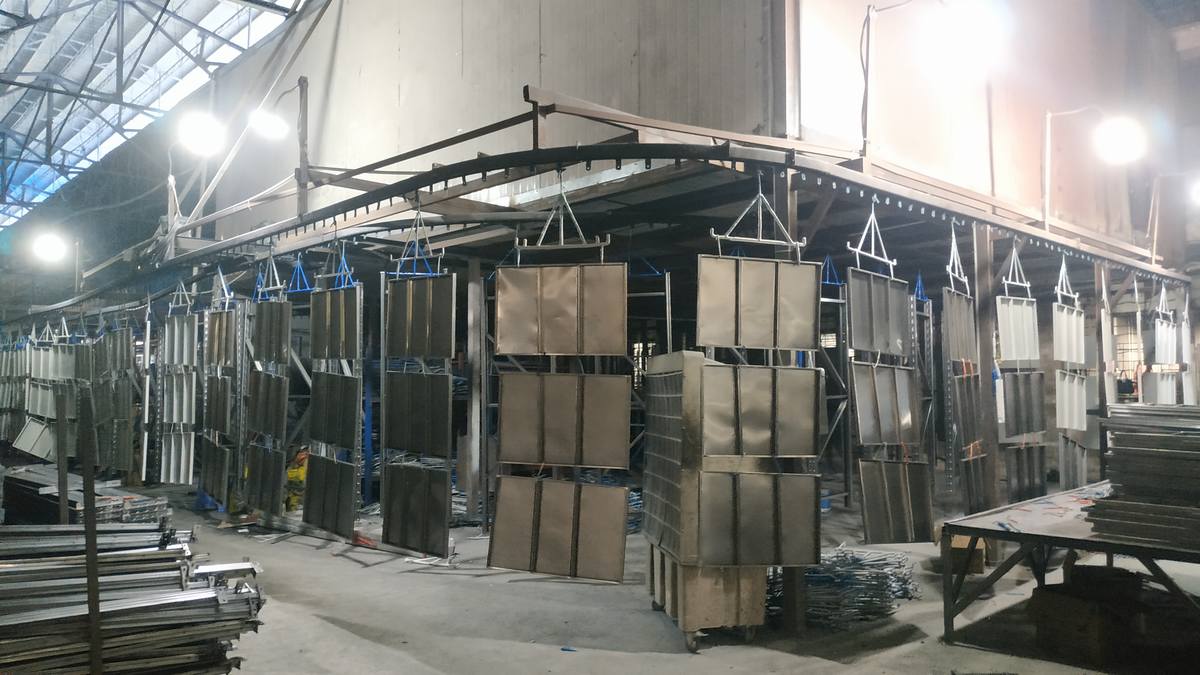
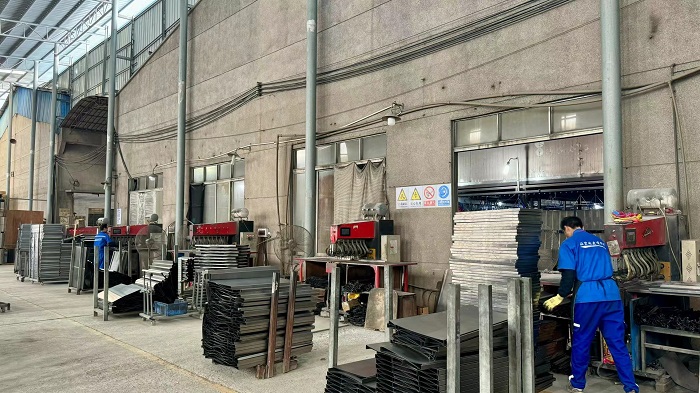
Ensures clean cuts and accurate hole-pitch settings for custom upright columns.
Where high-density storage technology is headed in the next decade.
The development of industrial storage systems continues to focus on automation and sensor integration. The traditional manual retractable rack is evolving into a connected, intelligent node within the broader factory automation network. Kimsuk's R&D team, composed of 18 structural engineers, is developing advanced integrations to align with industry changes:
Integrating strain-gauge load cells directly into cantilever arms and drawer supports. These sensors transmit real-time weight metrics to the facility's WMS (Warehouse Management System), warning operators if a level exceeds its rated capacity.
Upgrading manual cranks to high-torque electric motors powered by internal lithium batteries or compact busbars. Operators can extend shelves weighing up to 10 tons using simple push-button stations or remote interfaces.
Designing locking systems and physical pick surfaces that allow Automated Guided Vehicles (AGVs) to retrieve materials. Automated systems can signal the rack to extend its drawers before the AGV arrives, reducing pickup cycle times.
Green coating technologies also represent a growing sector. Future regulations will require lead-free, low-VOC, epoxy-polyester coatings that can withstand harsh industrial cleaning. By executing dynamic structural and environmental testing, Kimsuk ensures its products comply with these evolving global directives.
Navigating different safety and testing requirements across international markets.
Exporting storage systems globally requires compliance with regional engineering codes. Standard structural designs cannot be applied universally, as safety guidelines vary by country. Shenzhen Kimsuk builds storage systems according to several international structural codes:
Seismic zoning remains a key structural consideration. In high-risk seismic zones (such as California or Japan), retractable racks require upgraded floor anchor plates, thicker upright columns, and structural back-bracing. Kimsuk’s engineering team provides site-specific structural calculation reports to ensure compliance and support building permit approvals.
Answers to common questions from warehouse operations directors, procurement managers, and plant engineers.
The maximum loading limit depends on the custom design configuration. Roll-out drawers and cantilever arms typically handle load capacities ranging from 1,000 kg to over 5,000 kg per level. Upright columns and base frames are designed to manage total system capacities of up to 40,000 kg.
We integrate mechanical interlocks that prevent multiple drawers or shelves from being extended at the same time. This keeps the center of gravity over the anchored base plates, reducing the risk of tipping. High-capacity floor anchors and structural stabilizers are standard components of each system.
Yes. Through our OEM/ODM design process, we customize system dimensions, arm lengths, drawer depths, and color schemes to fit specific inventory, including raw metals, manufacturing dies, and long pipes.
Because our systems use heavy-duty bearings and rigid steel tracks, maintenance requirements are minimal. We recommend inspection and lubrication of moving components every six months to keep rolling resistance low and ensure smooth operation.
We operate an automated powder-coating line that applies durable epoxy-polyester coatings. This finish resists mechanical impact, scratching, and industrial cleaners. For high-humidity or cold-storage environments, we also offer hot-dip galvanized steel frames.
Our location near the port of Shenzhen allows us to load containers directly and ship to major global hubs. Transit times range from 14 to 35 days depending on the destination, and our team provides export customs documentation to ensure smooth delivery.
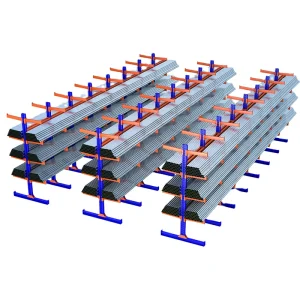
Explore Kimsuk's complete range of high-capacity storage designs engineered for diverse industrial facilities.


 Kimsuk Rack