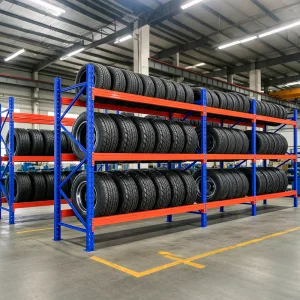
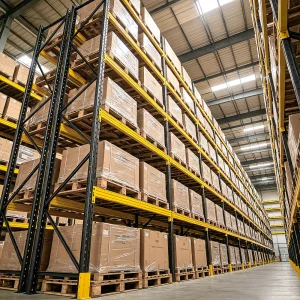
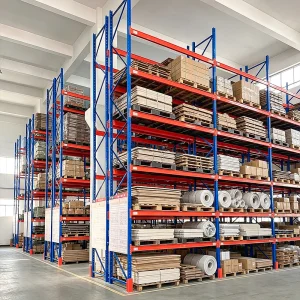
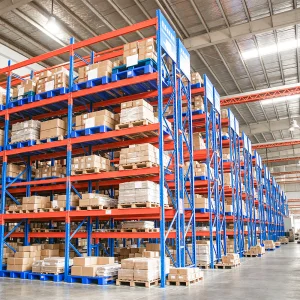
Discover our high-precision engineered structural racking configurations designed to maximize volumetric efficiency.

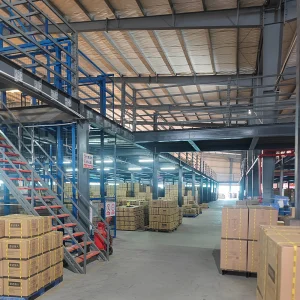

The modern logistics ecosystem is undergoing an unprecedented structural transition. E-commerce expansion, global supply chain normalization, and the rapid deployment of Third-Party Logistics (3PL) hubs have driven warehousing operators to seek unmatched volume optimization. Pallet racking systems are no longer treated as passive steel assemblies. Instead, they serve as the fundamental structural skeleton of the high-velocity supply chain.
E-E-A-T Technical Highlight: Modern racking solutions must support massive static and dynamic structural loads. Designing these structures demands compliance with rigorous criteria, including Europe's EN standards, the Rack Manufacturers Institute (RMI) certifications in the Americas, and AS4084 regulations in Oceania. Selecting high-grade Q235B and Q345B steel guarantees structural resilience against seismic events and sudden shock loadings.
Additionally, urban land scarcity near key maritime ports and transportation corridors has forced architects to build upwards rather than outwards. Tall vertical clearance in contemporary logistics facilities means pallet loads must be safely stored at heights exceeding 12 to 15 meters. This makes rigidity, structural tolerance, and reliable safety locks essential features of modern design.
Several technological trends are driving the future of industrial storage:
Established in 2015, Shenzhen Kimsuk Storage Equipment Manufacturing Co., Ltd. is a leading industrial warehouse storage systems manufacturer headquartered in Shenzhen, China. From our modern 38,000 m² production facility, we engineer, fabricate, and deliver high-density pallet racking, multi-tier mezzanine configurations, and automated storage solutions for global logistics networks.
With over 11 years of deep industry expertise and 8 years of direct international trade experience, Kimsuk generates over $22 million in annual export sales. We serve key markets across North America, Western Europe, Southeast Asia, and the Middle East, supporting logistics hubs, e-commerce fulfillment centers, heavy-duty industrial manufacturers, and regional distributors.
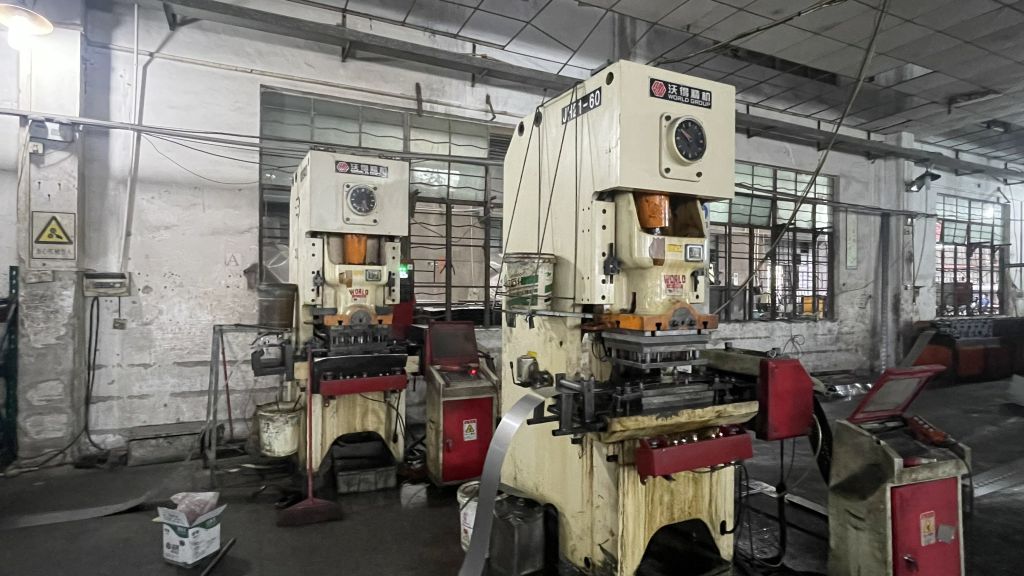
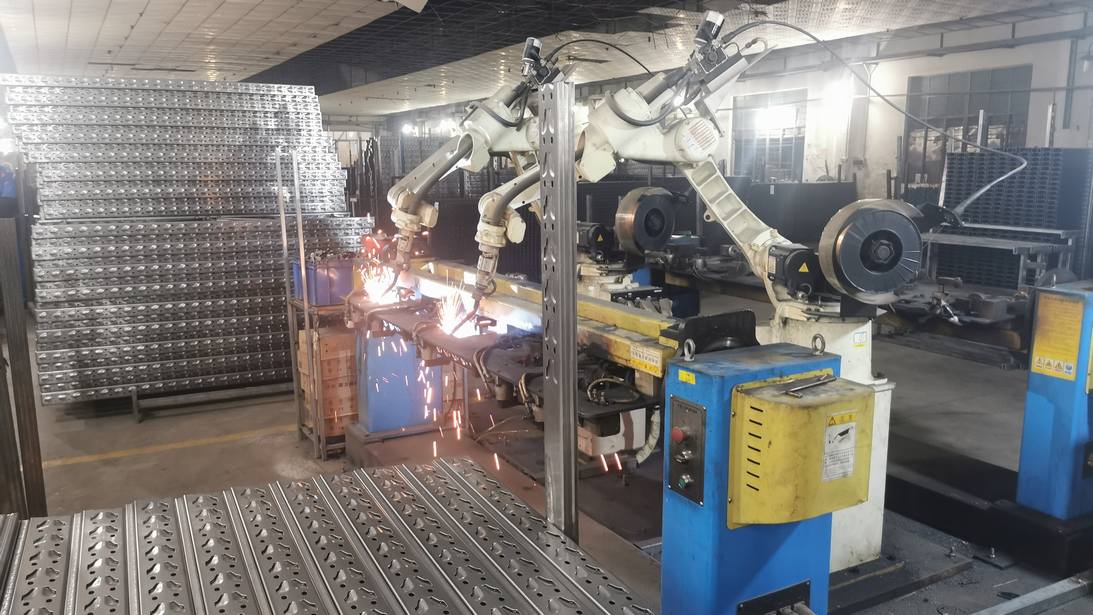
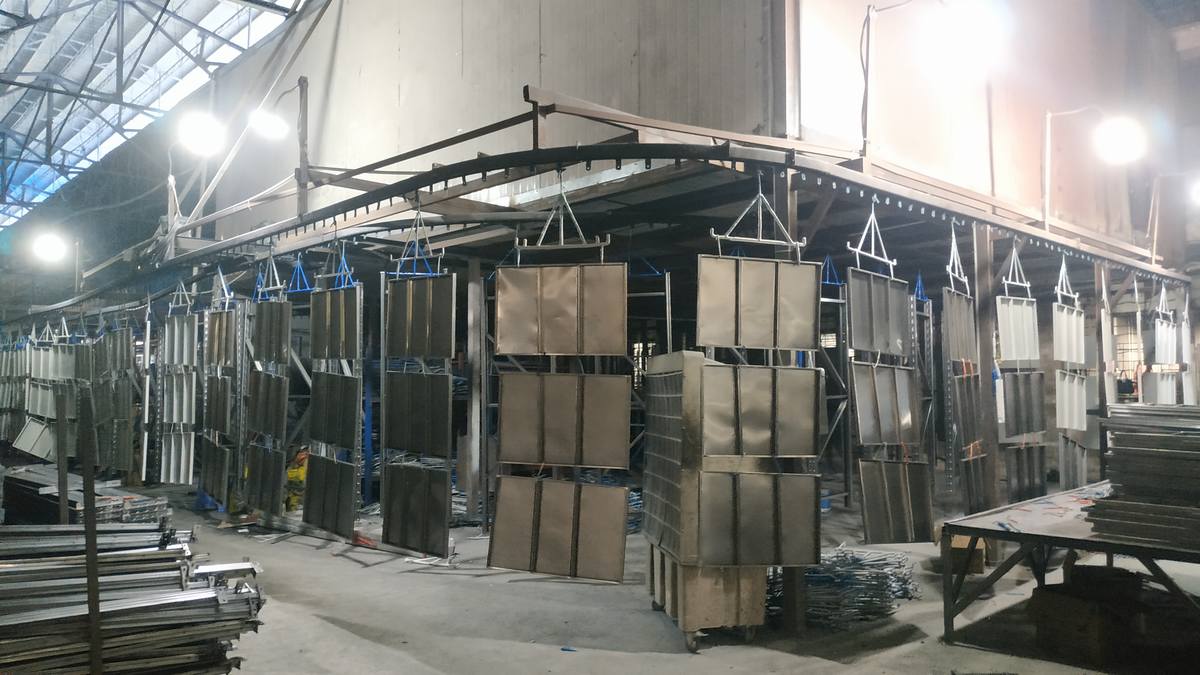
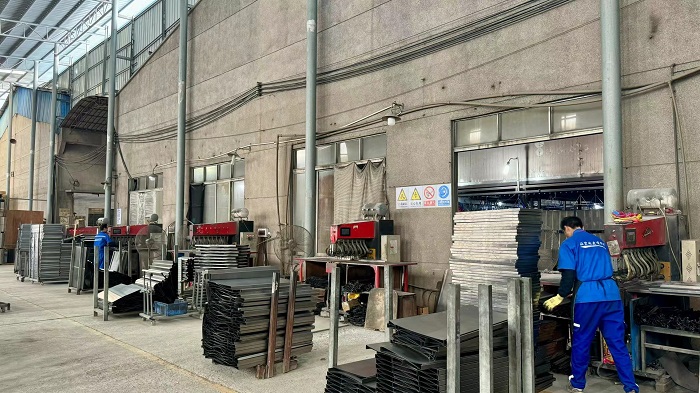
We build our production process on quality control and safety. Backed by 35 dedicated full-time QC specialists, we execute rigorous quality control protocols across all manufacturing phases—including spectral raw material testing, ultrasonic weld inspection, dynamic load capacity testing, and automated powder-coating durability checks. This rigorous process ensures all products perform reliably under heavy loads.
Our internal R&D team consists of 18 experienced structural engineers. Last year alone, we developed and launched 45 new optimized racking designs to help clients maximize vertical space. We offer extensive OEM/ODM customization options, including tailored load capacities, specific column profiles, seismic-resistant structures, and custom anti-corrosion surface treatments. Supported by an integrated network of over 850 reliable supply chain partners, Shenzhen Kimsuk delivers high-performance, cost-effective warehouse storage systems engineered to maximize your space utilization.
Our advanced production facility uses computerized equipment and strict inspection stages to maintain high precision across all products.
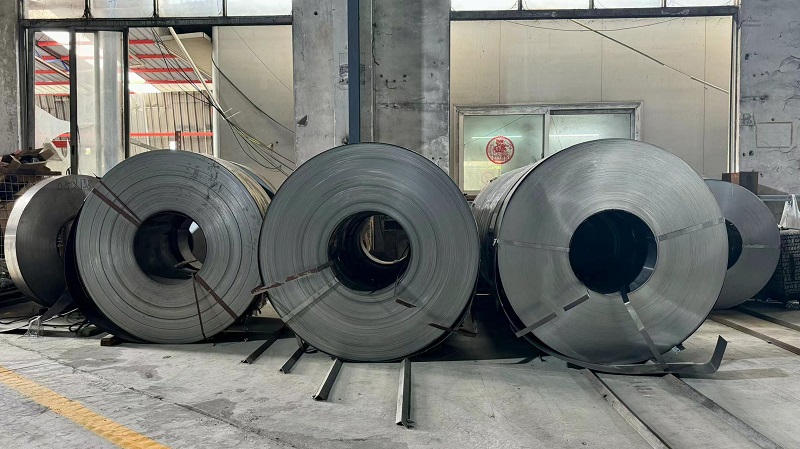
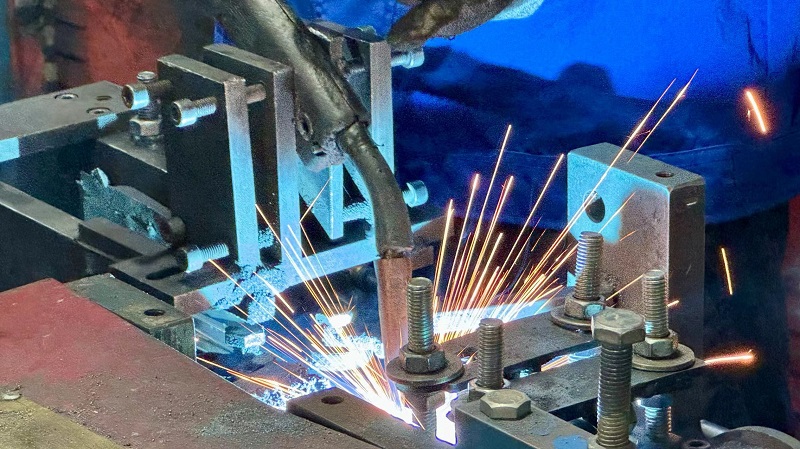
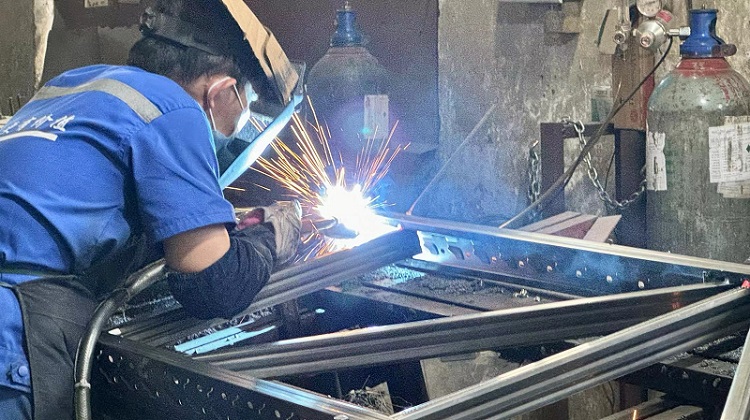
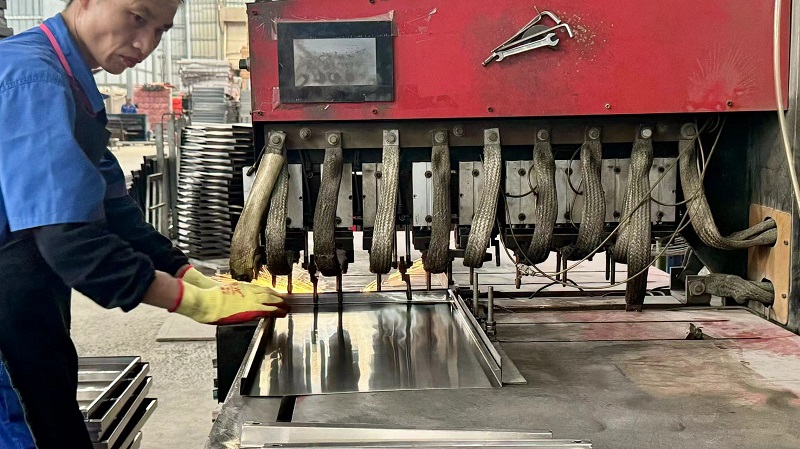
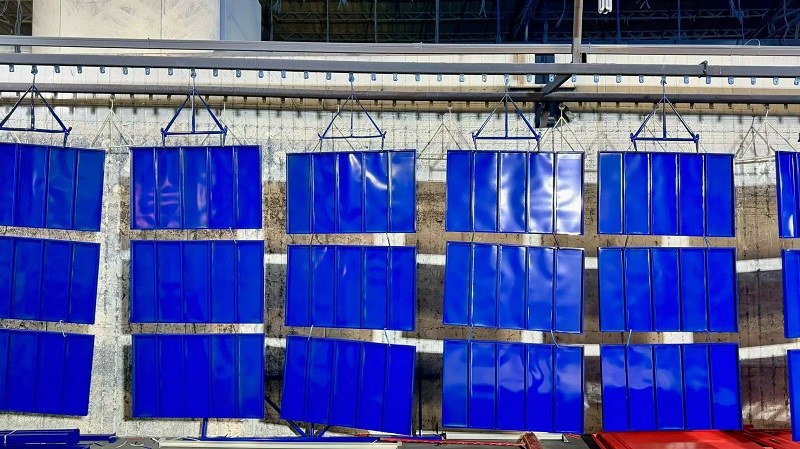
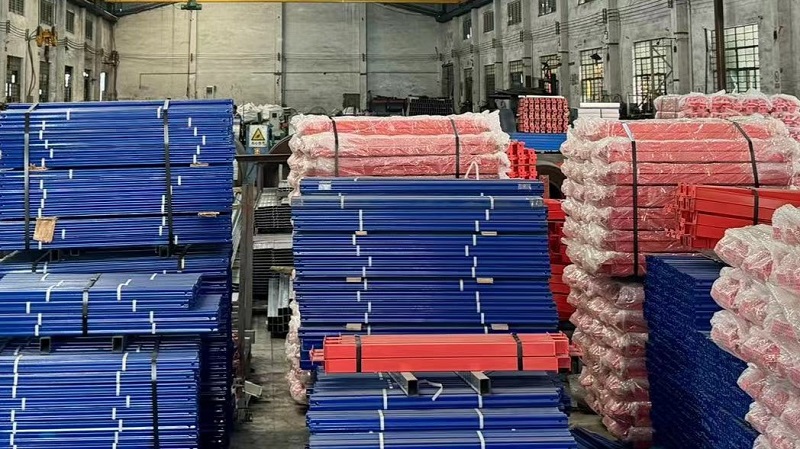
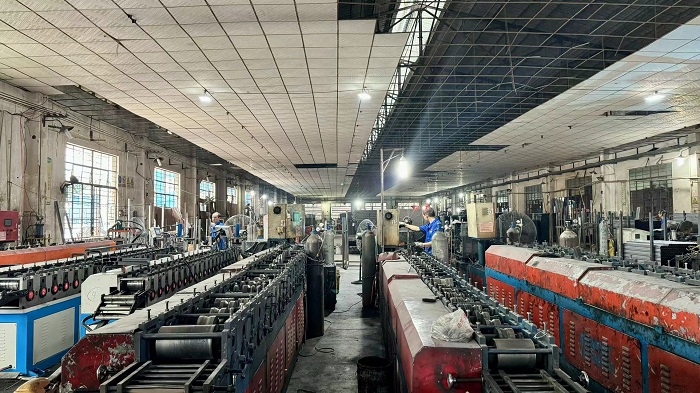
Industrial storage needs vary significantly across regional markets. A standard racking system is rarely a one-size-fits-all solution. Our engineering team designs custom structural modifications to meet specific operational requirements:
In the US and Canada, demand centers on teardrop-style selective pallet racking that integrates with standard Material Handling Equipment (MHE). Facilities require heavy-duty upright frames, robust column protectors, and compliance with the RMI specification for structural safety.
European operators focus on high-density space utilization and strict carbon-footprint compliance. In these regions, we supply dynamic configurations, including drive-in systems, push-back racking, and automated shuttle systems, all manufactured in compliance with FEM 10.2.02 standards.
Cold chain facilities in humid, tropical locations require reliable anti-corrosion protection. For these environments, we provide hot-dip galvanized finishes and specialized epoxy-polyester coatings. These treatments resist rust and degradation in constant -25°C temperatures and high humidity.
As logistics facilities become more automated, the racking industry is moving toward greater structural precision. The Kimsuk engineering roadmap focuses on three main developments:
Developing ultra-straight upright profiles with minimal deviation to ensure automated crane rails operate smoothly at heights up to 24 meters.
Transitioning to low-carbon, recycled structural steel alloys and VOC-free powder formulations to align with corporate sustainability targets.
Integrating strain gauges and vibration sensors directly into critical upright columns to alert operators of load stresses or forklift impacts.
Select from our secondary product range designed for flexible space planning and customized warehouse setups.


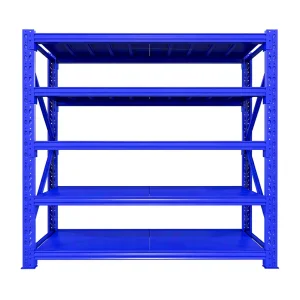
 Kimsuk Rack