Select industrial-grade warehouse systems optimized for ultimate space utilization, quick structural assembly, and heavy load carrying capabilities.
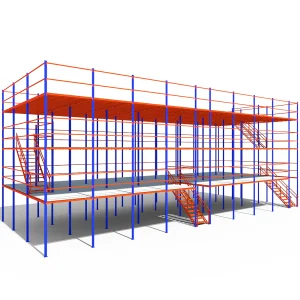

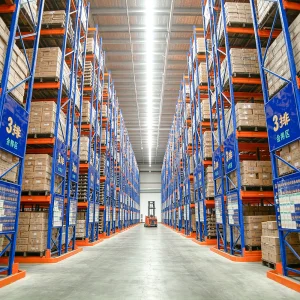
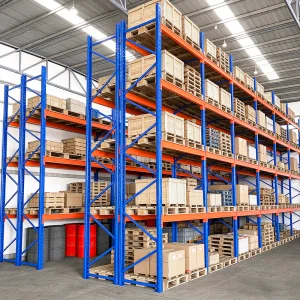
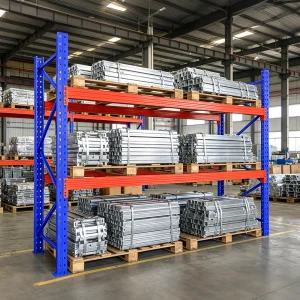
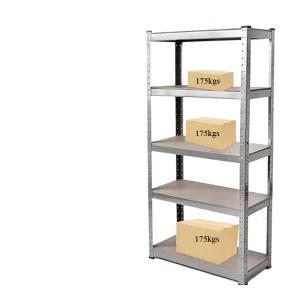


In the high-velocity world of modern global logistics, traditional shelving systems are no longer sufficient to meet the demands of rapid cycle times and shifting inventory profiles. Enterprises are actively transitioning from welded or bolted structural frames to high-performance boltless storage systems. The reason lies in structural adaptability, minimized installation overheads, and superior mechanical load distribution. Boltless racking functions on a mechanical interlocking principle, using high-precision tapered slots (teardrop, butterfly, or keyhole configurations) to secure beams directly to upright columns without auxiliary hardware.
This design eliminates the common points of mechanical failure associated with bolts, such as vibration loosening, thread stripping, and localized shear stress concentration. Modern logistics hubs and e-commerce distribution centers require flexible configurations to accommodate rapid product line changes. By utilizing modular, weld-free connections, companies can adjust shelf height elevations at pitch increments of 50mm or 75mm dynamically, ensuring optimized volumetric space utilization without halting facility operations.
“Global supply chains require dynamic infrastructure. Boltless racking offers structural resilience, lowering total cost of ownership (TCO) by reducing installation labor time by up to 65% compared to conventional bolted assemblies.”
Procuring industrial racking demands strict compliance with global safety standards. Structural stability must be calculated based on site-specific seismic coefficients, soil configurations, and forklift impact probabilities. For international buyers, particularly in North America, Western Europe, and Asia-Pacific, racking systems must comply with standards such as RMI (Rack Manufacturers Institute), ANSI MH16.1, EN 15512, and AS 4084.
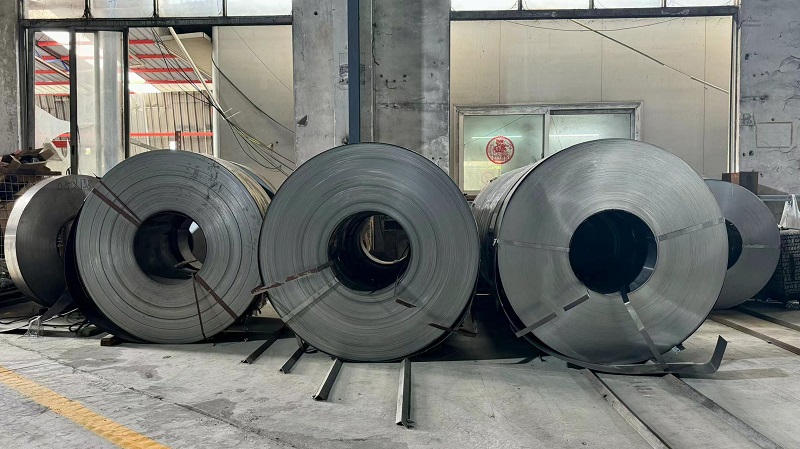
A key aspect of structural compliance is material yield strength. High-grade structural steel, specifically Q235B and Q355B hot-rolled coil steel, forms the backbone of heavy-duty industrial racking. These steel grades are optimized to withstand high load limits and dynamic stresses without premature deflection. Advanced engineering calculations, including Finite Element Analysis (FEA), simulate complex stress distributions and buckling parameters, guaranteeing that structural deflection remains within L/200 limits under maximum rated capacity.
Established in 2015, Shenzhen Kimsuk Storage Equipment Manufacturing Co., Ltd. is a leading industrial warehouse storage systems manufacturer headquartered in Shenzhen, China. Operating from a modern 38,000 m² production facility, we specialize in high-density pallet racking, mezzanine systems, and customized logistics storage solutions for global enterprises.
With over 11 years of deep industry expertise and 8 years of direct international trade experience, Kimsuk generates over $22 million in annual export sales. Our primary overseas markets cover North America, Western Europe, Southeast Asia, and the Middle East, serving heavy-duty distributors, logistics hubs, e-commerce fulfillment centers, and industrial manufacturing plants.
Driven by strong innovation, our internal R&D team consists of 18 experienced structural engineers. Last year alone, we successfully launched 45 new optimized racking designs. We offer extensive OEM/ODM customization options, including tailored load capacities, specific column profiles, seismic-resistant structures, and custom anti-corrosion surface treatments. Supported by an integrated network of over 850 reliable supply chain partners, Shenzhen Kimsuk delivers high-performance, cost-effective warehouse storage systems engineered to maximize your space utilization.
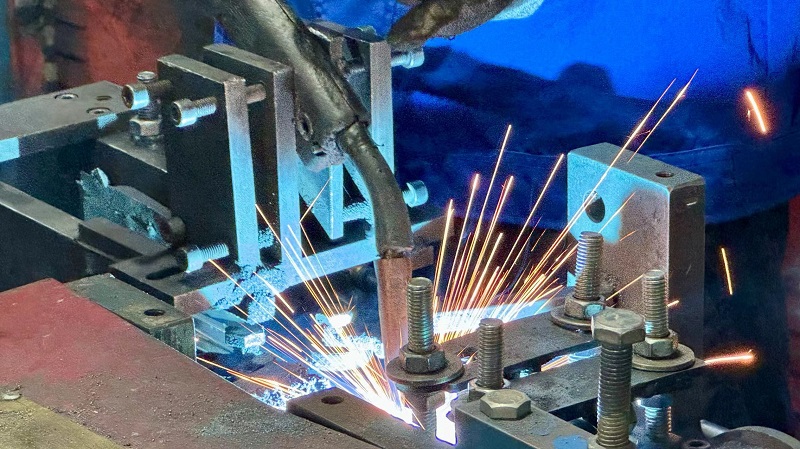
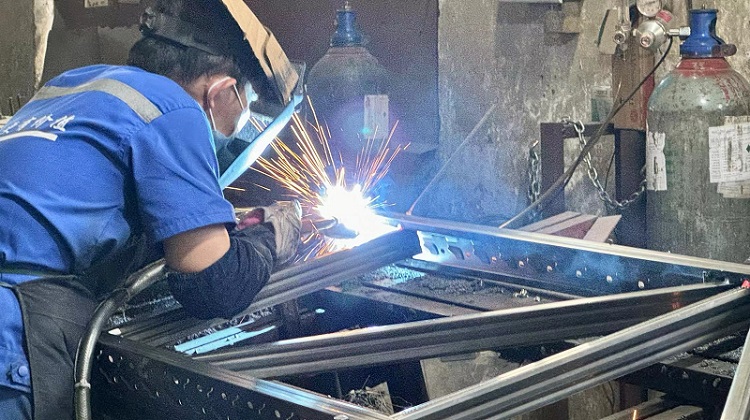
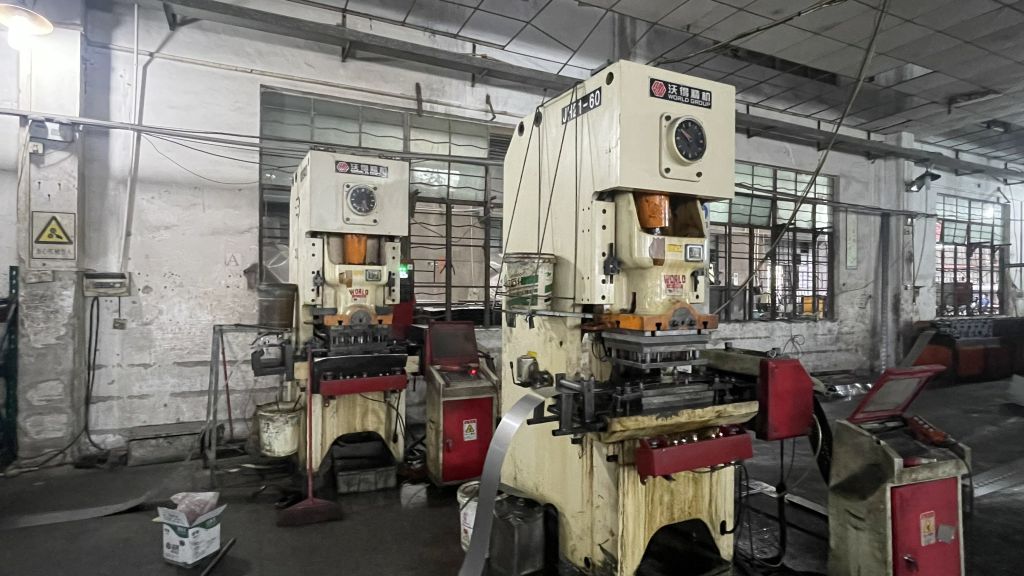
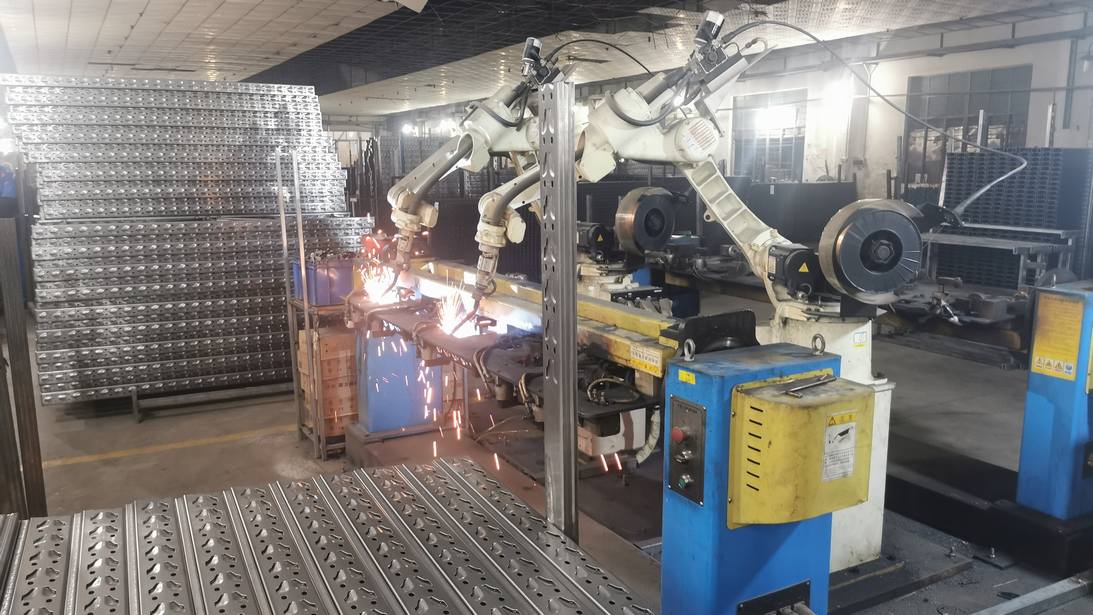
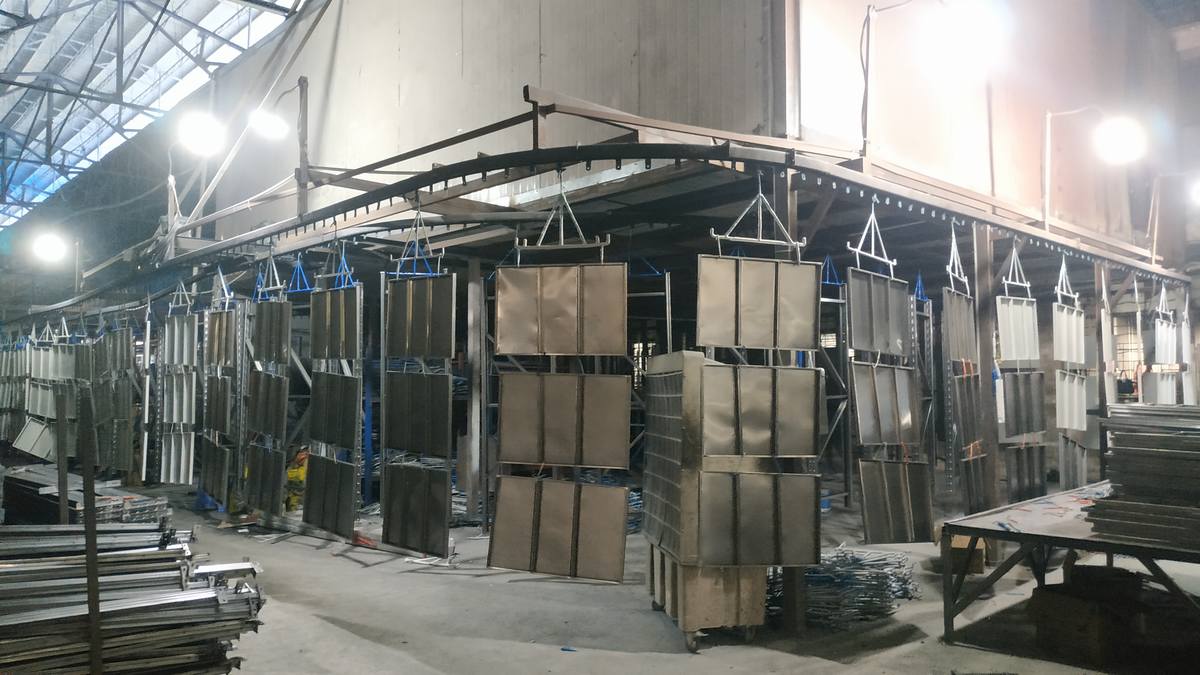
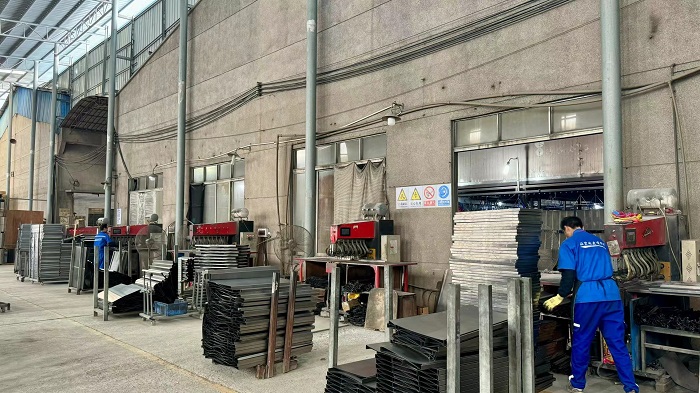
To consistently supply global logistics networks, our manufacturing process utilizes Industry 4.0 standards. Advanced roll-forming machines and automated punching lines convert structural steel coils into high-precision upright profiles with sub-millimeter tolerances. By employing automated robotic welding stations and advanced electrostatic powder-coating systems, we ensure structural integrity and surface durability that resists moisture, chemical corrosion, and mechanical abrasions.
Quality and safety are at the core of our manufacturing philosophy. Backed by 35 dedicated full-time QC specialists, we execute rigorous quality control protocols across all production phases—including spectral raw material testing, ultrasonic weld inspection, dynamic load capacity testing, and automated powder-coating durability checks. This rigorous process guarantees that each production batch meets international standards for load distribution and long-term durability.
Each product undergoes a standardized six-stage manufacturing process to guarantee performance integrity:
Explore our state-of-the-art machinery and processing stages that guarantee the delivery of premium, industrial-grade storage solutions.
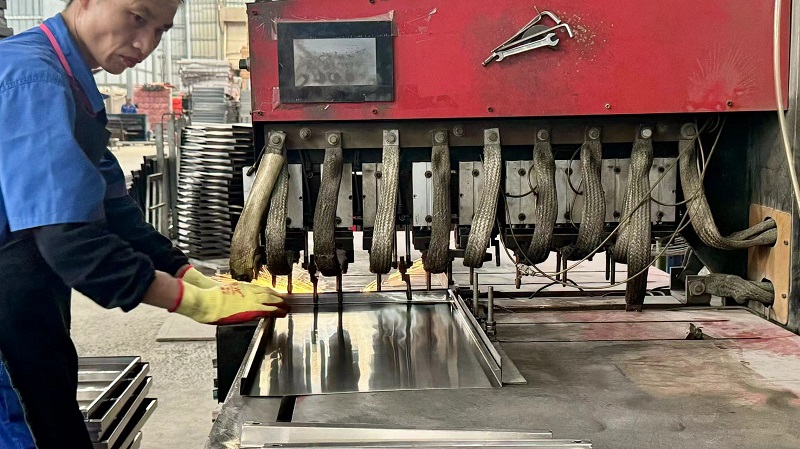
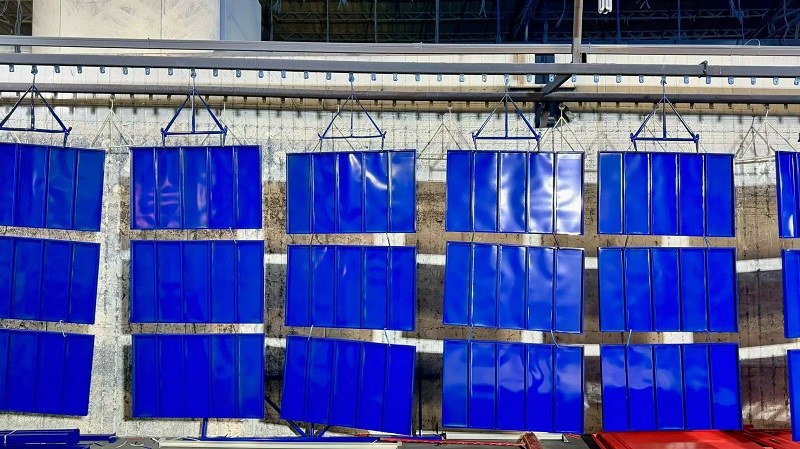
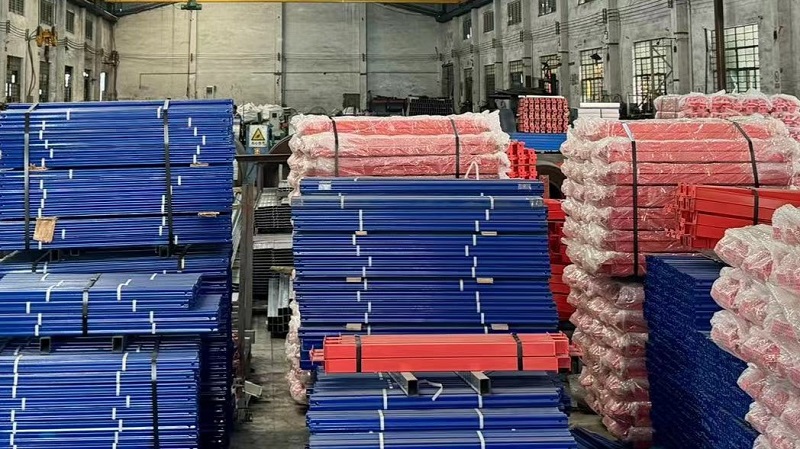
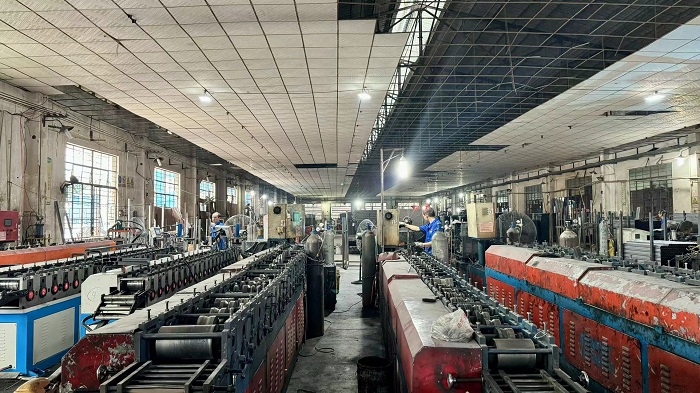
Storage applications vary significantly based on industry vertical, inventory characteristics, and regional environmental factors. Below are key applications for Kimsuk's custom boltless solutions:
E-commerce warehouses process high volumes of mixed SKUs requiring fast turnover. Boltless storage configurations are integrated with picking systems, multi-tier mezzanines, and conveyor networks. Upright beams are punched at regular intervals to allow rapid vertical spacing adjustments, supporting swift product line updates and dynamic seasonal stocking profiles.
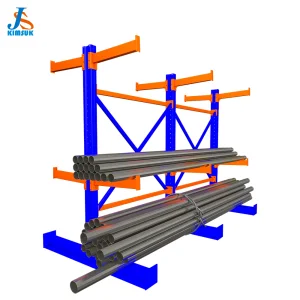
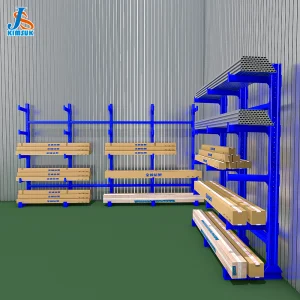
For heavy manufacturing, structural systems must support heavy loads without buckling under fork-truck operation. Heavy-duty pallet racking with step beams and safety pins provides the durability needed for heavy sheet metals, tooling, dies, and raw material inputs. Cantilevered arm configurations are used for storing long items like pipes, tubing, and structural profiles.
Cold chain storage demands high space utilization to lower refrigeration operating costs. Our hot-dip galvanized finishes and specialized epoxy powder coats are engineered to withstand temperatures down to -40°C. This protection prevents corrosion caused by condensation cycles, maintaining structural load capacities in challenging environmental conditions.
Specifying a storage system goes beyond simple spatial dimensions. Designing high-density configurations involves critical engineering considerations:
Answers to common structural engineering, procurement, and logistics questions from global industrial buyers.
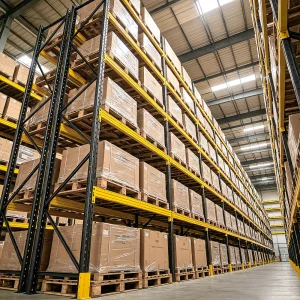
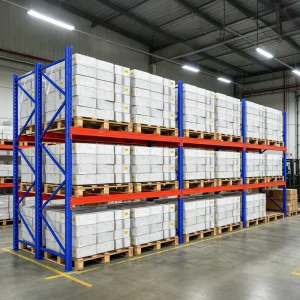
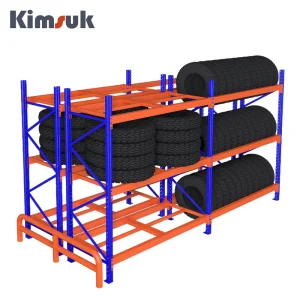
High-performance warehouse racking systems designed for palletized goods, heavy loads, and specialized industrial materials.


 Kimsuk Rack