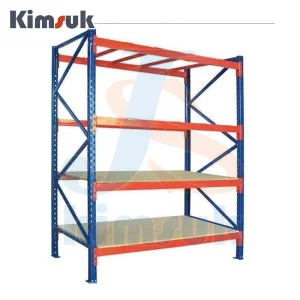
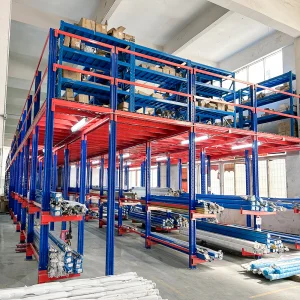
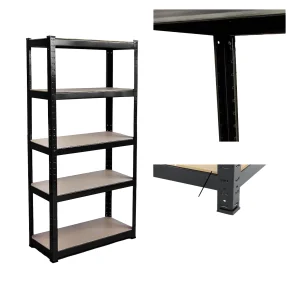
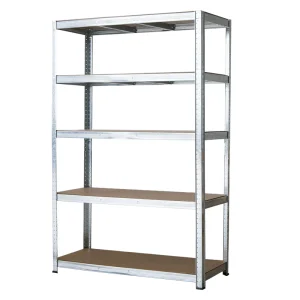
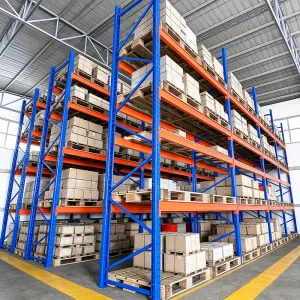
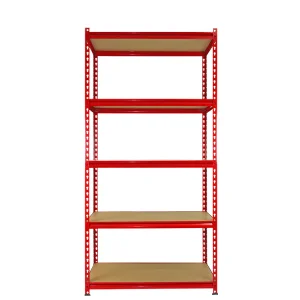
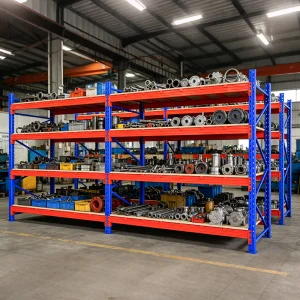
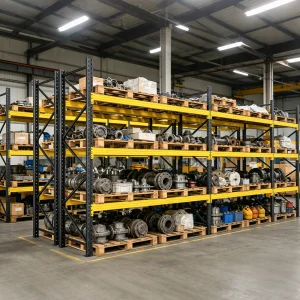
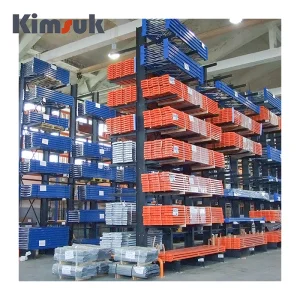
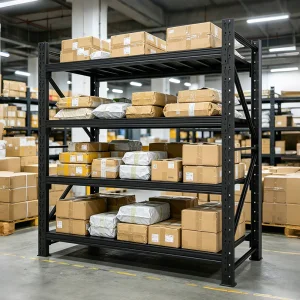
Explore our flagship heavy-duty industrial storage racks, mezzanine floor platforms, and modular garage shelving engineered to optimize vertical density.
An in-depth analysis of structural integrity, safety compliance, and manufacturing supply chain dynamics for high-density warehouse cube storage.
In the modern era of logistics, warehousing is no longer merely a post-production storage facility; it is a critical hub in the global supply chain network. The explosive growth of global e-commerce, combined with shifts toward nearshoring and just-in-case inventory strategies, has created unprecedented demand for warehouse optimization. Real estate values have surged in logistics gateways across North America, Western Europe, and Asia-Pacific. Consequently, enterprises must maximize their existing footprint. The solution lies in vertical optimization: transitioning from low-density floor stacking to high-density, multi-tier modular storage cubes, heavy-duty pallet racks, and mezzanine floor systems.
"Storage Cubes" in an industrial context refers to the calculation of usable volumetric space (cubic meters/cubic feet) rather than simple square footage. By employing structured racking systems, companies can expand their storage capacity by up to 300% without expanding their physical footprint. However, utilizing vertical height requires sophisticated structural engineering, high-grade materials, and stringent compliance with safety standards. This is where CE certification becomes a vital metric for corporate procurement directors, facility managers, and logistics consultants globally.
For industrial racking systems, CE certification is not just a regulatory checkmark; it is a fundamental guarantee of safety, durability, and risk management. The CE mark signifies that the storage equipment complies with essential health, safety, and environmental protection standards established by the European Union. These regulations include structural calculation models, testing of steel raw materials, and the stability of steel structures.
Without proper CE certification, importers, distributors, and warehouse operators face severe liabilities. In the event of a structural failure or racking collapse, the absence of certified safety documentation can lead to denied insurance claims, heavy regulatory fines, and legal prosecution. Furthermore, the EN standards (such as EN 15620 for tolerance, deformation, and clearances, and EN 15635 for inspection and maintenance) provide a standardized methodology for operators to ensure the daily safety of material handlers and forklift operators. When procuring from certified Chinese suppliers, global enterprises can rest assured that their warehouse infrastructure complies with strict OSHA (US) and European standard paradigms.
China stands as the global epicenter for high-capacity racking fabrication and warehouse storage systems design. The industrial clusters located in Guangdong and Jiangsu provinces offer unmatched supply chain integration. The convergence of large-scale raw material sourcing, automated metal stamping and molding technologies, advanced robotic welding, and state-of-the-art electrostatic powder coating systems enables Chinese manufacturers to maintain unmatched production efficiency.
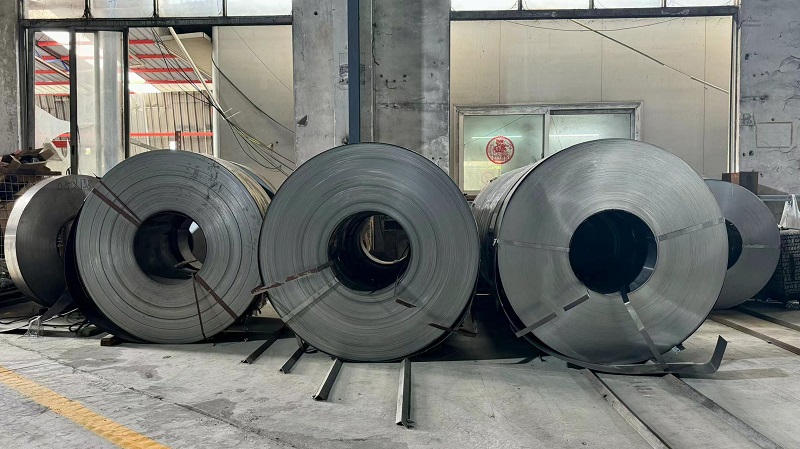
This efficiency translates directly to cost-effectiveness for overseas buyers, without sacrificing quality. From the procurement of raw carbon steel coils to the final packaging stage, China's advanced industrial ecosystem leverages automated production lines that ensure dimensional tolerances are kept to fraction-of-a-millimeter accuracy. Additionally, the close proximity of manufacturers in Shenzhen and Foshan to major deepwater ports reduces inland transit costs and facilitates rapid global shipping lines to major distribution points worldwide.
Storage needs vary profoundly based on industry, geographic location, and operational dynamics. High-density storage cubes and racking layouts must be designed for specific workflows:
Racking technology is rapidly evolving from passive metal structures to intelligent, highly integrated logistics assets. The key trends driving the market forward include:
Automated Storage and Retrieval Systems (AS/RS): Incorporating robotic stacker cranes and shuttle systems directly into the racking structure. This eliminates the need for wide aisles required by traditional forklifts, minimizing transit times and doubling storage density.
ESG & Green Coating Methods: Industrial buyers now prioritize carbon reduction and environmental criteria. Racking suppliers are upgrading to lead-free, non-toxic epoxy-polyester powder coatings cured at low temperatures, minimizing volatile organic compound (VOC) emissions while ensuring heavy-duty anti-corrosion properties.
FEA Design and Structural Optimization: Advanced Finite Element Analysis (FEA) software allows engineers to simulate localized stress zones, buckling factors, and load distribution on structural steel columns before production, ensuring high material efficiency and maximum safety.
Global Industrial Warehouse Storage Systems Manufacturer Headquartered in Shenzhen, China.
Established in 2015, Shenzhen Kimsuk Storage Equipment Manufacturing Co., Ltd. is a leading industrial warehouse storage systems manufacturer headquartered in Shenzhen, China. Operating from a modern 38,000 m² production facility, we specialize in high-density pallet racking, mezzanine systems, and customized logistics storage solutions for global enterprises.
With over 11 years of deep industry expertise and 8 years of direct international trade experience, Kimsuk generates over $22 million in annual export sales. Our primary overseas markets cover North America, Western Europe, Southeast Asia, and the Middle East, serving heavy-duty distributors, logistics hubs, e-commerce fulfillment centers, and industrial manufacturing plants.
Quality and safety are at the core of our manufacturing philosophy. Backed by 35 dedicated full-time QC specialists, we execute rigorous quality control protocols across all production phases—including spectral raw material testing, ultrasonic weld inspection, dynamic load capacity testing, and automated powder-coating durability checks.
Driven by strong innovation, our internal R&D team consists of 18 experienced structural engineers. Last year alone, we successfully launched 45 new optimized racking designs. We offer extensive OEM/ODM customization options, including tailored load capacities, specific column profiles, seismic-resistant structures, and custom anti-corrosion surface treatments. Supported by an integrated network of over 850 reliable supply chain partners, Shenzhen Kimsuk delivers high-performance, cost-effective warehouse storage systems engineered to maximize your space utilization.
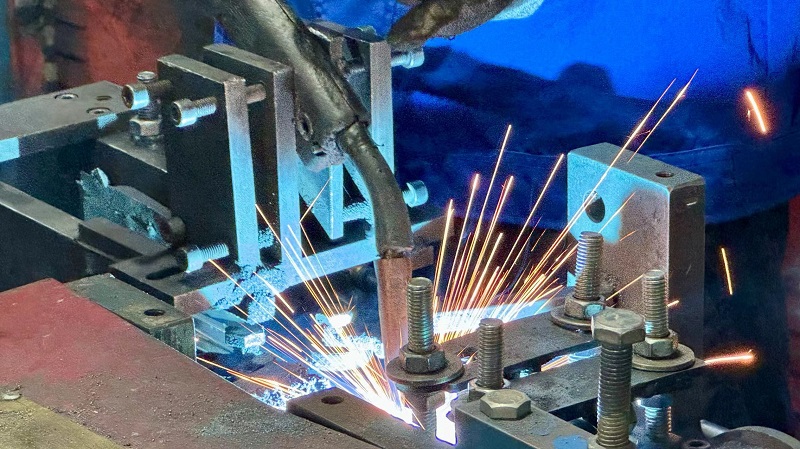
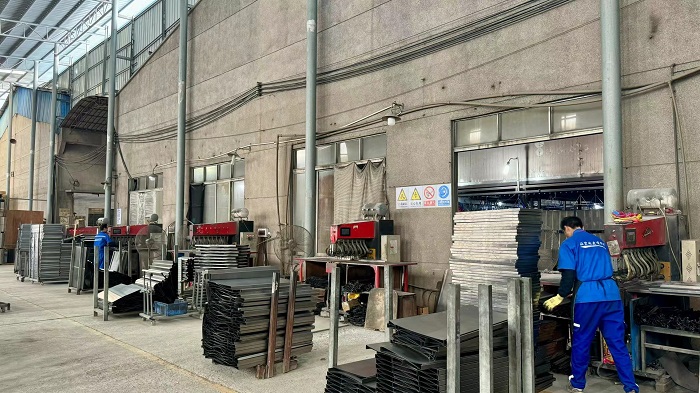
Our production facility operates at the absolute peak of industry standards. Here is an overview of our automated processes and heavy machinery.
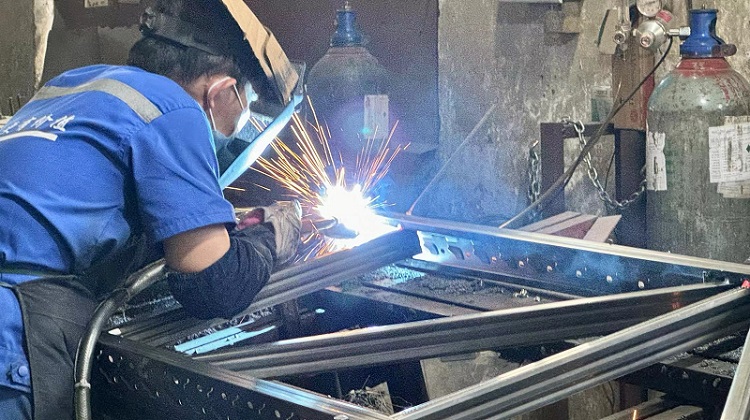
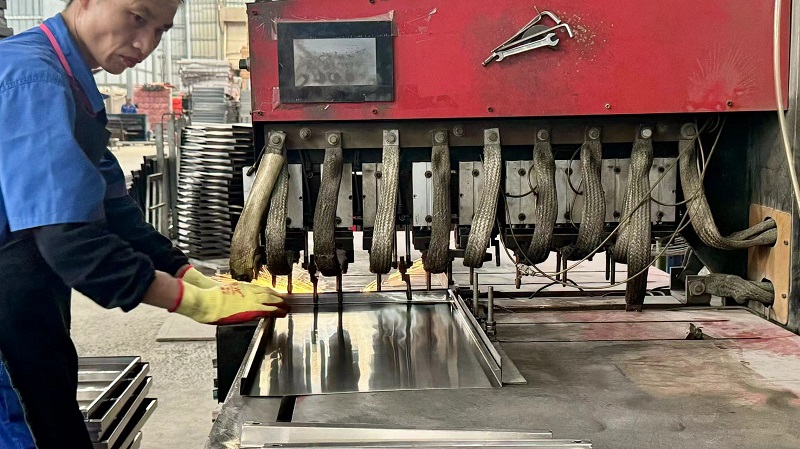
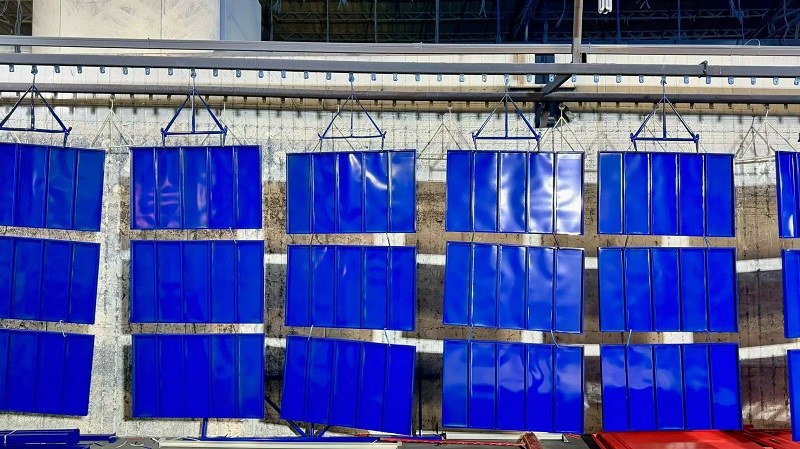
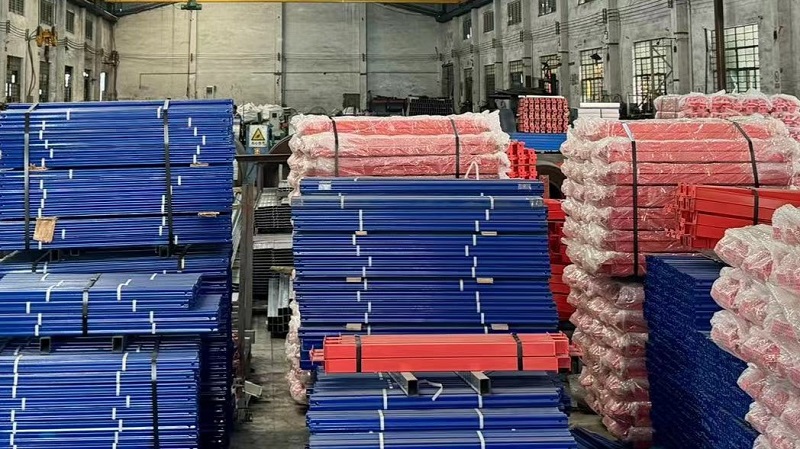
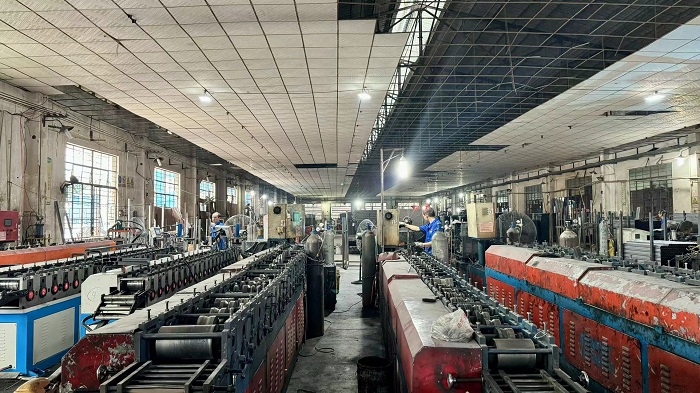
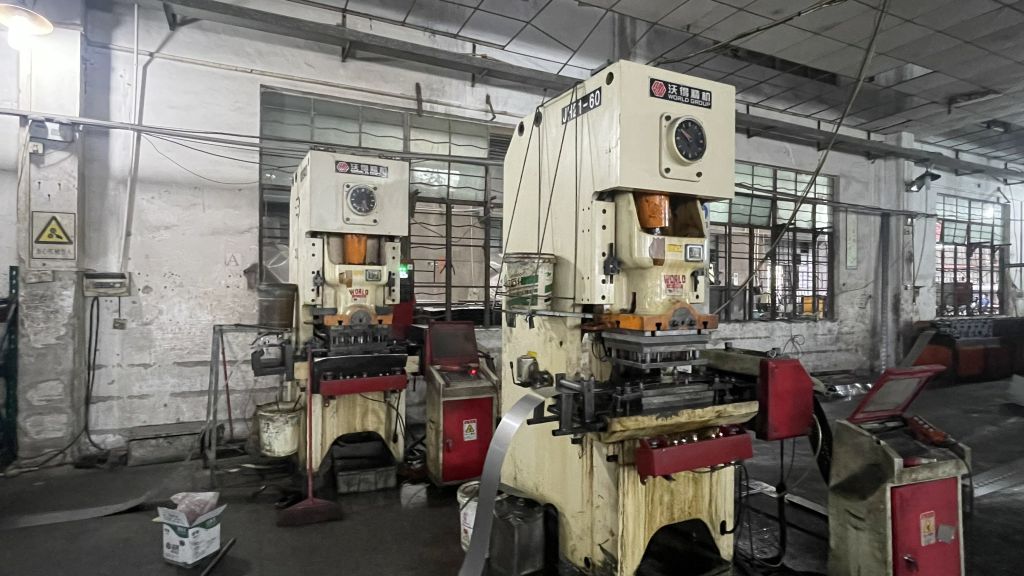
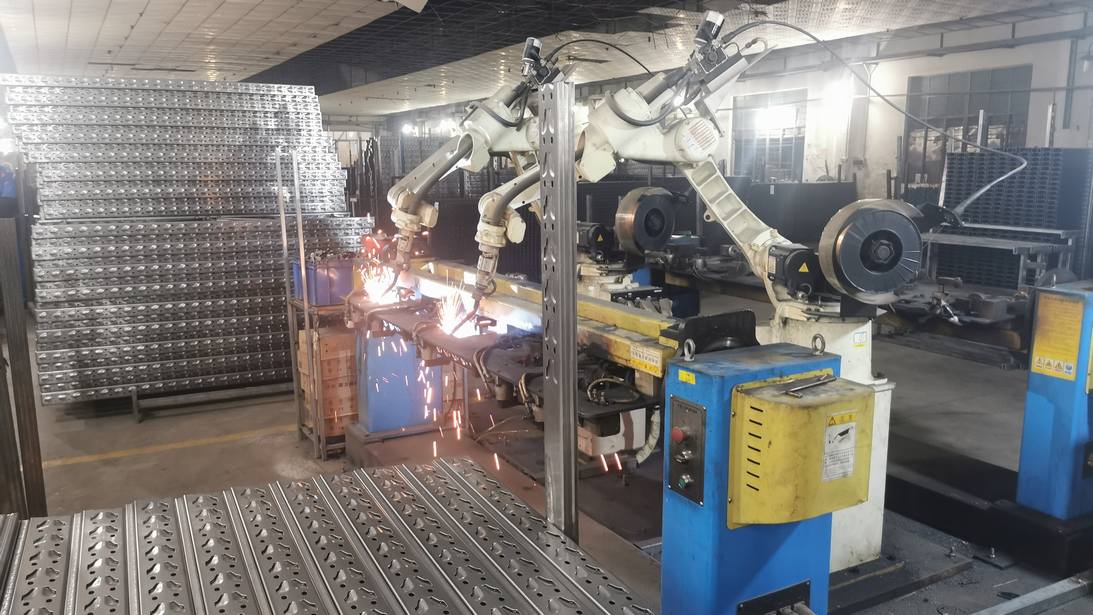
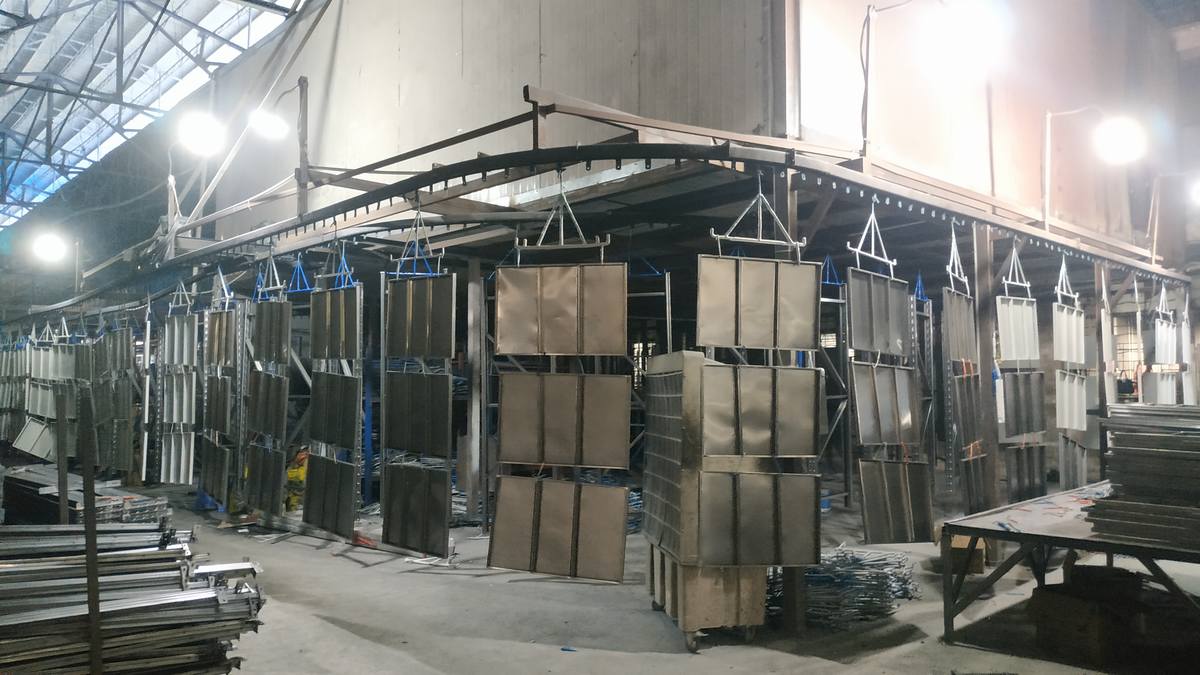
Key technical parameters global procurement departments must analyze prior to final design sign-off.
Ensure the manufacturer uses premium structural carbon steel (like Q235B or Q355B). Cheaper grades can fail under high dynamic stress or in cold-chain environments where low temperatures increase steel brittleness.
Verify that welding is executed in accordance with ISO 3834 or AWS standards. Crucially, ask for ultrasonic weld test reports from the factory's internal QC team or an external third-party laboratory (like SGS or TÜV Rheinland) to check for internal micro-fissures.
The electrostatic powder coating thickness must be between 60 to 90 microns to prevent mechanical scratches and corrosion over years of intensive forklift operation. Ask for salt spray testing reports for humid or sub-tropical warehouse installations.
Ensure that structural calculations conform to local structural codes (like the Rack Manufacturers Institute RMI standards in the USA, or FEM 10.2.02 in Europe). Systems installed in seismic-prone zones must feature enlarged baseplates, double anchor bolts, and seismic bracing panels.
Answers to technical, regulatory, and mechanical questions frequently asked by logistics directors and global buyers.
Select specialized storage solutions designed to fit heavy-duty industrial warehouses, cantilevers, and mezzanine applications.
 Kimsuk Rack