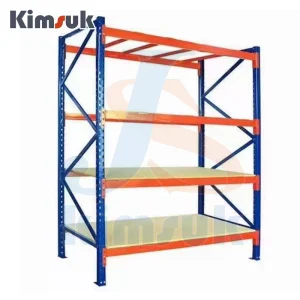
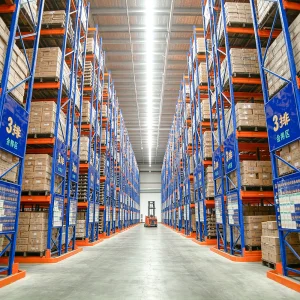
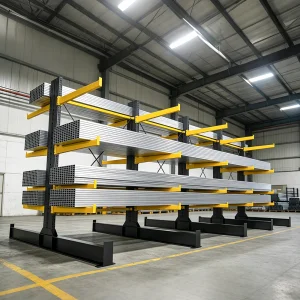
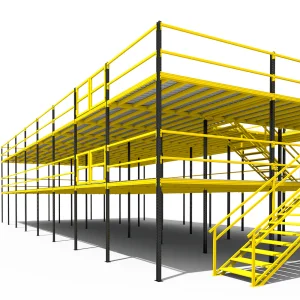
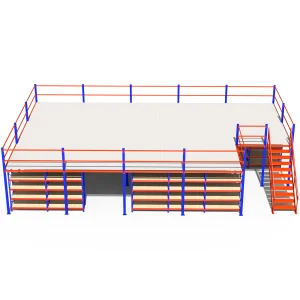
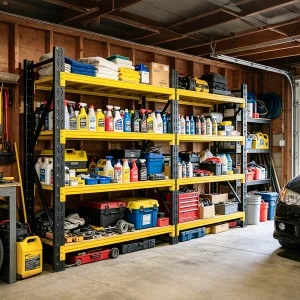
Explore our foundational range of heavy-duty systems configured for dynamic warehouse loading demands
Established in 2015, Shenzhen Kimsuk Storage Equipment Manufacturing Co., Ltd. is a leading industrial warehouse storage systems manufacturer headquartered in Shenzhen, China. Operating from a modern 38,000 m² production facility, we specialize in high-density pallet racking, mezzanine systems, and customized logistics storage solutions for global enterprises.
With over 11 years of deep industry expertise and 8 years of direct international trade experience, Kimsuk generates over $22 million in annual export sales. Our primary overseas markets cover North America, Western Europe, Southeast Asia, and the Middle East, serving heavy-duty distributors, logistics hubs, e-commerce fulfillment centers, and industrial manufacturing plants.
Quality and safety are at the core of our manufacturing philosophy. Backed by 35 dedicated full-time QC specialists, we execute rigorous quality control protocols across all production phases—including spectral raw material testing, ultrasonic weld inspection, dynamic load capacity testing, and automated powder-coating durability checks.
Driven by strong innovation, our internal R&D team consists of 18 experienced structural engineers. Last year alone, we successfully launched 45 new optimized racking designs. We offer extensive OEM/ODM customization options, including tailored load capacities, specific column profiles, seismic-resistant structures, and custom anti-corrosion surface treatments. Supported by an integrated network of over 850 reliable supply chain partners, Shenzhen Kimsuk delivers high-performance, cost-effective warehouse storage systems engineered to maximize your space utilization.
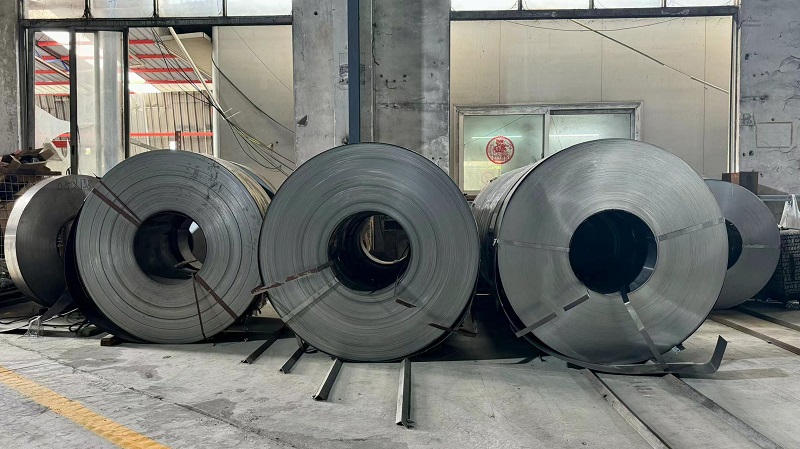
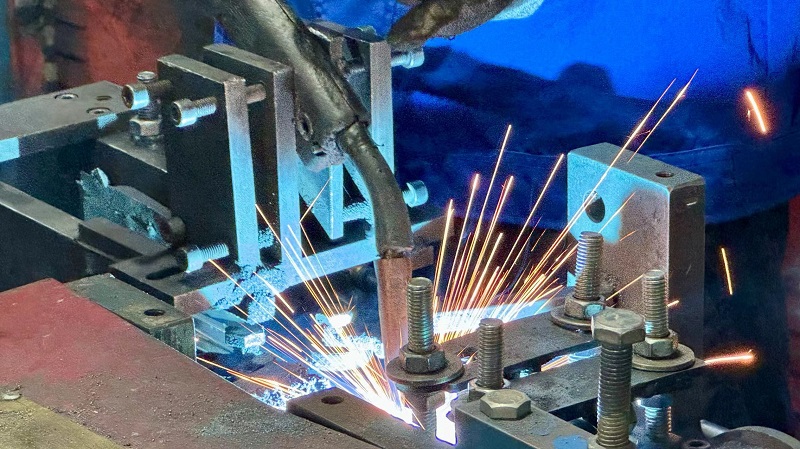
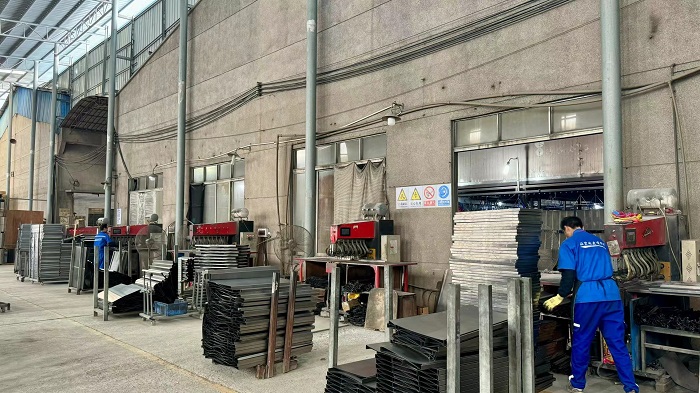
Inside our modern facility: how raw steel is processed into CE-certified storage configurations
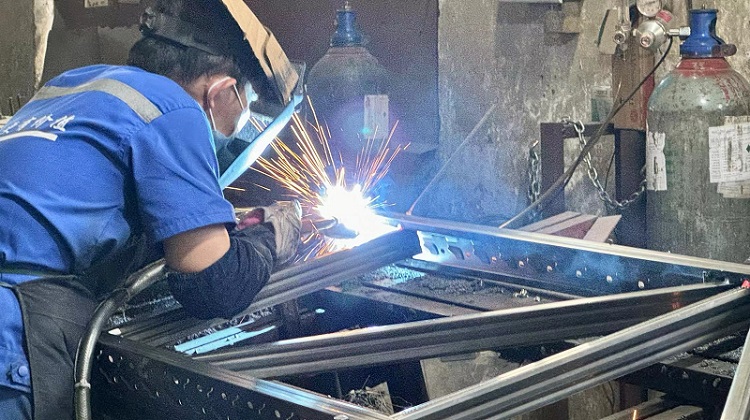
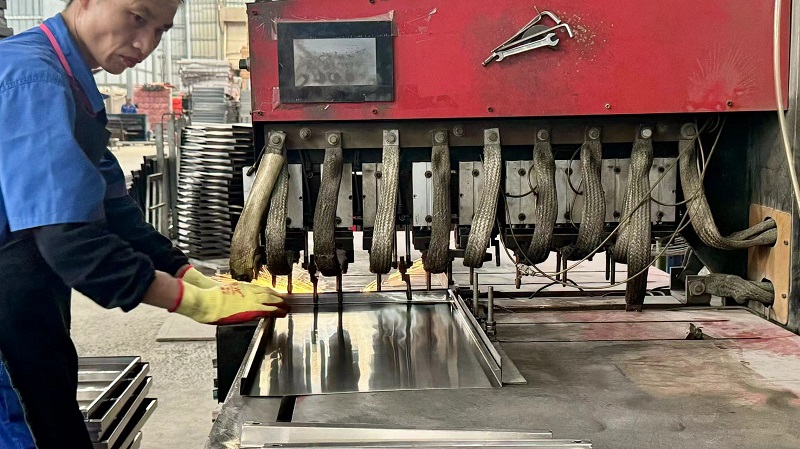
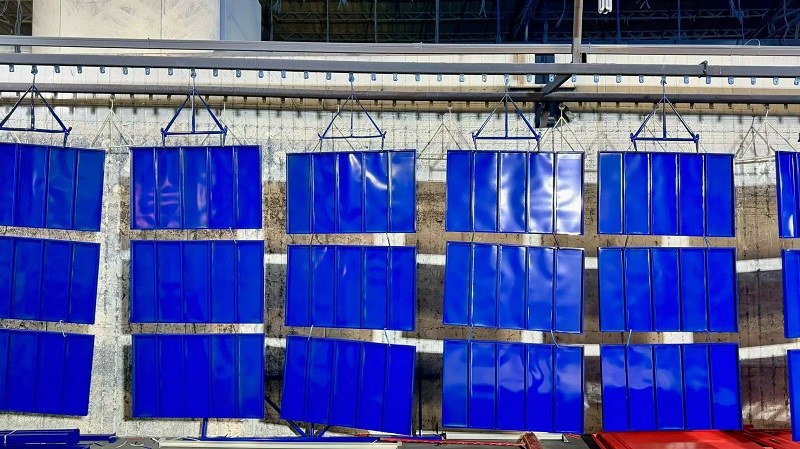
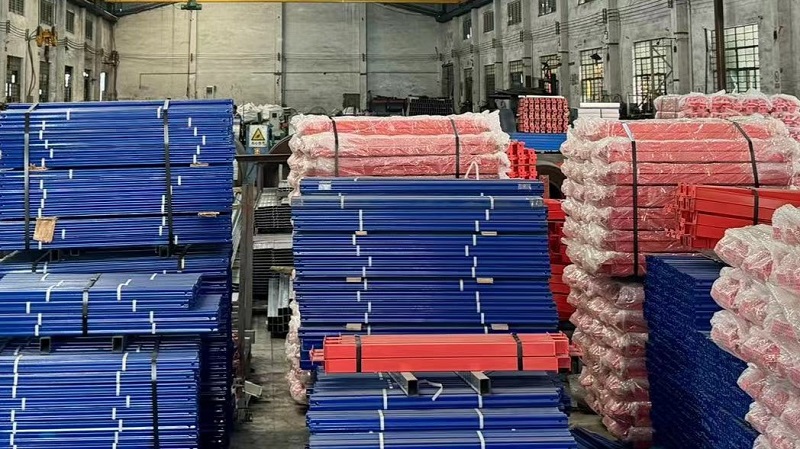
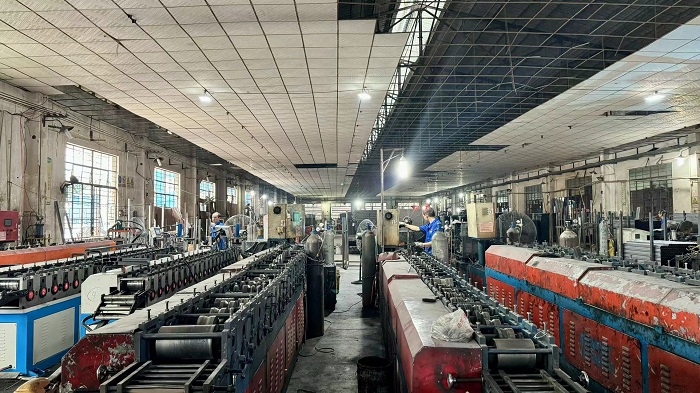
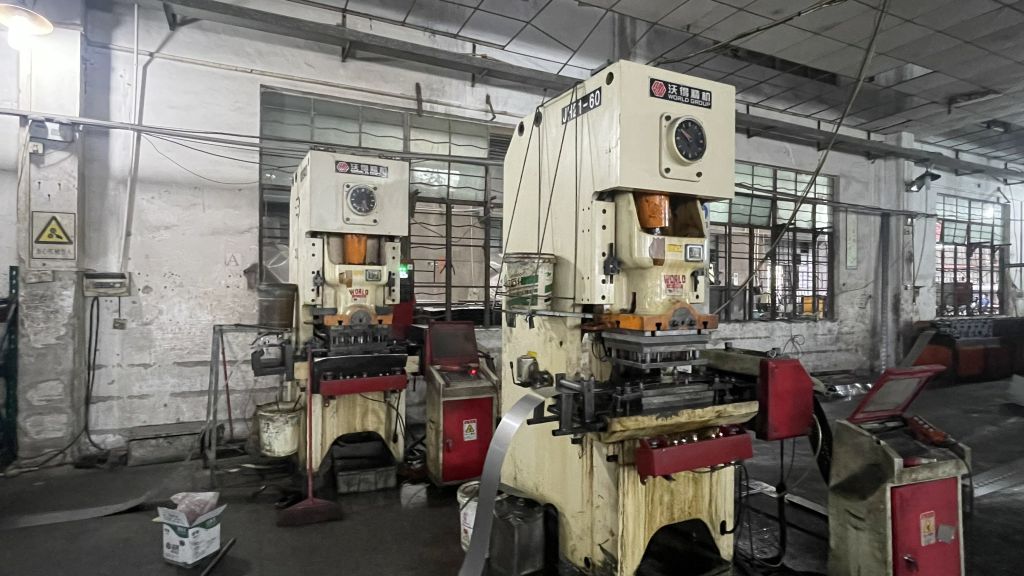
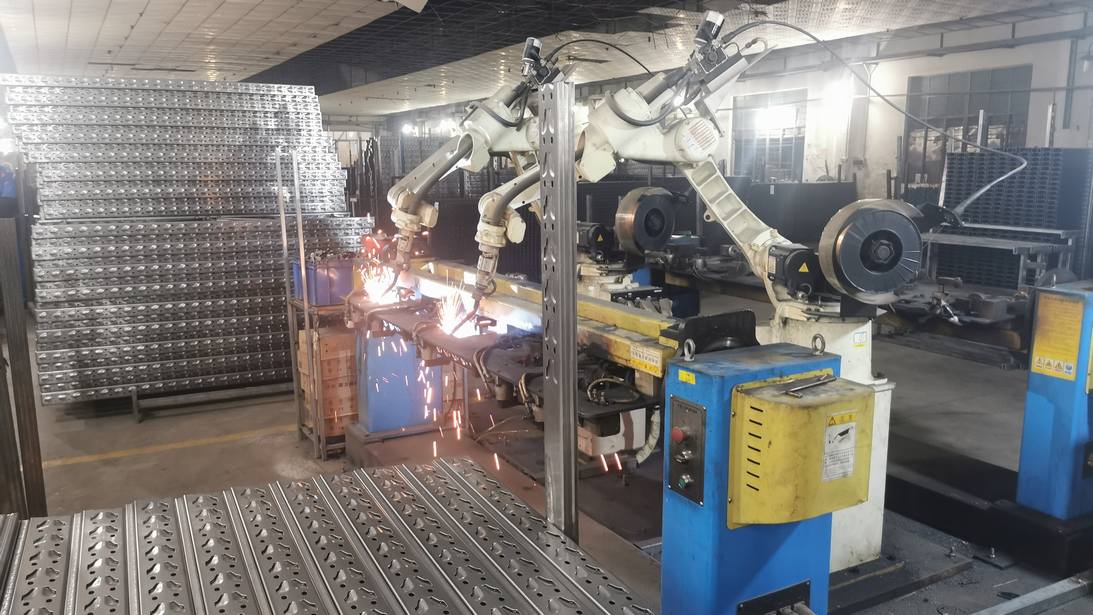
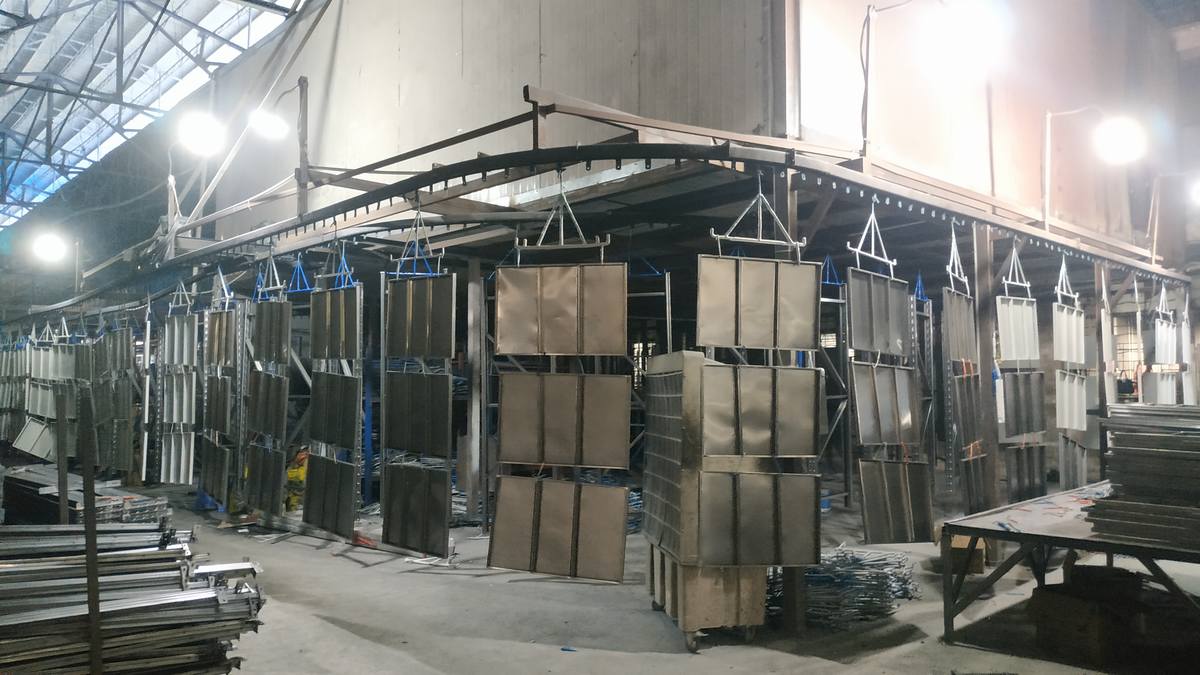
In modern supply chains, warehouse storage systems are no longer treated as passive steel frame configurations. They are dynamic structural assets subject to extreme weight loads, seismic forces, and mechanical impacts. For global enterprises operating within the European Economic Area (EEA) and other strictly regulated regions, the acquisition of CE Certified custom racking systems is a baseline safety and legal mandate.
CE marking signifies that a racking system meets the structural integrity, safety, and health guidelines set forth under European standard EN 15512 (Steel static storage systems – Adjustable pallet racking systems – Principles for structural design) and EN 15620. These guidelines require rigorous calculations regarding upright deflection limits, frame stability under horizontal loads, connection stiffness, and material yield strength tolerances. Standard certifications act as proof that the steel alloy and structural design can withstand calculated capacities without risking cataclysmic collapses.
| Compliance Code | Focus Parameters | Dynamic / Static Load Margin of Safety |
|---|---|---|
| EN 15512 (Europe / CE) | Upright deflection, connection stiffness, frame eccentricity | FOS 1.5 minimum on raw material yield strength |
| RMI (ANSI MH16.1 - USA) | Seismic design categories, column impact protections | Engineered per LRFD/ASD methods |
| AS 4084 (Australia) | Seismic loading, pallet placement tolerances, baseplate anchorages | Rigid load test requirements with physical loading validation |
Procuring industrial racks directly from a specialized factory in China yields substantial structural and economic dividends, provided the exporter runs a vertically integrated production line. As a premium manufacturer in Shenzhen, we utilize regional raw material supply networks, sourcing high-tensile carbon steel (primarily Q235B and Q345B grades) with consistent chemical compositions and high yield points.
Our 38,000 m² facility houses advanced automated machinery that cuts, punches, and cold-rolls profiles with sub-millimeter precision. The integration of Piercer Machines, Stamping Molding Lines, and Automated Welding units ensures each structural joint is continuous and free from metallurgical inclusions. By keeping these operations in-house under the oversight of 35 QC specialists, we eliminate third-party processing margins, reducing baseline costs while enforcing quality controls that comply with international structural design codes.
Corporate procurement directors managing multi-million-dollar distribution hubs face a complex set of requirements: maximizing vertical volumetric space, optimizing material flow, and ensuring multi-decade durability. A generic racking catalog rarely accommodates the nuances of specialized facility layouts. This is where customized design parameters become essential:
Our collaboration with 850 raw material and logistics partners guarantees continuous production runs and predictable delivery timelines.
Our 18-member R&D engineering group develops custom load configurations and unique profile structures designed to match your facility's requirements.
We perform systematic verification protocols, including raw material spectral analysis, weld testing, and powder coat thickness checks.
Our heavy-duty, selective, and multi-tier racking configurations are engineered to serve specific localized use cases across global markets:
High-capacity storage structures manufactured to demanding load-bearing tolerances
Common technical questions answered by our structural engineering and export teams
 Kimsuk Rack