Select from our premium range of industrial warehouse systems, optimized for load safety, configuration adaptability, and certified structural integrity.
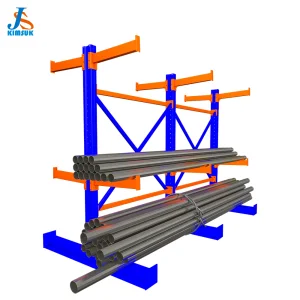

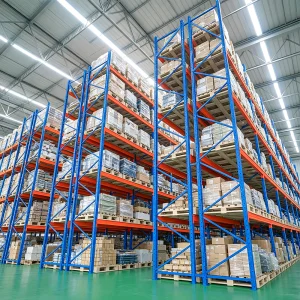
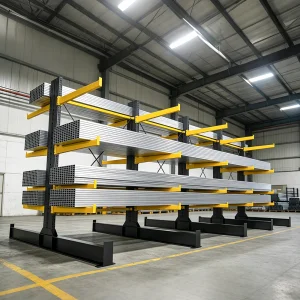
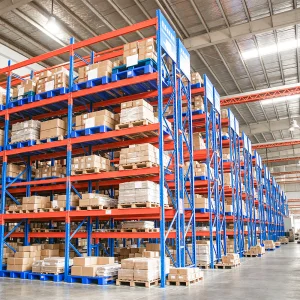
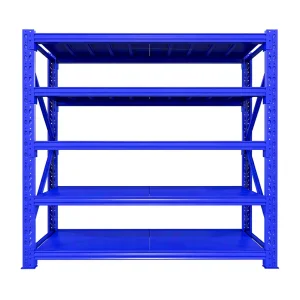
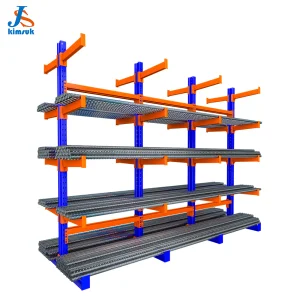
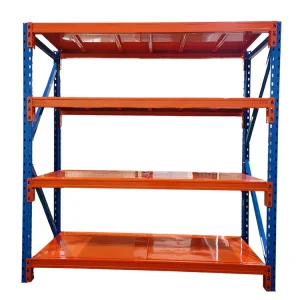
In modern industrial logistics, managing non-standardized cargo—such as heavy metal bars, structural steel sections, timber packs, plastic tubes, and sheet materials—presents distinct engineering problems. Traditional pallet racking systems fail when confronted with continuous long items due to the restrictions of vertical upright profiles. CE Certified Cantilever Racking addresses these storage limitations by utilizing a freestanding design that leaves the picking face completely unobstructed.
From an structural engineering standpoint, cantilever systems are calculated to withstand significant eccentric load stresses. By removing the front column, the rack accommodates unlimited length loads while ensuring immediate selectivity. Every arm must be designed to withstand bending stresses, and columns must resist massive torsional loads. Choosing the correct structural grade of steel (typically Q235B or Q355B) and maintaining strict compliance with EU design codes (such as EN 15635 and EN 15512) is vital for ensuring operational safety under heavy loads.
A failure in heavy-duty storage can result in substantial losses and impact personnel safety. CE marking guarantees that the storage system meets strict European mechanical standards:
Operating as a leading industrial warehouse storage systems manufacturer headquartered in Shenzhen, China, we deliver heavy-duty structural engineering solutions to global markets.
Established in 2015, Shenzhen Kimsuk Storage Equipment Manufacturing Co., Ltd. has developed over 11 years of structural fabrication experience. Working from our 38,000 m² facility, our engineers design high-density pallet racking, heavy-duty mezzanine platforms, and customized cantilever storage systems. Supported by an internal R&D team of 18 structural engineers, we introduced 45 new optimized racking designs last year alone, focusing on seismic resilience and arm deflection limits under load.
Our quality control protocol is managed by our 35 dedicated QC inspectors, who monitor structural integrity from incoming steel rolls through to final shipment. We use spectral raw material testing to verify yield strengths, ultrasonic inspections on heavy weld junctions, and dynamic load testing to verify physical capacity limits under pressure.
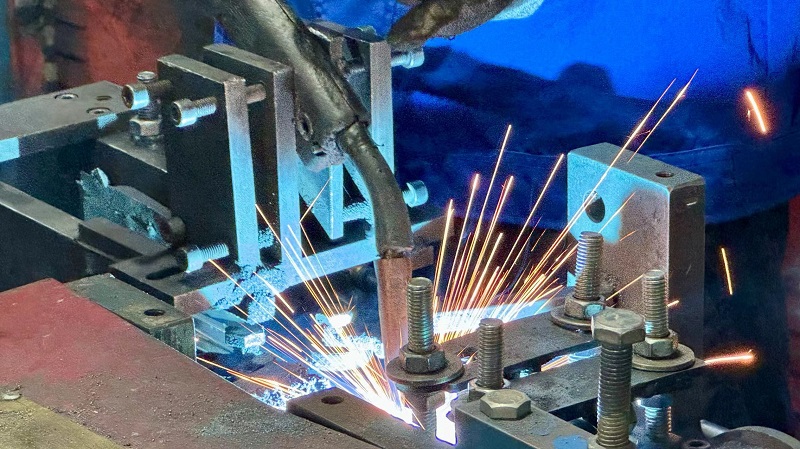
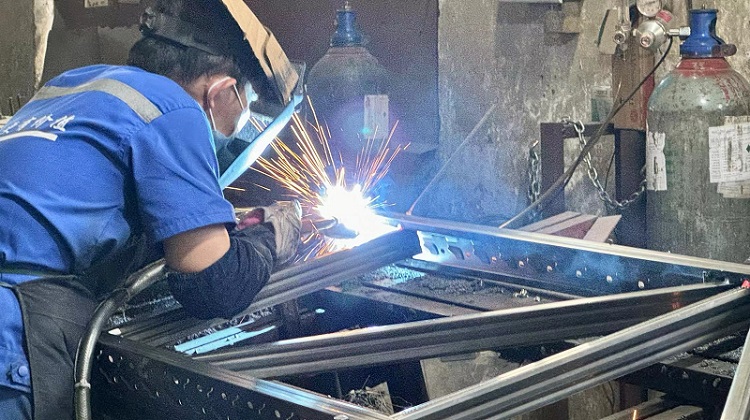
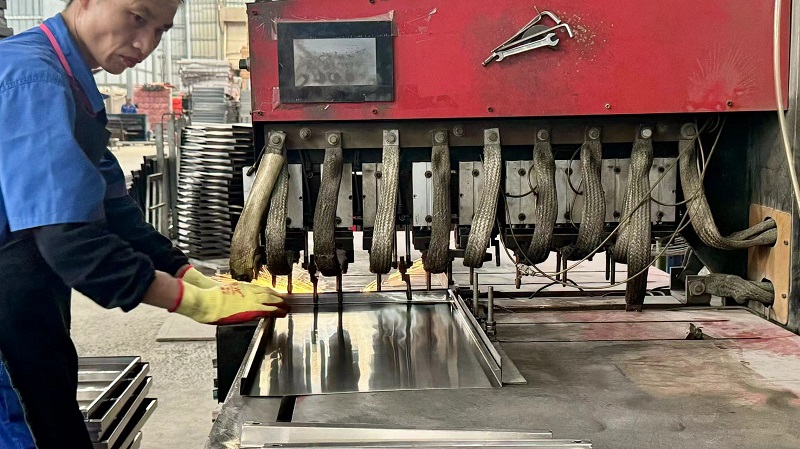
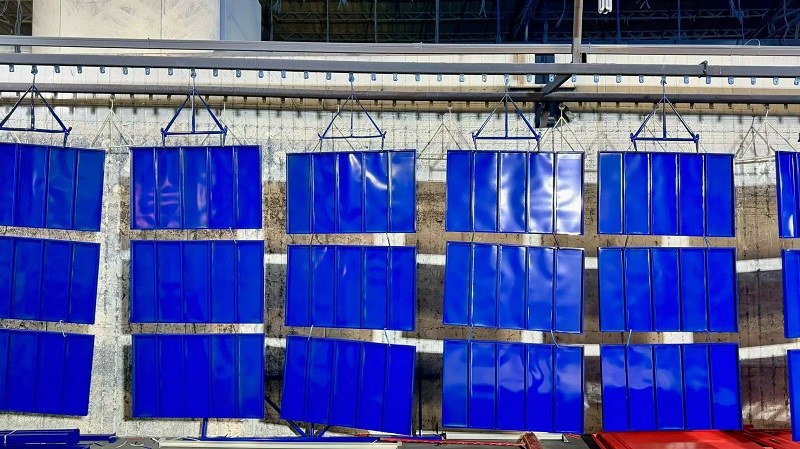
Our facility operates automated machinery and precision welding systems to guarantee consistent tolerances, clean weld lines, and durable powder-coat finishes.
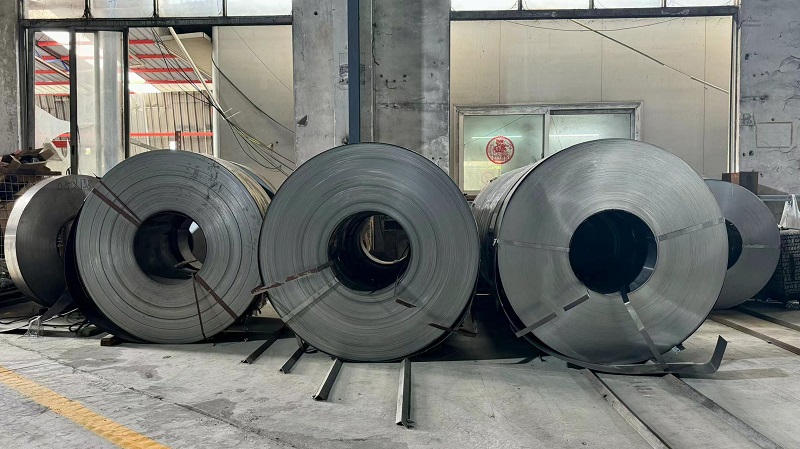
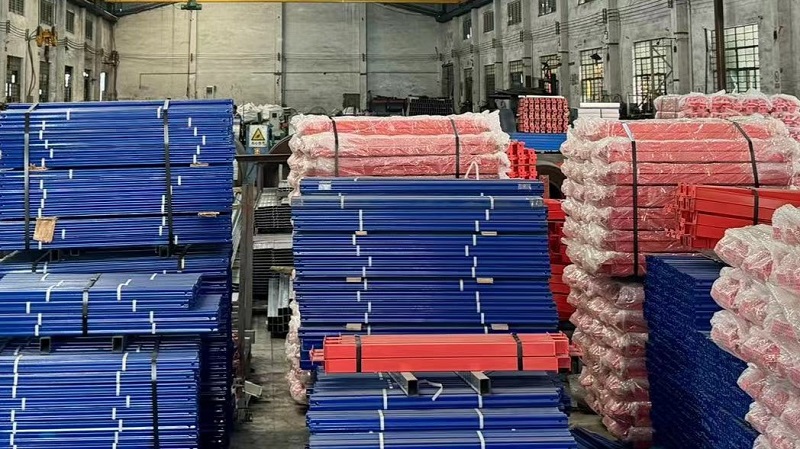
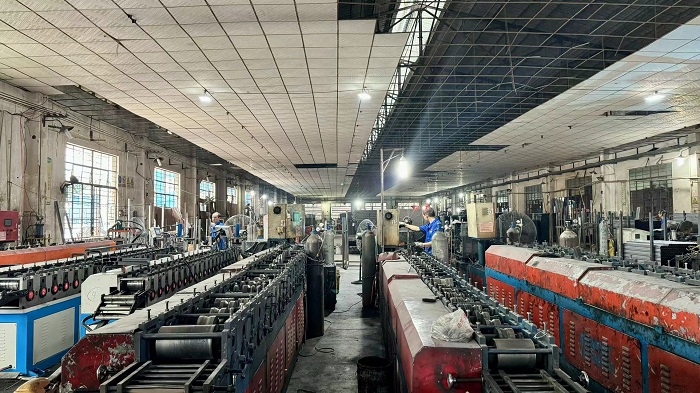
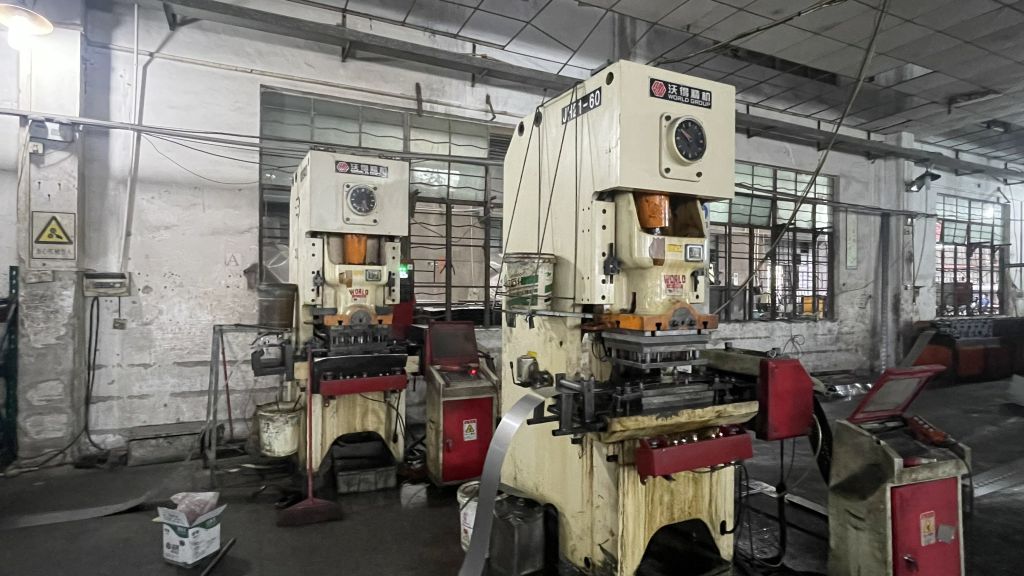
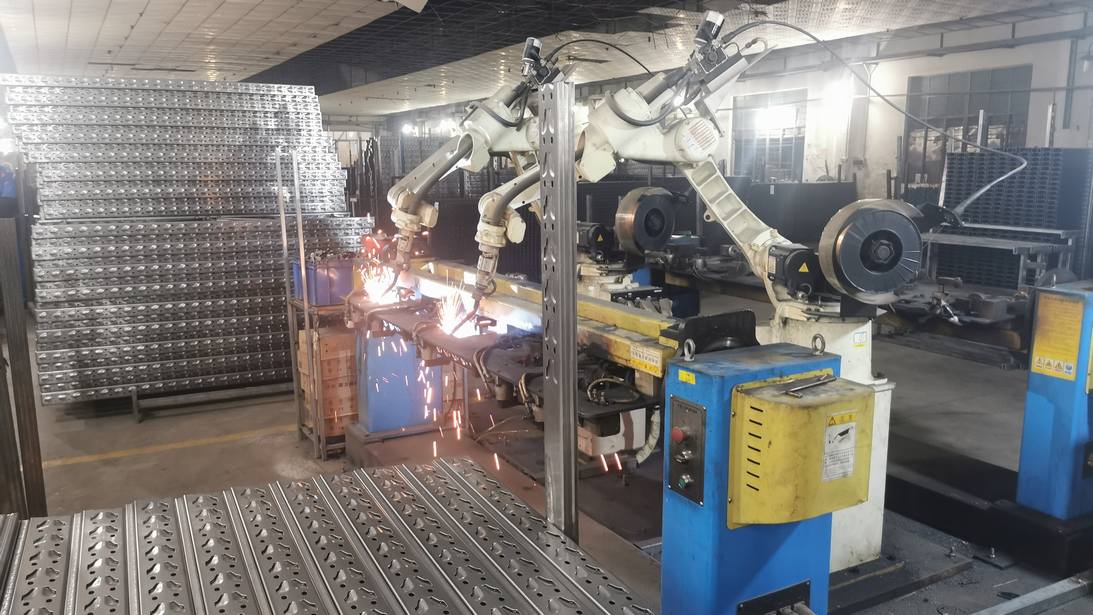
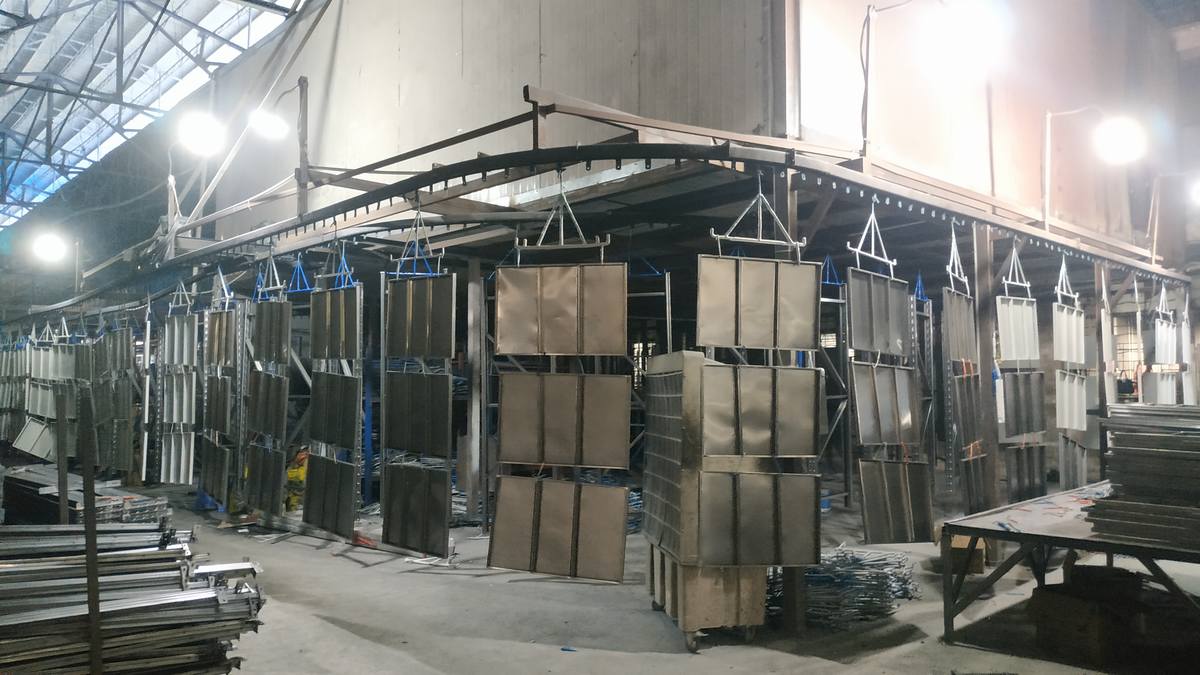
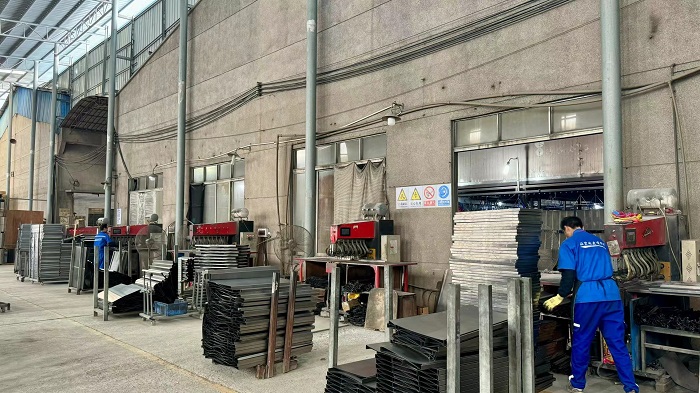
Determining the safe operational limits of a cantilever rack requires careful mechanical design. Standard installations consist of horizontal base plates, upright steel columns, vertical/horizontal bracing bars, and cantilever arms. Crucially, structural integrity is determined by the yield strength of the steel profile and the mechanical properties of the bolted connections.
According to EN 15635 standards, maximum vertical arm deflection must not exceed L/200 (where L is the arm length) when loaded to maximum design capacity. Standard cantilever configurations must also incorporate a safety factor of 1.5 against mechanical failure. We design using structural steel with a yield strength of 355 MPa for systems exceeding 8 meters in height.
| Feature / Component | Roll-Formed Light/Medium Duty | Structural I-Beam Heavy-Duty |
|---|---|---|
| Recommended Materials | Cold-rolled high-tensile steel (Q235B grade) | Hot-rolled structural profiles (Q355B grade) |
| Load per Arm Range | 150 kg to 800 kg per arm | 800 kg to 3,500+ kg per arm |
| Typical Column Heights | 2.0m to 5.0m | 3.0m to 12.0m |
| Arm Deflection Standard | Under L/150 (standard configuration) | Under L/200 (compliant with EN 15635) |
| Surface Finishes | Interpon powder coat (indoor use) | Hot-dip galvanized (outdoor storage) |
| Bracing Configurations | X-braced structural steel flats | Pre-welded hollow tube trusses |
We adapt cantilever systems to meet specific site conditions, seismic requirements, and space constraints across diverse operational environments.
Our heavy-duty cantilever racks store timber packs and sheet materials, preventing sagging or bowing over time. We install custom stop-pins on the arm ends to secure loose bundles, and integrate roof canopies for outdoor yards.
We supply racking for heavy-duty metal bars and piping systems. Plastic protective sleeves are fitted to the arms to prevent scratches, while customized deck panels support shorter items on the cantilever framework.
This layout is designed for storing bulky automotive parts like bumpers, exhaust pipes, and panels. The rack configuration allows workers to load and retrieve parts using standard forklifts, optimizing floor space.
For international buyers, supply chain speed and delivery reliability are critical. Operating from Shenzhen, China, we access structural steel resources and efficient shipping routes. Partnering with 850 raw material suppliers ensures stable steel sourcing even during market fluctuations.
Our proximity to Shenzhen Port and Yantian Port allows us to coordinate container loading and documentation efficiently. This strategic location minimizes inland transit times, lowering overall delivery costs for our global distribution partners.
We also pre-assemble complex bracing panels and base structures prior to shipping. This preparation reduces container volume requirements and shortens assembly times when the system arrives at your facility.
Review answers to common questions regarding structural engineering, CE certification, and cantilever storage configurations.
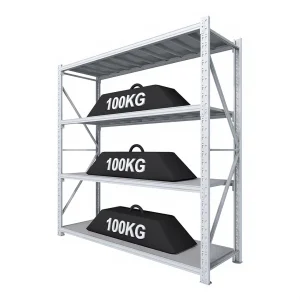
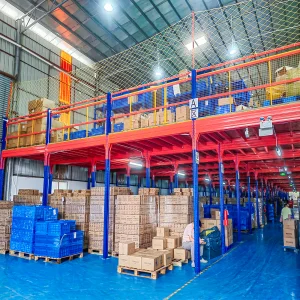
Explore our heavy-duty warehouse storage options, selective pallet racking systems, and custom industrial platform solutions.




 Kimsuk Rack