Choosing among China’s top 10 Longspan Storage rack manufacturers requires more than comparing catalog photographs. Warehouse performance depends on load capacity, beam deflection, steel quality, coating durability, and installation support. A rack may look strong but perform poorly under uneven loading. Details matter.
This guide examines leading Chinese manufacturers through practical and professional criteria. These include factory experience, engineering capability, production standards, quality inspection, customization, export history, and after-sales service. It also considers real warehouse conditions, such as narrow aisles, uneven floors, frequent pallet movement, and changing inventory sizes. Manufacturers with reliable testing procedures should provide load data, material specifications, drawings, and installation guidance. References from established distributors and warehouse operators can offer useful confirmation.
No ranking is perfectly objective. Product quality may vary between projects, even within one factory. Some public information may also become outdated. Buyers should verify certifications, production capacity, delivery schedules, and warranty terms before signing contracts. A responsible supplier should explain anchor requirements, safety factors, and recommended loading methods without hiding limitations. The strongest companies usually combine responsive communication with consistent manufacturing control. They also admit when a design needs revision. That is a valuable sign.
The following overview presents ten notable manufacturers and explains where each may fit. Some may suit heavy-duty warehouses, while others focus on flexible retail or workshop storage. Practical comparison remains essential.
What Are Longspan Storage Racks and Where Are They Used?
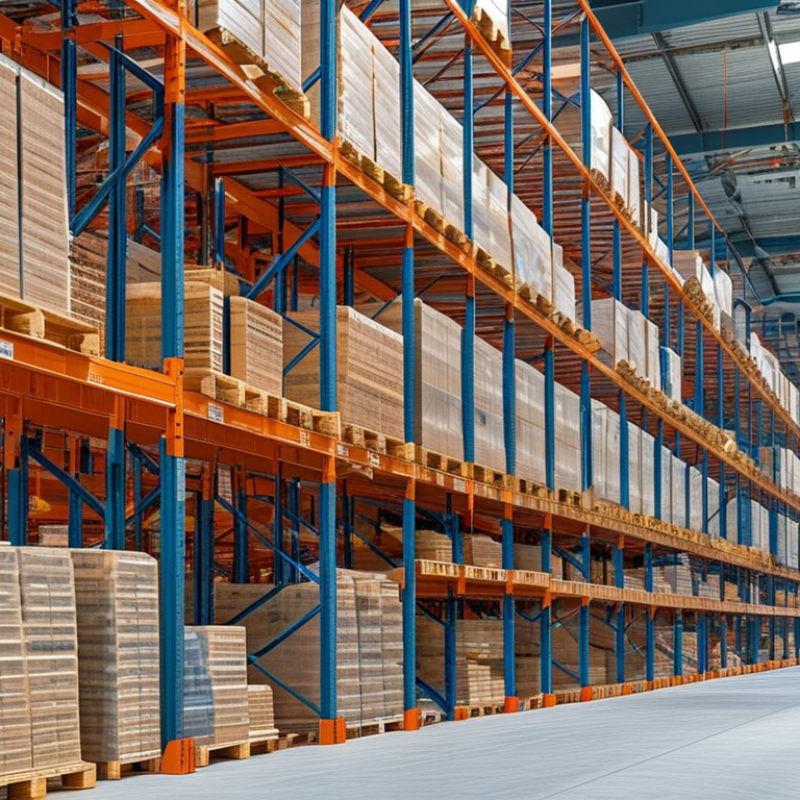
Longspan storage racks are modular, hand-loaded systems for medium-duty goods. They usually combine steel uprights, horizontal beams, and adjustable shelves. Unlike pallet racks, they suit cartons, spare parts, tools, archive boxes, and small components. Workers can pick products directly from the aisle without forklifts. That makes them useful in workshops, retail backrooms, warehouses, offices, and e-commerce picking areas.
Demand is becoming harder to ignore. The U.S. Census Bureau reported that e-commerce sales reached about $1.19 trillion in 2024, representing 16.1% of total retail sales. This growth increases pressure on compact, accessible storage. Longspan racks can create two or three usable levels, but the result depends on load weight, bay width, shelf span, and picking frequency. A common mistake is treating every shelf as equally strong. It is not. The rack, floor, anchors, and nearby fire equipment must work together. Load labels should remain visible after installation.
Tips: Measure the largest carton first. Leave space for hand access. Check beam deflection, floor condition, and aisle clearance. Use professional calculations for heavy or tall bays. Standards differ by location, so confirm the design against applicable safety codes. A cheaper rack may fit today, yet become inconvenient after stock changes. That assumption deserves review.
How to Evaluate China’s Top 10 Longspan Storage Rack Manufacturers
China Top 10 Longspan Storage Rack Manufacturers?
How to Evaluate China’s Top 10 Longspan Storage Rack Manufacturers
A top-ten list should begin with evidence, not factory photographs. China’s logistics industry handled 352.4 trillion yuan in social logistics value in 2023, according to the China Federation of Logistics and Purchasing. This scale increases demand for safer, denser, and more adaptable storage systems.
352.4 trillion yuan
China’s social logistics value in 2023
Check each manufacturer’s steel certificates, welding procedures, load calculations, and coating records. Ask for independent testing reports, not only internal inspection sheets. EN 15512 provides useful guidance for adjustable pallet racking design and structural safety. Longspan racks also need clear beam capacities, upright tolerances, and floor-load requirements. Small data gaps matter.
A factory audit should follow one order from raw steel to packed components. Verify material traceability, batch labeling, dimensional checks, and final torque inspection. Request photographs of real installations, including aisles, bracing, and damaged-part replacements.
MHI’s 2024 Annual Industry Report found that 76% of supply-chain leaders planned to increase technology investment. Therefore, ask whether the rack design supports barcode scanning, automated handling, or future layout changes.
Price comparisons can mislead. A thinner upright may reduce the quotation but increase deflection or replacement risk. Delivery promises also require proof from production schedules and export records. I would not trust a polished showroom alone. Even experienced buyers can overlook corrosion protection or local fire requirements. A reliable supplier explains these weaknesses before signing, which is less comfortable, but more credible.
What Products and Customization Options Do These Manufacturers Offer?
China’s leading longspan storage rack manufacturers offer more than standard steel frames. Their product ranges often include adjustable shelving, multi-tier units, carton-flow shelves, workstations, and light-duty mezzanine platforms. These systems suit warehouses, workshops, archives, and retail backrooms.
Customization usually starts with rack length, depth, and height. Buyers can select beam levels, shelf materials, load ratings, and surface finishes. Common options include steel panels, wire decking, laminated boards, and reinforced supports. Some manufacturers also provide boltless designs for faster assembly. Others produce welded structures for higher stability. Experienced suppliers should confirm load tests, material thickness, coating quality, and installation conditions. Drawings and sample sections can prevent expensive misunderstandings.
Tips: Measure aisle width, ceiling height, floor strength, and product weight before requesting a quotation. Ask for a clear load chart, tolerance details, and replacement-part support. Do not choose capacity from appearance alone. A heavily loaded shelf can look stable and still fail under uneven weight. In practice, the first layout is rarely perfect. Seasonal stock, awkward cartons, or future equipment may expose weak assumptions. Leave practical adjustment space, even when the current warehouse seems full.
China Top 10 Longspan Storage Rack Manufacturers: Products and Customization Options
Representative availability of common longspan storage rack products and customization options across a top-10 manufacturer comparison.
The chart compares how frequently each product or customization option is offered in a representative review of ten leading manufacturers. Higher values indicate broader availability rather than production volume or market share.
How Do China’s Leading Rack Manufacturers Compare on Quality and Service?
Comparing China’s top ten longspan storage rack manufacturers requires more than checking steel thickness or factory photos. Quality appears in the details: straight beams, clean welds, stable connectors, and an even powder-coated surface. In warehouse projects, request material certificates, load calculations, and samples from the same production line. A polished sample can mislead. Production consistency matters more.
Service separates capable suppliers from convenient sellers. Strong manufacturers ask about pallet size, aisle width, floor condition, loading frequency, and local safety requirements before quoting. Their engineers should provide drawings, anchor guidance, and installation instructions that workers can follow. Response speed also matters after delivery. A damaged upright or missing bolt needs a clear replacement process, not vague promises. Ask for references from comparable warehouses and check whether the stated lead time was actually met.
The best comparison weighs quality control and service together. A low price may hide thinner components, weaker packaging, or costly installation delays. Still, no supplier is perfect. Some factories communicate well but offer limited customization. Others engineer excellent racks but respond slowly across time zones. That trade-off deserves written clarification. Before signing, confirm inspection points, tolerance limits, spare-part support, warranty coverage, and responsibility for site problems. Evidence matters. A supplier earns trust through steady communication and accurate limits, not impressive claims alone.
What Should Buyers Check Before Choosing a Longspan Rack Supplier?
China Top 10 Longspan Storage Rack Manufacturers?
A top-ten list can attract attention, but it cannot confirm supplier quality. Buyers should inspect the rack system, production controls, and service capacity before comparing prices. Ask for load tables, steel specifications, beam dimensions, and allowable deflection. These details reveal whether the supplier understands real warehouse conditions.
Visit the factory when possible. Check welding consistency, powder coating coverage, hole alignment, and storage practices for finished parts. Request recent project references with similar bay widths and load requirements. A reliable supplier should provide clear drawings, installation guidance, inspection records, and replacement-part support. Independent testing can also verify load performance and material claims. Cheap quotes may exclude anchors, protectors, delivery, or installation. That mistake becomes expensive later.
Tips: Measure your pallets and aisle space personally. Confirm the heaviest load, not the average one. Ask how the rack performs after minor impact. Review warranty terms line by line. Check whether local engineers can answer technical questions quickly. I once focused too heavily on unit price and overlooked installation tolerances. The design looked correct, but uneven flooring created alignment problems. That experience changed my checklist. Do not accept polished photographs as proof. Request current production videos, sample measurements, and signed inspection documents. Some suppliers may not welcome detailed questions. That response is useful information.
FAQS
Request steel certificates, welding procedures, load calculations, and coating records. Ask for independent test reports, not only internal inspection sheets. Small gaps matter.
Follow one order from raw steel to packed components. Check material traceability, batch labels, dimensions, and final torque inspection. Look closely.
Review beam capacities, upright tolerances, allowable deflection, and floor-load requirements. Confirm the design matches your heaviest pallet, not the average load.
Inspect welding consistency, powder coating coverage, hole alignment, and finished-part storage. Uneven coating or careless storage may suggest future corrosion or assembly problems.
No. Request recent photographs showing aisles, bracing, and damaged-part replacements. Current production videos and sample measurements provide stronger evidence. Showroom images can mislead.
Compare complete system costs, including anchors, protectors, delivery, installation, and replacement parts. A thinner upright may reduce the quotation but increase deflection risk. Cheap quotes mislead.
Ask for production schedules, batch status, and previous export records. A promised shipping date needs evidence. Words are not enough.
Ask whether the design supports barcode scanning, automated handling, and layout changes. Leave practical space for cables, scanners, and moving equipment. Future plans are often vague.
Confirm installation guidance, inspection records, warranty terms, and replacement-part support. Check whether local engineers answer technical questions quickly. Slow answers matter.
I once focused too heavily on unit price and overlooked installation tolerances. The design looked correct, but uneven flooring caused alignment problems. Measure the floor personally.
Conclusion
Longspan Storage racks are versatile, medium-duty shelving systems designed to organize bulky, oversized, or irregularly shaped goods in warehouses, workshops, retail backrooms, archives, and distribution centers. This article explains how to evaluate China’s top 10 longspan rack manufacturers by examining production capabilities, material quality, structural design, safety standards, delivery reliability, customer support, and industry experience. It also reviews the product ranges and customization options commonly available, including adjustable shelf levels, different load capacities, surface finishes, dimensions, decking materials, and modular configurations.
The comparison focuses on how leading manufacturers differ in quality control, engineering support, installation guidance, warranty coverage, and after-sales service. Before choosing a supplier, buyers should verify certifications, load testing data, raw material specifications, manufacturing consistency, packaging methods, lead times, replacement-part availability, and communication efficiency. A careful assessment of these factors can help businesses select a dependable longspan shelving solution that matches their storage requirements, budget, facility layout, and long-term operational goals.

 Kimsuk Rack