Optimizing Radio Shuttle Storage is crucial for modern warehousing. As businesses expand, efficient storage solutions become essential. Radio Shuttle Storage offers versatility and high-density solutions, seamlessly integrating with various warehouse layouts. This innovative system uses automated shuttles to store and retrieve pallets, making operations faster and more effective.
However, achieving optimal performance isn't straightforward. Factors like layout, equipment, and inventory management must align. A poorly designed system can lead to wasted space and time. Understanding your specific operational needs is vital for a successful implementation. Engaging with experienced professionals can help identify the right strategies and mitigate potential pitfalls.
The benefits of Radio Shuttle Storage are clear. Enhanced efficiency can lead to reduced labor costs and improved order accuracy. Yet, companies must remain vigilant about ongoing maintenance and updates. Planning for scalability is necessary as businesses grow and evolve.
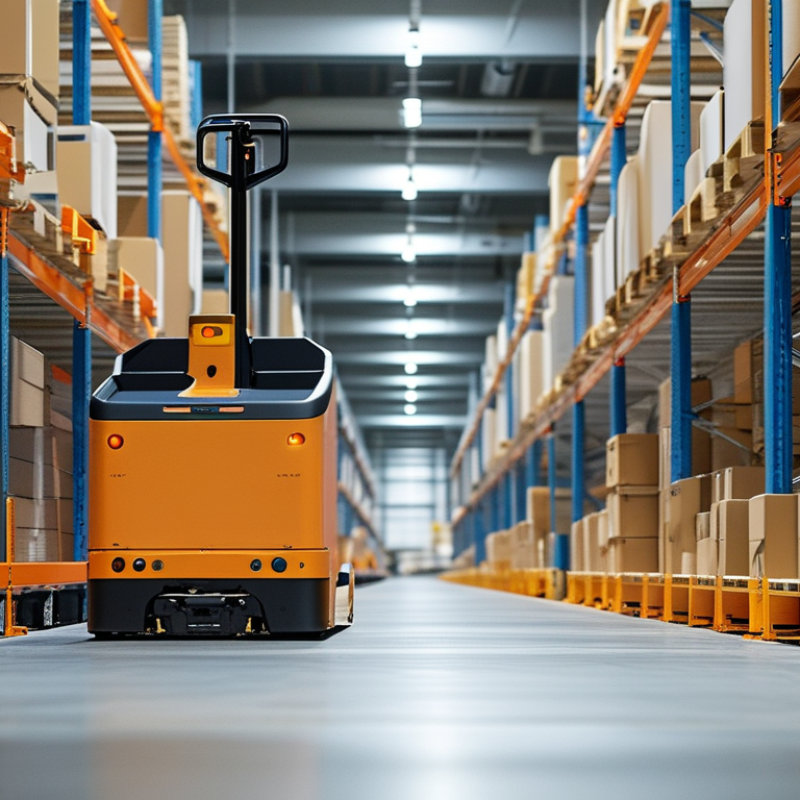
Understanding Radio Shuttle Storage Systems in Warehousing
Radio shuttle storage systems are transforming modern warehousing. These systems feature autonomous shuttles that transport goods within racking. They optimize storage space and enhance retrieval efficiency. According to industry studies, such systems can increase storage density by up to 60%. They improve inventory management and order fulfillment, making them a crucial asset for warehouses aiming for high efficiency.
Tips for implementing radio shuttle systems include assessing the layout of your warehouse. Ensure racking heights are optimal for shuttle access. Shuttles should align with your product dimensions and flow. Current reports suggest that poorly matched systems can lead to inefficiencies, reducing the benefits of automation. Regular training for operators is crucial; it promotes effective use of technology.
Another critical aspect is maintenance. Scheduled inspections can prevent outages. Delays in operations due to technical failures often stem from neglecting this. According to recent data, about 20% of operational downtime is caused by unexpected equipment malfunctions. It's vital to budget for consistent maintenance to protect your investment in radio shuttles. Proper management ensures smoother operations across the warehouse.
| Feature | Description | Benefits | Efficiency Metrics |
|---|---|---|---|
| Storage Density | Maximizes use of vertical space with stacked pallets. | Increases available storage without expanding footprint. | Up to 30% more storage capacity. |
| Loading/Unloading | Uses shuttles to facilitate rapid loading and unloading. | Reduces time spent on manual handling. | Decreases loading/unloading time by up to 40%. |
| Flexibility | Accommodates various pallet sizes and types. | Enhances inventory management options. | Improves adaptability in diverse operations. |
| Reduced Labor Costs | Minimizes reliance on manual labor for retrieval. | Lowers operational costs over time. | Potential savings of up to 20% on labor costs. |
| Inventory Accuracy | Automated systems reduce human error. | Enhances tracking and documentation of inventory. | Achieves accuracy rates above 99%. |
: Radio shuttle storage increases storage density, boosting warehouse capacity by up to 80%.
Automated handling reduces labor costs and errors, decreasing picking time by up to 50%.
Initial investments can be substantial, so weigh costs against potential long-term savings.
Training reduces human errors and is essential for smooth operation and system success.
Analyze turnover rates to place high-turnover items closer, reducing pick times and improving efficiency.
Choosing the right shuttle for various weight capacities ensures smooth operations and efficiency.
Well-maintained systems reduce downtime and ensure consistent operational flow.
Encouraging feedback allows for discovery of small inefficiencies, leading to impactful adjustments.
Regularly evaluate metrics to identify areas for improvement and refine processes accordingly.
Yes, balancing efficiency and potential pitfalls is necessary for leveraging the benefits effectively.
Radio Shuttle Storage is an innovative solution designed to enhance efficiency in warehousing by optimizing inventory management. This system allows for high-density storage and quick retrieval of goods, making it ideal for businesses looking to maximize their storage capabilities. Key benefits include improved space utilization, increased picking speeds, and reduced labor costs.
To fully leverage the advantages of Radio Shuttle Storage, warehouses should prioritize effective layout design, ensuring that the flow of operations is seamless. Integrating technology such as automated controls can further enhance the efficiency of the system, allowing for real-time inventory monitoring and management. By adopting strategic operational practices, companies can maximize the utilization of Radio Shuttle Storage, driving overall productivity and profitability in their warehousing operations.

 Kimsuk Rack