How to Choose Stacking Systems in 2026?
Choosing the right Stacking Systems now requires more than comparing storage height and purchase price. Warehouses face tighter footprints, faster order cycles, higher labor costs, and changing product sizes. A system that looks efficient on paper may create delays beside the loading dock. Real performance appears during peak season, not during a quiet demonstration.
Professor René de Koster, a leading warehouse operations researcher, offers a useful principle: “The best warehouse design supports the process, not just the storage location.” That idea should guide every 2026 evaluation. Measure pallet movement, retrieval time, aisle access, load stability, and worker visibility. Check how the system handles damaged packaging, irregular pallets, and urgent orders. Small details matter.
Safety comes first.
Review load ratings, guarding, inspection routines, and operator training. Compare selective racking, drive-in systems, mobile racks, pallet flow solutions, and automated stacking equipment. Ask vendors for documented case studies, maintenance response times, integration limits, and five-year operating costs. Independent testing and experienced installation partners also strengthen reliability.
No single option wins everywhere. That is the uncomfortable part. A high-density system may reduce floor usage but slow access. Automation may improve consistency but demand better data and technical support. Even expert recommendations can miss local conditions. Walk the site, test realistic workflows, and challenge optimistic figures. The best Stacking Systems choice should remain safe, adaptable, measurable, and practical when demand suddenly changes.
What Are Stacking Systems and How Do They Work?
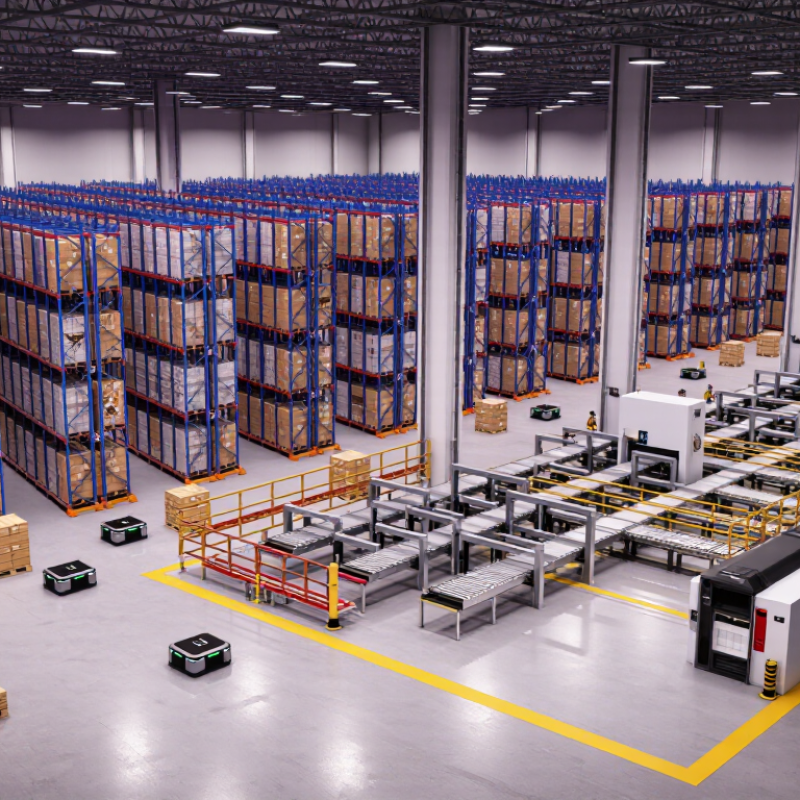
A stacking system is an organized method for placing goods vertically, using racks, frames, lifts, conveyors, or guided equipment. It converts unused floor height into storage capacity. In a manual setup, workers place pallets or cartons into fixed levels. In an automated setup, sensors identify a load, software checks its location, and a lift or shuttle moves it to an assigned position. Retrieval follows the same path in reverse. Simple in theory.
The system depends on several linked decisions. Load weight affects beam strength and lifting power. Package size determines clearance between levels. Sensors monitor position, movement, and possible obstructions. Control software records each location, although bad data can send equipment to the wrong aisle. Safety barriers, emergency stops, and routine inspections are not optional features. They protect people when mechanical or human errors occur.
When choosing a system in 2026, measure real operating conditions rather than relying on catalog figures. Record daily throughput, peak-hour demand, ceiling height, floor tolerance, and temperature changes. A high-density design may save space but slow access. A faster design may consume more energy and require skilled maintenance. Small details matter: uneven flooring, damaged pallets, and awkward product shapes can disrupt an impressive plan. The first design is rarely perfect. Leave room for testing, adjustment, and honest review.
Which Storage Requirements Should Guide Your System Choice?
How to Choose Stacking Systems in 2026?
Which Storage Requirements Should Guide Your System Choice?
Choosing a stacking system starts with the goods, not the equipment catalogue. Measure pallet weight, dimensions, stability, and daily movement. A light carton needs different support from a dense machine part. Record the tallest load and the lowest ceiling beam. Small measurement errors can create expensive clearance problems.
Storage density matters, but it should not control every decision. High stacking may reduce floor use, yet it can slow picking and increase handling risk. Check your stock rotation, aisle width, lifting equipment, and replenishment pattern. Fast-moving products often need easier access. Seasonal goods may justify deeper storage. Your building’s floor strength and local safety requirements also deserve professional review. I have seen layouts that looked efficient on paper but created awkward turning points during real shifts.
Tips: Test the proposed system with sample pallets. Mark the footprint with tape. Walk the full route with the actual handling equipment. Ask operators where delays may appear. Recheck load ratings after product changes. Do not trust a single spreadsheet. A practical trial can reveal noise, blocked sightlines, or unsafe reaching that drawings miss. Document inspections, training, and maintenance checks. These records support safer decisions and make future changes easier.
How Do Different Stacking System Types Compare?
How to Choose Stacking Systems in 2026?
How Do Different Stacking System Types Compare?
Different stacking systems solve different warehouse problems. Selective racking gives direct access to every pallet, but it uses more floor space. Drive-in racking stores more pallets in less space. However, it suits stable products with limited stock rotation. Push-back systems improve density while keeping better access. Pallet-flow systems support FIFO movement, especially for food, medicine, and dated inventory.
Automated storage and retrieval systems offer high throughput and precise stock control. They also demand reliable software, accurate data, and significant capital investment. The 2024 MHI Annual Industry Report found that 55% of supply chain leaders planned to increase technology investment. That signals stronger automation interest, but not automatic suitability. A small warehouse may gain more from adjustable racking and clearer aisle design.
Floor stacking remains the lowest-cost option. It can work for uniform pallets with fast turnover. It becomes difficult when workers need individual pallet access. The U.S. Bureau of Labor Statistics reported roughly 1.5 million warehouse and storage workers in 2023. Ergonomics and travel distance therefore deserve serious attention. In practice, I compare pallet dimensions, turnover, ceiling height, aisle width, and expansion plans. I also test an ordinary busy day, not only ideal conditions. That is where many neat calculations fail.
How Can You Evaluate Safety, Space, Cost, and Flexibility?
Choosing a stacking system in 2026 starts with evidence, not maximum pallet count. Walk the real route first. Measure aisle width, ceiling clearance, floor flatness, and turning space. A loaded pallet may sit safely on paper but fail during a sharp forklift turn. OSHA guidance recommends regular inspections, visible load ratings, and protection from impact damage. Those details matter more than attractive capacity figures.
Space efficiency must also support daily work. The 2024 MHI Annual Industry Report identifies cloud computing and automation as major supply-chain technologies. It reports cloud adoption at 55% among surveyed organizations. That does not mean every warehouse needs automation. A simple selective system may outperform a denser design when staff need frequent access. Count replenishment moves, not just pallet positions. One overlooked aisle can erase the promised savings.
Cost evaluation should include installation, inspections, training, repairs, and future relocation. Compare the five-year cost per accessible pallet. Also test flexibility. Can the system handle changing pallet heights, seasonal inventory, and different load weights? Ask for engineering calculations and documented testing. I would not trust a quotation based only on maximum load. It is an easy number to sell, and an incomplete one. Some teams also underestimate floor reinforcement costs. That mistake appears late, when change becomes expensive.
What Steps Ensure Successful Stacking System Selection in 2026?
In 2026, successful stacking selection should begin with a measured operating brief, not a product catalogue. Record pallet dimensions, unit weights, daily movements, aisle widths, ceiling height, and peak-season demand. Photograph damaged floors and awkward corners. These details expose constraints that drawings often hide. Define the target clearly. Is the priority capacity, retrieval speed, labor reduction, or safer handling? A system cannot optimize everything equally.
Next, compare designs against documented load ratings, stability calculations, access requirements, and maintenance procedures. Ask suppliers for test evidence, installation tolerances, inspection schedules, and training records. Independent engineering review is valuable when loads are tall, mixed, or frequently repositioned. Check compatibility with current handling equipment and inventory software. A technically impressive structure may still create bottlenecks at the receiving door. Run a small pilot with representative pallets. Measure retrieval time, error rates, noise, and operator comfort during normal and peak shifts. Keep the failed assumptions visible.
Budget for the whole lifecycle, including floor preparation, sensors, repairs, energy use, upgrades, and eventual removal. Verify that proposed controls support cybersecurity, access logging, and safe manual override. Confirm alignment with applicable building, fire, workplace safety, and electrical requirements in each operating region. Request references from comparable facilities, then speak with their maintenance teams, not only sales contacts. Their comments reveal recurring faults and hidden labor. Leave expansion space, but avoid paying for theoretical growth. I have seen teams overvalue maximum capacity and undervalue recovery after a jam. That mistake is expensive. Review the selection with operators before signing, and record every unresolved risk with an owner and deadline.
FAQS
Measure pallet length, width, weight, stability, and daily movement. Record the tallest load and lowest ceiling beam. Check floor strength and aisle width. Small errors can create costly clearance problems.
Fast-moving goods need quick access and shorter travel paths. Seasonal stock may suit deeper storage. Stable products can tolerate slower retrieval. Do not choose density alone.
Selective racking usually provides direct pallet access. It uses more floor space than denser options. This can support varied products and frequent picking. Space savings are not everything.
Drive-in storage suits stable products with limited stock rotation. It stores many pallets in a compact area. It becomes less suitable when workers need individual pallet access. Turning space still matters.
Push-back systems increase density while preserving better access. Pallet-flow systems support first-in, first-out movement. They can help manage dated inventory. Test product stability before committing.
No. Automation needs reliable software, accurate inventory data, and strong maintenance support. It also requires substantial investment. A smaller warehouse may gain more from clearer aisles and adjustable storage.
Mark the proposed footprint with floor tape. Walk the route using actual handling equipment. Test sample pallets during a busy shift. Look for blocked sightlines, noise, awkward turns, and unsafe reaching.
Confirm load ratings, inspection routines, training, and maintenance responsibilities. Check applicable building, fire, electrical, and workplace requirements. Leave reasonable expansion space. Do not pay heavily for imaginary growth.
Include floor preparation, repairs, energy use, sensors, upgrades, and eventual removal. Consider delays at receiving and recovery after equipment faults. A cheap layout may become expensive during real operations.
Ask operators to review the design before signing. Speak with maintenance teams at similar facilities. Record unresolved risks, owners, and deadlines. A spreadsheet can look perfect and still mislead.
Conclusion
Choosing the right Stacking Systems in 2026 requires more than comparing product features. These systems are designed to organize goods vertically, improve storage density, and support efficient handling by using compatible frames, supports, and load-bearing components. The best choice depends on the type, size, weight, turnover rate, and accessibility requirements of the stored items, as well as the available facility layout and workflow.
A successful evaluation should compare system types according to safety, space utilization, cost, durability, and flexibility. Consider load capacity, stability, inspection needs, installation requirements, future expansion, and compatibility with handling equipment. Before making a final decision, define operational goals, measure the storage area, calculate total ownership costs, review safety procedures, and consult qualified professionals when necessary. Testing the proposed layout and planning for changing inventory demands can help ensure the selected system remains practical, efficient, and reliable throughout 2026 and beyond.

 Kimsuk Rack