In 2026, warehouses face tighter space, faster order cycles, and greater pressure to reduce picking errors. Carton Flow Storage systems offer a practical answer for high-volume carton handling. Their inclined rollers move cartons toward the picking face, allowing workers to replenish from the rear and pick from the front. This simple movement can shorten walking routes and keep popular items within easy reach.
The best systems depend on more than attractive product photographs. Warehouse managers should examine carton dimensions, load weight, lane depth, roller spacing, and replenishment frequency. A reliable design must support smooth carton movement without damaging packaging or creating unstable loads. Our evaluation focuses on proven storage practices, manufacturer specifications, workplace safety guidance, and measurable operating needs. Details matter. A poorly selected roller pitch may leave small cartons stuck halfway down a lane.
Experienced installers also consider aisle clearance, rack anchoring, lighting, labeling, and routine inspections. These factors affect performance every working day. A strong system should remain accessible during peak periods, not only during an empty-floor demonstration. However, no warehouse layout is perfect. Even skilled teams can misjudge demand changes or overlook awkward carton shapes. That weakness deserves attention, not concealment.
This guide reviews the 2026 best Carton Flow Storage systems for warehouses, comparing durability, flexibility, maintenance needs, and return on investment. It also considers real picking conditions, including damaged boxes, mixed stock, and frequent replenishment. The goal is practical guidance that helps decision-makers choose confidently, while leaving room to test assumptions before committing to a full installation.
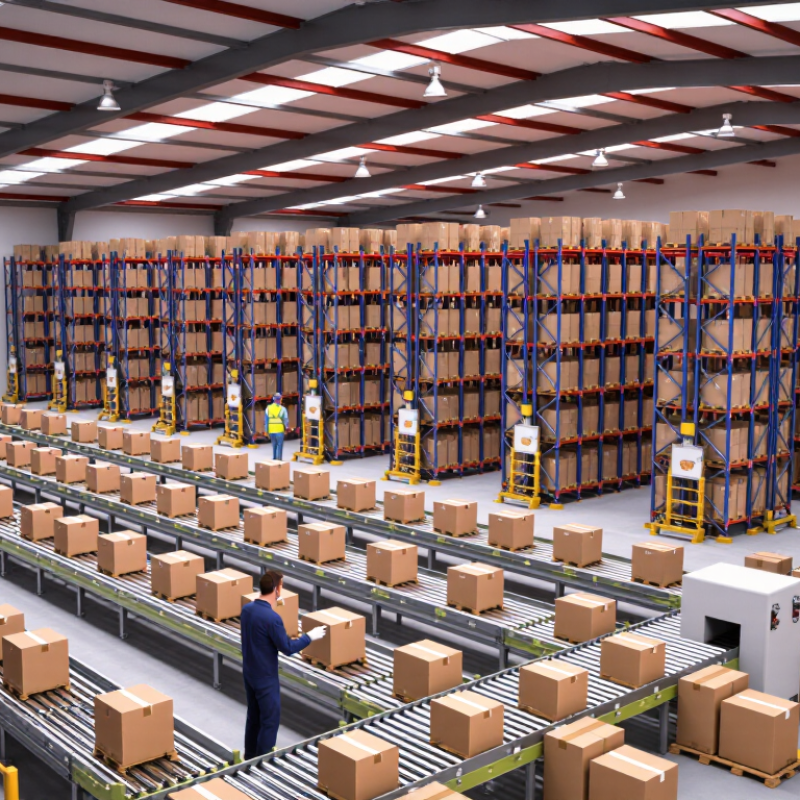
2026 Best Carton Flow Storage Systems for Warehouses
Carton flow storage systems are gravity-assisted rack units designed for cartons, totes, and small cases. Each lane uses inclined rollers or wheels. When an operator removes the front carton, the next one moves forward automatically. This creates a clear picking face and supports first-in, first-out rotation when products are loaded from the rear. In a busy warehouse, the system can reduce walking, simplify replenishment, and make stock levels easier to read. It works best with cartons that have stable bases and consistent dimensions.
The structure usually includes steel frames, adjustable lanes, roller tracks, and rear loading access. Warehouse staff place new cartons behind older inventory. Gravity moves them toward the picking side. Lane dividers keep products aligned, while stop bars prevent cartons from falling out. However, the system is not completely automatic. Damaged cartons may drag, stop, or block a lane. In my experience, small packaging differences can affect flow more than expected. Regular checks matter.
Tips: Measure carton width, weight, and base strength before selecting a lane. Test several real cartons, not only sample boxes. Keep heavy items in lower positions. Label each lane clearly, and inspect rollers for dust or damage. Leave enough aisle space for safe picking and replenishment. A practical trial often reveals problems that a layout drawing misses.
| System Type | How It Works | Typical Load and Carton Guidance | Best-Fit Warehouse Applications | Main Benefits and Planning Considerations |
|---|---|---|---|---|
| Standard Gravity Carton Flow Rack | Cartons are loaded from the replenishment side and move by gravity on inclined roller or wheel lanes toward the picking face. A stop, brake, or lane divider controls carton movement. | Suitable for individual cartons and totes that have a stable base. Typical lane capacities depend on beam spacing, roller design, and carton weight; the rack must be engineered for the actual load. | High-volume piece picking, order fulfillment, retail distribution, spare parts, and fast-moving stock. | Supports first-in, first-out rotation, reduces walking, and separates replenishment from picking. Carton dimensions and base quality must be checked before installation. |
| Carton Flow Shelving | Low- to medium-level shelving uses inclined flow lanes, often with rollers or wheels, to present cartons at the operator side while reserve stock is replenished from behind. | Best for light and medium cartons, totes, bins, and small cases. Capacity varies by shelf, lane width, frame height, and the rated capacity of each shelf level. | Manual picking areas, e-commerce fulfillment, kitting, healthcare supplies, and small-parts storage. | Improves product visibility and ergonomic access. It is practical where powered equipment is unnecessary, but shelf loading and aisle clearances must remain within design limits. |
| Push-Back Carton Flow | Cartons are loaded from the front and pushed backward on inclined carts or nested rails. When the front carton is removed, the cartons behind move forward. | Designed for multiple cartons of the same stock-keeping unit in a lane. Load limits are determined by cart rating, lane depth, carton weight, and the rack structure. | Medium-turn inventory, limited stock-keeping unit variety, and storage areas where loading and picking occur from the same aisle. | Uses space efficiently and reduces the need for a separate replenishment aisle. It may provide last-in, first-out rotation rather than strict first-in, first-out rotation. |
| Live Pallet and Carton Flow Combination | Deep pallet flow lanes store reserve pallets, while carton flow lanes at the pick face hold opened cases or individual cartons. Both levels use gravity-assisted movement. | Supports pallet-level reserve stock together with carton-level picking. Pallet and carton capacities must be calculated separately according to the rack design and load pattern. | Grocery, beverage, food distribution, consumer goods, and operations requiring high-volume case replenishment. | Combines dense reserve storage with accessible picking. The design must consider pallet quality, lane depth, product rotation, fire protection, and replenishment frequency. |
| Powered Carton Flow Conveyor | Motor-driven rollers or belt sections transport cartons through storage, picking, or order-consolidation zones instead of relying only on gravity. | Appropriate for cartons with consistent dimensions and weights. Conveyor capacity and speed are selected according to carton size, throughput, accumulation requirements, and control-system limits. | High-throughput fulfillment, sortation interfaces, automated picking, and warehouses with long travel distances. | Provides controlled movement and predictable throughput. It requires electrical power, controls, guarding, maintenance access, and integration with warehouse operating systems. |
| FIFO Carton Flow System | Replenishment takes place at the rear and picking takes place at the front. The lane advances older cartons toward the picking face before newer cartons are used. | Works best when cartons are uniform enough to travel reliably and when inventory is replenished in identifiable batches or dates. | Perishable goods, dated products, pharmaceuticals, cosmetics, food ingredients, and products with shelf-life controls. | Improves stock rotation and can reduce expiration risk. Lane labels, date controls, replenishment discipline, and suitable flow components are essential. |
| Mobile Carton Flow Rack | Carton flow modules are installed on movable bases that open only the required access aisle. The rack moves along floor tracks or a guided mobile system. | Load capacity is based on the mobile base, rack frame, lane equipment, floor conditions, and the distribution of cartons across each bay. | Facilities with high storage costs, moderate access frequency, and many carton-based stock-keeping units. | Can increase storage density by reducing fixed aisles. Access speed, floor flatness, emergency release features, and safety clearances require careful planning. |
| Modular Carton Flow Workstation | Carton flow lanes are combined with a picking bench, shelves, containers, lighting, and packing accessories to create a dedicated manual work area. | Typically handles small cartons, totes, bins, and components within the workstation's rated shelf and lane capacities. | Assembly, kitting, returns processing, spare parts, laboratory supplies, and small-order fulfillment. | Places frequently used materials within the operator's reach and can reduce unnecessary movement. Work height, reach distance, replenishment space, and operator safety should be reviewed. |
It uses inclined rollers, lane dividers, guide rails, and adjustable stops. Gravity moves cartons toward the picking face.
Use one SKU per lane when possible. Mixed cartons can create gaps, instability, and slower movement.
Fast-moving cartons should stay near ergonomic picking zones. Heavy cartons should remain between knee and shoulder height.
Load cartons from the rear and move older inventory toward the front. This supports consistent first-in, first-out rotation.
Review carton size, weight, daily picks, replenishment cycles, and order profiles. Study real activity for at least four weeks.
Test one aisle before expanding. Use the busiest shift, normal carton weights, and actual operator feedback.
Confirm aisle widths, rack heights, floor conditions, and carton sizes. Level each frame carefully. Small slopes can cause problems.
Inspect rollers, dividers, labels, frames, and stops each shift. Remove damaged cartons immediately. Keep a simple problem log.
No. Clean data helps, but automation cannot repair bad slotting, crowded pick faces, or unstable loading.
Teams may overfill lanes during busy periods. Dust, crushed cartons, and uneven loading also cause delays. Blame is less useful than review.
This guide explains how Carton Flow Storage systems use inclined roller lanes and gravity to move cartons from replenishment to picking positions, supporting efficient first-in, first-out inventory handling. It covers essential components such as flow rails, frames, dividers, brakes, and replenishment zones, while also introducing warehouse design principles including product velocity, carton dimensions, aisle layout, picking ergonomics, and available space. Readers will learn how to select the right configuration for high-volume, batch, piece-picking, or mixed carton operations.
The article also outlines practical considerations for installation, inventory flow, slotting, replenishment, labeling, and daily operating routines. Safety and maintenance topics include load control, inspection schedules, housekeeping, employee training, and prompt replacement of worn parts. Finally, it reviews cost factors such as equipment, installation, labor, and long-term efficiency, while discussing future trends including data-supported warehouse planning, adaptable modular systems, improved ergonomics, and greater integration with automated inventory processes.

 Kimsuk Rack